Is Overcast Weather Better for Bass Fishing?
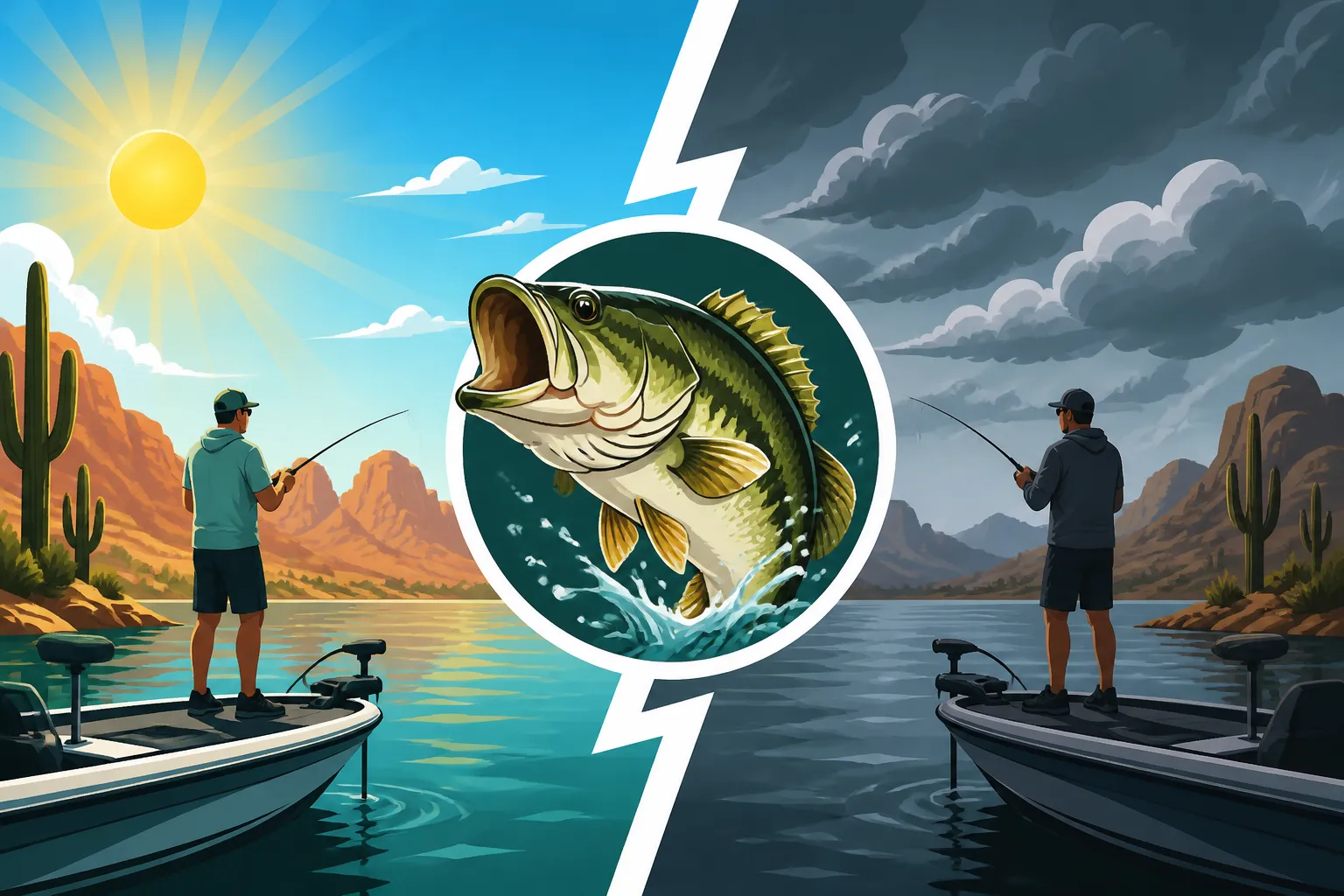
Oh, the age-old question that plagues every Arizona angler looking for bass: "Is overcast weather better for bass fishing?" You're out there on a beautiful, sunny Arizona morning, expecting a bite, and crickets. Then, a cloudy day rolls in, and suddenly, the fish are practically jumping into your boat. Or, sometimes, it's the exact opposite, leaving you scratching your head. This guide is all about cutting through the confusion, diving deep into how those cloudy, gray skies truly impact bass behavior in our desert lakes, and giving you actionable strategies to make the most of those fickle conditions.
The Science Behind Overcast Conditions and Bass Behavior
It’s easy to just feel like bass bite better on cloudy days, but there’s a real, scientific reason behind it. Understanding these factors can help you predict fish behavior and adjust your tactics accordingly, whether you're targeting largemouth bass or those feisty smallmouths. It's not just about what we see; it's about what the fish experience in their aquatic world.
Light Penetration and Bass Vision
Bass are ambush predators, and their vision plays a huge role in how they hunt. Bright, sunny conditions, especially in the clear waters of many Arizona lakes, can be quite harsh. Think about how you feel squinting into direct sunlight all day – now imagine being a fish with no eyelids, trying to spot a meal. Intense sunlight penetrates deeply, creating sharp shadows and often driving bass into deeper, shadier cover. They become more cautious, tucked away in brush piles, under docks, or hugging rock ledges where they can escape the glare.
When clouds roll in, they act like a giant diffuser, scattering that harsh sunlight. This reduces the amount of direct light hitting the water, making the entire water column feel more uniform. For bass, this means several things. First, their eyes are less strained, allowing them to see more comfortably and further. Second, the softened light reduces the stark contrast of shadows, making them feel less exposed. This subtle shift in light often emboldens bass to move out from their heavy cover and cruise more openly, actively looking for prey. It essentially extends their prime feeding windows beyond just dawn and dusk, which are typically their most active times on sunny days.
Water Temperature Stability
Arizona's desert lakes are famous for their scorching summers, and water temperature is a critical factor for bass. On a clear, sunny day, the sun's rays can rapidly heat the shallow waters, especially during the warmer months. This can cause significant temperature fluctuations throughout the day, forcing bass to constantly seek out more stable, cooler depths. They're trying to conserve energy and avoid the stress of rapidly changing conditions.
Overcast conditions, however, provide a natural thermal blanket. The clouds help to moderate surface water temperatures by blocking direct sunlight. This means less rapid heating during the day and often slower cooling at night, leading to more stable water temperatures overall. Bass thrive in stable conditions, and when the temperature remains consistent within their preferred range, they are generally more active and willing to feed. This effect is particularly noticeable in spring and fall, where moderate overcast days can prevent drastic temperature drops or spikes that might otherwise put the fish off the bite. In deeper lakes like Lake Pleasant Arizona Fishing Guide, this effect might be less pronounced at extreme depths but can still influence fish in the upper water column and shallower coves.
Prey Activity Under Cloudy Skies
It's not just the bass that react to overcast conditions; their prey does too. Smaller baitfish, crawfish, and insects are all influenced by light levels. On bright days, many baitfish might hug tight to cover or stay deeper to avoid predators. But under a shroud of clouds, they often feel more secure to venture into open water and shallower areas to feed. This increased activity from their food sources, especially in the mid-morning or afternoon, acts like a dinner bell for bass.
Imagine a school of shad, nervously darting in the sunlight, suddenly feeling a bit braver under the soft light of an overcast sky. They might move closer to shore, or suspend higher in the water column. When bass see this abundance of easily accessible prey, their predatory instincts kick in. It creates a perfect storm of opportunity for them – better visibility, comfortable temperatures, and an active buffet. This is why you might see a "burst" of activity during an unexpected cloudy spell, even when the fishing was slow just hours before. The entire food chain becomes more active and accessible.
Advantages of Overcast Days for Arizona Bass Anglers
So, what does all this science mean for us, the anglers casting lines in Arizona's beautiful waters? It means overcast days often present unique opportunities that can lead to some truly fantastic fishing, especially if you know how to leverage them.
Increased Feeding Activity
As discussed, the reduced glare and stable temperatures on overcast days often make bass feel more comfortable and less vulnerable. This comfort translates directly into increased feeding activity. Bass, particularly largemouth, become more aggressive and willing to chase down prey that they might ignore on a bright, sunny day. They're not just waiting for an easy meal to swim by their hiding spot; they're actively hunting.
This means you might find bass cruising open flats, patrolling points, or holding slightly shallower than usual. It also often extends their prime feeding windows. Instead of just a sunrise and sunset bite, you can frequently experience strong action throughout the late morning and early afternoon on a cloudy day. This extended feeding period gives you more opportunities to put your bait in front of an active fish. For those trying to figure out the Best Time of Day to Fish for Bass in Summer, an overcast sky can often negate some of the midday heat effects that usually shut down the bite.
Broader Strike Zones and Less Spooking
One of the most frustrating aspects of bass fishing on clear, sunny days is how easily bass can be spooked. The highly penetrating light means fish can see your boat, your shadow, or your casting motions from a greater distance. This often necessitates longer casts, lighter lines, and a stealthier approach to avoid putting them down. Their strike zone, the area around the fish where they're willing to hit a lure, tends to shrink, making precise presentations crucial.
Under overcast skies, this dynamic shifts considerably. The diffused light makes it harder for bass to see you or your boat. Shadows are less distinct, allowing you to get closer to cover or move more freely without alarming the fish. More importantly, the bass's strike zone often expands significantly. They're more confident, less wary, and willing to move further to investigate and strike a passing lure. This can be a game-changer, allowing for slightly less precise casts, more aggressive lure presentations, and ultimately, more hook-ups. It essentially gives you a larger margin for error and a greater chance of enticing a bite, even if your cast isn't absolutely perfect.
More Comfortable Fishing for You!
Let's be real, fishing in Arizona can be brutally hot and bright, especially during the long summer months. Constant sun exposure means slathering on sunscreen, wearing wide-brimmed hats, and constantly seeking shade. It can be exhausting and, frankly, diminish your enjoyment of the day.
Overcast days offer a welcome reprieve. The reduced sun exposure means you're less likely to overheat, get sunburned, or suffer from eye strain. This allows you to stay on the water longer, focus better on your fishing, and simply have a more pleasant and comfortable experience. You can concentrate on working your lures, reading the water, and enjoying the tranquility of the lake, rather than battling the elements. While you should always be prepared with sun protection, an overcast day just takes a little edge off, making those longer days on the water much more manageable. You might even find some excellent gear for managing the heat on Amazon, like cooling towels or specialized sun-protective clothing.
Strategies for Success on Overcast Days
While overcast conditions often favor the angler, simply showing up doesn't guarantee success. The best anglers know how to adapt their strategies to maximize the advantages these conditions offer. It’s about being observant and making intelligent choices with your gear and locations.
Lure Selection and Presentation
On bright, sunny days, bass often prefer more natural, subtle lure presentations – finesse worms, jigs, or small crankbaits in natural colors. The goal is to imitate prey that isn't trying to draw attention. However, overcast conditions open up a whole new world of possibilities, often favoring more aggressive tactics.
- Flash and Vibration: With less direct light, lures that create flash and vibration become incredibly effective. Spinnerbaits, chatterbaits, and lipless crankbaits can really shine. The blades on spinnerbaits catch what little diffused light there is and send out fish-attracting flashes, while the thumping vibration calls bass in from a distance. Consider trying some vibrant chartreuse or white spinnerbaits. You can find a huge selection of these lures on Amazon, perfect for experimenting with different colors and blade combinations.
- Topwater Action: Overcast conditions, especially when paired with calm water or a light chop, are prime for topwater lures. The bass feel more secure looking up for prey, and the lack of harsh shadows makes your topwater bait look more natural on the surface. Walking baits, poppers, and buzzbaits can provoke explosive strikes. Early mornings and late evenings on overcast days can be absolutely magical for topwater. For more details on this, check out our guide on How to Fish a Topwater Lure at Dawn.
- Crankbaits and Swimbaits: Deeper diving crankbaits in brighter, more attention-grabbing colors can be excellent for covering water and targeting bass that have moved off deeper structure. Think about reds, oranges, or blues, especially if the water has a bit of stain to it. Larger profile swimbaits, particularly those with a lot of paddle tail action, can also be very effective at imitating a struggling baitfish that's more vulnerable in the softened light. Knowing the Best Lures for Largemouth Bass in Arizona Lakes can further refine your choices.
Your presentation can also be more aggressive. Instead of slow, methodical retrieves, try a faster retrieve with sudden pauses or jerks to elicit a reaction strike. The bass are more active, so capitalize on their willingness to chase.
Targeting Productive Areas
The areas bass frequent tend to shift slightly on overcast days compared to sunny ones. While they still relate to structure, their willingness to move out from the thickest cover increases.
- Expanded Cover: Instead of being buried deep inside a brush pile, bass might be holding on the edges of the brush, or even suspending slightly above it. They might also move onto points, humps, or rock piles that were previously too exposed. Target these areas by making casts that cover both the deeper and shallower sections.
- Shallow Flats and Coves: Overcast conditions make shallow flats and the backs of coves much more inviting for bass. With less direct sunlight, these areas don't heat up as quickly, and baitfish are often more prevalent there. Look for submerged grass, scattered rocks, or even isolated laydowns in these shallower zones. This is especially true for Largemouth Bass Fishing Guide for Arizona.
- Wind-Blown Banks: If there's a breeze accompanying the clouds, fish the wind-blown banks. The wind pushes baitfish against these shores, creating a feeding opportunity. The chop on the surface also further breaks up the light, making bass feel even more secure.
Consider how the water levels might also play a role. If levels are high, bass might be pushing further into flooded vegetation, and the overcast conditions will encourage them to stay there longer. Use your fish finder to locate schools of baitfish, as bass won't be far behind. Learning How to Read a Fish Finder for Bass is a crucial skill here.
Adapting to Changing Conditions
Arizona weather, even when it starts overcast, can change quickly. A day that begins cloudy might clear up by noon, or turn into a full-blown monsoon storm. Being adaptable is key.
- Monitor the Sky: Pay close attention to the clouds. Are they thinning out? Are they getting darker? If the sun starts to peek through, bass might begin to retreat to deeper or shadier spots. If the clouds thicken and a storm approaches, fish can become incredibly active just before the front hits, but then shut down quickly once the storm arrives.
- Temperature Checks: Use a thermometer to monitor water temperature, especially in the shallower areas. If the water starts to cool or heat rapidly despite the clouds, it's a sign that fish might be moving.
- Adjust Lures and Depth: Don't be afraid to change your lure selection and presentation throughout the day. If the sun comes out, switch to more natural colors and finesse presentations. If the clouds get heavier and the wind picks up, go back to those noisy, flashy baits. Similarly, adjust your fishing depth based on light penetration and baitfish location. Sometimes, bass will hold just a few feet deeper on a partly cloudy day compared to a completely overcast one.
Understanding these nuances and being willing to switch things up is what separates a good day of fishing from a great one. For a comprehensive look at how seasons affect bass, check out the Spring Bass Fishing Tactics in Arizona or Fall Bass Fishing Tactics in Arizona.
When Overcast Might Not Be Your Best Friend
While generally beneficial, there are a few scenarios where overcast conditions might not lead to a banner day of bass fishing. It's important to recognize these exceptions so you can adjust your expectations and strategies accordingly.
Post-Frontal Overcast
This is probably the most common exception. A "frontal passage" refers to a significant change in weather, often involving a cold front. Before a strong cold front hits, you might get heavy overcast skies, wind, and even rain – and this can be an incredible time to fish. Bass often feed aggressively in anticipation of the atmospheric changes.
However, after the front has passed, even if the skies remain overcast, the fishing can be tough. Cold fronts typically bring high-pressure systems, which can make bass lethargic and less willing to bite, regardless of the cloud cover. The sudden drop in air temperature, combined with potentially falling water temperatures, can put fish into a funk. They might hold tighter to cover, require extremely slow and subtle presentations, or simply refuse to bite at all. In these post-frontal overcast conditions, finesse techniques become paramount, and you might need to scale down your lure size and retrieve speed dramatically. Don't expect those aggressive topwater blow-ups you might get during a pre-frontal overcast day.
Extremely Dark or Stormy Conditions
There's a fine line between a nicely overcast day and a severely dark, stormy one. While some anglers swear by fishing during a light rain or drizzle under heavy clouds, extremely dark skies, especially those signaling a severe thunderstorm, can sometimes shut down the bite. The sudden drop in light can be too extreme, or the barometric pressure changes can be too rapid, putting bass off.
Safety is also a huge concern here. Fishing during an active thunderstorm in Arizona is extremely dangerous due to lightning, high winds, and flash flood potential. Even if the fish are biting, it's not worth the risk. Always check the weather forecast before heading out, especially during Arizona's Monsoon Season Fishing Guide. If conditions look too severe, it's always better to reschedule your trip. A little cloud cover is good, but too much, especially with heavy rain and wind, can make fishing difficult and unsafe.
Specific Bass Species Nuances
While largemouth bass often respond very well to overcast conditions, other species, or even specific populations, might have slightly different preferences.
- Smallmouth Bass: Smallmouth bass, particularly in very clear water lakes like Lake Powell Arizona Fishing Guide, can also benefit from overcast conditions by moving shallower. However, they tend to be more structure-oriented than largemouths. While they might venture out more, they'll often still be relating closely to rocks, ledges, and drop-offs. Their feeding windows might expand, but their preferred habitat usually remains consistent. On extremely dark days, they might just hug the bottom more aggressively.
- Other Species: If you're targeting other species like crappie or trout, the effects of overcast conditions might differ. Crappie often love overcast days, as they tend to suspend in open water, and the diffused light makes them less visible to predators from above. Trout, especially stocked rainbow trout in urban lakes, might be less affected by light changes and more by water temperature and recent stocking schedules. The Trout Stocking Season in Arizona often dictates trout activity more than daily weather patterns.
So, while overcast is a good general rule, remember to consider the specific species you're after and the unique characteristics of the water you're fishing.
| Overcast Condition | Bass Behavior (General) | Recommended Lures/Tactics |
|---|---|---|
| Light/Partial Overcast | More active, extending feeding windows, slightly expanded strike zones. | Spinnerbaits (lighter blades), topwater, shallow crankbaits, jigs. |
| Heavy Overcast (Steady) | Very active, confident, cruising shallower, aggressive feeding. | Spinnerbaits (brighter colors, larger blades), chatterbaits, large crankbaits, swimbaits, topwater. |
| Pre-Frontal Overcast (Storm Approaching) | Highly aggressive, frantic feeding due to pressure drop. | Reaction baits (fast retrieves), big swimbaits, bladed jigs. Hit anything noisy. |
| Post-Frontal Overcast (After Storm) | Lethargic, tight to cover, reluctant to chase, narrow strike zone. | Finesse jigs, drop shot, shaky head, slow retrieves, natural colors. |
| Heavy Rain/Storms | Highly variable; often shut down, unsafe. | Avoid if severe; otherwise, focus on dirty water techniques (dark colors, heavy vibration) if safe. |
In conclusion, for most Arizona bass anglers, overcast weather is indeed a blessing, often leading to more active fish and more comfortable fishing. It changes the underwater environment in ways that make bass more confident and willing to bite. By understanding the "why" behind these changes and adjusting your lure choices and fishing spots, you can transform a potentially slow day into a memorable one. So, next time those clouds roll in, don't pack up – grab your rods, adjust your strategy, and get ready for some exciting bass action!
Disclaimer
This article is for general informational purposes only and does not constitute professional advice. Laws, prices and regulations vary by location and change over time. Consult a qualified professional for guidance on your specific situation.