Can You Catch Bass Year-Round in Arizona?
It's a common thought for anglers new to Arizona, or even those who've been here a while but are just starting to seriously pursue bass: "Can you actually catch bass all year round in this desert state?" The image of scorching summers and occasionally chilly winters might lead you to believe there are significant "off-seasons." But let me tell you, that's simply not the case! This guide is here to assure you that with the right knowledge and a willingness to adapt, you can absolutely enjoy successful bass fishing in Arizona 365 days a year.
The Short Answer: Yes, You Absolutely Can!
The great thing about bass fishing in Arizona is that our relatively mild winters and diverse aquatic environments mean there's rarely a time when bass completely shut down. While the fishing certainly changes with the seasons – sometimes dramatically – the opportunity to hook into a feisty largemouth or a hard-fighting smallmouth is always there. It’s not like in colder climates where lakes freeze solid and bass go into a deep dormancy for months. Here, it’s more about understanding where they go and what they’re doing in response to temperature and forage.
Dispelling the Myth: No True "Off-Season" for Bass
Many folks come from areas with distinct four seasons, where winter means ice fishing or putting the gear away until spring. Arizona doesn't operate that way for bass. Our desert lakes and reservoirs, like Lake Pleasant, Roosevelt Lake, and Apache Lake, rarely freeze over, and even when mountain lakes do, the larger bass fisheries remain open and viable. Bass are cold-blooded creatures, so their metabolism is directly tied to water temperature. When the water gets cold, they slow down, but they still need to eat. They just don't chase a flashy crankbait with the same abandon as they might in springtime.
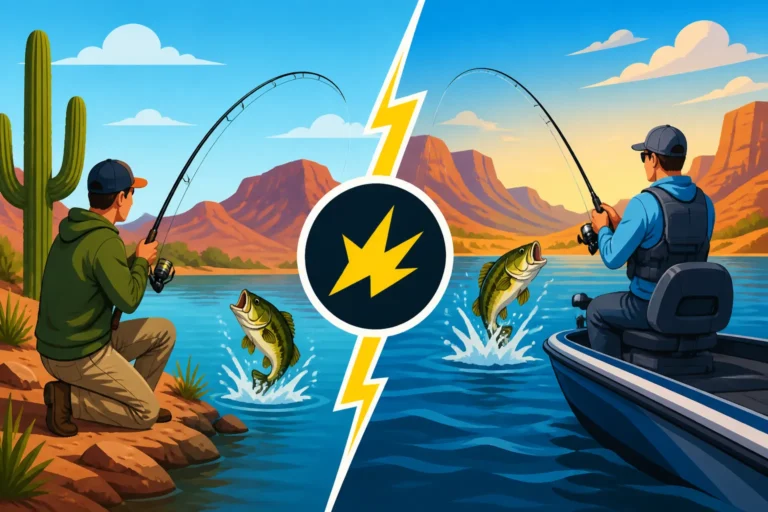
For example, on a seemingly "slow" winter day at Lake Havasu, you might find largemouth bass hunkered down on deep structure, reluctant to move far. But present a finesse jig or a slow-rolled swimbait right in front of them, and you can still provoke a strike. Similarly, during the dog days of summer, when surface temperatures feel like bathwater, bass simply move deeper to find cooler, more oxygenated water. They might feed more actively at dawn, dusk, or even throughout the night. It's all about adaptation, both for the fish and for us anglers.
Key Factors Influencing Year-Round Success
Successfully catching bass throughout the Arizona calendar boils down to recognizing and responding to a few critical factors. The most important, without a doubt, is water temperature. This dictates their metabolism, their comfort zone, and their activity levels. Closely related is forage availability – where are the baitfish, crawdads, or other creatures they eat, and how accessible are they? Finally, and perhaps most importantly for us, is angler adaptation. Are you willing to change your techniques, your locations, and even your fishing hours to match what the bass are doing?
It’s a dynamic puzzle. During the warming trends of early spring, bass move from deep winter haunts to shallower staging areas, eager to feed before the spawn. Later, as the summer sun bakes the desert, they retreat to the cooler, deeper parts of the lake or seek refuge in shady cover. Understanding these seasonal movement patterns of Arizona bass is paramount. It means that the same spot that produced limits in March might be barren in August, and vice-versa. Continuous learning and flexibility are your best friends in Arizona bass fishing.
Understanding Arizona's Bass Seasons and Their Nuances
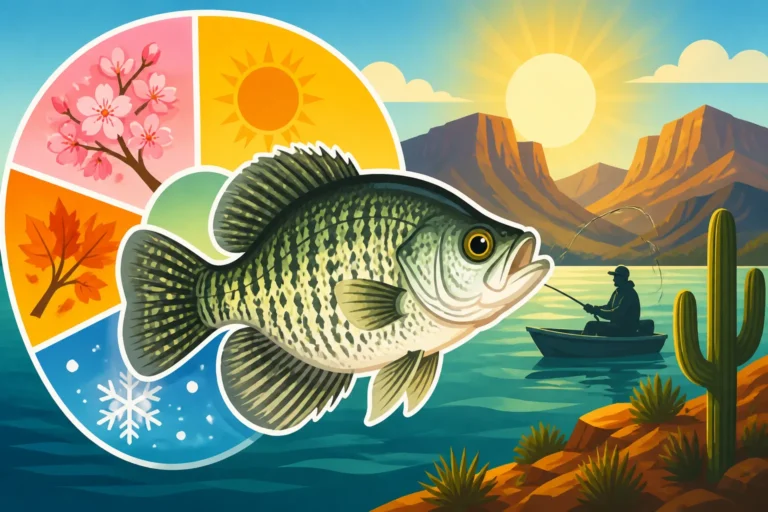
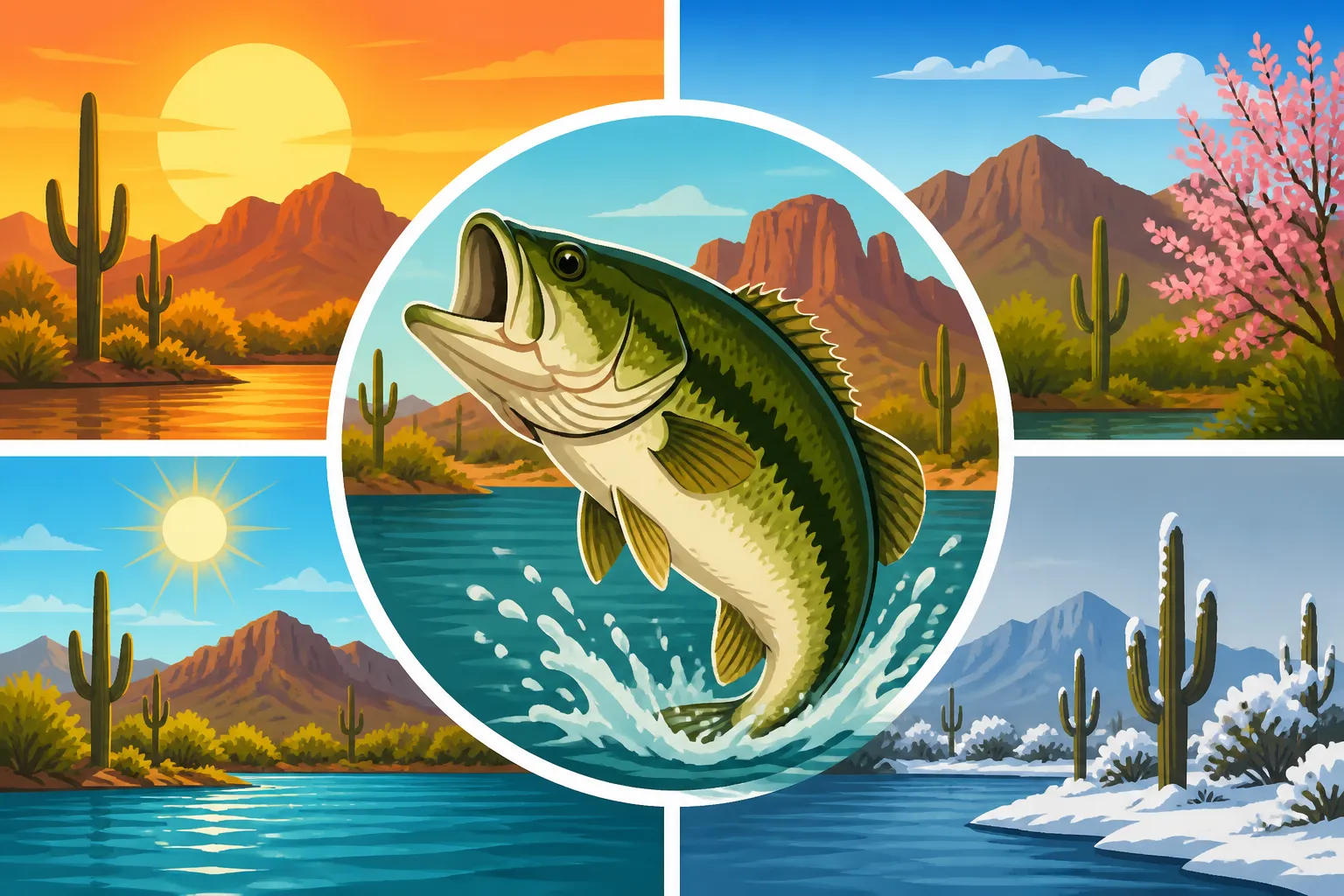
While there's no true "off-season," each of Arizona's four seasons presents its own unique challenges and opportunities for bass anglers. Knowing what to expect and how to adjust your approach is the key to consistent success.
Spring: The Spawning Frenzy and Pre-Spawn Build-Up
Ah, spring! This is often considered prime time for bass fishing across Arizona. As water temperatures begin to rise, typically from late February through April, bass start thinking about one thing: spawning. This period can be broken into two main phases: pre-spawn and spawn.
During the pre-spawn, bass are bulking up, feeding aggressively to build energy reserves for the strenuous spawning process. They'll start moving from their deeper winter holding areas to shallower points, humps, and coves, often congregating in "staging" areas just outside the actual spawning flats. This is a fantastic time for power fishing techniques – throwing lipless crankbaits, spinnerbaits, and medium-diving crankbaits to cover water and find active fish. You might find them cruising along rocky banks or lurking around submerged timber, eagerly snatching up any substantial meal. For detailed strategies, check out our guide on Spring Bass Fishing Tactics in Arizona.
Once water temperatures stabilize in the mid-60s to low 70s Fahrenheit, the bass move onto the beds. This is when sight fishing becomes popular, as you can spot male bass guarding their nests in shallow, clear water. They become very territorial and will often strike at anything perceived as a threat. Soft plastics like lizards, tubes, or senkos worked slowly into the bed can often elicit a strike. Remember, during the spawn, proper catch and release practices are even more crucial to ensure the future health of the fishery. After the spawn, the females are recuperating and often move slightly deeper to recover, while the males continue to guard the fry for a short period before resuming more typical feeding patterns.
Summer: Battling the Heat with Deep Water Strategies
Arizona summers are no joke, and the intense heat greatly influences bass behavior. Surface water temperatures can soar, pushing bass out of the shallows into deeper, cooler, and more oxygenated water. This doesn't mean they stop eating; it just means you need to adjust your approach significantly.
One of the most effective summer strategies is to target bass during the cooler parts of the day. Early mornings, just as the sun is coming up, can offer incredible topwater action on many lakes like Canyon Lake or Saguaro Lake, before the heat truly sets in. As the sun climbs higher, bass will retreat. This is when deep-water fishing comes into play. Look for bass relating to offshore structure: ledges, humps, submerged islands, brush piles, or old river channels. Using your fish finder to locate these areas and the fish holding on them becomes absolutely critical. Techniques like drop-shotting, deep-diving crankbaits, Carolina rigs, and heavy football jigs can all be highly effective. Our guide on Summer Bass Fishing Tactics in Arizona delves into this in more detail.
Another fantastic summer option is night fishing. The desert nights, while still warm, are a welcome relief from the daytime inferno, and bass often become much more active, moving shallower to feed under the cover of darkness. Spinnerbaits, large worms, and even topwater lures that make a lot of noise can be deadly effective. Make sure you have good lighting for rigging and navigating; a reliable headlamp is a must-have, and you can find many quality options on Amazon along with other essential safety gear for night fishing. Remember to prioritize heat safety tips for summer fishing in Arizona, staying hydrated and seeking shade when possible.
Fall: The Feeding Frenzy Before Winter
As the oppressive summer heat begins to subside and water temperatures gradually cool, Arizona bass enter a highly active and often very productive fall feeding period. This is when baitfish, like shad, become incredibly active, schooling up and moving into coves and flats. Bass key into this, chasing down schools of bait in what anglers often refer to as "boils" or "schools."
This autumn transition is a fantastic time for reaction baits. Crankbaits, spinnerbaits, jerkbaits, and even topwater lures can be incredibly effective as bass aggressively feed to fatten up for the leaner winter months. They'll often be found shallower than in summer, but deeper than during the spawn, frequently relating to creek channels, main lake points, and larger flats where baitfish congregate. Lakes like Roosevelt Lake are famous for their fall bass fishing, with largemouth and smallmouth often schooling together. Our article on Fall Bass Fishing Tactics in Arizona offers more specific advice for this exciting season. This is also a good time to ensure your tackle box is well-stocked for diverse scenarios, and many anglers find it convenient to browse for a comprehensive selection of lures on Amazon to ensure they're ready for whatever the bass are biting.
Winter: Slow and Steady Wins the Bass Race
While winter in Arizona might mean a light jacket for us, the cooler water temperatures do slow down bass metabolism. However, they absolutely still need to eat! The key difference from other seasons is that bass are less likely to chase a bait long distances. They become more lethargic and prefer a slow, easy meal presented directly to them.
During winter, bass often retreat to deeper water, seeking stable temperatures and cover. Look for them holding tight to vertical structure like bluff walls, deep points, ledges, and submerged timber. Finesse techniques shine here. Drop shots, shaky heads, small jigs, and slow-rolled swimbaits are excellent choices. The retrieve speed should be agonizingly slow – sometimes just crawling your bait along the bottom. Patience is truly a virtue in winter bass fishing. Even on the coldest mornings, if you present the right bait in the right spot with the right retrieve, you can still be rewarded with some quality fish. Our guide on Winter Bass Fishing Tactics in Arizona provides more insights into making the most of the cooler months. You'll want to stay warm during these cooler mornings, and investing in quality thermal layers, perhaps from brands available on Amazon, will keep you comfortable. For those interested in the intricacies, our piece on Ice-Free Winter Fishing Techniques offers additional tips.
Essential Adaptations for Year-Round Bass Angling
The ability to catch bass year-round in Arizona isn't just about knowing when they're active; it's about being prepared and willing to adapt your entire fishing approach.
Gear Adjustments for Every Season
Your tackle box and rod locker shouldn't look the same in July as they do in January. Adapting your gear is fundamental.
- Rods and Reels: While a versatile medium-heavy spinning or casting combo can handle a lot, specializing helps. For power fishing in spring and fall, a longer, heavier action rod for crankbaits or spinnerbaits is ideal. For summer deep-water finesse or winter slow presentations, a lighter action rod with sensitive tips is crucial to detect subtle bites.
- Line: You might use heavier, more abrasion-resistant fluorocarbon or braided lines in thick cover during warmer months, but switch to lighter, more sensitive fluorocarbon or even monofilament for finesse techniques in clear, cold winter water.
- Lures: This is where the biggest shifts occur.
- Spring: Lipless crankbaits, spinnerbaits, jigs, shallow-diving crankbaits, soft plastics (lizards, tubes, senkos) for bedding fish.
- Summer: Deep-diving crankbaits, jigs, Carolina rigs, drop shots, large worms for deep fish. Topwaters and larger dark-colored soft plastics for night fishing.
- Fall: Spinnerbaits, crankbaits (medium and deep divers), jerkbaits, topwaters, soft plastic swimbaits, flukes.
- Winter: Finesse jigs, drop shots, shaky heads, small worms, slow-rolled swimbaits, blade baits.
A good resource for selecting your arsenal is our guide to the Best Baits and Lures for Arizona Fishing.
Locational Intelligence: Where Bass Go When
Understanding bass movement patterns is like having a secret map to year-round success. Bass don't just randomly swim around; their location is driven by survival – food, comfort, and reproduction.
- Structure vs. Cover: Bass relate to both. Structure refers to changes in the lake bottom (ledges, humps, points, creek channels), while cover refers to objects on or in the water (brush piles, timber, rocks, docks, vegetation). Both are important year-round, but their preferred depth and type change.
- Depth and Shade: In summer, shade becomes paramount. Bass will use deep water, but also shaded banks, submerged trees, or even the shadows cast by cliffs. In winter, they'll seek the most stable temperatures, often in the deepest parts of the main lake, or in protected coves that warm up slightly faster on sunny days.
- Forage Location: Bass follow their food. If shad are schooling in a cove, bass will be there. If crawdads are abundant on a rocky bank, bass will cruise those areas. Using electronics like a fish finder to locate bait schools can often lead you directly to active bass, especially during the fall feeding frenzies. For deeper dives, explore Deep Water Structure Fishing Techniques.
Safety and Comfort in Arizona's Diverse Climate
While bass fishing is a joy, Arizona's climate demands respect and preparation for your own safety and comfort, regardless of the season.
- Summer Heat: This is arguably the most dangerous element. Always carry more water than you think you need. Wear lightweight, light-colored, long-sleeved UPF-rated clothing, a wide-brimmed hat, and polarized sunglasses (essential for spotting fish and structure). Start early, end early, or fish late into the night. Consider cooling towels or even a small battery-operated fan. Our Heat Safety Tips for Summer Fishing in Arizona are a must-read.
- Winter Chill: While not extreme, desert mornings can be surprisingly cold, especially on the water. Dress in layers, including thermal underwear, a warm middle layer, and a windproof outer shell. Bring a hat and gloves.
- Monsoon Season: Late summer brings the monsoon. While a summer rain can sometimes trigger a bite, sudden, violent thunderstorms can be extremely dangerous on the water. Pay close attention to weather forecasts, and if you see dark clouds building, get off the water immediately. Lightning is a serious threat. Our Arizona Monsoon Season Fishing Guide has more on staying safe during this time.
By embracing these seasonal shifts and adapting your strategy, gear, and safety precautions, you'll discover that Arizona truly offers incredible bass fishing opportunities all year long.
| Season | Typical Bass Behavior | Key Locations | Recommended Lures/Techniques | Angler Adaptation |
|---|---|---|---|---|
| Spring | Pre-spawn feeding, spawning activity, post-spawn recovery | Shallow points, coves, spawning flats, submerged timber | Crankbaits, spinnerbaits, jigs, soft plastics (lizards, senkos, tubes) | Power fishing, sight fishing (during spawn), finesse post-spawn |
| Summer | Retreat to deep, cool water; active at dawn/dusk/night | Deep ledges, humps, offshore structure, shaded cover | Deep crankbaits, jigs, drop shots, Carolina rigs; topwaters (early/late); spinnerbaits (night) | Fish early/late/night, deep water focus, hydration, sun protection |
| Fall | Aggressive feeding on baitfish, schooling activity | Main lake points, creek channels, flats, schooling bait | Crankbaits, spinnerbaits, jerkbaits, topwaters, swimbaits | Cover water, match the hatch, look for schooling fish |
| Winter | Slow metabolism, tight to structure, subtle bites | Deep points, bluff walls, submerged timber, stable zones | Finesse jigs, drop shots, shaky heads, small swimbaits, blade baits | Slow presentations, patience, sensitive gear, layering |
Disclaimer
This article is for general informational purposes only and does not constitute professional advice. Laws, prices and regulations vary by location and change over time. Consult a qualified professional for guidance on your specific situation.