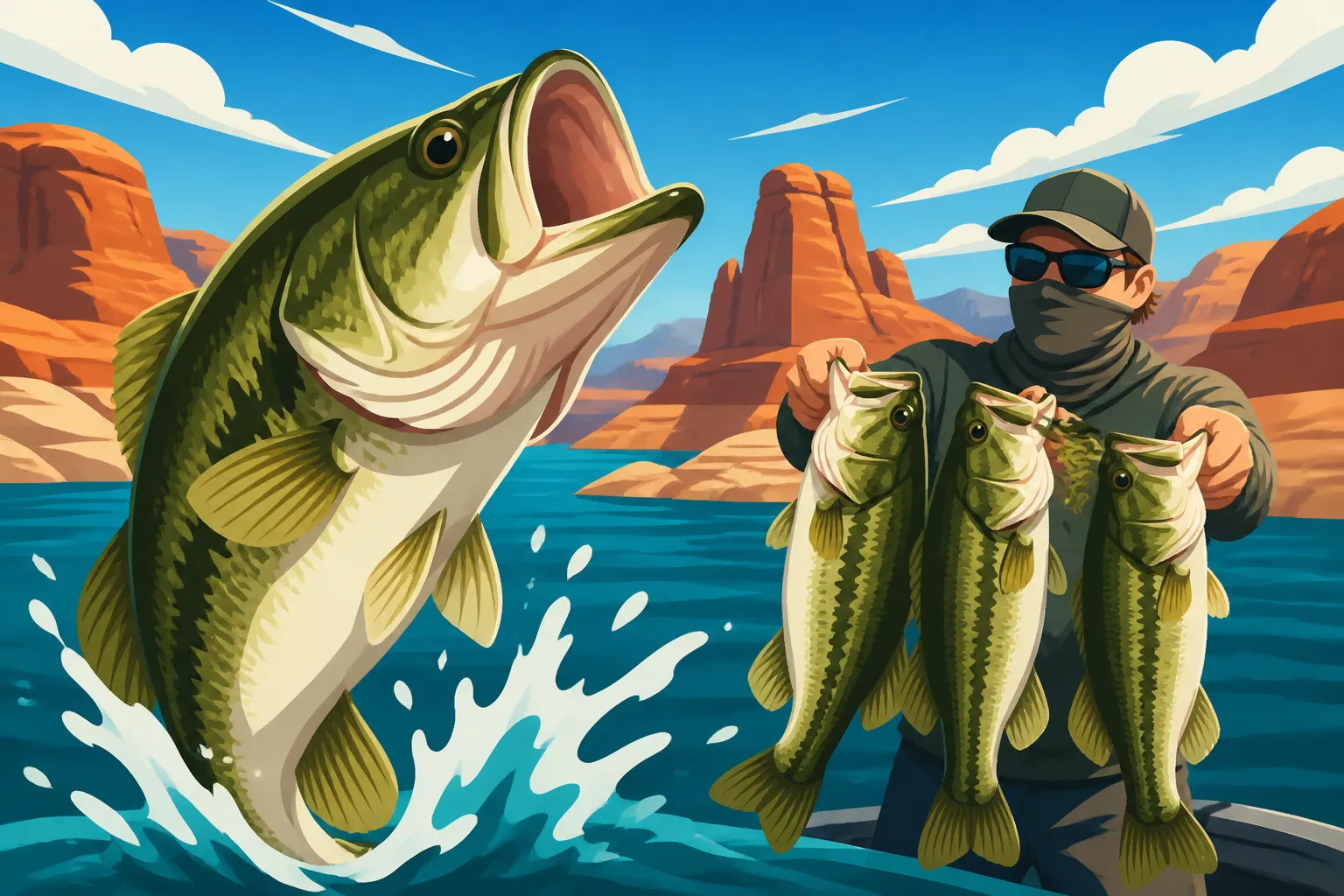
Largemouth Bass Limit at Lake Powell
It can be incredibly confusing to keep up with fishing regulations, especially when you're targeting a specific species in a massive, cross-state water body like Lake Powell. You might be accustomed to strict bag limits on your local lakes, only to find the rules are completely different elsewhere. This guide is here to cut through that confusion, explaining the current largemouth bass limits at Lake Powell and diving into why those regulations are what they are, helping you fish confidently and responsibly.
Understanding the Largemouth Bass Regulations at Lake Powell
Let's get straight to it, because I know you're eager for the answer: for many years now, and certainly as of the latest Arizona Game and Fish Department (AZGFD) regulations, there is no bag or possession limit for largemouth bass on Lake Powell. In fact, anglers are often encouraged to harvest all largemouth bass caught. This can be a huge surprise if you're used to catch-and-release or strict limits, but there's a very good reason behind it, which we'll explore shortly.
This means you don't have to worry about counting your catches, though responsible angling still dictates you only take what you'll consume. The focus here is on management for the health of the entire ecosystem, rather than protecting the individual largemouth population itself. It's a unique situation that highlights the dynamic nature of fisheries management, especially in large reservoirs with complex predator-prey relationships. When you're out there on the water, whether you're navigating the countless canyons or fishing the main channel, knowing this crucial detail means you can adjust your approach and enjoy your time without the constant worry of breaking the rules. Always double-check the latest official Arizona Fishing Regulations Explained, as rules can change, but this has been the prevailing regulation for largemouth for quite some time.
What "No Limit" Truly Means for Anglers
For the angler, "no limit" doesn't just mean you can fill your cooler. It signifies a strategic invitation from wildlife agencies to actively participate in the management of the fishery. When you're fishing at Lake Powell, every largemouth bass you remove from the system is considered a helpful action towards balancing the delicate aquatic ecosystem. This isn't a casual recommendation; it's a core component of how the fishery is managed. So, if you're someone who loves to take home a fresh catch for dinner, Lake Powell offers an unparalleled opportunity without the typical constraints. You can focus on your technique, experiment with different lures, and enjoy the thrill of the catch knowing you're contributing to the lake's health. It’s a chance to put your Best Bass Fishing Techniques for Arizona Lakes into full practice.
The Contrast with Other Bass Species
It's vital to remember that these "no limit" rules are specifically for largemouth bass. Lake Powell is also home to other popular bass species, most notably the feisty smallmouth bass and the hard-fighting striped bass. The regulations for these species are typically quite different. For instance, you might find specific bag and size limits for smallmouth bass, which are considered a highly desirable sport fish and a more established part of the native food web in some parts of the lake. Striped bass also often have generous limits, but they might not be "no limit" like largemouth, and their management strategies often differ due to their schooling behavior and impact on forage fish. It's crucial to be able to tell the difference between these species, especially if you're targeting a mix. If you're unsure, it's always better to err on the side of caution or consult a detailed Fish Species Guide for Arizona Lakes before keeping a fish.
Why the Largemouth Bass Regulations at Lake Powell are Unique
The reason behind the "no limit" policy for largemouth bass at Lake Powell isn't arbitrary; it's rooted in complex ecological dynamics and the continuous efforts of fisheries biologists to maintain a healthy and balanced ecosystem in such a vast reservoir. Lake Powell, despite its grand scale, faces challenges like any other large body of water, and sometimes, a species can become overpopulated to the detriment of others or its own long-term health.
The presence of largemouth bass in Lake Powell is primarily due to stocking efforts over the decades, and while they are a popular sport fish, their unchecked proliferation can lead to issues. They are efficient predators, and an overabundance can put significant pressure on the forage base—the smaller fish that other sport fish, like striped bass or even young smallmouth, rely on. This is especially true for threadfin shad, which are a primary food source for many species in the lake. By encouraging anglers to harvest largemouth, the AZGFD helps manage their numbers, promoting healthier populations of other desirable species and ensuring a more stable food chain throughout the lake.
Managing Predation and Forage Fish
Imagine a buffet where one guest just keeps eating and eating, leaving less for everyone else. That's a simplified way to think about how an unchecked population of a highly efficient predator like largemouth bass can impact a lake's ecosystem. Largemouth bass are opportunistic feeders, and while they provide great sport, their sheer numbers can outcompete other predators for vital forage fish like threadfin shad. This can lead to a decline in shad populations, which then negatively impacts other important sportfish, such as the renowned striped bass that Lake Powell is famous for, and even the growth rates of the largemouth themselves.
When the forage base dwindles, all the fish suffer, leading to smaller, less healthy fish across the board. By encouraging the harvest of largemouth bass, fisheries managers are essentially asking anglers to help keep the "buffet line" fair. This targeted removal helps maintain a more sustainable population of forage fish, ensuring that there's enough food to go around for all the predators, leading to bigger, healthier fish for everyone to enjoy in the long run. It's a proactive management strategy that relies heavily on angler participation.
Balancing the Lake Powell Ecosystem
Lake Powell is a sprawling, desert reservoir, an incredible feat of engineering that created a unique and sometimes challenging environment for fish. It's not a natural lake, and as such, its ecosystem requires constant human intervention and careful management to thrive. The introduction of various sport fish, while creating a world-class fishery, also introduced complex interactions. The "no limit" on largemouth bass is part of a larger plan to maintain a delicate ecological balance. This balance is crucial for the long-term health of the entire fishery, from the smallest baitfish to the largest trophy striped bass or trophy catfish.
Biologists monitor fish populations, water levels, and forage availability constantly. When they see one species, like largemouth bass, potentially impacting the food web too heavily, adjusting the regulations to encourage harvest becomes a powerful tool. This isn't about eradicating the species, but rather about preventing it from monopolizing resources and creating a boom-and-bust cycle that could harm the entire lake's fishing future. It's a dynamic approach, much like pruning a garden to ensure all plants get enough sunlight and nutrients. You can learn more about the diverse aquatic life by exploring the Lake Powell Arizona Fishing Guide.
Practical Angling Tips for Largemouth Bass at Lake Powell
So, with the knowledge that there's no limit on largemouth bass at Lake Powell and that harvesting them is encouraged, how does this change your fishing approach? Well, for starters, it means you can truly fish to your heart's content without having to stop when you hit a quota. This freedom allows for a more relaxed and enjoyable outing, but also presents an opportunity to fine-tune your techniques and maximize your success.
When targeting largemouth on Lake Powell, consider focusing on areas with structure – submerged brush, rock piles, ledges, and canyon walls. These fish love to ambush prey from cover. Keep an eye on water temperature and clarity, as these factors heavily influence where bass will be holding. Use a variety of lures and baits, and don't be afraid to experiment. Since you're encouraged to keep what you catch, having a good cooler on board is essential for preserving your harvest, especially in Arizona's heat. You can find excellent, highly insulated coolers on Amazon that are perfect for keeping your catch fresh all day long.
Identifying Largemouth Bass
Before you start filling your cooler, it's absolutely paramount to correctly identify the largemouth bass you catch. As mentioned, Lake Powell is home to smallmouth bass, and while they might look similar at first glance, their regulations can differ significantly. Misidentifying your catch could lead to unknowingly violating regulations for other species, which is something no angler wants.
Here’s a quick rundown of how to tell them apart:
- Largemouth Bass: Look for a jawline that extends beyond the eye when the mouth is closed. They typically have a more pronounced lateral line, often appearing as a dark, irregular stripe running horizontally along their side. Their body shape is generally more elongated and robust.
- Smallmouth Bass: Their jawline will typically not extend beyond the eye. They usually have vertical bars or splotches on their sides rather than a distinct horizontal line. Their eyes tend to be redder, and their body shape is often more compact and muscular.
Getting a good, waterproof fish identification guide or using a reliable app on your phone can be a lifesaver. Being able to quickly and accurately identify your catch ensures you're complying with all regulations and fishing responsibly.
| Feature | Largemouth Bass | Smallmouth Bass |
|---|---|---|
| Upper Jaw | Extends beyond the back of the eye | Does not extend beyond the back of the eye |
| Dorsal Fins | Deep notch separating spiny and soft rays | Shallow notch separating spiny and soft rays |
| Lateral Markings | Dark, irregular horizontal stripe | Vertical bars or dark blotches |
| Body Shape | More elongated and robust | More compact and muscular |
| Eye Color | Typically golden or brownish | Often reddish |
Best Practices for Harvesting and Handling Fish
If you're taking advantage of the "no limit" rule, ethical harvesting and proper fish handling are key. It’s not just about compliance, but about respect for the resource and ensuring the best possible table fare.
- Swift and Humane Harvest: If you intend to keep a fish, dispatch it quickly and humanely. A swift blow to the head or a tool designed for stunning fish works best. This reduces stress on the fish and improves meat quality.
- Immediate Cooling: This is absolutely critical in Arizona's warm climate. Get your fish on ice as quickly as possible. A cooler filled with ice (not just cold water) will drop the fish's core temperature rapidly, inhibiting bacterial growth and preserving freshness. Using a good quality cooler, perhaps one you scoped out on Amazon, makes all the difference.
- Bleeding (Optional but Recommended): Some anglers prefer to bleed their fish immediately after harvest. This can be done by cutting the gills or severing an artery near the tail. Bleeding improves the flavor and texture of the meat by removing blood that can harbor bacteria and impart a "fishy" taste.
- Proper Storage: Once cleaned, store your fillets or whole fish in airtight bags on ice. Avoid letting them sit in melted ice water, as this can degrade the quality.
Remember, even with no limit, responsible angling means only taking what you will use and respecting the environment. It's also a great idea to carry a portable scale, easily found on Amazon, to weigh your catches and a measuring tape to understand the size ranges you are catching, even if limits aren't a concern.
Beyond Largemouth: Other Species and Staying Informed at Lake Powell
While this guide focuses on largemouth bass, Lake Powell offers an incredible diversity of fishing opportunities. Anglers often come specifically for the legendary striped bass, but you'll also find healthy populations of smallmouth bass, channel catfish, crappie, and even walleye in certain areas. Each of these species comes with its own unique characteristics, preferred habitats, and, most importantly, specific regulations.
The dynamic nature of a large reservoir like Lake Powell means that conditions and fish populations can shift. Water levels fluctuate dramatically, influencing where fish hold and what they feed on. Drought conditions can change the landscape entirely, impacting access and fish behavior. Staying informed isn't just about knowing the rules; it's about understanding the environment you're fishing in. Keep an eye on reports from the Arizona Game and Fish Department, local fishing guides, and online forums dedicated to Lake Powell fishing. The more knowledge you have, the more successful and enjoyable your trips will be. For more insights on fishing in this unique environment, check out our guide on How to Fish Arizona's Desert Lakes.
General Lake Powell Fishing Regulations
Beyond the specific largemouth bass rules, there are overarching regulations that apply to all species and all anglers on Lake Powell. These include licensing requirements, general tackle restrictions, and rules for boating. For instance, you will need an Arizona Fishing License Guide to fish on the Arizona side of Lake Powell, and if you plan to fish across the state line into Utah, you'll need to understand the reciprocity agreements or purchase a Utah license as well.
It's also important to be aware of any special restrictions on bait, the number of rods you can use, or specific areas that might be closed to fishing temporarily. Sometimes, additional stamps or permits might be required for certain activities. Before any trip, it's always prudent to obtain the latest official Arizona Fishing Regulations Booklet Where to Find It. Often, these booklets are available at local tackle shops, AZGFD offices, or even in digital format, which you can download and keep on your phone for quick reference. Knowing these general rules keeps you on the right side of the law and ensures a smooth, stress-free day on the water.
Essential Gear for Lake Powell Anglers
Fishing Lake Powell, especially for species like largemouth bass, requires some thoughtful gear selection. Given its vastness and the often-harsh desert conditions, being prepared is crucial.
- Rods and Reels: For largemouth, a medium-heavy spinning or baitcasting setup is versatile enough for most techniques. Think about a good all-around rod from brands like Ugly Stik or St. Croix, which are known for durability. You can find a wide range of options on Amazon.
- Line: Fluorocarbon or a fluorocarbon leader is excellent for clear water conditions, offering low visibility. Braided line can be a good choice for strength and sensitivity, especially when fishing around submerged timber or rocky structure.
- Lures and Baits: Stock up on a variety of lures. Spinnerbaits and crankbaits are great for covering water, while soft plastics (like senkos, worms, and creature baits) are excellent for targeting structure. Live bait, if permitted and effective, can also be a game-changer. Our Best Baits and Lures for Arizona Fishing guide has more specific recommendations.
- Sun Protection: This is non-negotiable. Wide-brimmed hats, UV-protective clothing, polarized sunglasses (to spot fish and reduce glare), and plenty of high-SPF sunscreen are essential. Again, Amazon is a great place to stock up on quality sun protection gear.
- Hydration: Carry ample water, far more than you think you’ll need. Electrolyte drinks can also be beneficial in the Arizona heat.
- Navigation: A reliable GPS unit or mapping app on your phone is critical for navigating Lake Powell’s intricate canyons. Many anglers find a good Fish Finder for Bass Fishing in Arizona invaluable for locating fish and submerged structure.
Being well-equipped means you can focus on the fishing rather than worrying about discomfort or getting lost.
Disclaimer
The information provided in this guide is for general informational purposes only and is subject to change. Fishing regulations are dynamic and can be updated by the Arizona Game and Fish Department at any time. It is the angler's sole responsibility to consult the most current official Arizona fishing regulations before heading out to fish. Always prioritize safety and adherence to all local, state, and federal laws.