Can You Fish at Night in Arizona Without a Permit?
One of the biggest struggles for any angler in Arizona, especially during those scorching summer months, is finding a comfortable time to hit the water. It’s natural to wonder if you can escape the brutal daytime sun and enjoy a peaceful evening by the lake. Many folks ask, "Can I fish at night in Arizona without needing some kind of special permit?" This comprehensive guide is here to unravel those questions, explain the general rules, delve into specific lake considerations, and help you prepare for a successful and legal night-fishing adventure.
Understanding Arizona's General Fishing License Requirements
Before we even cast a thought toward night fishing, it's absolutely crucial to grasp the fundamental licensing requirements in Arizona. Think of it like this: your general fishing license is your entry ticket to most public waters, day or night. Without it, you're looking at potential fines, and nobody wants that kind of trouble during a relaxing outing.
Who Needs an Arizona Fishing License?
The Arizona Game and Fish Department (AZGFD) has clear guidelines on who needs to carry a valid fishing license. Generally speaking, anyone ten years of age or older needs to have one. If you’re under ten, you’re in luck—you can fish without a license, which is a fantastic way to introduce youngsters to the joys of angling without the initial paperwork hassle. However, even if a child doesn't need a license, they are still subject to all other statewide fishing regulations, including bag limits and legal fishing methods. This is important to remember because it's easy to assume a free pass means no rules, and that's just not the case.
Whether you're a long-time Arizona resident or just visiting our beautiful state, the requirements apply. There are different costs for residents versus non-residents, and it's essential to purchase the correct type. For those who live here permanently, securing an Arizona Resident Fishing License Cost is usually more affordable. If you're coming from out of state for a fishing vacation, an Arizona Nonresident Fishing License Guide will walk you through your options. Remember, even if you’re fishing a small pond in a community park, if you're ten or older, that license needs to be in your possession.
Types of Arizona Fishing Licenses
Arizona offers several types of fishing licenses to suit various needs, and understanding them is part of being a responsible angler. The most common is the general annual fishing license, which covers you for a full year from the date of purchase. This is the go-to for most regular anglers. If you're just planning a short trip or a weekend getaway, you might consider a short-term license, like a one-day or five-day option, which can be convenient and cost-effective. However, these shorter-term licenses often have their own specific pricing, such as the Arizona One-Day Fishing License Price for Nonresidents.
Beyond just fishing, many outdoor enthusiasts also enjoy hunting. For them, Arizona offers a combined general hunting and fishing license, often referred to as a combo license. This can be a great value if you participate in both activities. You can find more details on Arizona Combo Hunt and Fish License Guide options. It’s also worth noting that while not directly a 'license,' specific endorsements like a Trout Stamp are sometimes required in certain designated trout waters. While less common for typical night fishing, it's part of the broader regulatory landscape you should be aware of, so always check the specific regulations for the water you plan to fish. You can easily purchase these licenses and stamps online through the AZGFD portal or from authorized dealers, making the process of How to Buy an Arizona Fishing License quite straightforward.
Night Fishing Regulations in Arizona
Now, let's get down to the brass tacks of night fishing. The good news for most anglers is that Arizona is quite accommodating when it comes to fishing after dark. It's often one of the best times to fish, especially in warmer months!
Are Special Permits Required for Night Fishing?
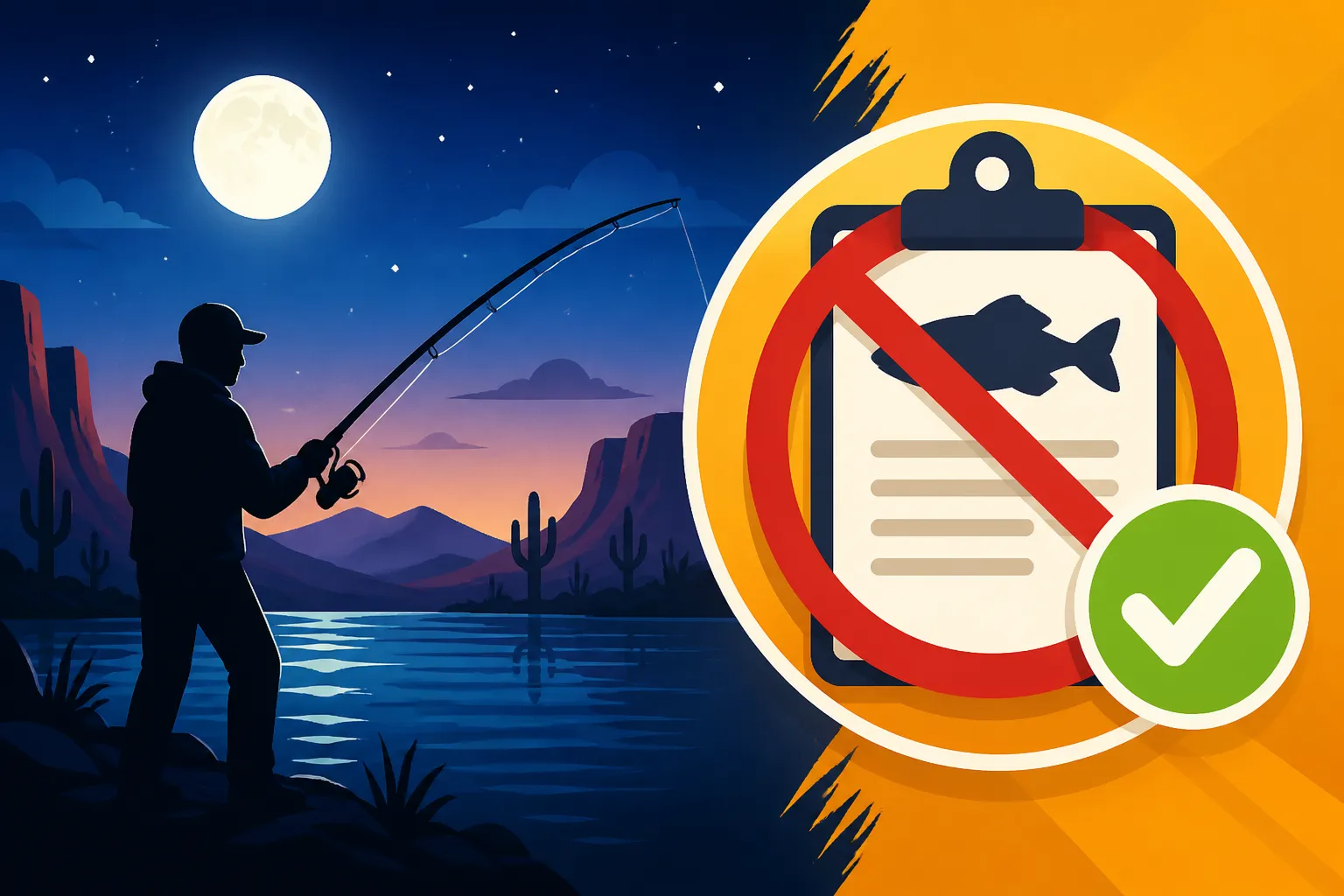
Here’s the straightforward answer to your burning question: No, you do not typically need a special permit specifically for night fishing in Arizona. If you have a valid general Arizona fishing license (and any necessary endorsements like a trout stamp for specific waters), you are generally good to go for fishing at night, just as you would be during the day. The core requirement is your standard fishing license, which serves as your all-access pass to legal angling opportunities.
This means that if you're a resident over the age of ten and you've bought your annual Arizona Fishing License Guide, you're set. The same applies to non-residents who have their appropriate license. The AZGFD focuses on the legality of fishing, not necessarily the time of day you choose to do it, as long as it's within designated open areas. However, this general rule comes with a really important caveat: while the fishing license requirement doesn't change, the accessibility of certain fishing locations after dark absolutely can. This is where many anglers get tripped up, thinking their license means they can go anywhere, anytime.
Lake-Specific Night Fishing Rules and Restrictions
While your general fishing license covers you for night fishing, not all bodies of water are open 24/7. This is the critical distinction you need to understand. Many popular fishing spots in Arizona fall under different jurisdictions, each with their own set of rules regarding public access hours.
For instance, many city-run community lakes, especially those within urban parks in Phoenix or Tucson, often have posted park hours. These parks might close at 10 PM or 11 PM, and fishing after those hours, even with a valid license, would be trespassing. This is definitely something to check for Best Urban Fishing Lakes in Arizona like Tempe Town Lake, which has specific hours and often requires a special permit from the city, in addition to your state license. It’s a common frustration to drive all the way to a spot only to find a locked gate or a "park closed" sign.
On the flip side, larger state-run reservoirs and national recreation areas are much more accommodating to night owls. Lakes like Lake Pleasant Arizona Fishing Guide or Roosevelt Lake typically allow 24-hour access, especially at developed boat ramps and some shoreline areas. However, even these larger areas can have nuances. You might need to pay a day-use or overnight camping fee at the entrance, and certain sections of the lake (like specific coves or campgrounds) might have their own quiet hours or restricted access. Tribal lands, such as those that manage San Carlos Lake Arizona Fishing Guide, will also have their own specific regulations and require separate Tribal Land Fishing Permits in Arizona in addition to your state license, and these permits may or may not allow night access, so always check in advance.
Here's a quick reference for typical night fishing access:
| Water Body Type | General Fishing License Needed? | Special Night Permit Needed? | Typical Night Access? | Key Considerations |
|---|---|---|---|---|
| Major Reservoirs | Yes (ages 10+) | No | Generally Yes | Park entry fees, specific boat ramp hours, safety. |
| State Parks | Yes (ages 10+) | No | Often Restricted | Check park hours, may require camping for overnight access. |
| Community Lakes | Yes (ages 10+) | No | Often Restricted | Check city/park hours, local ordinances. |
| Rivers/Streams | Yes (ages 10+) | No | Generally Yes | Public access points, private property restrictions. |
| Tribal Lands | Yes (ages 10+) + Tribal Permit | No | Varies by Tribe | Specific tribal permits, distinct regulations. |
Always, and I mean always, do a quick check on the specific regulations for the body of water you intend to fish. A quick search on the AZGFD website or a call to the local park office can save you a lot of hassle and ensure your night fishing trip is enjoyable and compliant.
Why Anglers Love Night Fishing in Arizona
So, with all these rules and considerations, why bother with night fishing at all? Well, for many Arizona anglers, it's not just an alternative; it's often the preferred way to fish, offering a unique and incredibly rewarding experience that the daytime just can't match.
Escaping the Arizona Heat
Let's be honest: Arizona summers are no joke. Daytime temperatures can soar well over 100 degrees Fahrenheit, making fishing uncomfortable, if not downright dangerous. Sunburn, heatstroke, and simply melting on the bank are not anyone's idea of a good time. This is where night fishing truly shines as a lifesaver. As the sun dips below the horizon, those scorching desert temperatures often drop dramatically, transforming the landscape into a much more hospitable environment.
Fishing under the stars with a cool breeze on your face is an entirely different experience than baking in the midday sun. It's more relaxing, less strenuous, and significantly more comfortable for both you and the fish! The cooler water temperatures also tend to perk up many species that become lethargic during the heat of the day. They're more active, more willing to chase bait, and generally more inclined to bite. For many, night fishing is the only way to effectively fish during the long Arizona summer, turning what would be an impossible daytime quest into a pleasant and productive adventure.
Targeting Nocturnal Species
Beyond just comfort, night fishing opens up a whole new world of angling opportunities, especially for specific fish species that are much more active after dark. Arizona's lakes and rivers are home to some fantastic nocturnal predators that truly come alive when the sun goes down.
The undisputed kings of Arizona night fishing are catfish, particularly Channel Catfish and Flathead Catfish. These whiskered bottom-dwellers use their keen sense of smell and barbels to hunt in low light, making them prime targets for anglers once dusk settles. You'll find that baits like stink baits, cut bait, or even chicken livers, which might sit untouched during the day, suddenly become irresistible at night. Flathead catfish, in particular, are ambush predators that prefer live bait and often move into shallower waters to feed under the cover of darkness, offering a thrilling challenge for those targeting trophy fish. You can learn more about specific spots in our guide on Best Catfish Fishing Spots in Arizona.
But it's not just catfish. Other species, like Striped Bass, can also go on feeding frenzies at night, especially when targeting schools of baitfish that are more vulnerable in the dark. Even Largemouth Bass, while generally daytime feeders, will capitalize on low-light conditions to ambush prey. The reduced boat traffic and human activity also contribute to a quieter environment, which can make fish less wary and more apt to strike. It's a fantastic chance to experience a different side of Arizona fishing, where patience, stealth, and specialized techniques pay off big time.
Essential Gear and Safety for Arizona Night Fishing
So, you've got your valid Arizona Fishing License Guide, checked the lake's hours, and you're ready to embrace the night. But hold your horses! Fishing in the dark requires a different set of preparations than a daytime outing. Safety and the right gear aren't just suggestions; they are absolutely vital for a successful and trouble-free experience.
Must-Have Gear for Low-Light Conditions
When the sun goes down, visibility drops to zero, and suddenly, mundane tasks like tying a knot or finding your tackle box become Herculean challenges. The first and most crucial item for any night angler is reliable lighting. A good headlamp with adjustable brightness and a red light option (to preserve night vision) is indispensable for hands-free operation. Supplement this with a lantern for ambient light around your fishing station, whether you're on the shore or in a boat. Many anglers swear by LED lanterns that offer long battery life and can be found easily on platforms like Amazon.
Beyond lighting, consider what else changes at night. Bugs, especially mosquitoes, come out in force, so a strong insect repellent is a must-have to avoid being eaten alive. Even in the height of summer, desert nights can cool down significantly, especially at higher elevations or near large bodies of water, so packing warmer layers, like a light jacket or sweatshirt, is always a smart move. Don't forget basic safety items: a well-stocked first-aid kit, a fully charged cell phone (and maybe a portable charger), and enough water and snacks. Things just feel a little more isolated and serious in the dark, so being self-sufficient is key. When stocking up on these essentials, platforms like Amazon offer a huge variety of options, from headlamps to first aid kits, making it easy to get everything you need in one go.
Navigating and Staying Safe After Dark
Safety during night fishing goes beyond just having the right gear; it also involves smart planning and situational awareness. If you're fishing from the shore, always choose a spot you're familiar with from daylight hours. Uneven terrain, unseen obstacles, and slippery banks become major hazards in the dark. Bring a friend if possible, or at least let someone know where you're going and when you expect to return. Be mindful of wildlife; nocturnal creatures are more active at night, and while most are harmless, startling one in the dark can be unnerving.
For those venturing out in a boat, safety protocols are even more critical. Ensure all your navigation lights are functioning properly. This isn't just a recommendation; it's a legal requirement and essential for preventing collisions with other boats, which can be surprisingly common even on seemingly empty lakes. Life jackets, or Personal Flotation Devices (PFDs), should be easily accessible, and kids should always be wearing them. Even for adults, wearing a PFD at night, especially in an unfamiliar area or if you're fishing alone, is a very sensible precaution. If you happen to be on a large body of water like Lake Powell Arizona Fishing Guide, navigational hazards such as submerged rock formations or shallow areas can be invisible at night, making it crucial to use a good GPS or fish finder and proceed with extreme caution. Taking the time to review Night Fishing Techniques and Safety before you head out can make all the difference.
Disclaimer
Please note that fishing regulations and park access rules can change. While this guide aims to provide accurate and up-to-date information, it is always your responsibility to verify current regulations with the Arizona Game and Fish Department (AZGFD) and any specific lake or park authorities before you embark on your fishing trip. Failure to do so may result in fines or penalties. Be safe, be responsible, and enjoy your time on the water!