Is Night Fishing Better for Catfish in Arizona?
Oh, the brutal Arizona summer sun! If you've ever tried fishing for catfish in the middle of a scorching July afternoon here, you know the struggle is real. Not only are you baking under those relentless rays, but the fish often feel the heat too, becoming lethargic and retreating to deeper, cooler water. It leaves many of us wondering if there's a better way, a more productive time, to hook into those whiskered giants. The answer, for many seasoned Arizona anglers, is a resounding yes: night fishing is often not just better, but truly transformative for catfish success in our desert state. This guide will dive deep into why targeting catfish under the stars can drastically improve your odds and how to make your nocturnal adventures both safe and incredibly rewarding.
Why Night Fishing for Catfish Makes So Much Sense in Arizona
Arizona's unique climate directly influences fish behavior, and catfish are no exception. While you can catch them during the day, the odds often stack heavily in favor of those who brave the dark. There are some very compelling reasons why the nocturnal hours become prime time for these bottom-dwellers.
Beating the Arizona Heat for You and the Fish
Let's face it, fishing in 110-degree heat isn't anyone's idea of a good time. For us anglers, the daytime sun means constant hydration, worrying about sunburn, and often feeling utterly drained by midday. But it's not just us; the fish feel it too. As the sun beats down on Arizona's lakes and rivers, water temperatures rise, especially in the shallower zones. This prompts catfish, particularly larger flatheads and channel catfish, to seek refuge in deeper, cooler thermoclines or dense cover. They become less active, conserving energy, and certainly less inclined to chase a meal.
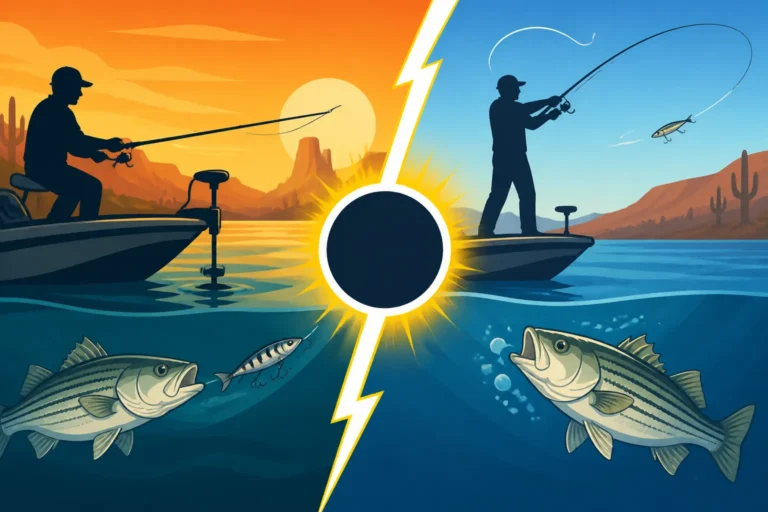
When dusk settles and the air temperature finally begins to drop, so does the surface water temperature, if only slightly. This subtle change is enough to signal to catfish that it's time to emerge from their daytime hideouts. They move into shallower feeding flats, along points, and into coves where they can more easily find prey. By fishing at night, you're not just avoiding a nasty sunburn; you're actively engaging the fish during their most comfortable and active feeding windows, making for a much more enjoyable and productive experience all around.
Catfish are Naturally Nocturnal Hunters
It's no accident that catfish become more active at night; it's simply how they're built. These fascinating fish are perfectly adapted for low-light conditions and even complete darkness. Unlike many other sport fish that rely heavily on sight to ambush prey, catfish are equipped with an incredible array of sensory tools that come alive after the sun goes down. Their most distinctive features, the barbels (those prominent whiskers), are packed with chemoreceptors, essentially highly sensitive taste buds. They use these to "taste" the water, detecting even minute traces of food from a distance.
Beyond their barbels, catfish possess an excellent sense of smell, navigating and locating food by following scent trails. Their lateral line system, a row of sensory pores running along their sides, allows them to detect vibrations and pressure changes in the water, helping them pinpoint prey movement in the darkest environments. Their relatively poor eyesight, which is a disadvantage during the day when light-dependent predators are out, becomes a non-issue at night. In fact, it's often an advantage, as their primary food sources – smaller fish, crawfish, and insects – are also more active and accessible under the cover of darkness. By fishing at night, you're tapping directly into their natural instincts and giving yourself the best chance to connect with these powerful fish.
Less Pressure, More Peace (and More Fish?)
Imagine a bustling Arizona lake on a Saturday afternoon: jet skis zooming, pontoon boats cruising, swimmers splashing, and dozens of fishing boats jockeying for position. Now imagine that same lake at 2 AM. The difference is stark, isn't it? One of the often-overlooked benefits of night fishing for catfish is the profound reduction in pressure on the fishery. With fewer boats, fewer anglers, and less general recreational activity, the lake becomes a much quieter and calmer environment.
This reduction in human presence can have a significant impact on fish behavior. Catfish, like most fish, can be sensitive to boat noise, prop wash, and the general commotion that comes with a busy day. At night, with the lake largely to themselves, they often feel more secure and venture into areas they might avoid during daylight hours. This can translate directly into more bites. For you, the angler, it means a more peaceful and solitary experience. The tranquility of fishing under a blanket of stars, with only the sounds of crickets and a gentle breeze, is an experience in itself, even if the fish aren't biting every minute. It’s a chance to truly connect with nature, often feeling like you have the entire lake to yourself – and often, you almost do.
Essential Gear and Setup for Arizona Night Catfishing
Stepping out onto an Arizona lake or river after dark for catfish requires a bit more preparation than your typical daytime trip. Visibility is obviously a major factor, but so is having the right tackle and baits to leverage the catfish's nocturnal habits. Don't worry, it's not overly complicated, but a few key pieces of gear will make your experience much safer and more successful.
Lighting the Way: Safety and Visibility
First and foremost, you need light. Trying to tie a knot, bait a hook, or navigate in complete darkness is not only frustrating but downright dangerous. A good headlamp is absolutely non-negotiable. Look for models with adjustable brightness settings and, ideally, a red light option. Red light helps preserve your natural night vision, making it easier for your eyes to adjust to the dark after using the light, and it's less likely to spook fish. Many anglers find great options on platforms like Amazon, where a quick search for "fishing headlamp with red light" will bring up plenty of choices. In addition to a headlamp, a lantern or boat light can be invaluable. If you're fishing from a boat, ensure you have all required navigation lights functioning correctly. For bank fishing, a portable LED lantern can provide ambient light around your setup, making retying rigs and organizing tackle much easier.
Beyond illuminating your workspace, consider personal safety. If you're near a road or in an area with any pedestrian or vehicle traffic, reflective clothing or a small clip-on safety light can make you more visible. Remember to bring extra batteries for all your lighting devices; there’s nothing worse than being plunged into darkness unexpectedly when the fish finally start biting. Staying visible and well-lit ensures both your safety and your ability to manage your gear effectively when that big catfish strikes. For more insights on staying safe, check out our guide on Night Fishing Techniques and Safety.
Rods, Reels, and Line for the Big Ones
Catfish, especially the larger flatheads and channel cats found in Arizona, can put up a serious fight. You'll want tackle that can handle the abuse. For rods, a medium-heavy to heavy action rod, typically 7 to 9 feet long, is ideal. This length provides good casting distance and enough backbone to muscle in a strong fish. A fast action tip will help you detect subtle bites in the dark while still having plenty of power in the lower sections.
Pair your robust rod with a durable spinning or baitcasting reel that has a smooth, reliable drag system. Capacity is important too; you'll want a reel that can hold a good amount of heavy line. Speaking of line, monofilament in the 15-30 lb test range is a popular choice for its shock absorption and knot strength. However, braided line (30-65 lb test) is gaining popularity for its incredible sensitivity and strength-to-diameter ratio, allowing for more line on the spool and better feel in the dark. A good quality fluorocarbon leader can also be beneficial, especially in clearer waters, providing abrasion resistance and lower visibility. For more details on choosing the right setup, you might find our articles on Best Rod for Catfish and Best Line for Catfish Fishing particularly helpful.
Baits and Rigs That Shine After Dark
When it comes to baits for night fishing catfish in Arizona, scent is king. Catfish rely heavily on their sense of smell to locate food, and in the dark, a strong odor trail is what will draw them in. Cut bait, such as shad, carp, or even hot dogs, is incredibly effective. The fresher and smellier, the better. Chicken livers are another classic, though notoriously messy, choice that catfish absolutely love. Prepared stink baits, dough balls, and commercially available catfish baits also have their place, offering convenience and a potent scent profile. Live baits like bluegill or sunfish (where legal, always check local regulations!) are fantastic for trophy flatheads.
For rigging, simplicity is often best, especially when you're fumbling in the dark. A Carolina rig is a staple: thread a sliding sinker (like an egg sinker or no-roll sinker) onto your main line, then tie on a barrel swivel. To the other end of the swivel, attach a fluorocarbon leader (12-24 inches) and finally a sharp, strong circle hook (sizes 4/0 to 8/0, depending on bait size and target fish). Circle hooks are excellent because they typically hook the fish in the corner of the mouth, reducing gut-hooking and making for easier release if desired. Another simple and effective rig is a basic slip-sinker rig, which is very similar to the Carolina rig but often used with heavier weights for current. Having your rigs pre-tied or using quick-change leaders can save you a lot of hassle when the bites start coming fast and furious.
| Bait Type | Best For | Key Advantage at Night | Tips for Use |
|---|---|---|---|
| Cut Bait (Shad, Carp) | Channel, Flathead Catfish | Strong Scent Trail | Use fresh, bloody pieces; size to hook |
| Chicken Livers | Channel Catfish | Irresistible Scent | Messy, use mesh bait bags to keep on hook |
| Stink Baits | Channel Catfish | Long-Lasting Scent | Many forms (dip, punch, dough); easy to use |
| Live Bait (Bluegill) | Trophy Flathead Catfish | Natural Presentation | Check regulations; hook through back/lip |
| Worms (Nightcrawlers) | Smaller Catfish, Panfish | Readily Available | Effective for all sizes, especially channel cats |
Top Tips for a Successful Arizona Night Catfishing Trip
Once you've got your gear dialed in and your mind set on a nocturnal adventure, a few strategic considerations can make all the difference between a frustrating night and a memorable one. It’s not just about showing up after dark; it’s about understanding the subtle shifts in catfish behavior and prioritizing safety when the sun goes down.
Location, Location, Location: Where to Find Them at Night
Just because catfish move shallower at night doesn't mean they're everywhere. Identifying key nighttime feeding zones is crucial. As the sun sets and water temperatures begin to cool, catfish will migrate from deep channels and holes into shallower areas to forage. Look for points that extend into the main lake, as these act as highways for fish moving between deep and shallow water. Broad, shallow flats adjacent to deeper channels are prime feeding grounds where catfish will cruise for food. Coves with submerged timber, rock piles, or weed lines also offer excellent ambush points and cover for nocturnal hunters.
Areas with current, even subtle ones, can concentrate baitfish and thus attract catfish. River sections or necks of reservoirs where current flows through are often hotspots. In many of Arizona's prominent lakes, like Lake Pleasant Arizona Fishing Guide or Roosevelt Lake Arizona Fishing Guide, these features are abundant. Pay attention to any structure that creates eddies or current breaks. Don't be afraid to move around if you're not getting bites; catfish can be very localized, and a small shift in position can make a big difference. Before you go, study a map of your chosen body of water and identify potential nighttime foraging areas close to deeper water.
Safety First: Planning Your Night Adventure
Fishing at night in Arizona, while incredibly rewarding, carries inherent risks that daytime fishing doesn't. Your safety should always be the top priority. First, always tell someone exactly where you are going and when you expect to return. This is non-negotiable. Second, bring redundant lighting sources: a primary headlamp, a backup headlamp, and a lantern if you're stationary. Ensure all have fresh batteries, and carry spares!
Water safety is paramount. If fishing from a boat, ensure all navigation lights are working, and wear a personal flotation device (PFD), especially if you're alone or unfamiliar with the water. Even bank fishing requires caution; scout your spot in daylight to identify potential hazards like steep drop-offs, slippery banks, or obstacles you might trip over in the dark. Beyond lighting, pack essential survival items: plenty of water (even at night, dehydration is a risk in Arizona), a first-aid kit, a fully charged phone, and maybe even a whistle or air horn for emergencies. The desert cools considerably at night, but temperatures can still be warm, so dress appropriately in layers. For more comprehensive safety advice, consult our article on Night Fishing Techniques and Safety.
Patience and Persistence: The Catfish Angler's Virtues
Catfishing, especially at night, often requires a good deal of patience. The bites might not be continuous, but they can come in waves. Don't get discouraged if the first hour is slow. Catfish activity can be influenced by moon phase, barometric pressure, and even subtle changes in water temperature. Be prepared to wait, watch, and listen. Often, the best bite window might only last an hour or two, but it can be incredibly productive.
Once you get a bite, resist the urge to immediately set the hook. Catfish often mouth the bait for a while before fully committing. With circle hooks, let the fish take the bait, and simply reel down until you feel pressure; the hook will set itself. With J-hooks, allow the fish to run for a few seconds before setting the hook firmly. Pay attention to your rod tips; sometimes a bite is a slow, steady bend, other times it’s a sharp thump. Keep your lines tight enough to feel bites but loose enough to allow the fish to pick up the bait naturally. Persistence, moving to different spots if one isn't producing, and having confidence in your setup will ultimately lead to success.
Common Challenges and How to Overcome Them
Night fishing for catfish in Arizona is fantastic, but it's not without its unique challenges. From pesky insects to unseen snags, being prepared for these common hurdles will make your experience much smoother and more enjoyable.
Dealing with Mosquitoes and Other Critters
The cooler temperatures and stagnant air that often accompany Arizona nights are a welcome relief for anglers, but they're also a perfect invitation for mosquitoes and other biting insects. Nothing ruins a peaceful night of fishing faster than being swarmed by hungry bugs. A good quality insect repellent is your first line of defense. Look for products containing DEET or picaridin, and apply generously.
Beyond repellent, consider wearing long sleeves and pants, even if it's warm. Lightweight, breathable fabrics designed for sun protection during the day can also offer a physical barrier against bugs at night. Some anglers even bring a small, portable fan to create airflow, which can help deter mosquitoes. Be aware that other nocturnal critters, like scorpions or snakes, might also be more active. Always be mindful of where you step and reach, especially when retrieving gear or handling fish. A solid understanding of your surroundings, scouted during daylight, will minimize unpleasant surprises.
Overcoming Visibility Issues and Snags
Darkness, while a boon for catfish activity, can be a bane for anglers. Tying knots, re-baiting, and casting accurately become much more difficult. The biggest challenge, though, is often dealing with unseen snags. Submerged timber, rocks, and debris that are easily spotted during the day become invisible hazards at night, leading to frustrating line breaks and lost tackle.
To mitigate this, first, scout your fishing spot thoroughly during daylight hours. Pay attention to any underwater structure or potential snag areas. When casting at night, try to maintain a consistent casting motion and aim for open water. Using glow sticks on your rod tips can help you monitor your lines and detect bites, and they can also help prevent you from tripping over your rods. If you're using multiple rods, space them out to prevent tangles. When you do get snagged, resist the urge to yank violently. Often, a slow, steady pull or even walking around the snag if bank fishing can free your line. Carrying extra terminal tackle (hooks, sinkers, swivels) is always a good idea, as losing a few rigs is almost inevitable when night fishing. For beginners, assembling an Essential Tackle Box Setup for Arizona Beginners can ensure you have all the necessary components for these situations.
Knowing the Rules: Night Fishing Regulations
Just like any other type of fishing, night fishing for catfish in Arizona comes with its own set of rules and considerations. It's incredibly important to always check the latest Arizona Game and Fish Department regulations before heading out. While general fishing licenses like the Arizona Fishing License Guide cover most waters, some specific lakes or areas might have unique rules regarding night access, particular species, or even bait restrictions after dark.
For example, certain community lakes might have park hours that close after dark, prohibiting fishing during those times. Some specific water bodies may have different bag and possession limits for certain species, or restrictions on the type of bait you can use. Understanding these nuances is crucial for a legal and enjoyable trip. Never assume that because a spot is open during the day, it's fair game all night. A quick check of the Arizona Game and Fish Department's official regulations or website can save you from a hefty fine or a ruined trip. Our comprehensive guide to Arizona Fishing Regulations Explained can also provide a solid foundation for understanding the rules.
Disclaimer
This article is for general informational purposes only and does not constitute professional advice. Laws, prices and regulations vary by location and change over time. Consult a qualified professional for guidance on your specific situation.