Are Community Lakes Good for Catching Bass in Arizona?
Let's be real: when you think about fishing for bass in Arizona, your mind probably jumps straight to the big, sprawling reservoirs like Lake Pleasant, Roosevelt Lake, or Lake Havasu. You picture vast expanses of water, rocky coves, and deep channels where those lunker largemouth and feisty smallmouth hide. So, it's completely understandable if you've ever wondered, "Are community lakes even worth my time for bass, or are they just for catching a few stocked trout or sunfish with the kids?" The truth is, while they present a different challenge, many of Arizona's community lakes absolutely hold bass, and knowing how to approach them can lead to some surprisingly fun and productive fishing right in your backyard. This guide is all about setting the record straight and helping you unlock the bass potential of your local urban waters.
Addressing the Myth: Are Community Lakes Just for Trout and Panfish?
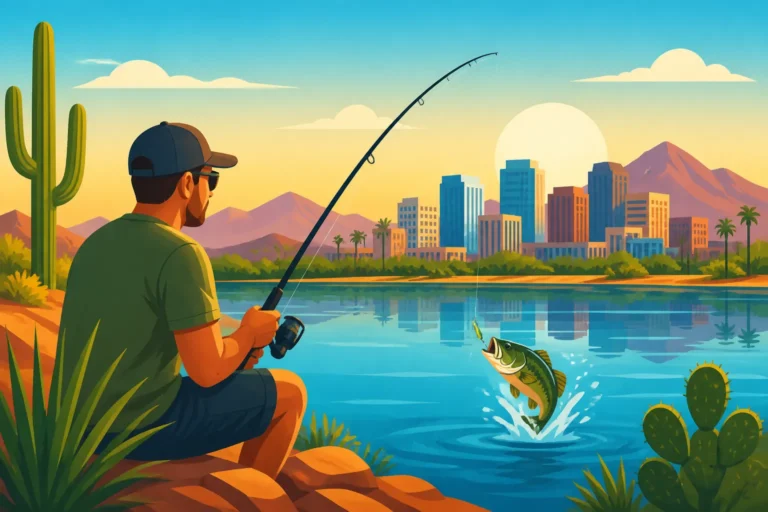
It's a common, almost ingrained perception among anglers, especially those of us in Arizona. We associate our urban lakes, the ones nestled within city parks and easily accessible, with the Arizona Game and Fish Department's (AZGFD) excellent Community Fishing Program. And what does that program largely entail? Regular stockings of rainbow trout in the cooler months and catfish when temperatures rise, alongside healthy populations of bluegill and sunfish. This setup is fantastic for families, beginners, and anyone looking for consistent action, but it often overshadows the fact that these waters frequently harbor another popular game fish: bass.
The Perception Versus Reality of Urban Fisheries
The typical angler's mental image of a community lake is a small, often uniform pond, perhaps with a fountain or two, surrounded by walking paths and picnic tables. You might think, "There's no real structure for bass here," or "It's too heavily pressured, the bass must be tiny or impossible to catch." And honestly, that's a fair assumption if you're comparing it to the wilder, less accessible waters of a major reservoir. The reality, however, is far more complex and often more rewarding.
While many urban lakes are indeed stocked with trout and catfish, they also maintain self-sustaining populations of largemouth bass. These bass aren't just remnants; they actively breed, feed, and grow in these environments. The constant influx of stocked fish actually provides an additional, readily available food source, sometimes creating a unique ecosystem where bass can thrive, even if they don't reach the same trophy sizes as their cousins in the big lakes. The key is understanding that urban bass have adapted to their specific surroundings, learning to hide in less obvious spots and becoming acutely aware of human presence.
What Makes a Community Lake Unique for Bass?
Community lakes are, by their very nature, designed for public access and recreation. This means they often have characteristics that differ greatly from natural lakes or large reservoirs. Understanding these unique traits is the first step to figuring out how to successfully target bass within them.
First off, accessibility is king. You can often walk right up to the water's edge, cast from a pier, or easily launch a small kayak or float tube. This convenience, however, comes with increased fishing pressure. These lakes are fished frequently, meaning the bass are often "educated" and can be harder to fool. They become wary of common lures and noisy approaches.
Secondly, the structure is different. Instead of vast rock ledges or submerged timber forests, you'll find more man-made features. Think about boat docks, bridge pilings, concrete culverts, rip-rap along shorelines, park benches that have fallen in, or even the aerators and fountains themselves. These can all serve as crucial ambush points and cover for bass. Water depth in community lakes is generally shallower than large reservoirs, often ranging from 8 to 20 feet in most areas, with deeper pockets near outflow structures or historical channels. This shallower depth means temperature changes can impact bass behavior more rapidly.
Lastly, many community lakes are part of the AZGFD's Community Fishing Program, which means they are managed for a diverse fishery. While trout and catfish might be the main stocking focus, the presence of these species, along with abundant panfish like bluegill and carp, creates a rich food web that bass are more than happy to exploit. When you understand these dynamics, you start to see that community lakes aren't just for panfish; they're unique bass fisheries waiting to be explored.
Why Bass Thrive (or Survive) in Arizona's Community Lakes
Despite their smaller size and urban surroundings, Arizona's community lakes offer several surprising advantages that allow bass populations to not just survive, but often thrive. It's a testament to the adaptability of these fish and the efforts of wildlife management.
The Role of Warm Water and Forage Fish
Arizona's climate is, as we all know, largely warm to hot for much of the year. This extended period of warm water is highly beneficial for largemouth bass, which are warm-water fish. They grow faster and remain active for longer stretches compared to regions with shorter summers. Even when the lakes are stocked with cold-water species like trout, the bass are generally comfortable in the ambient water temperatures for much of the year, only retreating to deeper, cooler areas during the peak of summer heat.
The abundance of forage fish is another massive boon. Community lakes often teem with bluegill, redear sunfish, and, in many cases, non-native tilapia, which are prolific breeders. These panfish provide a constant, high-protein food source for growing bass. And let's not forget the regular stockings! While trout and catfish are intended for anglers, a significant number inevitably become meals for opportunistic bass. Imagine being a bass and having a fresh delivery of plump, protein-rich trout showing up at your doorstep every few weeks! It's a natural buffet that helps bass maintain good health and grow, even if the "trophy" sizes are less frequent than in vast reservoirs. You might also find other species like carp and even smaller bass contributing to the diet. For more on the various species you might encounter, check out our comprehensive Fish Species Guide for Arizona Lakes.
Structure and Cover in Urban Environments
When we talk about structure and cover in fishing, we're referring to anything that provides bass with a place to ambush prey, hide from predators, or shelter from the sun and current. In large, natural lakes, this might be submerged timber, rock piles, or natural weed beds. In community lakes, while you might not have vast forests of submerged trees, there's still plenty of excellent bass habitat, albeit often man-made.
Think about the ubiquitous docks and piers. These offer shade, vertical structure, and often attract smaller baitfish, making them prime bass real estate. Bridges and their pilings create current breaks and deep shadows. Rip-rap, the rocky lining often used to prevent erosion along shorelines, provides countless nooks and crannies for crayfish (another favorite bass food) and baitfish, and thus, bass themselves. Even seemingly innocuous park features like submerged benches, old tires, or intentional habitat structures (like PVC bundles or sunken Christmas trees) deployed by the AZGFD or local volunteers can be bass magnets.
These structures are particularly important in shallower urban lakes, as they offer the crucial elements bass need for survival. They give bass places to ambush prey, whether it's a school of bluegill, a migrating stocked trout, or even a smaller bass that strays too close. They also provide vital shade during Arizona's intense sunny days, allowing bass to conserve energy and remain active. Locating and effectively fishing these types of cover is paramount to success in community lakes.
Strategic Bass Fishing in Community Lakes
Successfully catching bass in community lakes isn't just about showing up with a rod; it requires a thoughtful, adaptable approach. These fish are often smarter and more finicky than their counterparts in less pressured waters, making a strategic mindset all the more important.
Best Times and Conditions to Target Bass
Just like anywhere else, timing is everything when it comes to bass fishing in Arizona, and community lakes are no exception. The most consistent bite will often occur during the low-light periods of early morning and late evening, especially during the hotter months. The bass feel more secure, and the water temperatures are more comfortable. Overcast days, even in the middle of the day, can also trigger a good bite as the reduced light penetration makes bass less shy.
Seasonally, springtime is prime, especially during the spawn. Bass will move into shallower areas to create nests and protect their eggs, making them more visible and aggressive. Look for them around docks, submerged brush, and rocky shorelines. As summer heats up, they'll retreat to deeper water, seeking cooler temperatures near aerators, deep channels, or substantial cover. Early morning topwater action can still be fantastic before the sun gets too high. Fall sees them feeding heavily in preparation for winter, making them active throughout the day, often shallower. Winter fishing can be tough, but if you find deeper, warmer pockets, a slow presentation can sometimes entice a bite. For a detailed seasonal breakdown, you might find our guide on Arizona Fishing Seasons Explained helpful.
Top Baits and Lures for Community Lake Bass
Because community lake bass can be more discerning, a varied approach to baits and lures is often necessary. Forget the super-loud, flashy presentations unless you're specifically trying to draw a reaction strike from a very aggressive fish. Think finesse, natural presentations, and smaller profiles.
- Soft Plastics: These are your bread and butter. Wacky-rigged Senkos, Texas-rigged worms, small creature baits, or Ned rigs are incredibly effective. Their subtle action and natural feel can fool wary bass. Experiment with natural colors like green pumpkin, watermelon, or black and blue.
- Small Crankbaits and Jerkbaits: Choose smaller profiles that mimic the abundant bluegill or tilapia. Shallow-diving crankbaits work well around docks and rip-rap, while suspending jerkbaits can be deadly when retrieved with pauses, especially in cooler water. Brands like Rapala and Strike King offer excellent options for smaller profiles.
- Topwater Lures: During low-light conditions (dawn, dusk, overcast), small poppers, walking baits, or hollow-body frogs can be explosive, especially around any emergent vegetation or overhanging cover. The thrill of a bass blowing up on a topwater is unmatched!
- Live Bait: Where permitted, live bait can be a game-changer. Small shiners, minnows (check regulations on legality and source carefully!), or even crickets and worms for panfish can attract bass. Always check local lake rules for live bait restrictions, as some community lakes have strict prohibitions.
- Jigs: Small finesse jigs or hair jigs can be excellent when bass are deeper or lethargic, mimicking crawfish or small baitfish.
Remember, presentation is often more important than the specific lure in pressured waters. Slow retrieves, long pauses, and subtle twitches can make all the difference.
Navigating Crowds and Fishing Pressure
One of the biggest realities of fishing community lakes is the presence of other anglers. These are public parks, after all! This means the bass are constantly exposed to lures, boat traffic (from kayaks or float tubes), and noise. You'll need strategies to cope with this pressure.
- Go Early or Late: As mentioned, the low-light hours are not only better for bass activity but also often mean fewer people. Get there before the crowds, or stay after they leave.
- Find Unpressured Spots: Look for areas that are harder to reach or less obvious. A dense bush that's difficult to cast near, a small culvert tucked away, or the backside of an island where people rarely walk can hold bass. Kayaks and float tubes offer a huge advantage in reaching these spots that bank anglers can't hit.
- Be Stealthy: Avoid loud noises, bright clothing, and heavy footsteps on the bank. Cast smoothly and try to make your lure land softly. Bass hear and feel everything.
- Respect Other Anglers: This goes without saying. Keep a polite distance, don't cast over someone else's line, and be mindful of noise. We're all out there to enjoy the peace of fishing.
- Consider a Guide: If you're really struggling or new to the area, a local fishing guide can be invaluable. Services like FishingBooker can help you find experienced guides who know the specific nuances of fishing Arizona's urban and larger lakes, potentially shaving years off your learning curve.
Success Stories and Expectations for Urban Bass
So, are community lakes good for catching bass? The answer is a resounding "yes," but with a realistic understanding of what that "good" entails. It's not always about landing a state record, but rather about the consistent opportunities and the sheer joy of the catch.
What Size Bass Can You Expect?
Let's manage expectations: you're likely to encounter more smaller bass (8-14 inches) than true lunkers in most community lakes. These waters have limited space and often higher fishing pressure, which can keep average sizes down. However, don't let that deter you! Catching numerous active bass, even if they're not giants, is incredibly fun and excellent for honing your skills.
That being said, don't underestimate the potential for a genuine surprise. Most community lakes have a few "resident giants" that have evaded capture for years, growing large on the consistent diet of stocked trout and panfish. These are the fish that can make your day, and they often hold in the most overlooked or hardest-to-reach spots. There are numerous reports of bass exceeding 5-6 pounds being caught from these urban waters, proving that trophy potential, while rarer, absolutely exists. For comparison, you can read about the Arizona State Record Largemouth Bass Details to get a sense of what the absolute giants look like.
The Thrill of the Urban Catch
What community lakes excel at offering is accessibility and convenience. You don't need a massive boat, expensive gear, or hours of travel to get your line in the water. You can often squeeze in a quick fishing session before or after work, or enjoy a relaxing weekend morning with family, without the hassle of navigating crowded boat ramps or long drives.
The thrill of catching a bass, regardless of its size, is always fantastic. In a community lake, that thrill is often amplified by the fact that you're literally catching fish in your backyard. It's a testament to the resilience of nature and the effectiveness of local fisheries management. These lakes are perfect for introducing new anglers to the sport, helping kids experience the excitement of a tug on the line, or for experienced anglers to practice new techniques without the pressure of a big tournament lake. The consistent action, combined with the occasional surprise of a larger fish, makes community lake bass fishing a truly enjoyable experience.
Navigating Regulations and Community Rules
Before you even make your first cast, it's crucial to understand the rules and regulations that govern fishing in Arizona's community lakes. These waters are often managed by a combination of state wildlife agencies and local municipalities, meaning rules can vary slightly from a general statewide license.
Understanding Arizona Game and Fish Department Rules
First and foremost, you will need a valid Arizona fishing license to fish any public water, including community lakes, if you are 10 years of age or older. There are no exceptions for community lakes; the standard requirements apply. You can learn more about securing your permit in our guide on the Arizona Fishing License Guide. This license helps fund the stocking programs and conservation efforts that make these fisheries possible.
Beyond the license, standard statewide regulations regarding bag limits, tackle restrictions, and bait use typically apply unless specifically superseded by local rules. Always consult the current Arizona Game and Fish Department fishing regulations booklet, available online or at license dealers. For instance, while most artificial lures are generally fine, live bait rules can be very specific, especially regarding the use of game fish as bait or the introduction of non-native species. Our article on Arizona Fishing Regulations Explained delves deeper into these statewide rules.
Specific Lake Rules and Etiquette
Many community lakes have additional rules that are specific to that particular body of water and its surrounding park. These rules are usually posted on signage near the lake or pier, and it is your responsibility to read and abide by them. These might include:
- Special Bag Limits: While statewide limits apply, some community lakes might have different limits or slot limits for certain species to enhance the fishery.
- Bait Restrictions: Some lakes might prohibit certain types of live bait or even scented artificial baits to prevent the introduction of unwanted species or reduce water pollution.
- No Boats/Only Specific Boats: While many allow kayaks and float tubes, some smaller ponds might restrict all watercraft. Always check before launching.
- Catch and Release Zones: Occasionally, sections of a lake might be designated as catch and release only, particularly for bass, to promote a healthy population of larger fish.
- Park Hours: The park itself will have operating hours, meaning fishing might only be allowed from dawn until dusk. Night fishing might be prohibited.
- Access Points: Designated fishing areas or piers might be the only places where fishing is allowed.
Adhering to these local rules and practicing good fishing etiquette (like packing out all your trash, giving fellow anglers space, and handling fish with care) ensures that these valuable urban fisheries remain enjoyable for everyone. If you're interested in learning more about urban fishing in general, exploring topics like Community Lake Locations in Phoenix or Tempe Town Lake Arizona Fishing Guide can give you specific examples of how these rules are applied locally.
Here’s a quick comparison of community lakes versus larger reservoirs for bass fishing:
| Feature | Arizona Community Lakes (Urban) | Arizona Reservoirs (Large) |
|---|---|---|
| Average Bass Size | Primarily 8-14 inches, occasional 3-5 lbs+ | 1-3 lbs common, frequent 5-8 lbs+, trophy potential (10+ lbs) |
| Fishing Pressure | High, due to easy accessibility | Moderate to high, depending on location and popularity |
| Primary Structure | Docks, piers, rip-rap, culverts, aerators, sunken park features | Submerged timber, rock ledges, creek channels, vast points |
| Water Clarity | Variable, can be turbid due to runoff or algae | Generally clearer, especially in deeper sections |
| Forage Base | Bluegill, tilapia, stocked trout/catfish, crayfish | Shad, sunfish, crayfish, minnows, smaller bass |
| Best Fishing Times | Early morning, late evening, overcast days, post-stocking | Early morning, late evening, seasonal patterns, deeper midday |
| Gear Recommendation | Finesse setups, smaller lures, light line | Versatile, heavier gear for bigger fish, deep-water tackle |
| Accessibility | Easy shore access, small boats (kayak, float tube) | Often requires boat, some shore access, long drives |
| Overall Experience | Convenient, family-friendly, consistent action, skill-building | Challenging, potential for trophy fish, wilderness feel |
In conclusion, community lakes in Arizona are definitely good for catching bass. They offer a unique, convenient, and often rewarding fishing experience that challenges anglers to refine their techniques and appreciate the urban fishery for what it is. With the right approach and a little patience, you might just find your new favorite bass spot closer to home than you ever imagined! For those looking to explore even more Arizona fishing opportunities, or perhaps book a guided trip to one of the larger lakes, resources like FishingBooker can connect you with local experts ready to share their knowledge.
Disclaimer
The information provided in this guide is for general informational purposes only and does not constitute professional advice. Fishing regulations, stocking schedules, and lake conditions in Arizona can change frequently. Always consult the latest official Arizona Game and Fish Department regulations and local park rules before planning any fishing trip. Adherence to all applicable laws and regulations is the sole responsibility of the angler.