Trophy Catfish Threshold Weight in Arizona
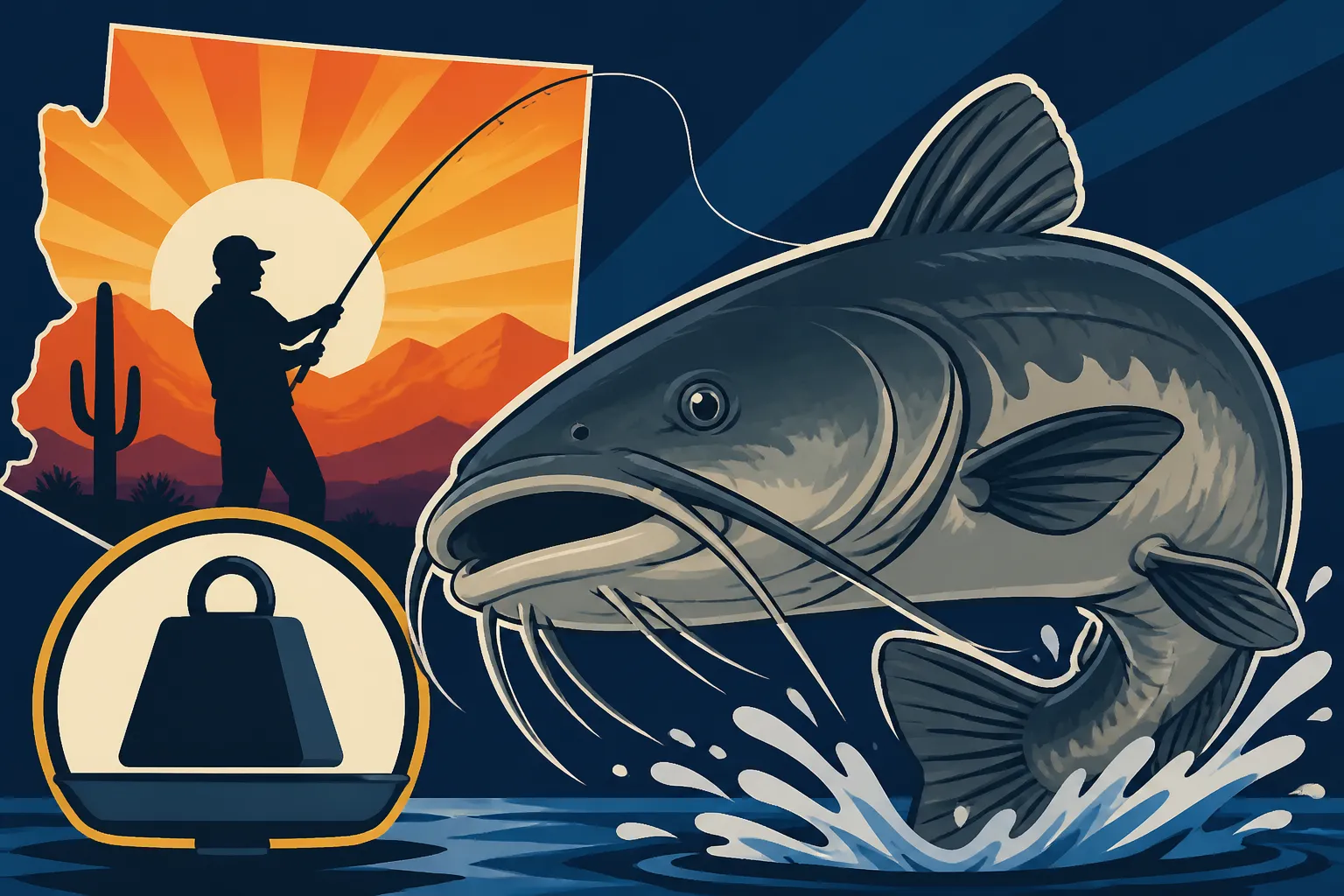
Every angler who's spent time on Arizona's lakes and rivers has felt that unmistakable tug – the one that hints at something truly special on the other end. You dream of the big one, the fish that pushes your limits and makes for an unforgettable story. But what exactly qualifies as a "trophy" catfish here in the Grand Canyon State? It's a question many of us ponder, and it's not always just about breaking a state record. This guide will dive deep into defining what makes a catfish a true trophy in Arizona, covering weights, dimensions, and the experience itself, helping you set your sights on that next monumental catch.
What Defines a Trophy Catfish in Arizona?
The idea of a "trophy" fish can be really personal, but when we talk about trophy catfish in Arizona, there are definitely some generally accepted benchmarks. It's not always about chasing the absolute biggest fish ever caught in the state, although that's certainly an admirable goal. More often, it's about catching a fish that stands out significantly from the average for its species and makes you feel like you've accomplished something truly special.
Understanding the "Trophy" Mindset
For many of us, a trophy isn't just a number on a scale; it's the culmination of effort, skill, and a little bit of luck. Maybe you spent countless hours scouting Best Catfish Fishing Spots in Arizona, trying different baits, and honing your technique. When that big fish finally hits, whether it's a monster flathead or an unusually large channel cat, the reward feels immense. This personal satisfaction is a huge part of the trophy mindset, going beyond official records to include memorable catches that represent a personal best or a particularly challenging fight.
Consider the angler who fishes a specific community lake consistently. While the state record for a channel catfish might be well over 30 pounds, catching a 10-pound channel cat from their local pond might feel like a monumental achievement if the average size there is only two or three pounds. It's about context, and celebrating those moments that push your own boundaries or exceed your expectations for a given body of water.
This subjective aspect means that what I consider a trophy, you might consider just a good fish, and vice versa. However, there are still some generally agreed-upon sizes that, regardless of where you catch them, would make most Arizona anglers nod in appreciation. It’s about recognizing the exceptional specimens that represent the top tier of their species within our unique desert fisheries.
Official vs. Unofficial Thresholds
When discussing trophy fish, it's helpful to distinguish between official state records and the unofficial, but widely recognized, "trophy" sizes among anglers. Official records are, of course, the absolute pinnacle, verified by the Arizona Game and Fish Department (AZGFD) and representing the largest fish of each species ever legally caught in the state. These are documented achievements, often requiring specific weighing procedures and witness verification. You can always check the Arizona State Fishing Records Explained for specific benchmarks.
Unofficially, however, anglers often have their own ideas of what constitutes a "trophy." These thresholds are built on years of experience, common catches, and local lore. For instance, while a 70-pound flathead is an incredible state record, a 40-pound flathead is still considered an absolute giant by any measure and a true trophy for almost any angler who lands one. These unofficial thresholds tend to be more attainable than state records but still represent fish that are significantly larger than average.
These unofficial benchmarks often become the goals we set for ourselves, pushing us to explore new waters or refine our techniques. It’s the kind of fish that warrants a picture on the wall, a replica mount, or at the very least, a fantastic story around the campfire. It bridges the gap between the statistically improbable state record and the everyday catch, giving us something truly substantial to strive for.
Species-Specific Trophy Weights
Arizona is home to several catfish species, each with its own size potential and, consequently, its own "trophy" weight considerations. The two most prominent are the Channel Catfish and the Flathead Catfish. Blue Catfish are also present in some waters, though less common.
Let's break down what might be considered a trophy for each:
-
Channel Catfish: These are the most widespread and commonly caught catfish in Arizona, found in almost every lake, river, and urban pond. An average channel cat in many community fishing lakes might be 1-3 pounds. A truly respectable channel cat often starts around 5-8 pounds. For a trophy channel catfish in Arizona, most anglers would agree that a fish 15 pounds or heavier is a significant catch. Anything over 20 pounds is truly exceptional, especially when considering the state record is in the upper 30s. Landing a 15-pound channel cat requires a bit of skill and a lot of patience, often targeting deeper, cooler waters or using larger baits.
-
Flathead Catfish: These are the giants of Arizona's catfish world. They are known for their immense size and incredible fighting power. Unlike channel cats, flatheads primarily eat live bait and can grow to astonishing proportions, especially in big river systems like the Colorado River. An average flathead might be 10-20 pounds in good habitat. A trophy flathead catfish is generally considered to be 40 pounds or more. Many dedicated flathead anglers aim for the 50-pound mark, and anything beyond that approaches legendary status. Catching a flathead in this range is a monumental angling achievement that often involves heavy gear, specific locations, and often, Catfish Night Fishing Techniques.
-
Blue Catfish: While less common than channels or flatheads, blue catfish are found in some Arizona waters, most notably Lake Pleasant. They also have the potential for substantial size, though generally not reaching the same extreme weights as flatheads. For a trophy blue catfish in Arizona, a fish 20 pounds or more would be considered an excellent catch, with anything pushing 30-40 pounds being truly remarkable. Anglers targeting these often use similar heavy tackle and bait strategies as for large channel cats, but in specific known locations.
Here's a quick reference table for these general trophy weight thresholds:
| Catfish Species | Average Catch (lbs) | Unofficial Trophy Threshold (lbs) |
|---|---|---|
| Channel Catfish | 1-5 | 15+ |
| Flathead Catfish | 10-25 | 40+ |
| Blue Catfish | 5-15 | 20+ |
Remember, these are general guidelines. The true "trophy" is in the eye of the angler and the story behind the catch.
Beyond Just Weight: Other Trophy Considerations
While weight is often the first thing people think of when they hear "trophy fish," it's certainly not the only factor. There are other aspects that contribute to a fish being considered a true trophy, especially for those of us who practice catch and release or simply appreciate the overall quality of the fish.
Length as a Key Indicator
For many species, length is just as important, if not more so, than weight, especially in conservation-minded angling. A long, slender fish might not break weight records, but its sheer size from head to tail can be incredibly impressive. This is particularly true for fish like channel catfish, which can vary quite a bit in girth. A 35-inch channel cat, even if it's not super fat, is still a very long fish and indicates significant age and growth.
For flatheads, which naturally have a more robust build, length goes hand-in-hand with weight. A 40-pound flathead will almost certainly be well over 40 inches, often stretching beyond 50 inches. Measuring the length of your catch, either with a bump board or a flexible tape, provides an objective measurement that stands the test of time, even if you don't have a certified scale handy. It's a great way to document a catch, particularly if you're planning a replica mount, which often relies more on length and girth measurements than actual weight. Many dedicated trophy hunters carry soft tape measures or a measuring stick specifically for this purpose.
Knowing the length of your fish also helps immensely if you're trying to estimate its weight for your personal records, or to compare it to others you've caught. There are many length-to-weight estimation charts available online, and while not perfectly accurate, they give a good idea. Plus, a long fish just looks impressive in photos, really showcasing its dominance.
Condition and Health
A true trophy isn't just big; it's also a prime specimen in terms of its condition and health. Imagine reeling in a massive flathead, only to find it's scarred, thin, or looks unhealthy. While still a big fish, it might not evoke the same sense of awe as a perfectly proportioned, vibrant, and incredibly healthy specimen. A healthy trophy catfish will often have:
- Good Girth: It will be robust and well-fed, not skinny or emaciated. This indicates it's thriving in its environment.
- Intact Fins: Healthy, undamaged fins show that the fish is strong and has been able to navigate its habitat successfully.
- Vibrant Coloring: While catfish colors vary, a healthy fish typically has strong, clear coloration, indicating good water quality and overall vigor.
- Strong Fight: A healthy big fish will put up an incredible battle, which is a trophy in itself! How to Fight a Big Flathead Catfish is a skill you'll want to master for these giants.
A fish in prime condition speaks volumes about the health of the fishery and its ability to support large, thriving predators. Landing such a fish is not just a testament to your angling skills but also to the rich aquatic ecosystem of Arizona. It's about respecting the creature and the environment it came from, celebrating a perfect example of its species. When you catch a truly healthy fish, it just feels more like a trophy.
The Fight and the Story
Sometimes, the most memorable "trophy" isn't the biggest fish, but the one that gave you the most incredible fight or came with the wildest story. We've all had those battles – the fish that took you into submerged timber, stripped line off your reel, or made your arms ache for days. That sheer challenge and adrenaline rush can make a 25-pound flathead feel like a 50-pounder.
Think about the time your fishing partner hooked into a monster, only for the rod to slip from their grasp, forcing you to heroically dive to retrieve it before passing it back for the ultimate battle. Or the time you were fishing Best Fishing Spots Near Phoenix, Arizona at a community lake, completely unprepared, and hooked into a channel cat that bent your ultralight rod double and nearly spooled you before you managed to land it with a crowd of onlookers cheering. These kinds of experiences forge lasting memories and make the fish a "trophy" in your mind, regardless of its exact weight or length.
The narrative surrounding the catch, the effort it took, the obstacles overcome, and the shared excitement with friends or family, often elevates a fish to trophy status far more than mere statistics. These are the fish we talk about for years, the ones that ignite the passion and keep us coming back for more. So, while you're chasing those weight thresholds, don't forget to savor the struggle and embrace the adventure.
Where to Find Arizona's Trophy Catfish
Arizona offers some incredible opportunities for trophy catfish, but knowing where to look is half the battle. Our desert waters, from vast reservoirs to flowing rivers, hold different species with varying size potentials. Targeting specific locations with the right approach can significantly increase your chances of landing that fish of a lifetime.
Prime Waters for Channel Catfish
Channel catfish are adaptable and widely distributed, making them accessible to many anglers. For trophy-sized channel cats, however, you often need to look beyond the smallest community ponds (though even those can surprise you!).
- Larger Reservoirs: Lakes like Lake Pleasant, Roosevelt Lake, and Bartlett Lake are excellent choices. These vast bodies of water have abundant forage (like shad) and deep, cool areas where channel cats can grow large and old. Targeting them in these lakes often involves fishing deeper humps, points, and old river channels, especially during warmer months when they seek cooler water. Using cut bait, prepared stink baits, or even large live bluegill can entice the bigger fish. Remember to check out a guide like Roosevelt Lake Arizona Fishing Guide or Lake Pleasant Arizona Fishing Guide for specific tips.
- The Colorado River: Sections of the Colorado River, particularly below dams, can hold truly massive channel catfish. The consistent flow and rich food sources allow these fish to reach impressive sizes. Look for deeper holes, eddy lines, and areas with submerged structure.
- Urban Fishing Program Lakes (with caveats): While many urban lakes are stocked with smaller channel cats for high catch rates, some older, larger urban lakes, especially those that aren't heavily harvested, can hold surprisingly big channel catfish. These often require more patience and perhaps fishing during off-peak hours, like late at night. They've learned to be wary, so a stealthier approach with natural baits can be key.
Flathead Hotspots
If you're serious about trophy flathead catfish, you need to focus on Arizona's major river systems and large, fertile reservoirs. These fish prefer current and significant structure.
- The Colorado River (especially lower sections): This is arguably the premier destination for trophy flatheads in Arizona. From Lake Havasu south, the river offers immense opportunities. Look for deep holes, rock piles, submerged logs, and significant current breaks. The sheer volume of water and abundant forage make it ideal for flatheads to reach truly monstrous sizes. Dedicated anglers here use heavy gear and fresh live bait like bluegill, carp, or even tilapia. You'll definitely want to read up on the Colorado River Fishing Guide in Arizona.
- The Lower Salt River: This section of the river, particularly where it meanders and offers deep pools and significant snags, is another prime location for big flatheads. It's often more accessible than some remote Colorado River sections but still requires careful navigation and robust tackle.
- Alamo Lake: Known for its fantastic bass fishing, Alamo Lake also holds a substantial population of trophy flatheads. The lake's abundant brush and timber create ideal ambush points for these predatory catfish. Anglers often fish the flooded timber areas with stout gear and live sunfish.
- Roosevelt Lake and Apache Lake: These lakes, part of the Salt River chain, also produce impressive flatheads, especially in their upper riverine sections where current and natural structure are more prevalent. Targeting deep bends and submerged timber is a common strategy here.
Targeting Bigger Fish: Techniques and Strategy Implications
Catching trophy catfish isn't just about luck; it's about strategy. Big fish are smart fish, and they require different tactics than their smaller counterparts.
- Bait Selection: For trophy channel cats, don't be afraid to go big with your bait. Large chunks of cut shad, carp, or even hot dogs can entice larger fish while deterring smaller ones. For flatheads, live bait is almost essential. The fresher and livelier the baitfish, the better. Bluegill, carp, or even large shiners are often preferred. Check out Best Bait for Catfish in Arizona for more ideas.
- Heavy Tackle: Trophy catfish demand robust gear. Do You Need Heavy Line for Flathead Catfish? Absolutely. You'll need stout rods, reels with excellent drag systems, and heavy-duty line (often 30-80 pound test braided or monofilament) to handle the immense power of these fish, especially when fishing near snags.
- Patience and Persistence: Big fish don't get big by being easy to catch. You might spend hours or even entire nights without a bite, but that one massive strike makes it all worthwhile. Night fishing is particularly effective for flatheads, as they become more active predators under the cover of darkness. Catfish Night Fishing Techniques can greatly improve your odds.
- Structure Fishing: Both channel and flathead catfish relate to structure, but big flatheads live in it. Look for deep holes, rock piles, submerged timber, drop-offs, and current breaks. These areas provide ambush points and cover, making them prime locations for trophy cats.
- Stealth and Presentation: While catfish aren't known for being easily spooked, a careful and natural presentation of your bait can make a difference, especially for wary, mature fish. Ensure your bait is presented effectively near known holding areas.
Gearing Up for Your Trophy Catfish Quest
Landing a trophy catfish in Arizona demands respect, and that respect starts with your gear. You wouldn't bring a butter knife to a sword fight, and you shouldn't bring ultralight tackle to chase a 50-pound flathead. The right equipment not only increases your chances of success but also ensures you can handle the fish safely once you've landed it.
Rods, Reels, and Line for Big Cats
When you're targeting fish that can easily weigh more than your toddler, compromise on tackle isn't an option. You need gear that's built for war.
- Rods: Look for heavy or medium-heavy power rods, typically 7 to 10 feet in length. Longer rods offer better casting distance for reaching distant holes and provide more leverage to steer a powerful fish away from snags. A fast or moderate-fast action will give you the backbone to set the hook firmly into a catfish's tough mouth while still offering enough tip sensitivity to detect subtle bites. For serious flathead fishing, a dedicated "catfish rod" is often your best bet. You can find excellent options for Best Rod for Catfish on platforms like Amazon, often from reputable brands known for their durability.
- Reels: A sturdy baitcasting reel is preferred for trophy catfish, especially flatheads. Choose a model with a robust gear system, a high line capacity, and most importantly, a powerful, smooth drag. The drag is your best friend when a big cat decides to make a run. Spinning reels can work for larger channel cats, but for true monster flatheads, a conventional baitcaster provides superior cranking power and control. Ensure your reel is rated for heavy line and can handle the stress of prolonged battles.
- Line: This is not the place for light monofilament. Heavy braided line, ranging from 50 to 80 pounds test, is often the go-to for trophy catfishing. Its no-stretch properties provide incredible sensitivity, allow for powerful hooksets, and its abrasion resistance is crucial when fishing around rocks and submerged timber. Many anglers will use a 2-3 foot leader of heavy monofilament or fluorocarbon (30-60lb test) attached to their braid, especially if fishing in clear water or if they prefer the added stretch for shock absorption. This also helps when you need to cut a snagged rig without losing a lot of expensive braid. Understanding Best Line for Catfish Fishing is key.
Essential Tackle and Bait
Once your rod, reel, and line are sorted, it's time to fill your tackle box with the essentials for tempting and landing those big Arizona cats.
- Hooks: Circle hooks are highly recommended for catfishing, especially when using natural baits, as they significantly reduce gut-hooking, promoting healthy catch and release. Sizes can range from 5/0 to 10/0, depending on the bait size and target species. For flatheads, you'll want heavy-duty, strong hooks that won't straighten under pressure. Treble hooks are generally avoided due to their potential to harm fish and the difficulty of removal.
- Sinkers: You'll need heavy sinkers to keep your bait on the bottom, especially in current. Flat, no-roll sinkers or pyramid sinkers, ranging from 1 to 8 ounces or even heavier, are common. The weight depends on the current and depth you're fishing. A slip-sinker rig (Carolina rig style) is very popular, allowing the fish to pick up the bait without feeling the weight of the sinker immediately.
- Swivels: Heavy-duty barrel swivels or ball-bearing swivels (rated for at least 50-100 lbs) are crucial to prevent line twist, especially when using cut bait or fishing in current. They also act as a stop for your slip sinker.
- Bait: As mentioned, fresh, live bait is king for flatheads (bluegill, carp, or large minnows). For channel cats, cut bait (shad, carp, mackerel), stink baits, shrimp, or even hot dogs can be highly effective. The key is freshness and ensuring your bait is large enough to entice a trophy-sized fish. Exploring options for Best Bait for Catfish in Arizona is always a good idea.
- Accessories: Don't forget a sturdy headlamp or lantern for Night Fishing Techniques and Safety, a sharp knife for cutting bait, pliers for hook removal, and a robust pair of fish grippers or heavy-duty gloves for safely handling toothy or spiny catfish.
Measuring and Weighing Your Catch Safely
Catching a trophy catfish is exciting, but documenting it and ensuring the fish's well-being are equally important.
- Measuring Tools: A soft tape measure or a rigid bump board is essential for accurately measuring length. For girth, a flexible cloth tape measure is ideal. Taking these measurements quickly and carefully allows you to estimate weight later or order a replica mount without keeping the fish out of water for too long.
- Scales: If you plan to weigh your fish, a reliable digital scale is a must. For potential state records, the scale must be certified. For personal trophies, a good quality digital scale with a high weight capacity (100 lbs or more) is sufficient. Make sure it has a large, easy-to-read display and a sturdy hook. Many excellent, affordable fish scales are available on Amazon. When weighing, use a sling or a robust weigh bag to support the fish evenly, minimizing stress on its internal organs. Avoid weighing a large fish by just its jaw or gills, as this can cause serious injury.
- Photography: Get those trophy shots! A wide-angle lens can help make your fish look even bigger. Take photos quickly, keep the fish wet, and support its full body when holding it, especially if it's a heavy one. A quick photo session, a few measurements, and a safe release are the goals for any responsible trophy angler.
- Release Practices: For catch-and-release, minimizing stress on the fish is paramount. Have your camera and measuring tools ready before you even land the fish. Unhook it quickly, preferably while it's still in the water or over a wet mat. If it's a large fish, cradle it horizontally and support its entire body. Allow it time to recover in the water before releasing it, ensuring it swims away strong. A large rubberized landing net can aid in safe handling and keeping the fish contained during unhooking and measuring.
Landing a trophy catfish in Arizona is a deeply rewarding experience. By understanding what defines a trophy, where to find them, and how to gear up properly, you'll be well on your way to chasing your own personal best and making memories that last a lifetime.
Disclaimer
This article is for general informational purposes only and does not constitute professional advice. Laws, prices and regulations vary by location and change over time. Consult a qualified professional for guidance on your specific situation.