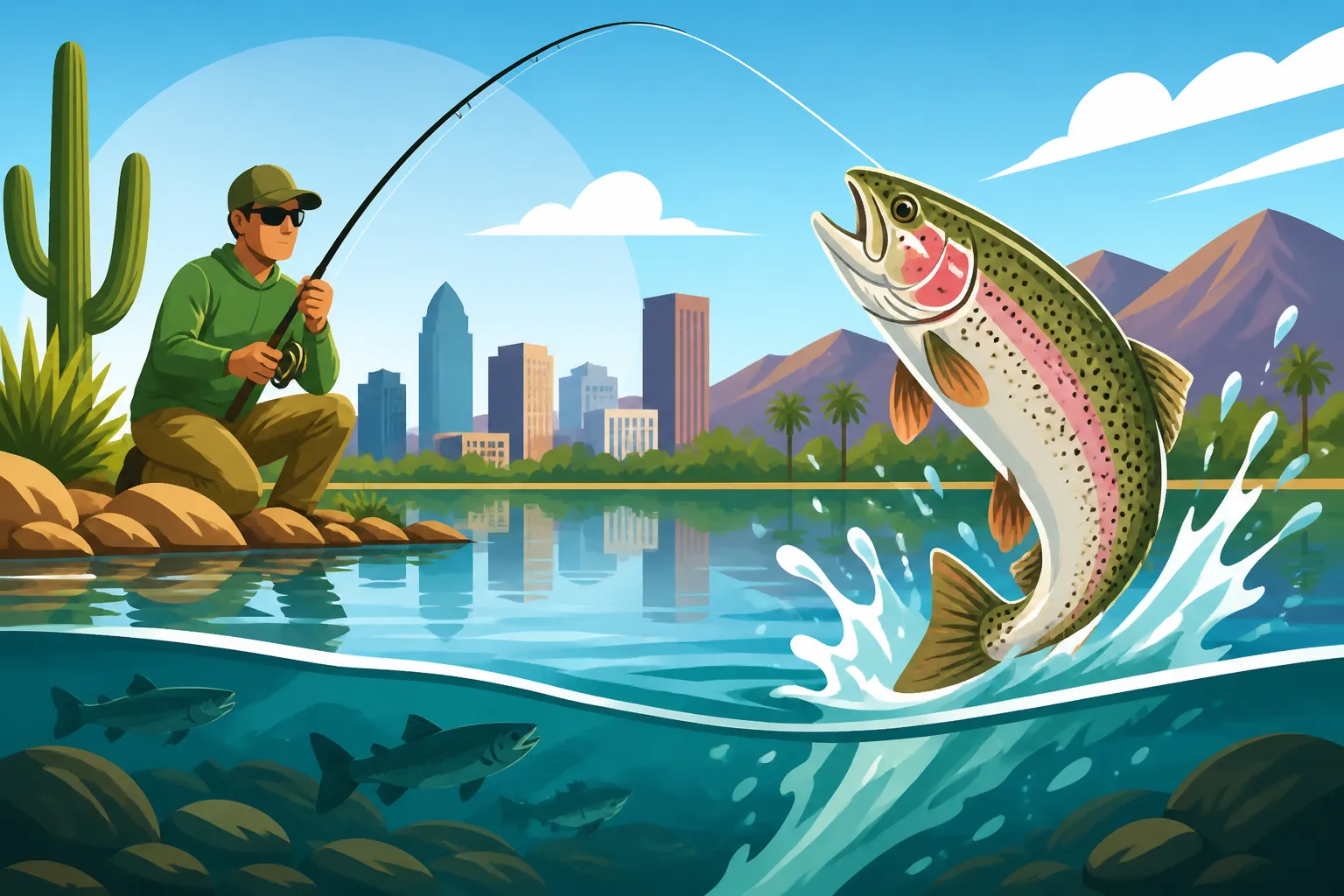
How to Catch Trout at a Stocked Urban Lake
There’s nothing quite like the excitement of a fresh trout stocking at your local urban lake in Arizona. One day, it’s mostly bass and sunfish, and the next, there are lively rainbow trout finning through the water, ready to bite! But let’s be real, even with thousands of trout just released, it can sometimes feel like they’ve developed a sudden case of lockjaw. Many anglers, myself included, have stood there, line in the water, watching others pull out fish after fish, wondering what secret they’re privy to. This guide is all about demystifying trout fishing in Arizona’s stocked urban lakes, giving you the practical tips and tricks you need to turn those curious nibbles into actual fish in your net.
Understanding Arizona's Urban Trout Program
Fishing in Arizona’s urban lakes is a unique experience, especially when it comes to trout. Unlike wild trout streams where fish are born and raised, the trout you’re targeting in these community ponds are typically farm-raised rainbow trout, brought in specifically for recreational angling. The Arizona Game and Fish Department (AZGFD) manages an excellent program that ensures these lakes are regularly stocked, providing fantastic opportunities for anglers of all ages and skill levels.
Why Urban Lakes are Stocked with Trout
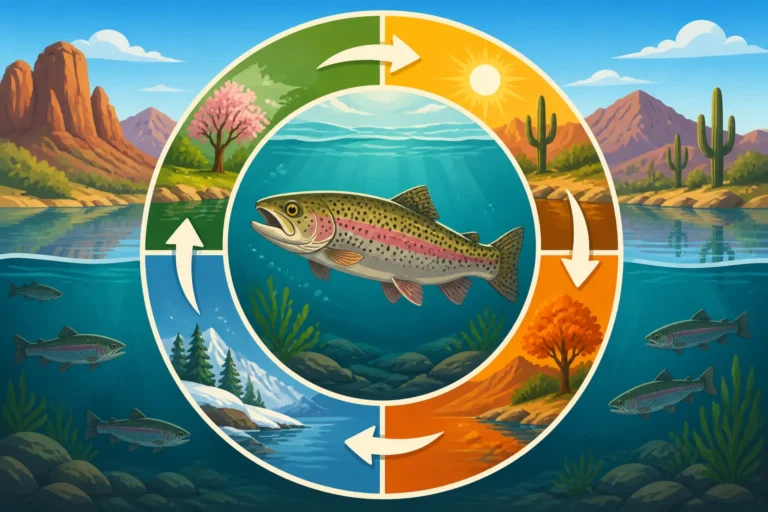
The primary reason for stocking urban lakes with trout is to create immediate, accessible fishing opportunities for city dwellers. Arizona's climate means that many of our lower elevation lakes get too warm in the summer for trout to survive long-term. So, the AZGFD runs a "put-and-take" fishery program, mainly during the cooler months from late fall through early spring. This means the fish are stocked to be caught, rather than to establish a self-sustaining population.
This approach brings a lot of benefits. For starters, it introduces countless people, especially kids, to the joy of fishing without requiring a long drive to a remote mountain lake. The urban lakes are usually well-maintained, offer easy access, and often have amenities like restrooms, playgrounds, and paved paths, making them perfect for a family outing. Understanding that these fish are essentially "fresh out of the truck" can actually inform your fishing strategy, as they behave a little differently than wild fish might. For a deeper dive into these seasonal variations, check out our guide on Trout Stocking Season in Arizona.
When and Where to Find Stocked Trout
The AZGFD generally begins its trout stocking schedule in October or November, continuing through March or April, depending on water temperatures. You’ll find these stockings happening across dozens of community lakes in cities like Phoenix, Tucson, Mesa, Glendale, Chandler, and more. A quick check of the AZGFD’s online stocking schedule is your best friend here, as they often announce specific dates and locations. They do their best to spread the love, so you’ll likely find a stocked lake near you during the cooler season.
It's important to differentiate between urban community lakes and some of the higher elevation lakes, which may have year-round trout populations. This guide focuses specifically on the former, where the trout are transient residents. Knowing the stocking schedule can significantly increase your chances of success, as newly stocked fish are often the most active. Our comprehensive article on Urban Lake Trout Season in Arizona offers a detailed look at the best times to hit the water. It’s worth noting that even on Arizona's Free Fishing Day, which allows fishing without a license, all other regulations, including bag limits, still apply to these stocked trout.
Essential Gear for Urban Trout Fishing
You don't need a boatload of expensive, specialized gear to catch trout at urban lakes. In fact, keeping it simple is often the best approach, especially for beginners. The key is to have tackle that's light enough to make those eager trout bites feel exciting, but sturdy enough to handle a feisty rainbow.
Choosing the Right Rod and Reel Setup
For urban lake trout, a light or ultralight spinning rod and reel combo is ideal. This setup is sensitive enough to detect subtle bites from trout, which can sometimes be very delicate, and it makes fighting even a modest 10-12 inch trout a thrill.
- Rod: Look for a spinning rod that's anywhere from 5 to 6.5 feet long with a light or ultralight power rating and a fast or moderate-fast action. This combination provides enough backbone to cast light baits and lures, yet enough flexibility to absorb the head shakes of a fighting trout without ripping the hook out of its soft mouth. You can often find decent entry-level rods on platforms like Amazon that are perfect for this type of fishing.
- Reel: Pair your rod with a small spinning reel, typically in the 1000 to 2500 size range. These reels are lightweight and designed to handle light fishing lines, which is crucial for finicky trout. A smooth drag system is also a must, as it prevents your line from snapping when a trout makes a sudden run. For excellent recommendations, consider reviewing our guide on Best Rod and Reel Combo for Bass as many general-purpose combos can cross over effectively for trout fishing, or specifically check out Best Reel Size for Trout Fishing.
- Line: Spool your reel with 4-6 pound test monofilament or fluorocarbon line. Monofilament is a great all-around choice due to its stretch and knot strength, while fluorocarbon is nearly invisible underwater, which can be an advantage in clear urban lakes, and it offers more sensitivity. Avoid anything heavier, as trout can be line-shy, especially in heavily pressured urban environments. For more on line selection, our article on Best Line for Trout Fishing provides excellent insights.
Baits, Lures, and Terminal Tackle
This is where the real fun begins! Stocked trout are often conditioned to eat pellet food from the hatchery, which means they're usually not too picky initially. However, after a few days in the lake, they can become more selective.
- Prepared Baits: The most popular and often most effective baits are those that mimic their hatchery food or have a strong scent. Brands like PowerBait (in various forms like nuggets, dough, or worms) are go-to choices. Bright colors like chartreuse, orange, and rainbow are often irresistible. You can also use corn, small marshmallows, or even pieces of hot dog. These are easily found at any local tackle shop or online retailers.
- Live Baits: Small live baits like mealworms, waxworms, or even tiny red worms can be incredibly effective. Thread them onto a small hook and fish them under a bobber or on the bottom. Remember that some lakes have rules about live bait, so always double-check local regulations.
- Lures: For active trout, small spinners (like Mepps or Rooster Tail), tiny spoons (like Kastmasters or Super Dupers), and micro jigs can produce explosive strikes. These lures mimic small baitfish or aquatic insects, triggering a trout's predatory instincts. When stocking up, consider checking out what’s available on Amazon for a wide selection of these effective lures. Our guide on Best Lures for a Trout Tackle Box will give you a comprehensive list of what to bring.
- Terminal Tackle: You'll need an assortment of small hooks (size 10-14, sometimes even smaller), split shot weights, and bobbers. A simple #10 or #12 treble hook with PowerBait molded around it is a classic setup. For live bait, a single baitholder hook works wonderfully. Don’t forget a small pair of pliers or forceps for hook removal and a stringer or cooler to keep your catch fresh.
Proven Techniques for Stocked Trout Success
Once you have your gear ready, it’s time to talk tactics. The beauty of urban lake trout fishing is its simplicity, but a few key techniques can make a world of difference.
Bottom Fishing with PowerBait
This is perhaps the most popular and effective method for newly stocked trout, especially when they're still disoriented or looking for an easy meal. The idea is to present your bait right on the lake bottom, where trout often cruise.
To set up, tie a small hook (size 10-14 treble or single) to your main line. About 12-18 inches above the hook, pinch on a small split shot weight or an egg sinker. The weight should be just enough to hold your bait on the bottom. Mold a small ball of PowerBait dough around your hook, making sure the hook point is completely covered. You want the PowerBait to float, lifting your hook off the bottom and making it visible to cruising trout. Cast out, let it sink, and keep a watchful eye on your rod tip for a subtle bend or twitch. Sometimes, trout will just mouth the bait, so a quick, gentle set of the hook is often all it takes. This method is incredibly relaxing and effective for patient anglers. For more on general bottom fishing tactics, you might find our guide on Bottom Fishing Techniques for Catfish helpful for understanding the principles, even though the target species is different.
Fishing Under a Bobber
Fishing with a bobber is another fantastic and visually engaging method, especially when trout are suspended at certain depths or cruising near the surface. It’s also incredibly popular for kids, as watching a bobber dip is half the fun!
Attach a bobber to your line at a depth where you believe the fish are holding—often 2-4 feet deep, but sometimes deeper or shallower depending on the day and water temperature. Below the bobber, tie on a small hook and use a mealworm, waxworm, or even a small piece of PowerBait. Add a split shot or two just above your hook to get the bait down. Cast your rig out and let the current or wind drift it naturally. When the bobber dips, twitches, or disappears, that’s your cue to set the hook! This technique allows for easy adjustments to depth and covers a lot of water if there’s a gentle breeze. Keep an eye out for our article on How to Catch Trout at a Stocked Urban Lake for more precise depth recommendations tailored to different lake conditions.
Active Lure Presentation
When trout are feeling more aggressive or have been in the lake for a few days, they might respond better to actively retrieved lures. This technique requires a bit more engagement but can lead to some exhilarating strikes.
Small inline spinners are fantastic for this. Cast your spinner out and retrieve it at a steady pace, just fast enough to make the blade spin. Vary your retrieve speed and depth until you find what the fish prefer. Spoons are another excellent option; cast them out and let them flutter to the bottom before reeling them in with a jerking motion (lift-fall, lift-fall). This erratic action mimics an injured baitfish, which trout can't resist. Work these lures along shorelines, around any visible structure, or where you see other anglers having success. Don’t be afraid to experiment with different colors and sizes; sometimes a subtle change can make all the difference. For more dynamic approaches, our guide on Fly Fishing Techniques for Trout can inspire new ways to present lures, even with spinning gear.
Maximizing Your Catch and Enjoying the Experience
Catching trout at an urban lake is more than just about the gear and techniques; it’s about understanding the environment and being a good steward of the resource. A little extra preparation and awareness can significantly improve your day on the water.
Timing Your Visit for Best Results
Timing is truly everything when it comes to stocked urban trout. The period immediately following a stocking event is often the most productive. The fish are new to the environment, sometimes still a bit disoriented, and haven't yet been pressured by anglers. Check the AZGFD stocking schedule regularly and try to be there within a day or two of the release.
Another critical factor is the time of day. While trout can bite throughout the day, early mornings and late afternoons/evenings are often the most productive. During these cooler periods, trout are generally more active and willing to feed. In the middle of a sunny day, they might retreat to deeper, cooler water or seek shade under structure. If you're wondering about the best times for other species in similar conditions, our post on Best Time of Day to Fish for Bass in Winter gives insights into how fish react to temperature changes, which is relevant for trout too.
Respecting the Fish and Fellow Anglers
Urban lakes are popular, and you'll often find yourself fishing alongside many other people. Practicing good angling etiquette is vital for everyone's enjoyment.
- Give Space: Try to give other anglers ample space. There's usually enough shoreline for everyone. Avoid casting directly over someone else's lines.
- Handle Fish Carefully: If you plan to release fish, handle them gently. Wet your hands before touching them to protect their protective slime coat. Remove hooks quickly and, if necessary, cut the line if the hook is deeply swallowed. While most urban trout are destined for the dinner table, proper handling ensures their survival if released.
- Pack It In, Pack It Out: Always take all your trash with you, including discarded fishing line and bait containers. Keep the urban lakes clean for everyone to enjoy. A clean environment ensures a better experience for future anglers and healthier fish.
- Know the Regulations: Always be aware of the specific Arizona Fishing Regulations Explained for the lake you’re visiting, especially regarding bag limits and special rules. The AZGFD provides a regulations booklet that’s easy to access and understand.
Overcoming Common Challenges
Even with the best intentions and gear, you might face some challenges. Urban trout can become "wise" quickly, especially in lakes with heavy fishing pressure.
- Line Shy Fish: If fish aren't biting, try reducing your line test even further (e.g., 2-pound test) or switching to fluorocarbon leaders. Sometimes, the slightest visibility of the line can deter them.
- Bait Aversion: If PowerBait isn't working, switch to live bait like worms, or try small lures. The key is to offer something different.
- Finding the Fish: Don't just cast to the same spot repeatedly. Walk the shoreline, cast to different depths, and observe where other anglers are catching fish. Look for subtle signs of fish activity, like rises on the surface. For those tougher days when fish seem to have vanished, our guide on Can You Catch Trout in July in Arizona? explores how trout behave in less ideal conditions, offering alternative strategies. The Arizona Game and Fish Department (AZGFD) works hard to keep these lakes stocked, providing a valuable resource.
- Gear for Convenience: Carrying a small tackle bag with essentials, a pair of fishing pliers, and a small, collapsible net can make your trip much smoother. You can find many practical and affordable options for these items on Amazon, allowing you to build up your fishing kit without breaking the bank.
| Bait/Lure Type | Best For | Presentation Tip | Pros | Cons |
|---|---|---|---|---|
| PowerBait | Newly stocked, bottom feeders | Mold small ball around hook, use small sinker, allow to float | Strong scent, floats, various colors, easy to use | Can get messy, fish can swallow deeply, less active presentation |
| Mealworms/Worms | Finicky, natural-feeding trout | Thread onto small hook, fish under bobber or on bottom | Natural appeal, good for slower bites, universally effective | Can be delicate, need live bait storage, often require smaller hooks |
| Inline Spinners | Active, aggressive trout | Cast and retrieve steadily, vary depth and speed | Creates flash and vibration, triggers predatory instinct, exciting bites | Less effective for inactive fish, requires constant retrieval, can snag |
| Small Spoons | Aggressive trout, imitating baitfish | Cast, let flutter, retrieve with jerking motion | Good for covering water, flashy, unique action | Can snag on bottom, retrieve needs practice |
| Micro Jigs | Deeper fish, subtle presentation | Small jig head with soft plastic, slow retrieve or vertical jigging | Good for cold water or deeper fish, mimics small prey | Requires more feel for bites, can be harder to cast light weights |
No matter your skill level, the opportunity to catch trout in an urban lake is a special one. It’s a chance to connect with nature, enjoy some peace, and maybe even bring home dinner, all without leaving the city limits. So grab your rod, pack a snack, and head out to your nearest community lake – those trout are waiting!
Disclaimer
Fishing conditions and regulations in Arizona can change. Always check the current Arizona Game and Fish Department (AZGFD) regulations and local advisories before heading out on any fishing trip. The information provided in this guide is for general informational purposes only and should not be considered legal or professional advice.