Best Water Temperature for Trout Fishing
Many anglers, especially those new to the unique challenges of the Grand Canyon State, often wonder why their trout fishing success can vary so wildly from one day to the next, even at the same spot. The truth is, Arizona’s diverse climate throws a curveball at cold-water species like trout, making water temperature a crucial, often overlooked, factor. This guide is here to shed light on the best water temperatures for trout fishing, helping you understand how to adapt your strategies and increase your chances of reeling in those beautiful, elusive fish across Arizona’s varied waters.
Understanding Trout Temperature Preferences
Trout are cold-blooded creatures, meaning their body temperature, metabolism, and activity levels are directly tied to the temperature of the water they inhabit. Unlike us, they can't just throw on a jacket or crank up the AC. This makes finding the "sweet spot" temperature absolutely vital for successful fishing.
The "Sweet Spot" for Trout Activity
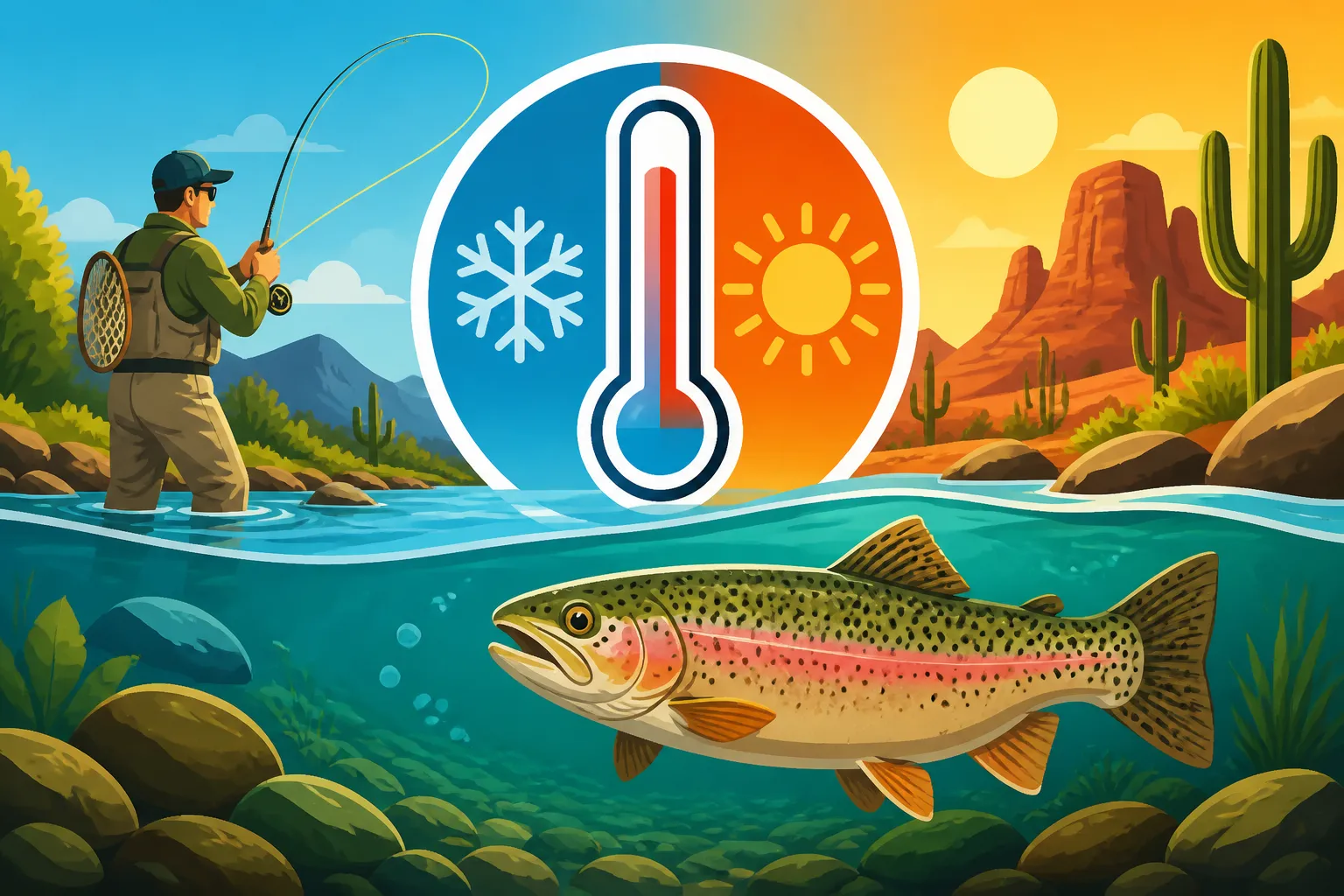
For most trout species you'll encounter in Arizona – primarily Rainbow Trout, but also Brown Trout and native Apache Trout in higher elevations – there's a definite comfort zone when it comes to water temperature. Generally, trout are most active, feed most vigorously, and feel healthiest when the water temperatures range from 45 to 65 degrees Fahrenheit (7 to 18 degrees Celsius).
Why this specific range? Within these temperatures, their metabolism is humming along nicely. Their digestive systems work efficiently, they have ample oxygen dissolved in the water (cold water holds more oxygen than warm water), and they feel energetic enough to chase down prey. This is when you'll find them cruising, actively foraging, and generally being the opportunistic feeders we love to target. If you're diving deeper into targeting these species, our comprehensive Rainbow Trout Fishing Guide for Arizona provides excellent insights. When the water temperature is within this prime zone, trout are more likely to strike at a variety of presentations, from flies to lures to natural baits. It's truly the time when these fish are at their peak performance and most vulnerable to a well-placed offering.
Why Extreme Temperatures Are Detrimental
Just as there's a sweet spot, there are also "danger zones" for trout, especially in a state like Arizona known for its extreme heat and occasional cold snaps.
When water temperatures drop below 40-45 degrees Fahrenheit, trout become increasingly sluggish. Their metabolism slows dramatically, they digest food at a snail's pace, and their need for sustenance decreases. This doesn't mean they won't eat at all – they still need to survive – but their feeding windows become much shorter, and their strikes much more subtle. Think of it like trying to go for a run on a freezing cold day; you're just not as enthusiastic or quick. You'll often find them huddled in deeper, slightly warmer pockets, conserving energy.
On the flip side, and this is a much more prevalent issue in Arizona, water temperatures above 65 degrees Fahrenheit start to become critically stressful for trout. As water warms, its ability to hold dissolved oxygen decreases significantly. Imagine trying to breathe at a high altitude – it's just harder. Trout, being highly dependent on oxygen-rich water, will become lethargic, stressed, and susceptible to disease. Their feeding drive diminishes, not because they're full, but because their bodies are working overtime just to survive. Once temperatures climb past 70 degrees Fahrenheit, it can quickly become lethal for many trout species. This is precisely why the Arizona Game and Fish Department (AZGFD) focuses its Trout Stocking Season in Arizona efforts during the cooler months in lower-elevation community lakes, ensuring the trout have a fighting chance before the summer heat makes the water inhospitable. Fishing in these warm conditions, even if you do manage to hook a trout, puts immense stress on the fish, making careful catch and release practices even more important to ensure their survival.
Fishing Arizona's Diverse Trout Waters by Temperature
Arizona is a land of incredible contrasts, from alpine forests to scorching deserts. This diversity means trout fishing conditions, particularly water temperatures, vary wildly depending on where you cast your line.
High Country Lakes and Streams (Cooler Waters)
When most people think of trout fishing in Arizona, they often picture the serene, pine-scented lakes and gurgling streams of the White Mountains, the Mogollon Rim, and other northern Arizona regions. These are your prime trout habitats, where cooler, more consistent water temperatures prevail for much of the year.
In places like Big Lake, Show Low Lake, or the countless small streams feeding into the Little Colorado River, water temperatures tend to stay within or very close to that ideal 45-65°F range from late spring through early fall. During the peak summer months, while desert lakes are heating up, these high-elevation waters often hover in the comfortable 50s and low 60s. This means trout here are typically active and robust, providing excellent fishing opportunities. For those looking for the ultimate trout experience, our guide to the Best Trout Fishing Spots in Arizona offers a detailed look at these prime locations.
When fishing these cooler waters, you can often employ a wider array of techniques. Fly fishing is incredibly popular in these areas, and trout will eagerly rise to dry flies, strike nymphs, or chase streamers if the conditions are right. For spin anglers, small spinners like Mepps or Panther Martins, spoons, or even PowerBait and worms can be highly effective. The key is often a natural presentation, as the water is typically clear, and trout can be quite discerning. Consider trying various Fly Fishing Techniques for Trout when you're in these pristine environments. Always observe the water for signs of insect hatches or feeding activity, as trout will tell you what they’re looking for.
Desert and Urban Lakes (Seasonal Stocking and Temperature Fluctuations)
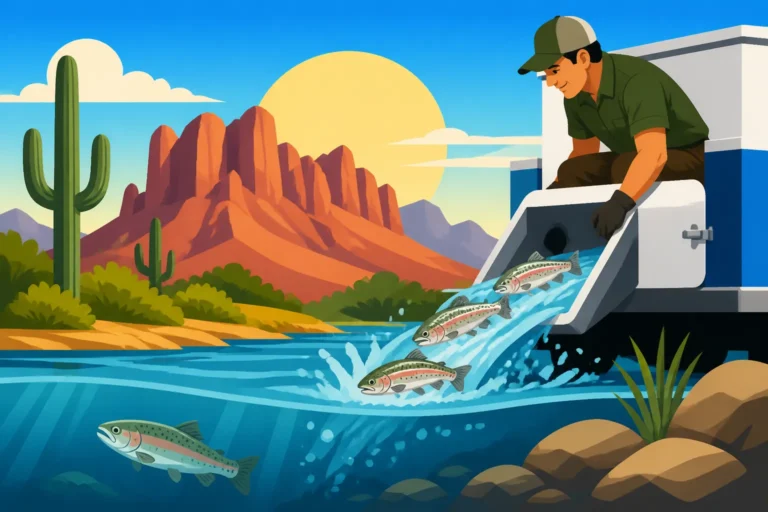
Now, let's talk about the unique challenge and reward of trout fishing in Arizona's low-elevation desert and urban lakes. Places like Tempe Town Lake, Kiwanis Lake in Tempe, or Kennedy Lake in Tucson are not natural trout habitats due to their warm summer temperatures. However, the Arizona Game and Fish Department runs an incredible Community Fishing Program that stocks these lakes with Rainbow Trout throughout the cooler months.
The game-changer here is the seasonal nature of trout presence. From roughly November through March (and sometimes extending into April or even October, depending on the year's specific temperatures), these lakes receive regular stockings. During this period, the water temperatures are comfortably in the 50s and 60s, creating excellent, easily accessible trout fishing. This is when you can practically walk up to one of the Best Urban Fishing Lakes in Arizona and catch trout with relative ease, especially right after a stocking.
However, as spring progresses and Arizona's infamous heat begins to set in, water temperatures in these shallow desert lakes quickly rise. Once the water consistently hits the upper 60s and beyond, trout survival becomes tenuous. This is why the trout stocking ceases, and any remaining trout either succumb to the heat or are caught out. The Urban Lake Trout Season in Arizona is entirely dictated by these fluctuating water temperatures. If you try to fish for trout in an urban lake in July, you're likely to be disappointed, as any trout that weren't caught would have long since perished due to the extreme heat and low oxygen levels. It's a stark reminder of how critical temperature is for these fish, especially in an environment as challenging as the Arizona desert. You'll need to pivot your strategy to warm-water species like bass, catfish, or carp once the mercury rises.
Practical Tips for Measuring and Adapting
Knowing the general temperature preferences of trout is one thing, but being able to measure the water temperature yourself and adjust your approach on the fly is what truly sets successful anglers apart.
Tools for Temperature Reading
You might be thinking, "Do I really need a thermometer for fishing?" And the answer, for serious trout anglers in Arizona, is a resounding yes! A good quality water thermometer is an invaluable tool for understanding the conditions beneath the surface. You'll find a variety of options available, from simple analog models that clip onto your vest to more advanced digital versions that can be integrated into fish finders.
When you're out shopping, a simple, durable, and easy-to-read thermometer will do the trick. You can often find reliable and affordable options on online retailers like Amazon, from brands like Stansport or O'Pro. Look for one that's designed for fishing, meaning it's robust enough to handle being dropped or submerged, and provides accurate readings. To use it, simply submerge it in the water for a few minutes at the depth you believe the fish are holding, then quickly retrieve and read. Checking temperatures at different depths or locations (e.g., in the shade vs. direct sun, near an inlet vs. open water) can give you a clearer picture of where trout might be most comfortable.
Adjusting Your Strategy Based on Temperature
Once you have a temperature reading, you can start to make informed decisions about your tactics.
- Cold Water (Below 45°F): If the water is chilly, trout are sluggish. Your presentation needs to match their mood. Think slow and deep. Use smaller baits or lures, such as tiny jigs, slow-retrieved spinners, or natural baits like worms or salmon eggs fished on the bottom. Focus on the warmest parts of the day, usually mid-afternoon, when the sun has had a chance to penetrate the water. In very cold conditions, trout might seek refuge in deeper holes or near warm springs if present.
- Optimal Water (45-65°F): This is prime time! Trout are active, aggressive, and willing to chase. This is when you can experiment with a wider range of techniques. For lures, try casting and retrieving various Best Baits and Lures for Arizona Fishing like spoons, inline spinners, or small crankbaits with varied retrieve speeds. Fly anglers will find success with dry flies during hatches, nymphs, or streamers. Natural baits are almost always a winner here, too. Fish will be more spread out and actively foraging, so cover water.
- Warm Water (Above 65°F): This is where you need to be cautious and considerate. If you choose to fish in these conditions, prioritize the fish's well-being. Focus on early mornings or late evenings when water temperatures are at their coolest. Seek out areas with shade, deeper pockets, or where fresh, cooler water enters the system, as these spots will have higher oxygen levels. Use lighter line and hooks to minimize fight time, and handle fish minimally with wet hands for quick release. Avoid fishing altogether if temperatures climb above 70°F, as the stress on the fish can be lethal, even with careful handling. The Trout Stocking Frequency at Urban Lakes in Arizona is always adjusted to avoid these dangerously warm periods, for good reason.
| Water Temperature Range | Trout Behavior & Activity Level | Recommended Fishing Strategy |
|---|---|---|
| Below 40°F | Very sluggish, low metabolism | Fish very slow, deep, small baits (worms, PowerBait). Focus on warmest part of the day. |
| 40-45°F | Slow but feeding | Slow retrieves, deeper presentations, slightly larger baits. Look for subtle bites. |
| 45-55°F | Active, strong feeding | Varied techniques, moderate retrieves. Fish entire water column. Excellent all-day fishing. |
| 55-65°F | Very active, aggressive feeding | Fast retrieves, topwater action (flies), larger lures. Fish aggressively, cover lots of water. |
| 65-70°F | Stressed, lethargic | Early/late fishing only, seek shade/depth. Use light tackle, quick release. Consider other species. |
| Above 70°F | Critical stress, potential death | Avoid targeting trout. Focus on warm-water species or another day. |
Beyond Temperature: Other Influencing Factors
While water temperature is undeniably a dominant factor in trout fishing success in Arizona, it's not the only thing at play. Several other environmental elements work in conjunction with temperature to influence trout behavior and, consequently, your fishing strategy.
Oxygen Levels and Water Clarity
Temperature is closely linked to dissolved oxygen levels, which are crucial for fish respiration. As water gets warmer, it holds less oxygen. This is why trout are so stressed in hot water – they're essentially suffocating. Conversely, cold, moving water (like mountain streams) is typically oxygen-rich and ideal for trout. Understanding this connection helps you pinpoint areas where trout might congregate, even if the overall lake temperature is borderline. For example, a cool spring input or a section of rapids in a river will naturally have higher oxygen, attracting trout.
Water clarity also plays a significant role, especially in Arizona's often crystal-clear high country waters. Trout, being sight feeders, become more wary in clear water. Your tackle choice, line visibility, and lure presentation become paramount. In clear conditions, opting for fluorocarbon line (which is nearly invisible underwater) or smaller, more natural-colored lures can make a huge difference. Conversely, after a monsoon rain, if the water is murky, a more aggressive, brighter lure or bait with scent might be necessary to attract attention.
Time of Day and Season
The time of day and season are intrinsically tied to water temperature, making them critical considerations for any Arizona angler. Our guide to Arizona Fishing Seasons Explained offers a deeper dive into these cycles.
- Spring and Fall: These are often the "golden hours" for trout fishing across much of Arizona. Water temperatures are typically in that ideal 45-65°F range. In spring, as snow melts and streams swell, trout become incredibly active after a slower winter. In fall, as temperatures cool, trout feed aggressively to fatten up for winter. During these seasons, you can often find great fishing opportunities throughout the day, though early mornings and late afternoons still tend to be peak times.
- Summer: This is where you really need to differentiate between high-country and low-elevation fishing. In northern Arizona's mountain lakes and streams, summer mornings and evenings are often prime, with midday fishing still productive in shaded or deeper areas. However, for the desert and urban lakes, summer effectively shuts down trout fishing due to lethal water temperatures. You simply won't find them thriving.
- Winter: In the high country, winter means ice fishing on many lakes, where trout survive and feed under the ice. In the desert and urban lakes, winter is the peak of the stocked trout season. The coolest part of the day in summer is the warmest part of the day in winter, often making midday the best time to fish for trout in these lower-elevation, stocked waters. Some northern Arizona lakes like Does Lake Mary Freeze in Winter? offer unique winter fishing experiences.
By layering your understanding of water temperature with these other factors, you’ll develop a more nuanced and effective approach to trout fishing throughout the diverse landscapes of Arizona, ensuring you're in the right place at the right time with the right setup for success. For example, if you're targeting the Lower Salt River for trout, knowing that it's a stocked winter fishery and the temperatures are cooler is key.
Disclaimer
Fishing conditions and regulations in Arizona can change. Always check the latest Arizona Game and Fish Department regulations before heading out. Be mindful of local conditions, weather, and your personal safety. This information is for general guidance and educational purposes only.