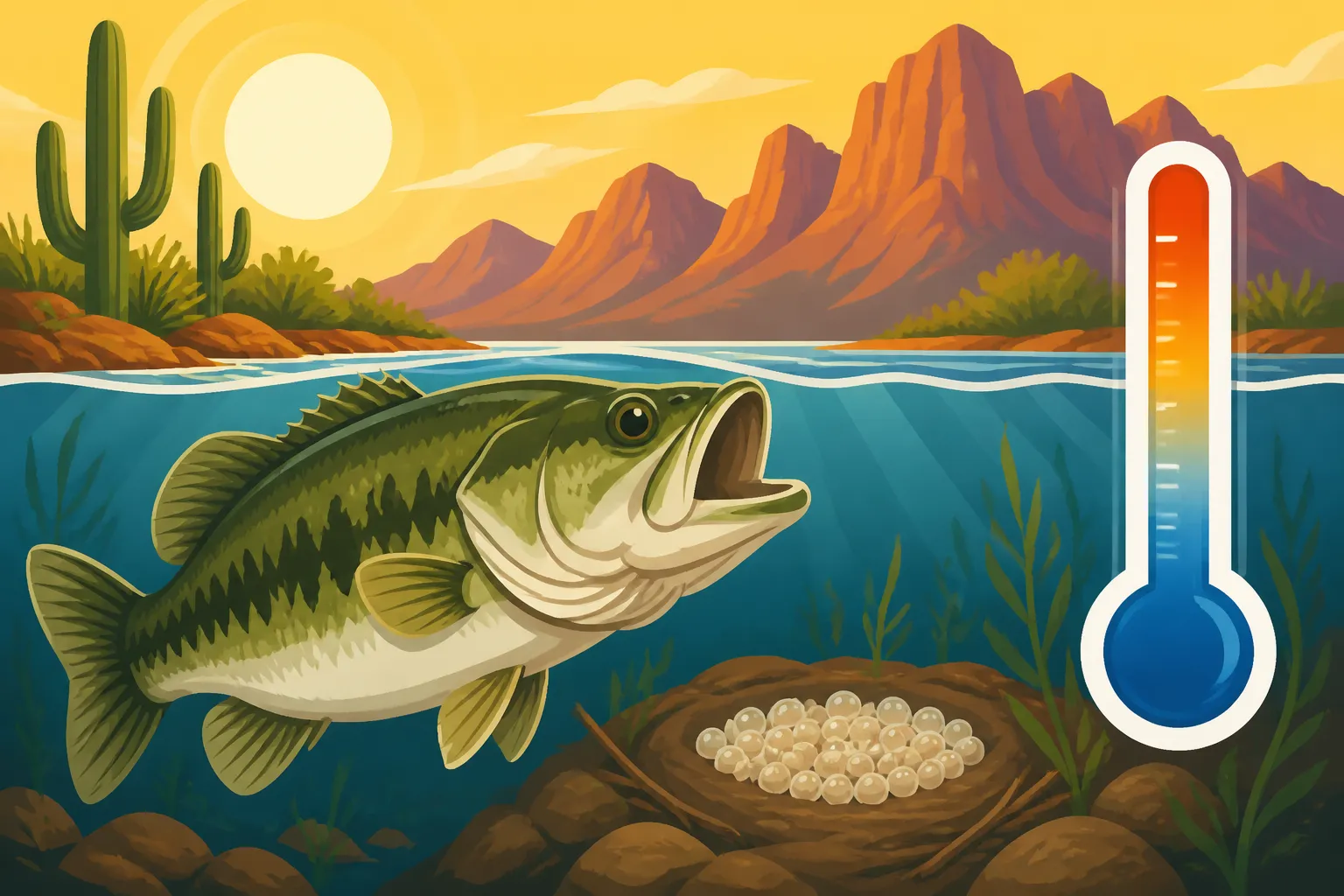
Spawning Temperature for Largemouth Bass
One of the most common questions I get from fellow anglers, especially those new to Arizona's unique fishing scene, is about timing the bite for largemouth bass. You see, these fish don't just decide to have babies on a whim; there's a very specific biological trigger, and understanding it can completely change your success rate out on the water. It’s not just about what lure you throw, but when you throw it, and for largemouths, that "when" is heavily dictated by water temperature. This guide will dive deep into the crucial role of spawning temperatures for largemouth bass, particularly here in the warm waters of Arizona, helping you anticipate their behavior and boost your chances of a great day of fishing.
Understanding Largemouth Bass Spawning Biology
For any angler worth their salt, grasping the basics of a fish's life cycle is paramount. When it comes to largemouth bass, their reproduction is a fascinating and critical part of their annual rhythm, directly influencing where they are, what they're eating (or not eating), and how aggressively they might strike your bait. It’s not just a biological event; it's a monumental shift in their entire existence for several weeks each year.
The Importance of Water Temperature in Reproduction
If there's one single factor that largely governs when largemouth bass decide to spawn, it's water temperature. Think of it like a biological alarm clock that goes off when the conditions are just right. As the days lengthen and the sun's intensity increases after winter, the water in our Arizona lakes begins to slowly warm up. This gradual increase signals to the bass that it's time to start thinking about reproduction. They need specific thermal cues to ensure that when their eggs hatch, there will be enough food available for the fry and the environmental conditions will be stable enough for survival.
In Arizona, with our often rapid shifts from cool winters to blazing summers, this temperature window can sometimes feel fleeting. A few days of warm weather might trick bass into thinking it's time, only for a cold front to roll through and send them retreating to deeper, more stable water. It's a delicate balance, and the bass are incredibly sensitive to these changes. Understanding this primary trigger is your first step to predicting their movements and moods.
The Role of Photoperiod and Other Factors
While water temperature is undeniably the most dominant factor, it's rarely the only one. Nature is far too complex for a single switch. Photoperiod, or the length of daylight hours, also plays a significant, albeit secondary, role. As the days grow longer in spring, this increased light also signals to the bass that the seasons are changing and it's time to prepare for spawning. It's a consistent, reliable cue that complements the warming waters.
Other environmental factors like lunar cycles, rainfall, and even barometric pressure can subtly influence spawning behavior. For instance, a sudden drop in pressure or a significant rain event can temporarily delay or disrupt the spawn, even if temperatures are within the ideal range. Stable weather patterns, characterized by consistent warmth and calm conditions, are what really get the bass into a spawning mood and keep them there. Sudden cold fronts, even minor ones, can make bedding fish abandon their nests temporarily, making them a lot harder to catch.
Ideal Spawning Temperature Range for Arizona Largemouths
Okay, so we know temperature is key, but what are the numbers? This is where the rubber meets the road for anglers trying to time their trips perfectly. While there's a general range, remember that fish are individuals, and micro-climates within a lake can cause variations.
The Golden Window: What Temperatures Trigger Spawning
For largemouth bass across most of their range, the ideal spawning temperature typically falls within a specific window. We're generally talking about water temperatures between 60 and 70 degrees Fahrenheit (15-21 degrees Celsius). However, in the warmer climates of Arizona, you might often see bass begin to show spawning behaviors closer to the lower end of that range, sometimes even dipping into the high 50s, especially in shallower, sun-exposed coves and flats. The peak activity, the real heart of the spawn, usually occurs when the water consistently holds in the mid-60s.
It’s not just about hitting that temperature once; it’s about sustained temperatures within that range. If the water hits 62 degrees for a day and then drops back to 55 degrees, the bass won't typically commit to building nests and laying eggs. They need that consistent warmth to feel secure that their offspring will have a good chance of survival. This means anglers need to pay close attention to water temperature readings, not just air temperature, when planning their spring fishing trips. Many modern fish finders, which you can easily find on Amazon, include water temperature sensors, making it much easier to keep tabs on this critical data point.
How Arizona's Unique Climate Influences Spawning Times
Arizona's desert lakes aren't like the cold, deep waters of the Great Lakes or the slow-warming reservoirs of the Pacific Northwest. Here, our waters can heat up fast once spring truly arrives. This means the spawning window can sometimes be more compressed or even slightly earlier than in other regions. In lakes like Roosevelt Lake or Lake Pleasant, the shallow northern coves and protected bays will often warm up first, triggering the spawn in those areas before the main lake body catches up. Best Time of Year to Fish Roosevelt Lake and Best Time of Year to Fish Lake Pleasant are great resources to understand broader seasonal patterns.
Another unique aspect is the potential for early summer heat waves. If we get a sudden blast of 90-degree-plus weather in late spring, the water temperatures can spike, sometimes pushing bass through their spawning cycle more quickly than usual, or even stressing them if the temperature rises too fast. Anglers need to be adaptable and check local fishing reports or online forums for up-to-date water temperature readings from specific lakes. Because our desert lakes are often shallower and have less thermal mass than larger, deeper lakes, they respond more dramatically to air temperature fluctuations.
Pre-Spawn, Spawning, and Post-Spawn Behavior
Understanding the exact temperature window is only half the battle. Knowing what the bass are doing during these different phases will tell you how to approach them. Each stage requires a slightly different strategy, from lure choice to presentation.
Pre-Spawn Activity: What to Look For
Before the water hits that magic 60-degree mark, when temperatures are typically in the high 50s, bass enter what we call the "pre-spawn" phase. This is often an incredibly exciting time for anglers because the bass are usually very active and hungry. Their biological clocks are ticking, signaling that it's time to pack on calories to fuel the arduous spawning process. They're moving from deeper winter haunts into shallower, warmer staging areas, often congregating near points, humps, and submerged timber adjacent to future spawning flats.
During pre-spawn, you'll find bass aggressively feeding on whatever they can find – shad, crawfish, sunfish, you name it. This is a prime time for power fishing with baits like crankbaits, spinnerbaits, and even large swimbaits, as these fish are looking for substantial meals. They're not yet guarding nests, so they're often more willing to chase and strike. Look for them in water that's slightly warmer than the main lake, often bathed in sunlight, where they can feed and absorb heat. Identifying these staging areas is critical for a successful pre-spawn outing.
During the Spawn: Nests and Parental Care
Once the water temperatures consistently settle into that 60-70 degree range, the actual spawning begins. The male bass will move into shallow, protected areas – often gravelly or sandy flats, hard bottom areas, or even submerged stumps – and meticulously fan out circular depressions on the bottom. These are the spawning beds. He'll then guard this nest, waiting for a female to approach. When a receptive female arrives, she'll lay her eggs, and he'll fertilize them. After laying her eggs, the female usually leaves, and the male takes on the sole responsibility of protecting the nest from predators and fanning fresh, oxygenated water over the eggs.
During this period, male bass are fiercely territorial and protective. They may not be actively feeding in the traditional sense, but they will strike anything that they perceive as a threat to their eggs or fry. This is why sight fishing for bedding bass can be so effective; you're often provoking a defensive strike rather than a feeding one. While exciting, it's also a sensitive time for the fish, and many anglers practice Catch and Release Rules for Arizona Anglers for bedding bass to ensure future generations. Soft plastic lures like lizards, tubes, or small worms presented directly on the bed can often elicit a strike from a protective male.
Post-Spawn Recovery and Feeding Patterns
After the eggs hatch and the fry disperse, typically when water temperatures are nearing the upper end of that 70-degree range, the male bass will leave the nest. Both male and female bass enter the post-spawn phase, a period of recovery. They are often exhausted and thin from the rigors of spawning and guarding, and their primary focus shifts back to feeding and regaining strength. This can sometimes be a tougher bite, as they might be lethargic, but as they recover, their hunger returns.
Initially, post-spawn bass might retreat to slightly deeper water near the spawning areas, often seeking shade or submerged cover to rest and digest. As they recover, they'll become more active feeders, moving to creek channels, brush piles, or other structure where baitfish are abundant. This is when the bass start to transition into their summer patterns. Look for them to suspend over bait schools or relate to deeper cover. Smaller, subtler baits, or even topwater lures during low-light conditions, can be very effective as they regain their energy and start to actively hunt again. Understanding Seasonal Movement Patterns of Arizona Bass can help bridge the gap between spawning and summer habits.
Practical Tips for Anglers During the Spawn
Now that you understand the "why" and "when" of largemouth bass spawning, let's talk about the "how." Fishing during the spawn can be incredibly rewarding, but it also requires a thoughtful approach to both technique and ethics.
Locating Spawning Beds: Where to Find Them
Finding those crucial spawning beds is a key skill for spring bass fishing. As mentioned, bass prefer shallow, protected areas with a hard bottom. Think about the northern coves of lakes like Lake Pleasant or the expansive flats in the upper reaches of Roosevelt Lake. These areas warm up faster and offer shelter from wind and waves. Look for areas with a mix of cover—perhaps some submerged brush, a few scattered rocks, or even old tire reefs—but always with a clean, hard bottom where they can fan out their nests.
When scouting, look for visual cues. On calm, sunny days, you might actually be able to spot the circular, lighter-colored depressions on the lake bottom, indicating a freshly fanned bed. Polarized sunglasses are absolutely essential for this, cutting the glare off the water and allowing you to see into the depths. Also, keep an eye out for darker shadows lurking nearby, which could be a male bass guarding his territory. A good pair of polarized sunglasses, available on Amazon, can make all the difference in spotting these hidden treasures. For more specific habitat information, check out Largemouth Bass Habitat in Arizona Lakes.
Ethical Fishing Practices During the Spawn
Fishing for bedding bass can be a contentious topic. While it's perfectly legal, it raises questions of conservation. When you catch a bass off a bed, especially a male, you temporarily remove him from his vital role of protecting the eggs or fry. This leaves the vulnerable offspring exposed to predators like bluegill, sunfish, or even other bass, dramatically reducing their survival rate. Many anglers choose to avoid targeting bedding fish directly, or if they do, they practice quick, careful catch and release right at the boat, minimizing the time the fish is away from its nest.
Consider the long-term health of the fishery. If you do target spawning bass, aim for a quick hookset, a fast fight, and immediate release. Try not to spook the fish or cause it undue stress. The goal is to enjoy the thrill of the catch without compromising the next generation of bass. Being mindful of the fish's reproductive cycle is a mark of a responsible angler.
Lures and Techniques for Spawning Bass
When fishing during the spawn, your approach needs to be more about provocation than pure feeding. Remember, those male bass are guarding, not necessarily actively hunting for a meal.
Here’s a table outlining some popular choices:
| Spawning Phase | Primary Lure Type | Common Baits & Sizes | Presentation & Technique |
|---|---|---|---|
| Pre-Spawn | Reaction Baits, Power Fishing | Crankbaits (medium dive), Spinnerbaits (1/2-3/4 oz), Lipless Crankbaits, Jerkbaits, Large Swimbaits | Cover water quickly, target points, humps, channel edges. Aggressive retrieves to trigger chase. |
| During Spawn | Bed Fishing, Finesse & Plastics | Soft Plastic Lizards (4-6"), Tubes, Senkos, Small Jigs, Drop Shot Rigs (with small worm) | Precise casts to beds, let lure sit, subtle twitches, try to provoke a defensive strike. Patience is key. |
| Post-Spawn | Finesse, Search Baits | Smaller Crankbaits, Worms (Texas/Carolina rig), Topwater (early/late), Swim Jigs, Ned Rigs | Target deeper cover near spawning areas. Slower retrieves, focus on cover. Topwater can be effective during low light. |
For pre-spawn, you're looking to capitalize on their hunger. Best Baits and Lures for Arizona Fishing offers a great overview, but don't shy away from bigger, flashier offerings like a chartreuse and white spinnerbait or a crawfish-pattern crankbait. These fish are bulking up.
During the actual spawn, finesse is often king. A Texas-rigged lizard or a tube bait in natural colors (green pumpkin, watermelon seed) presented directly on or very near a bed can trigger that defensive strike. Let the lure sit motionless for a moment, then give it a slight twitch. The goal is to annoy the bass into striking. Patience is crucial here; you might have to make multiple casts and let the bait sit for extended periods to get a reaction. A sensitive Best Rod and Reel Combo for Bass can help you feel those subtle takes.
Post-spawn requires a bit of detective work. Bass might be scattered and recovering. Target shady areas, deeper brush piles, or structure near their spawning grounds. Texas-rigged worms, shaky heads, or even slow-rolled swim jigs can entice these recovering fish. Don't forget that as they regain strength, they'll become more active, and you can switch back to more aggressive baits. For more detailed techniques, exploring Best Bass Fishing Techniques for Arizona Lakes will provide a wealth of information.
Understanding the spawning temperature for largemouth bass in Arizona is more than just a piece of trivia; it's a fundamental aspect of becoming a more successful and ethical angler. By paying attention to water temperatures, observing fish behavior, and adapting your tactics accordingly, you can consistently put yourself in the best position to catch these incredible fish, while also helping to ensure healthy populations for years to come.
Disclaimer
This article is for general informational purposes only and does not constitute professional advice. Laws, prices and regulations vary by location and change over time. Consult a qualified professional for guidance on your specific situation.