Do Striped Bass Feed at the Surface in Summer?
The Arizona summer sun is absolutely relentless, and if you're like many anglers, you dream of those heart-pounding moments when a school of striped bass explodes on the surface, creating a "boil" of frantic feeding activity. It's the kind of fishing that gets your blood pumping, where you cast right into the chaos and hope for an instant hook-up. But the big question that looms for us desert anglers is: do striped bass really feed at the surface in summer, when the temperatures soar and the lakes feel like bathwater? The short answer is, it's complicated, but with the right knowledge and a dash of luck, you can absolutely find some surface action, even in the dog days of summer. This guide will dive deep into the behavior of Arizona's striped bass during the hottest months and show you how to maximize your chances, whether they're on top or hiding deep.
The Allure of Surface Feeding and Summer Realities in Arizona
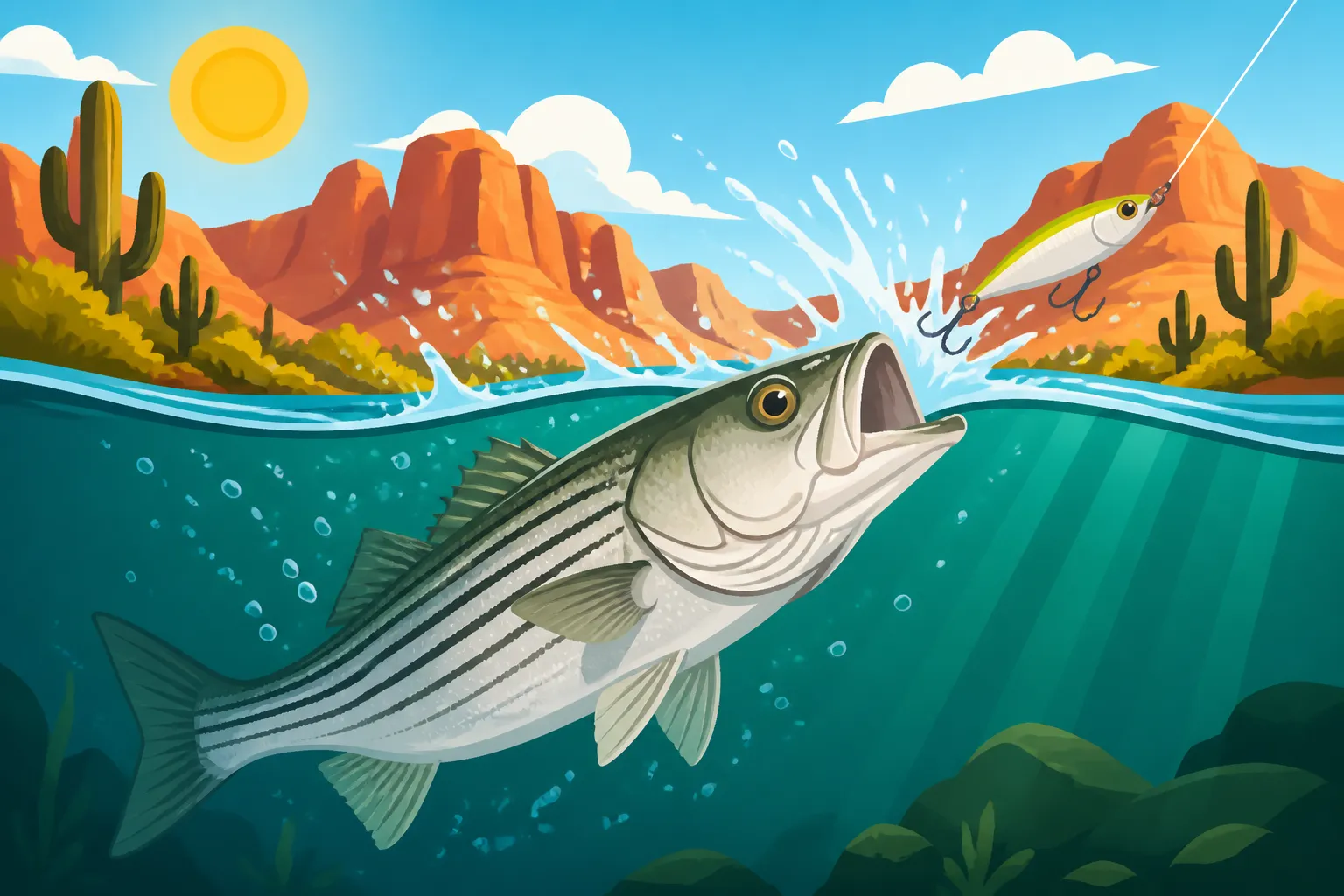
There's nothing quite like the visual spectacle of a striper boil. The water erupts, gulls dive, and the air crackles with energy as a school of aggressive striped bass pushes baitfish to the surface. It's exhilarating, challenging, and often yields multiple hook-ups. This dream scenario is what many anglers chase, particularly when targeting a powerful species like the striped bass. However, the unique environmental conditions of Arizona's desert lakes during summer present significant challenges to consistent surface feeding behavior.
Understanding Striped Bass Behavior in Warm Water
Arizona's vast desert reservoirs like Lake Powell, Lake Pleasant, and the Colorado River chain can reach incredibly high surface temperatures in July and August. This heat dramatically impacts the behavior of cold-blooded fish like striped bass. As water temperatures rise, oxygen levels decrease, and fish metabolism can slow down or become stressed. Striped bass are particularly sensitive to these changes. To escape the warm, less oxygenated surface water, they often retreat to deeper, cooler sections of the lake where conditions are more stable and oxygen is more plentiful. This doesn't mean they stop feeding; it just means their feeding zones shift. Instead of aggressively chasing bait on the surface, they might become more lethargic, conserving energy, and picking off baitfish that venture into their cooler deep-water haunts. This is a common adaptation, and understanding it is the first step to successful summer striper fishing.
The Elusive "Striper Boil" in Peak Summer
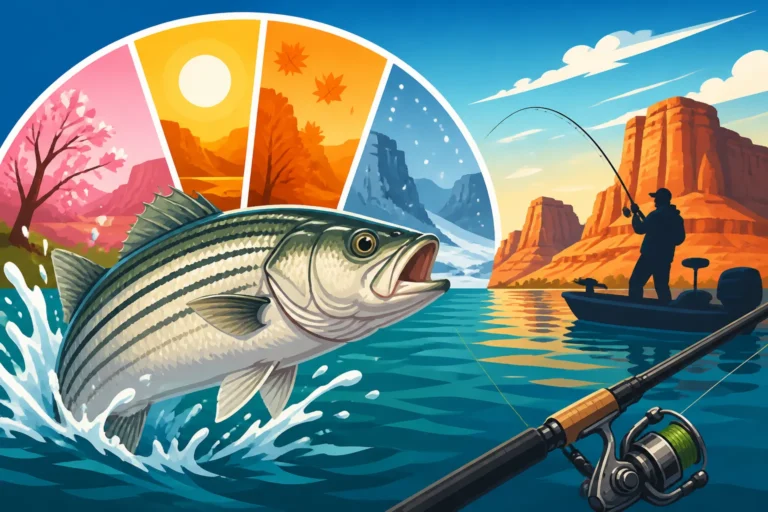
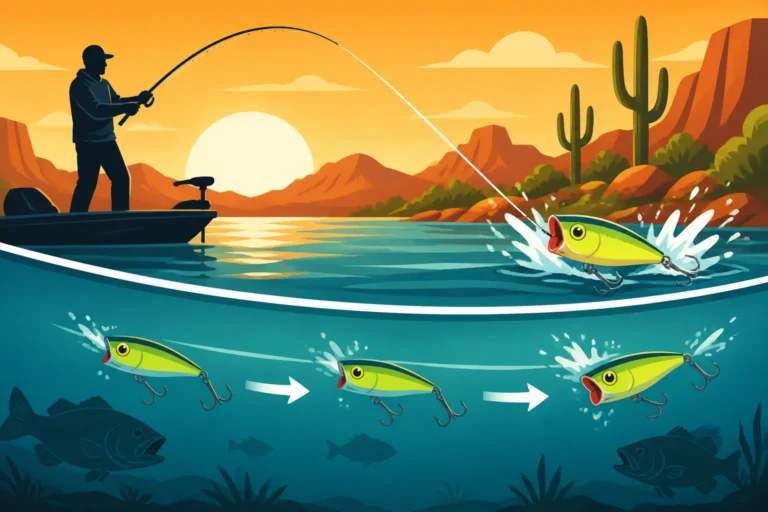
While "striper boils" are legendary, especially on a lake like Lake Powell, they are generally less frequent and often shorter-lived during the peak of Arizona's summer. A true boil happens when large schools of stripers gang up to corral baitfish, pushing them to the surface where they become easy targets. This phenomenon is usually triggered by a combination of factors: abundant baitfish, favorable water temperatures that encourage aggressive pursuit, and specific light conditions. In summer, with scorching sun and high surface temps, stripers simply don't have the physiological drive to expend that much energy pushing bait all the way to the top for extended periods. When a boil does occur in summer, it's often a fleeting event, lasting only a few minutes, primarily during low light conditions. You might see a quick eruption, and then just as quickly, the fish will disappear back into the depths. This makes being in the right place at the right time incredibly crucial, and often requires a lot of patience and moving around. If you're specifically hoping to witness and cast into one of these spectacles, reading up on "How to Find Striper Boils on Lake Powell" can give you a tactical edge.
When and Where You Might See Summer Surface Action
Despite the challenges, summer surface feeding by striped bass in Arizona is not entirely a myth. Anglers who understand the specific windows of opportunity and locations can still experience that thrilling topwater bite. It requires a keen eye, an early start, and a willingness to adapt.
Early Mornings and Late Evenings: The Golden Hours
The most consistent opportunities for summer surface action occur during the transitional periods of the day: dawn and dusk. These are the "golden hours" when the sun is low, and the surface water temperatures are at their coolest.
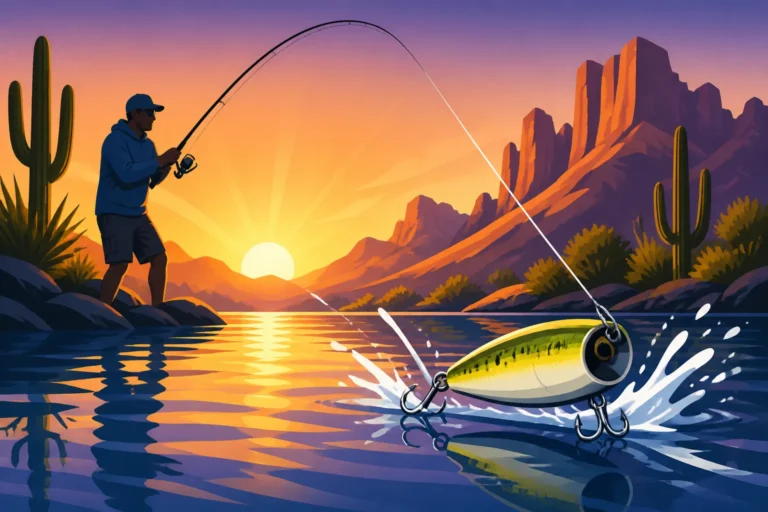
- Dawn Patrol: Waking up before the sun even thinks about peaking over the mountains is often your best bet. As the light just starts to break, stripers might venture closer to the surface to ambush unsuspecting baitfish. The cooler water allows them to be more active and aggressive. Look for subtle disturbances, nervous baitfish skipping across the water, or the unmistakable splash of a striper breaking the surface. This brief window, typically the first hour or two after sunrise, is when you should have your topwater lures ready.
- Evening Ambush: Similarly, as the sun dips below the horizon and the oppressive heat begins to subside, stripers might again make a move towards the surface. This period, from an hour before sunset until true darkness sets in, can offer another chance at a topwater bite. The fish are often more spread out during this time compared to dawn, but their willingness to chase is still there. Being out on the water during these cooler times also makes for a much more pleasant experience for the angler, a critical consideration when discussing "Best Time of Day to Fish in Arizona Heat".
Identifying Forage and Structure
Stripers, regardless of the season, are opportunistic predators. Their location and feeding habits are heavily influenced by the presence of baitfish, primarily shad in Arizona's reservoirs.
- Following the Bait: If baitfish schools are pushed to the surface, stripers will often follow, even in warmer water, to capitalize on an easy meal. Look for concentrations of shad on your fish finder, especially if they are close to the surface or near thermoclines. Birds, particularly gulls, are often your best indicator of surface activity, as they'll dive on the same baitfish that stripers are corralling. If you see gulls actively diving, get there quickly and be ready to cast.
- Structure and Points: Even when not in full boil, stripers will often ambush baitfish around underwater structure. Main lake points, submerged humps, ledges, and canyon walls (especially prevalent at Lake Powell) provide excellent ambush points. While they may be holding deeper, a passing school of baitfish near the surface around these structures can trigger a quick burst of topwater feeding. It's worth casting topwater lures over these areas during the golden hours, even if you don't see immediate signs of a boil.
Cloudy Days and Monsoon Activity: Temporary Relief
Arizona's summer weather isn't always clear, blazing sun. We do get monsoon season, and these weather patterns can actually work in your favor for surface striper action.
- Overcast Skies: A heavily overcast day, particularly one with a steady cloud cover that keeps the direct sun off the water, can significantly reduce surface temperatures and increase the comfort level for both fish and anglers. On such days, stripers might be more inclined to chase bait closer to the surface for longer periods. The reduced light also makes them less wary.
- Post-Storm Activity: While fishing during a monsoon storm can be dangerous due to lightning and flash flooding, the aftermath can sometimes spark activity. The cooler air temperatures and influx of fresh, cooler water from rain can temporarily invigorate fish, potentially leading to more aggressive feeding. However, be mindful that heavy rains can also muddy the water, which might scatter baitfish or make them harder for stripers to locate. For more on navigating these conditions, check out our "Arizona Monsoon Season Fishing Guide". Always prioritize safety when considering fishing during or after stormy weather.
Adapting Your Approach When They're Not on the Surface
Let's be realistic: even with perfect timing, you won't always find stripers exploding on the surface in summer. Most of the time, they'll be holding deeper, escaping the heat. This is where adapting your techniques becomes absolutely critical for success. Don't get discouraged if you don't see boils; simply adjust your strategy to target where the fish are.
Targeting Deep Water
When surface action is absent, the vast majority of summer striped bass will be found in the cooler, deeper parts of the water column. This requires a shift from sight-casting to topwater lures to using electronic aids and specialized deep-water tactics.
- Using Your Electronics: A good fish finder is an invaluable tool for locating deep-holding stripers. Look for schools of baitfish and arches representing larger fish beneath them, especially near underwater structures like humps, ledges, or channels. The thermocline (the layer where water temperature changes rapidly) is often a key holding depth, as it provides a stable environment with suitable temperatures and oxygen. Modern fish finders, which you can find a great selection of on platforms like Amazon, make it easier than ever to pinpoint these deep schools. You might want to consider our guide on "Best Fish Finders for Bass Fishing in Arizona" for some excellent recommendations, as the principles apply similarly to locating deep stripers.
- Downrigging and Trolling: This is a highly effective method for presenting lures or bait at specific depths where stripers are congregating. Downriggers allow you to precisely control the depth of your offering, running it right through schools of fish you've marked on your electronics. Trolling with deep-diving crankbaits or umbrella rigs can also cover a lot of water and entice bites from lethargic stripers.
- Jigging and Dropping: If you locate a stationary school of stripers, vertical jigging with heavy spoons, blade baits, or soft plastics can be incredibly effective. Drop your lure directly into the school and work it with an erratic retrieve. This technique, often called "Deep Water Structure Fishing Techniques", can trigger a reaction strike from fish that aren't actively chasing.
Best Lures and Baits for Subsurface Stripers
When stripers are deep, your lure selection needs to change dramatically from topwater options. You need offerings that can get down to the fish quickly and effectively.
- Heavy Spoons: Metal spoons, often chrome or white, are excellent for deep jigging. Their flash and erratic fall imitate dying baitfish, a tempting target for stripers conserving energy. Sizes from 1/2 oz to 2 oz are common depending on depth.
- Swimbaits: Both hard-bodied and soft-plastic swimbaits are incredibly versatile. You can rig soft swimbaits on heavy jig heads to get them deep, or cast and retrieve hard swimbaits to mimic larger baitfish. For more in-depth tips, check out "How to Fish a Swimbait for Striped Bass".
- Deep-Diving Crankbaits: These lures are designed to reach significant depths on the retrieve. Choose models that dive to the depth you're marking fish and experiment with colors that mimic local shad.
- Live Bait: Few things are more effective for deep, lethargic stripers than live bait, typically threadfin shad or gizzard shad where legal and available. Rigged on a Carolina rig or drop-shot, live bait presented directly to the fish is often irresistible. For a general overview of other tempting offerings, "Best Baits and Lures for Arizona Fishing" might spark some ideas.
Essential Gear for Summer Striper Fishing
Preparing for summer striper fishing in Arizona means thinking about both the fish and your own comfort and safety.
- Rods and Reels: For deep-water techniques, you'll want medium-heavy to heavy action rods paired with robust spinning or baitcasting reels. A fast retrieve ratio can be helpful for quickly taking up slack line or working jigs. Look for reels with strong drag systems to handle the powerful runs of a big striper. If you're looking for new gear, many anglers find great deals on reliable models on Amazon. For beginners, a balanced setup is key, so consider our advice on "Best Fishing Reels for Beginner Anglers in Arizona".
- Line: Braided line with a fluorocarbon leader is a popular choice for deep-water striper fishing. Braid offers sensitivity and strength with minimal stretch, while the fluorocarbon leader provides invisibility and abrasion resistance.
- Sun Protection: This cannot be stressed enough in Arizona. Wide-brimmed hats, UV-protective clothing (long sleeves and pants), neck gaiters, and high SPF sunscreen are non-negotiable. Dehydration is a real danger, so bring plenty of water or electrolyte drinks.
- Coolers: Whether it's to keep your drinks cold or to preserve your catch, a good cooler is essential. In the Arizona heat, fish can spoil quickly, so consider a high-quality cooler with plenty of ice.
Key Arizona Lakes for Striped Bass and Their Summer Habits
Arizona is fortunate to have several premier striped bass fisheries, each with its own nuances, especially during the summer months. Understanding these local variations can significantly improve your chances of success.
Lake Powell's Summer Stripers
Lake Powell, straddling the Arizona-Utah border, is arguably the most famous striper fishery in the state. Its vast, deep canyons and abundant shad population make it a striped bass paradise. In summer, Lake Powell's stripers primarily move into the deeper, cooler waters of the main channel and side canyons.
- Deep-Water Domination: Anglers often find success by targeting depths between 40-100 feet, especially near submerged cliffs, points, and humps. Downrigging with swimbaits or trolling spoons and deep-diving crankbaits are highly effective.
- Ephemeral Boils: While less common than in spring or fall, short-lived boils can occur, especially in the early morning in the quieter, shadier parts of side canyons or narrow arms where baitfish might be temporarily concentrated. Be ready to cast quickly if you spot one. For a complete overview of this magnificent body of water, our "Lake Powell Arizona Fishing Guide" is an excellent resource.
Colorado River Stripers (Lake Havasu, Lake Mead, Willow Beach)
The Colorado River system, including Lake Havasu, Lake Mead, and specific stretches like Willow Beach, also offers fantastic striped bass opportunities. These waters can also get incredibly hot in summer, pushing stripers to similar deep-water patterns.
- Lake Havasu: Known for its clear water and abundant structure, Havasu stripers often hold in deeper channels or around offshore humps during summer. Trolling and live bait fishing are popular here.
- Lake Mead: This immense reservoir is vast and challenging, but can hold colossal stripers. Summer fishing often involves finding deep schools using electronics and employing vertical jigging or downrigging techniques.
- Willow Beach: This colder, riverine section below Hoover Dam is unique. The cold water released from the dam means stripers here can be active in shallower water even in summer, making it a potential hotspot for different tactics, including some surface action if conditions are right. For a broader understanding of fishing this iconic waterway, check out our "Colorado River Fishing Guide in Arizona".
No matter which Arizona water you choose, always keep an eye on current conditions, talk to local bait shops, and use your electronics to understand where the fish are holding. While the image of stripers boiling on the surface is compelling, true success in summer often comes down to your willingness to go deep and adapt.
| Technique Category | Description | Optimal Conditions (Summer) | Recommended Lures/Baits |
|---|---|---|---|
| Surface/Topwater | Casting lures to actively feeding fish breaking the water's surface. | Early morning, late evening, overcast skies, post-rain | Walk-the-dog topwater, poppers, pencil poppers |
| Subsurface Trolling | Pulling lures or bait behind a boat at a constant speed and depth. | Deep water, targeting marked schools | Deep-diving crankbaits, umbrella rigs, spoons |
| Vertical Jigging | Dropping weighted lures to a specific depth and retrieving with jerking motion. | Targeting stationary deep schools marked on sonar | Heavy spoons, blade baits, weighted soft plastics |
| Live Bait Fishing | Using live shad or other baitfish, often on a Carolina or drop-shot rig. | Targeting lethargic deep fish, high effectiveness | Live shad, anchovies (where legal), cut bait |
Disclaimer
This article is for general informational purposes only and does not constitute professional advice. Laws, prices and regulations vary by location and change over time. Consult a qualified professional for guidance on your specific situation.