Is a Crappie Considered a Panfish?
It's a question many Arizona anglers ponder, especially when they're new to the sport or just trying to get their terminology straight: is a crappie truly considered a panfish? This common confusion stems from a mix of scientific classification, fishing tradition, and even local lingo. This guide will cut through the uncertainty, explaining what defines a panfish, why crappie fit that description perfectly, and how understanding this classification can make you a more successful angler on Arizona's diverse waterways.
Understanding the Term "Panfish" in Arizona Fishing
When you hear the term "panfish" around an Arizona lake or stream, it conjures up images of small, delectable fish perfect for a frying pan. It’s a term rooted in practicality and culinary tradition, but it also has some loose biological underpinnings. For many, a panfish isn't just a type of fish; it's a fishing experience—accessible, often plentiful, and a fantastic way to introduce kids or beginners to the joy of reeling in a catch.
What Exactly Defines a Panfish?
At its core, a "panfish" is an informal classification, not a strict scientific one. It generally refers to smaller freshwater fish that are typically caught with light tackle, are numerous, and are considered excellent table fare. Think about it: they're small enough to fit in a frying pan without much fuss, hence the name! They don't usually grow to trophy sizes like a monster bass or a giant catfish, but what they lack in individual heft, they make up for in sheer numbers and deliciousness.
Common characteristics of what anglers consider a panfish include:
- Size: Generally, panfish are small to medium-sized, typically fitting comfortably in an average frying pan. Most weigh less than a pound or two, though some species can certainly exceed that.
- Eating Quality: This is a big one! Panfish are prized for their mild, flaky white meat. They are often caught specifically for a fish fry.
- Accessibility: Panfish are usually abundant and relatively easy to catch, making them ideal for casual fishing trips and family outings. They don't always require specialized gear or advanced techniques, which is a huge plus for beginners. Many of Arizona's community fishing lakes are regularly stocked with species that fall under the panfish umbrella, ensuring opportunities are never too far away.
- Habitat: They tend to congregate in certain areas, often around submerged structure, vegetation, or docks, making them predictable targets once you find them.
So, while you won't find "panfish" as a taxonomic family in a biology textbook, it's a very real and useful category for anglers who appreciate accessible, tasty fish.
Why the Distinction Matters for Anglers
Understanding what a panfish is, and specifically how crappie fit into that definition, can genuinely improve your fishing strategy and enjoyment here in Arizona. It's not just about knowing a term; it's about what that term implies for your gear, your approach, and even your expectations for a day on the water.
Firstly, thinking in terms of "panfish" helps you choose the right gear. You wouldn't typically use heavy-duty offshore tackle for a bluegill, right? Panfish generally respond best to lighter rods and reels, small hooks, and delicate presentations. This also means the fight, while not as powerful as a largemouth bass, is still incredibly fun and engaging on appropriate tackle. If you're looking for a simple, effective setup, check out articles like Best Fishing Reels for Beginner Anglers in Arizona or Essential Tackle Box Setup for Arizona Beginners for ideas that are perfect for panfish.
Secondly, knowing you're targeting panfish helps you understand typical regulations. While specific rules vary for each species, panfish often have more generous bag limits than larger, slower-growing sport fish. This is great for those looking to fill a cooler for a family meal. However, it's always critical to consult the latest Arizona Game and Fish Department regulations for specific waters, as special rules can apply.
Finally, and perhaps most importantly, the panfish category guides your expectations. If you're aiming for a personal best in terms of weight, you might target a different species. But if you're looking for consistent action, a lot of bites, and a delicious meal at the end of the day, then focusing on panfish like crappie, bluegill, or sunfish is an excellent strategy. They offer immediate gratification and are truly the unsung heroes of many a successful family fishing trip.
Crappie: A Closer Look at Arizona's Popular Angler Target
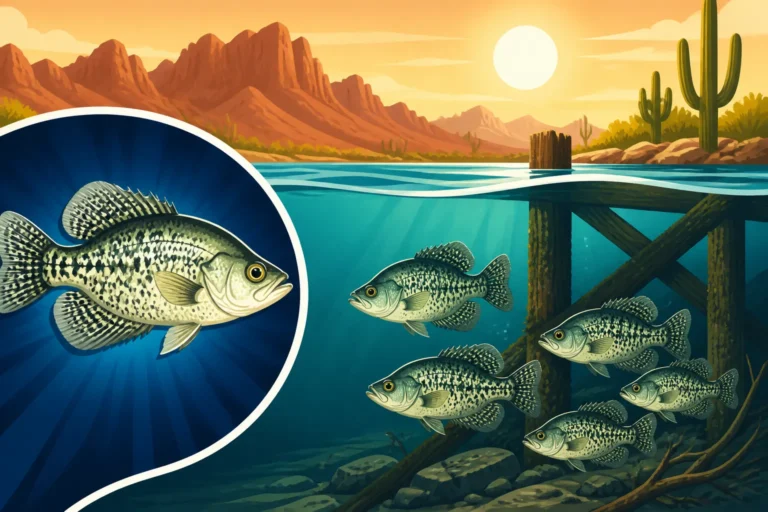
Crappie are without a doubt one of Arizona's most cherished sportfish. They bring excitement to anglers across the state, from seasoned veterans to excited kids. These fish are known for their schooling behavior, aggressive bites, and, of course, their fantastic flavor. Understanding the specific types of crappie found here and their role in our aquatic environments helps us appreciate why they are such a staple of the "panfish" category.
Identifying Arizona's Crappie Species
In Arizona, anglers primarily encounter two distinct species of crappie: the Black Crappie and the White Crappie. While they share many similarities and are often found in the same waters, there are subtle differences in their appearance and preferred habitats that can help you target them more effectively.
Black Crappie (Pomoxis nigromaculatus):
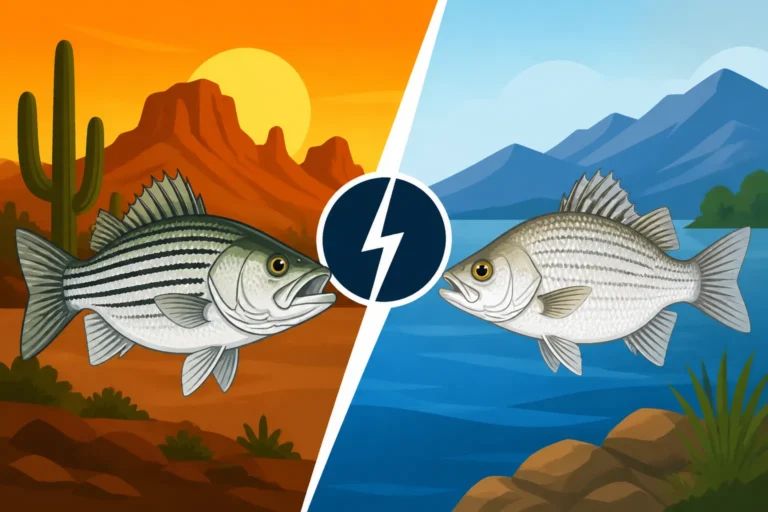
- Appearance: Black crappie typically have a darker, more mottled appearance, with irregular black spots scattered across their silvery-green bodies. A key identifying feature is the dorsal fin, which usually has 7 or 8 spines. Their body shape tends to be more deep and compressed, almost disc-like.
- Habitat: These crappie generally prefer clearer, cooler waters with abundant submerged vegetation, brush piles, and standing timber. They are often found in larger, deeper lakes and reservoirs.
- Size: Black crappie can grow quite large in Arizona's productive waters, with trophy specimens pushing well over a pound, though most caught are in the 8-12 inch range.
White Crappie (Pomoxis annularis):
- Appearance: White crappie are usually lighter in color, with distinct vertical bars or stripes along their sides, rather than scattered spots. Their dorsal fin typically has 5 or 6 spines. Their body is often a bit more elongated and streamlined compared to the black crappie.
- Habitat: White crappie are often more tolerant of turbid (cloudy) waters and can be found in a wider variety of environments, including rivers and reservoirs with fluctuating water levels. They also seek out structure but might be found in slightly warmer, muddier conditions than black crappie.
- Size: Similar to black crappie, white crappie offer excellent eating sizes, with many falling into the 8-12 inch category.
Distinguishing between the two can sometimes be tricky, especially with smaller fish or hybrids, but paying attention to the spots/bars and dorsal fin spines can certainly help. For a more in-depth look, you might want to read Black Crappie vs White Crappie Identification. Both species are highly sought after by Arizona anglers, offering fast action and delicious fillets.
The Crappie's Role in the Ecosystem
Crappie aren't just great fun to catch; they play a significant role in the aquatic ecosystems of Arizona's lakes and rivers. They fit neatly into the food web, acting as both predator and prey, which contributes to the overall health and balance of their environment. Understanding this ecological role can give you better insight into where to find them and what they might be biting on.
As predators, crappie are opportunistic feeders. Their diet shifts as they grow. Younger crappie feast on zooplankton and aquatic insects. As they mature, their diet expands to include small baitfish like shad, minnows, and even smaller crustaceans. They are ambush predators, often hiding in submerged brush or timber, darting out to snatch unsuspecting prey. This feeding behavior is precisely why understanding structure is so crucial when targeting them—they aren't just there for cover; they're there for dinner! You can learn more about what they like to eat in Crappie Diet and Feeding Habits.
As prey, crappie are a vital food source for larger sportfish, including largemouth bass, striped bass, and even big flathead catfish. They are also preyed upon by fish-eating birds and other wildlife. Their schooling nature, especially when young, makes them a plentiful food source that helps support the populations of these larger predators. This dynamic interaction is why a healthy crappie population is often an indicator of a thriving lake ecosystem.
Furthermore, crappie are known for their prolific spawning habits. During the spring, typically when water temperatures hit the mid-60s, they move into shallower waters to build nests and lay eggs. This period, often referred to as the crappie spawn, is an incredibly active time for both the fish and the anglers who target them. The rapid reproduction cycle ensures a robust population, which is part of why they can sustain significant fishing pressure and remain a consistent panfish favorite. If you're interested in capitalizing on this, check out Crappie Spawning Season Tactics.
So, Is a Crappie a Panfish? The Definitive Answer
Alright, let's cut to the chase and settle the debate once and for all, at least from an angling perspective in Arizona. After exploring the general definition of a panfish and taking a closer look at our beloved crappie, the answer becomes crystal clear.
The Scientific and Angling Consensus
Yes, absolutely! Crappie are unequivocally considered a panfish.
While, as we discussed, "panfish" isn't a strict scientific taxonomy, the angling community, local fishing regulations, and common practice all firmly place crappie within this category. Here's why the consensus is so strong:
- Size: Crappie rarely exceed a couple of pounds, making them perfectly "pan-sized." Most of the crappie you'll catch in Arizona, while providing an exciting fight, are ideal for a single serving in the frying pan.
- Palatability: Their flaky, white, mild-flavored meat is highly prized. Crappie fillets are a staple at fish fries across Arizona, embodying the very essence of what makes a panfish desirable for the dinner table.
- Accessibility & Fun: Crappie are generally abundant in many of Arizona's major lakes and reservoirs. They often school, meaning if you find one, you're likely to find many more. This makes for consistent action and a high catch rate, which is a hallmark of good panfish fishing. They strike eagerly at small jigs, minnows, and other common baits, making them accessible even to novice anglers.
So, next time you're debating with a fellow angler, you can confidently state that crappie are indeed a type of panfish. They fit all the common criteria that anglers use for this informal, yet widely accepted, classification. They're a fantastic fish for all skill levels and consistently deliver both fun on the water and delicious meals at home. In fact, if you want to know more about the broader group, our Panfish and Sunfish Guide for Arizona is an excellent resource.
Practical Implications for Fishing Crappie
Knowing that crappie are panfish has some very practical implications for your fishing strategy, especially here in the unique desert environment of Arizona. It helps refine your gear choices, target locations, and preferred techniques.
First, let's talk gear. Because they are panfish, crappie respond best to light to ultra-light tackle. This means spinning rods in the 5 to 6-foot range with a fast or moderate action, paired with a small spinning reel spooled with 4-8 pound test monofilament or fluorocarbon line. Braided line can also work, especially if you're fishing around heavy cover, but a light monofilament allows for a more natural presentation of small baits. You don't need heavy rods or complex setups. For beginners, a simple rod and reel combo that you can find at any sporting goods store or even easily order from Amazon will do the trick.
Next, locations. Crappie love structure. This is a consistent theme across all panfish. Think submerged brush piles, standing timber, rock piles, bridge pilings, docks, and even deep ledges. In Arizona's desert lakes, water levels can fluctuate, so always pay attention to areas where old mesquite trees or submerged bushes might be. Major crappie destinations include Roosevelt Lake, Alamo Lake, Lake Pleasant, and the various lakes along the Salt River Chain like Apache and Canyon. These spots often hold impressive numbers of crappie throughout the year. For more specific location tips, check out Best Fishing Lakes in Arizona.
Finally, techniques. Crappie fishing often involves vertical jigging, casting small jigs, or fishing with live minnows under a bobber.
- Jigging: Using small jigs (1/32 to 1/8 ounce) tipped with a soft plastic grub or a live minnow is incredibly effective. Drop your jig to the depth where you're seeing fish on your fish finder, or just above structure, and gently lift and drop, or "jig," it to entice a bite.
- Bobber Fishing: This is a classic panfish technique. Rig a small hook with a live minnow or a piece of nightcrawler, set it at the desired depth under a bobber, and cast it near structure. The bobber acts as a visual strike indicator, making it perfect for relaxed fishing, especially with kids. Our guide on Best Bobbers for Panfish can help you choose the right one.
- Trolling: In larger lakes, slow trolling with small crankbaits or jigs can be very productive for covering water and locating schools of crappie.
The key is often a slow, subtle presentation. Crappie have delicate mouths, so use sharp, small hooks (like a #4 or #6 light-wire hook) and a gentle touch when setting the hook. When you find a school, the action can be fast and furious, leading to a cooler full of delicious fillets.
Fishing for Crappie (and Other Panfish) in Arizona
Arizona might be known for its desert landscape, but our lakes and rivers offer incredible opportunities for panfish, especially crappie. Whether you're a seasoned angler or just looking for a fun day out with the family, targeting crappie and other panfish is a rewarding experience. The satisfaction of a consistent bite and the promise of a fresh fish dinner are hard to beat!
Top Spots for Crappie and Panfish in Arizona
When it comes to chasing crappie and other panfish in Arizona, you've got some fantastic options. These lakes consistently produce good numbers of fish, making them prime destinations.
- Roosevelt Lake: This is arguably Arizona's crappie capital. Roosevelt Lake is huge, with countless coves, submerged timber, and brush piles that hold massive schools of crappie. During the spring spawn, the shallow coves can be absolutely brimming with fish. It's also great for other panfish like bluegill.
- Alamo Lake State Park: Located in western Arizona, Alamo Lake is another premier crappie fishery, often yielding both black and white crappie. Its fluctuating water levels mean that new structure is constantly being submerged, creating excellent habitat. It's a bit of a drive, but many anglers swear by its consistent action.
- Lake Pleasant: While famous for its largemouth bass and striped bass, Lake Pleasant also offers excellent crappie fishing, particularly in its northern coves and around submerged trees. It's a convenient option for Phoenix-area anglers.
- The Salt River Chain (Apache, Canyon, Saguaro Lakes): These scenic lakes near Phoenix also hold healthy populations of crappie. Canyon Lake, with its deep, clear waters, is known for good black crappie, while Apache Lake can be productive for both species. Saguaro Lake offers convenient access and often produces decent crappie, especially in the brushy areas.
- Community Fishing Program Lakes: Don't overlook the urban lakes! The Arizona Game and Fish Department's Community Fishing Program stocks many urban ponds and lakes with various panfish, including sunfish and occasionally crappie. These are perfect, accessible spots for beginners and families to get a lot of bites. Check out the Community Fishing Program Rules for details on these locations and stocking schedules.
No matter where you choose to go, always do a little research on current conditions and recent fishing reports. Water levels, temperatures, and recent stocking efforts can all impact your success. You can always get great tips from local tackle shops or online forums before heading out.
Essential Tips and Techniques for Panfish Success
To truly excel at catching crappie and other panfish in Arizona, a few key techniques and strategies will make a huge difference. These tips are generally effective for various panfish species and will help you maximize your catch.
- Locate Structure: This cannot be stressed enough. Crappie and most other panfish are drawn to structure like magnets. Use your boat's fish finder, or if fishing from shore, look for visible cover like docks, fallen trees, brush, or rocky points. If you're on a boat, a good fish finder that can show you depth and identify fish schools is incredibly valuable. Many affordable models available on Amazon are perfectly adequate for panfish. For more on finding fish around cover, read How to Fish a Brush Pile for Crappie.
- Go Light: As mentioned, light tackle is key. A light action rod (5-7 feet), a small spinning reel, and 4-6 pound test line are perfect. This setup allows for maximum sensitivity to detect subtle bites and makes even a small crappie feel like a powerhouse.
- Small Baits and Lures: Panfish have smaller mouths than bass, so your offerings need to be appropriately sized.
- Live Bait: Small minnows (1-2 inches) are consistently deadly for crappie. Also, small worms, mealworms, or crickets work wonders for bluegill and other sunfish. You can rig them on a small hook (size #6 to #10) under a bobber or use a tiny split shot to get them down. Our Best Bait for Crappie in Arizona guide has more specifics.
- Jigs: Tiny jigs (1/32 to 1/8 ounce) with small soft plastic bodies (grubs, tubes, or small swimbaits) are incredibly effective. Popular colors include chartreuse, white, black, and pink. Tip them with a small piece of minnow or a crappie nibbler for added scent.
- Small Spinners/Spoons: For more active fish or covering water, small inline spinners (like a Rooster Tail or Panther Martin) or tiny spoons can attract aggressive panfish.
- Work the Depths: Fish depth is crucial, especially when crappie are suspended. They often school at specific depths, sometimes just off the bottom, sometimes suspended in the water column. If you're not getting bites at one depth, adjust. Use your fish finder to pinpoint schools, or systematically work different depths until you find where they are holding.
- Patience and Subtle Presentation: Panfish can be finicky. Sometimes the slightest movement is all it takes. A slow retrieve, a gentle twitch of a jig, or letting a minnow swim naturally under a bobber will often out-fish aggressive presentations. Pay attention to how the fish are biting—sometimes it's a hard thump, other times just a slight "mushy" feel on the line.
- Sun Protection: Arizona's sun can be intense. Always bring plenty of water, wear a wide-brimmed hat, use sunscreen, and consider long-sleeved UPF clothing. Staying comfortable will allow you to fish longer and more effectively. Items like quality fishing gloves or a sun-protective buff, which you can easily grab from Amazon, make a huge difference.
By focusing on these practical tips, you'll be well on your way to enjoying some fantastic crappie and panfish action across Arizona. Remember, it's about enjoying the process, the beautiful Arizona outdoors, and the delicious reward at the end of a successful day! And for comprehensive gear recommendations, don't forget to look up our Best Tackle for Desert Lake Fishing article.
Disclaimer
This article is for general informational purposes only and does not constitute professional advice. Laws, prices and regulations vary by location and change over time. Consult a qualified professional for guidance on your specific situation.