Arizona Smallmouth Bass Record
There's nothing quite like the thrill of feeling that distinct tug on your line, the sudden, powerful fight, and then seeing the bronzeback flash beneath the surface. For many Arizona anglers, catching a smallmouth bass is a fantastic day on the water, but the dream of landing a state record smallmouth bass? That's a whole different league of aspiration. It's a testament to patience, skill, and a deep understanding of these incredible fish. This guide is dedicated to demystifying the Arizona Smallmouth Bass Record, exploring the waters where giants lurk, and offering insights for those brave enough to pursue their own place in the record books.
The Quest for the Record: Understanding Arizona's Smallmouth Bass History
The pursuit of a state record isn't just about catching a big fish; it's about connecting with a moment in angling history. It's about knowing you landed the largest of its species ever officially documented in Arizona's waters. This pursuit drives countless anglers, pushing them to learn more, fish harder, and respect the incredible natural resources we have.
What Defines a State Record Smallmouth Bass?
When we talk about a state record smallmouth bass, we're not just talking about any big fish. There's a formal process and specific criteria that must be met to earn that coveted title. It's a rigorous verification that ensures accuracy and preserves the integrity of the record books. The fish needs to be weighed on a certified scale, usually at a grocery store or marina that has one, and witnessed by at least two independent individuals. Length and girth measurements are also crucial, often requiring precise photography to document the catch before it's released or taken for taxidermy.
Beyond the raw measurements, the catch itself must adhere to all state fishing regulations. That means the angler must have a valid Arizona Fishing License Guide, use legal methods, and be in compliance with any special regulations for the body of water. Any deviation, no matter how small, can disqualify a potential record. It's not just about the fish; it's about the entire ethical and legal context of the catch. The Arizona Game and Fish Department is the official authority, and they have clear guidelines for submitting a potential record fish, ensuring that every contender is given a fair and thorough review.
The Current Reigning Champion: Details of Arizona's Smallmouth Record
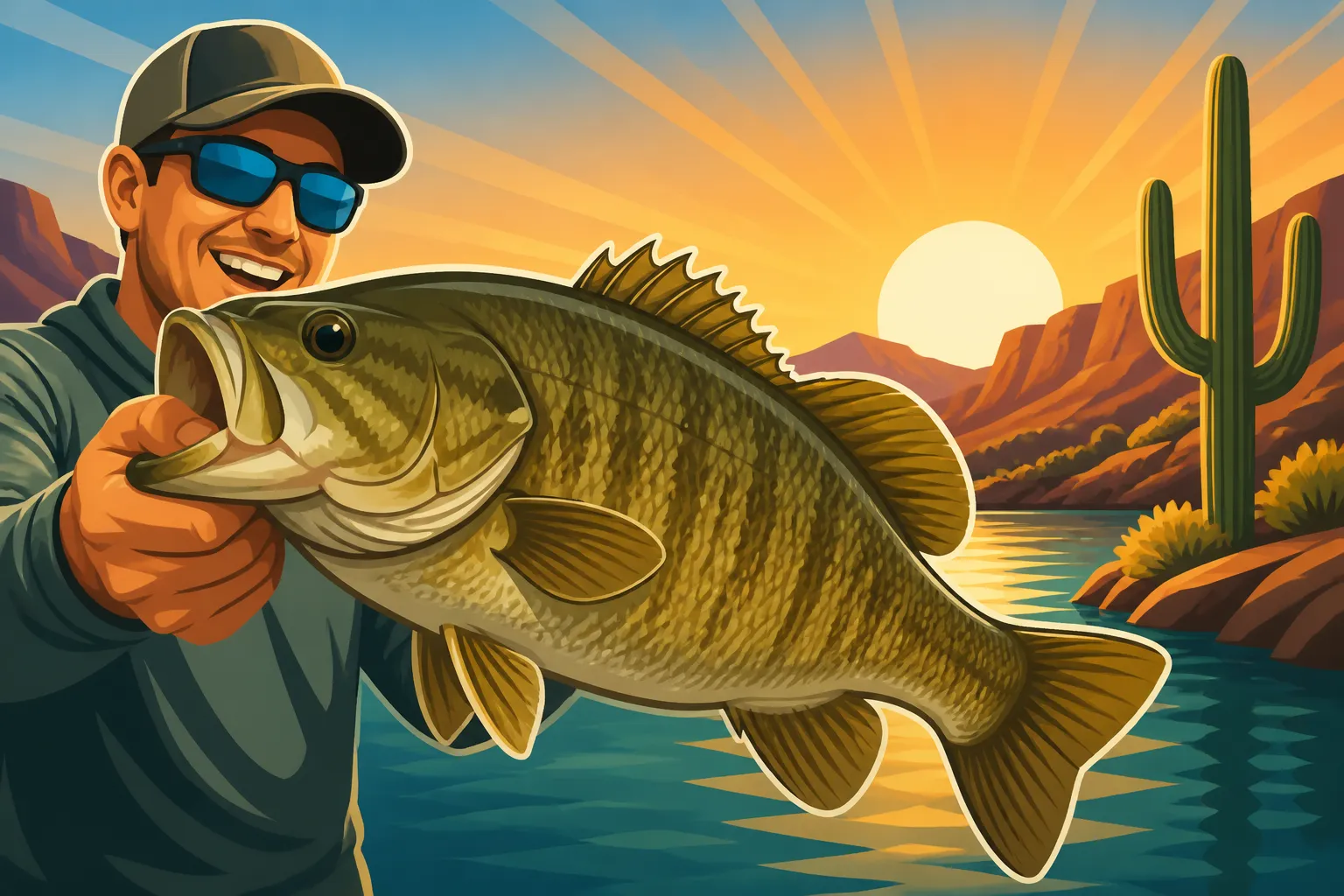
Arizona's state record for smallmouth bass stands as a monumental achievement, a testament to the growth potential of these tenacious fish in our desert waters. The current record holder is an absolute beast, weighing in at an astounding 7 pounds, 10 ounces. This colossal smallmouth was caught by angler Shaun Bailey in 1988, pulling it from the depths of Lake Powell. It was also an impressive 23 inches long. Think about that for a moment – nearly eight pounds of pure muscle and fight, a fish that undoubtedly gave the angler a battle to remember.
This record has stood for decades, a beacon of what's possible in Arizona's diverse fisheries. While many anglers have caught significant smallmouth over the years, topping this particular record requires a truly exceptional specimen. It speaks volumes about the incredible forage base and habitat diversity that Lake Powell offers, allowing some smallmouth to grow to such immense sizes. The story of this fish continues to inspire, reminding us that even after all these years, the next record-breaker could be lurking just beneath the surface, waiting for the right angler at the right time.
Prime Habitat: Where Arizona Grows Monster Smallmouth
When you're dreaming of a record-breaking smallmouth, you need to think about where these giants truly thrive. Arizona, despite its arid reputation, boasts several bodies of water that are perfect for smallmouth, with one lake, in particular, standing head and shoulders above the rest when it comes to trophy potential.
Lake Powell: A Smallmouth Powerhouse
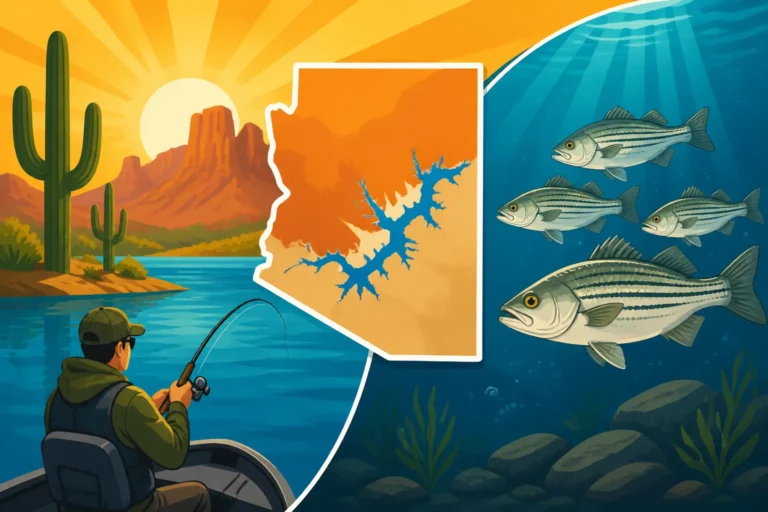
It's no surprise that the current state record smallmouth bass was caught in Lake Powell. This sprawling reservoir, straddling the Arizona-Utah border, is an absolute paradise for smallmouth bass. Its deep, clear waters, endless rock ledges, submerged canyon walls, and countless coves provide the ideal habitat for smallmouth to grow large and healthy. Unlike some other desert lakes, Lake Powell's vastness means less fishing pressure on any single spot, allowing older, larger fish to survive and continue growing.
The sheer volume of forage fish, particularly threadfin shad and crayfish, is a huge factor. These abundant food sources provide the high-protein diet necessary for smallmouth to pack on pounds and reach trophy sizes. The diverse structure also gives them ample hiding spots and ambush points, crucial for their predatory lifestyle. Anglers often spend days, even weeks, exploring Lake Powell's intricate arms and canyons, knowing that every bend could hold the next giant. For an in-depth look, check out our Lake Powell Arizona Fishing Guide. Many passionate anglers target specific areas of the lake, understanding that certain depths and rock formations tend to hold larger fish, especially during different seasons.
Other Contenders: Lesser-Known Smallmouth Havens
While Lake Powell holds the undisputed crown for the state record, it's not the only place where you can find impressive smallmouth bass in Arizona. Other lakes and sections of the Colorado River system offer excellent opportunities for strong, healthy smallmouth, even if they haven't produced a state record yet.
For instance, the upper stretches of the Colorado River in Arizona, particularly around Lake Mead and the waters below Hoover Dam, can harbor some decent smallmouth. These areas often mimic the rocky, clear water conditions that smallmouth love. While not as extensive as Lake Powell, these riverine environments provide current, structure, and forage that can support respectable populations. Anglers who venture to these areas with patience and the right techniques might be surprised by the size of the bronzebacks they encounter. Always remember that specific regulations, like those for the Colorado River Fishing Guide in Arizona, may vary, so always check before you cast.
| Arizona Smallmouth Waters | Key Characteristics | Typical Smallmouth Size | Potential for Trophy Fish |
|---|---|---|---|
| Lake Powell | Vast, deep, clear, endless rock structure, abundant forage | 1-3 lbs, common | Excellent (State Record Home) |
| Lake Mead (AZ side) | Deep, rocky, current, shad & crayfish forage | 1-2.5 lbs, good | Moderate to Good |
| Lower Colorado River | Riverine current, rocky areas, varied forage | 0.5-2 lbs, variable | Moderate |
| Roosevelt Lake | More varied structure, good forage, some smallmouth | 0.5-1.5 lbs, less common | Low to Moderate |
It's important to remember that fishing pressure, water levels, and overall habitat quality can fluctuate, affecting smallmouth populations and their growth rates. Nonetheless, these other locations still offer a fantastic challenge for those who love to target Smallmouth Bass Fishing Guide for Arizona.
Unlocking the Secrets: Biology and Behavior of Trophy Smallmouth
To catch a record smallmouth, you need to think like a smallmouth. Understanding their biology, what they eat, and how they behave in Arizona's unique environment is paramount. It's not just about casting a lure; it's about presenting it where and when these big fish are most likely to feed.
Diet and Growth Factors: What Fuels Giant Smallmouth?
Trophy smallmouth bass don't get massive by accident; they grow that big by eating a lot of high-quality food. In Arizona's premier smallmouth waters, particularly Lake Powell, the primary drivers of growth are abundant forage species like threadfin shad and crayfish. Threadfin shad are small, schooling baitfish that provide an easy, high-calorie meal for growing bass. Crayfish, on the other hand, offer a rich, protein-packed food source that smallmouth absolutely adore. The rocky environments of Lake Powell are ideal for crayfish, giving smallmouth a consistent and nutritious diet.
Factors like water temperature, oxygen levels, and overall water quality also play significant roles in how big a smallmouth can get. Stable water temperatures allow for consistent feeding and growth, while good oxygen levels ensure the fish are healthy and active. A long growing season, typical of Arizona's warmer climate, also contributes to their ability to reach larger sizes compared to smallmouth in colder, shorter-season climates. This consistent access to food and favorable conditions is precisely why you find such impressive specimens, like the Smallmouth Bass Average Weight at Lake Powell, in these waters.
Seasonal Movements and Preferred Structure
Smallmouth bass are highly attuned to their environment, and their movements are dictated by water temperature, forage availability, and spawning instincts. Understanding these patterns is key to locating and catching them. In Arizona's desert lakes, smallmouth will often move from shallow, rocky spawning beds in the spring to deeper, cooler water as summer temperatures rise.
During spring, when water temperatures are in the 55-65 degree Fahrenheit range, smallmouth will move into shallower coves and rocky points to spawn. This is a prime time to target them, but remember to practice catch and release to protect the fishery. As summer approaches and water temperatures climb, they'll retreat to deeper ledges, canyon walls, and submerged structure where the water is cooler and oxygen levels are more stable. They often relate to points, drop-offs, and humps, using these features to ambush passing baitfish. In the fall, as waters cool again, smallmouth will move back to shallower to mid-depth ranges, aggressively feeding to bulk up for winter, often found schooling around bait. Winter sees them move to the deepest, most stable parts of the lake, often suspended over deep structure. Knowing Smallmouth Bass Habitat in Arizona Lakes and these seasonal shifts is crucial for any angler hoping to land a personal best.
Tactics for Targeting Titans: Equipment and Techniques
Chasing a state record smallmouth isn't like casual fishing; it requires specialized gear and refined techniques. Every edge counts when you're trying to fool a fish that has likely evaded countless other anglers to reach its monumental size.
Specialized Gear for Trophy Smallmouth
When it comes to tackle for trophy smallmouth, finesse is often the name of the game, but with enough backbone to handle a powerful fight. You'll want a sensitive yet strong spinning rod, typically 6'6" to 7'6" in medium-light to medium power, with a fast action tip. This allows for long, accurate casts with lighter baits and maximum sensitivity to detect subtle bites. A quality spinning reel in the 2500-3000 series, spooled with a sensitive braided line (like 8-15 lb test) and a fluorocarbon leader (6-10 lb test), provides the perfect combination of casting distance, feel, and abrasion resistance against those rocky environments.
Electronics are also incredibly important, especially on vast, deep lakes like Powell. A good fish finder with side-imaging and down-imaging capabilities can reveal subtle ledges, submerged brush, and individual fish holding on structure that would be impossible to find otherwise. Investing in quality gear is an investment in your success, and many anglers find an excellent selection of specialized smallmouth gear, from finesse jigs to micro-crankbaits and powerful fish finders, on platforms like Amazon. Don't skimp on sun protection either; Arizona's sun is no joke, so good polarized sunglasses are essential for spotting structure and even fish in clear water.
Advanced Fishing Techniques
Trophy smallmouth often won't fall for just any lure. They've seen it all, and they're usually found holding tight to specific structures. This is where advanced finesse techniques really shine. The drop-shot rig is a perennial favorite for big smallmouth, allowing you to present a small, subtle bait just above the bottom, keeping it in the strike zone longer. Light jigs, such as a Ned rig or small hair jigs, are also incredibly effective, especially when fished slowly along rocky ledges and points. These baits perfectly mimic crayfish or small baitfish, and their subtle action is often irresistible to wary smallmouth. For a deeper dive, read about How to Fish a Drop Shot for Smallmouth Bass.
Small swimbaits, especially those mimicking threadfin shad, can also be deadly when smallmouth are actively chasing bait. Look for "striper boils" where striped bass and smallmouth will often push bait to the surface, presenting a chaotic but fruitful opportunity. Vertical jigging spoons can also produce when fish are holding deep, especially during colder months. The key across all these techniques is patience, understanding the fish's behavior, and presenting your bait as naturally as possible. Don't be afraid to experiment with different retrieve speeds and pauses until you find what triggers a bite. And remember to check out Best Lures for Smallmouth Bass at Lake Powell for specific recommendations.
Beyond the Record: The Allure of Smallmouth Fishing in Arizona
While the state record is a monumental achievement, the true beauty of smallmouth bass fishing in Arizona extends far beyond just chasing the biggest fish. It's about the experience, the challenge, and the connection to the incredible wild spaces of our state.
The Challenge and Reward of Chasing Big Bass
Smallmouth bass are known for their fierce, acrobatic fights. They're not called "bronze bombers" for nothing! Unlike their largemouth cousins who often head for cover, smallmouth tend to fight clean, staying in open water, making powerful runs, and often leaping clear of the water in an attempt to throw the hook. This intense battle is incredibly rewarding, regardless of the fish's size. Chasing big smallmouth, in particular, requires a significant investment of time, effort, and skill. You might spend days covering water, meticulously fishing structure, and trying different presentations before you finally connect with that one special fish.
The reward isn't just a heavy stringer or a trophy photo; it's the satisfaction of figuring out the puzzle, of presenting the perfect bait in the perfect spot at the perfect time. It's the memory of that heart-stopping strike and the adrenaline rush of the fight. Every angler knows that feeling, and it's what keeps us coming back to the water, hopeful for that next epic encounter.
Conservation and Responsible Angling
With the growing popularity of fishing, especially for species like smallmouth bass, responsible angling and conservation practices are more important than ever. While it's exciting to think about breaking a record, protecting the future of our fisheries ensures that generations to come can also experience the thrill of catching these magnificent fish. This often means practicing catch and release, particularly for larger, older fish that are vital for a healthy breeding population. Many anglers who target trophy smallmouth are strong proponents of quickly photographing their catch and releasing it unharmed.
Understanding and adhering to Arizona Fishing Regulations Explained is also critical. These rules are in place to manage fish populations sustainably. Beyond regulations, anglers can practice good stewardship by minimizing their impact on the environment, properly disposing of trash, and being mindful of other users of the waterways. By prioritizing conservation, we ensure that Arizona's smallmouth bass populations, and the dream of catching a state record, remain vibrant for years to come.
Disclaimer
This article is for general informational purposes only and does not constitute professional advice. Laws, prices and regulations vary by location and change over time. Consult a qualified professional for guidance on your specific situation.