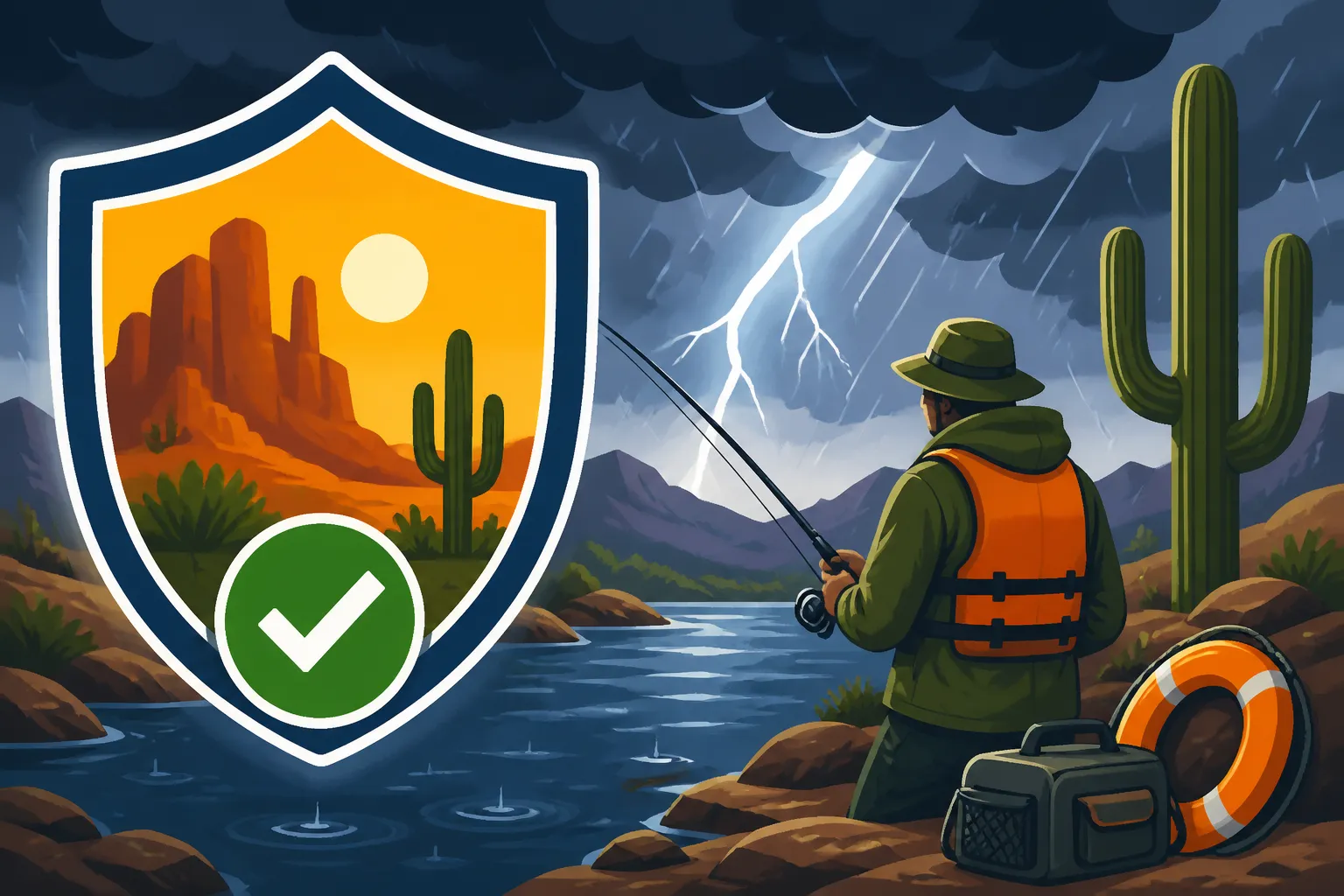
How to Fish Safely During Monsoon Storms in Arizona
Arizona's monsoon season can be an incredible time for fishing, with the refreshing rain often stirring up fish activity, but it also brings unique and serious dangers that many anglers, especially those new to the desert, underestimate. The sudden, violent storms can turn a calm fishing trip into a life-threatening situation in minutes. This guide will walk you through exactly how to prepare for and safely navigate fishing during these dramatic weather events, ensuring your time on the water remains enjoyable and secure.
Understanding Arizona Monsoons and Their Dangers
The Arizona monsoon season, typically running from mid-June to late September, is a distinct weather pattern characterized by a dramatic shift in wind direction, bringing moisture from the Gulf of California and the Gulf of Mexico into the state. This influx of humidity, combined with intense desert heat, creates conditions ripe for powerful thunderstorms. These aren't your typical gentle summer showers; they are often localized, intense, and can escalate rapidly.
Flash Flooding and Abrasive Runoff
One of the most immediate and severe threats during an Arizona monsoon is flash flooding. Our desert landscape, with its hard-baked soils and intricate network of washes and canyons, is poorly equipped to absorb sudden, heavy rainfall. What might seem like a dry creek bed or a gentle dip in the terrain can become a raging torrent of water and debris in mere moments. These flash floods can occur miles away from where the rain is actually falling, sweeping unsuspecting anglers, vehicles, and camping gear downstream. It's not just the water that's dangerous; the runoff carries everything from rocks and mud to trees and other hazards, turning even shallow water into an abrasive, destructive force. Imagine setting up camp near what you think is a harmless dry wash only to wake up to a roaring river trying to carry your tent away. It's a terrifying reality for those unprepared.
Moreover, the sudden influx of water into our lakes and rivers can drastically change water levels and clarity, sometimes making fishing challenging or even dangerous due to floating debris or strong currents. For anyone planning a trip, understanding the local geography and the potential for these sudden deluges is paramount. If you're wondering how the monsoon season impacts fish behavior, check out our guide on the Arizona Monsoon Season Fishing Guide.
Lightning Strikes and Electrocution Risks
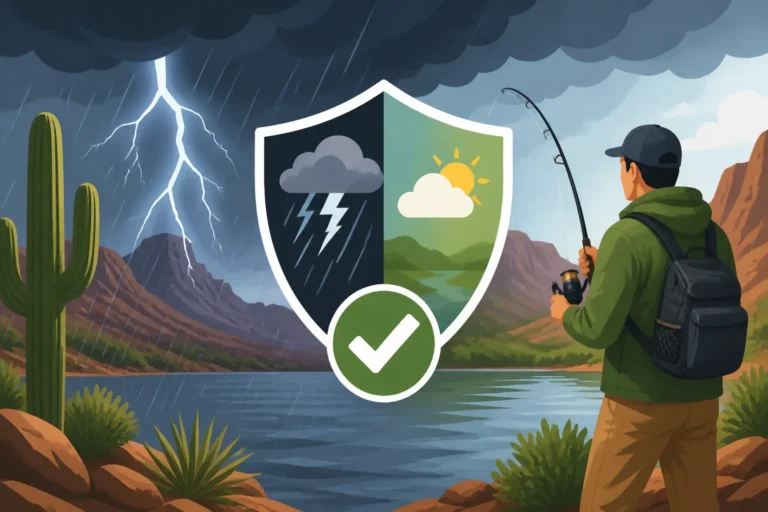
Arizona is a hotspot for lightning activity during the monsoon. These storms produce frequent, powerful lightning strikes that can be incredibly dangerous, especially when you're out on an open lake or near tall trees. Water, of course, is an excellent conductor of electricity, making anyone on or near it during a lightning storm extremely vulnerable. Holding a graphite fishing rod, which can act as a lightning rod, only exacerbates the risk. The danger isn't just a direct strike; even a nearby strike can send a lethal electrical current through the water, through your boat, or even through the ground around you. It's a sobering thought to consider that your favorite fishing spot could become an electrocution hazard in the blink of an eye. Always remember the saying: "When thunder roars, go indoors!" Or, at the very least, get off the water and away from open areas immediately.
High Winds and Dust Storms (Haboobs)
Monsoons often bring with them powerful gusts of wind that can reach hurricane-force speeds. These winds create treacherous conditions on the water, whipping up large waves on lakes and making boat control difficult, if not impossible. Kayakers and small boat operators are particularly susceptible to being capsized or blown far from shore. Even bank anglers can face danger from falling branches or flying debris.
Compounding this, severe dust storms, locally known as "haboobs," are a common precursor or accompaniment to monsoon thunderstorms. These massive walls of dust can reduce visibility to zero in seconds, turning a sunny day into an instant blackout. If you're driving to or from a fishing spot, a haboob can lead to dangerous whiteout conditions, causing multi-car pileups on freeways. On the water, a haboob can disorient you, making navigation impossible and increasing the risk of collision or becoming stranded. When you're out there, having a solid plan for How to Fish Safely During Monsoon Storms in Arizona is non-negotiable.
Pre-Fishing Preparations for Monsoon Season
Planning is your best defense against the unpredictable nature of Arizona monsoons. Don't leave your safety to chance; a few proactive steps can make all the difference.
Monitoring Weather Forecasts Relentlessly
Never, ever head out during monsoon season without thoroughly checking the forecast. And then check it again. And again. The desert weather can change rapidly, and what looks clear in the morning can turn into a raging storm by afternoon. Use reliable weather apps and services that offer real-time radar and lightning strike data. Apps like AccuWeather, The Weather Channel, or even NOAA's weather radio are invaluable tools. Pay special attention to any flash flood warnings, severe thunderstorm watches or warnings, and wind advisories. The moment you see "thunderstorm chance" in the forecast, understand that it implies serious business in Arizona. Don't just look at the overall regional forecast; zoom in on your specific fishing location, as monsoon cells can be highly localized. A clear sky 10 miles away means nothing if a cell is building directly over your fishing hole. For insights on year-round planning, check out our general guide to Arizona Fishing Seasons Explained.
Essential Gear for Monsoon Safety
Your fishing gear checklist needs to be robust when venturing out during monsoon season. Beyond your rods, reels, and tackle, consider these vital safety items:
- Personal Flotation Devices (PFDs): These are non-negotiable for anyone on a boat, kayak, or even wading near strong currents. Make sure everyone has a properly fitting PFD and wears it. Don't just stash it under a seat; it might be too late to put it on when a storm hits. Many modern PFDs are comfortable enough to wear all day. You can find excellent options on Amazon, from lightweight inflatable models to traditional foam vests that offer a bit more warmth if conditions turn chilly after the rain.
- Rain Gear: High-quality waterproof rain jackets and pants are essential. Not just to stay dry, but to prevent hypothermia if temperatures drop significantly after a downpour. Lightweight, packable options are ideal.
- Communication Devices: Your cell phone is a start, but don't rely solely on it, especially in remote areas where service is spotty. A fully charged satellite communication device or a marine VHF radio can be a lifesaver for calling for help or receiving weather updates when out of cell range. Always have a portable power bank, readily available on Amazon, to keep your phone charged.
- First-Aid Kit: A comprehensive kit with supplies for cuts, scrapes, insect bites, and any personal medications. Monsoon conditions can make minor injuries more problematic.
- Emergency Shelter/Blanket: A lightweight emergency blanket or even a small tarp can provide crucial shelter from unexpected rain or sudden temperature drops.
- Plenty of Water: Dehydration is a year-round threat in Arizona. Even with rain, you'll be exerting yourself, and humidity can still drain you. Consider bringing a large, insulated cooler filled with ice and water, especially if you're out in the scorching summer heat before the storm hits. Our guide on Best Coolers for Hot-Weather Fishing in Arizona has some great recommendations.
- Headlamp/Flashlight: With sudden darkness from storms or haboobs, good lighting is crucial for packing up or navigating back to safety.
A structured approach to your gear can make a big difference. Here’s a quick overview of essential safety gear:
| Item | Purpose | Monsoon Relevance |
|---|---|---|
| Personal Flotation Device (PFD) | Buoyancy in water | Essential for flash floods, boat capsizing |
| Waterproof Rain Gear | Stay dry and warm | Prevents hypothermia, essential during heavy rain |
| First-Aid Kit | Treat injuries | Monsoon conditions can exacerbate minor incidents |
| Communication Device | Call for help, get weather updates | Cell service unreliable; satellite/VHF critical |
| Emergency Blanket | Shelter from rain, warmth | Sudden temperature drops post-storm |
| Headlamp/Flashlight | Visibility in low light | Haboobs, sudden darkness from storm clouds |
| Hydration Pack/Water | Prevent dehydration | Crucial in desert heat, even with rain |
| Whistle | Signal for help | Loud signal in windy/noisy conditions |
| Weather Radio (NOAA) | Real-time weather alerts | Critical for immediate storm warnings |
For a broader perspective on what to bring, consider consulting our general Fishing Gear Checklist for Desert Lakes.
Developing an Evacuation Plan
Before you even cast your first line, know your escape routes. This is critical if you're fishing remote areas or on larger bodies of water like Lake Pleasant or Roosevelt Lake.
- Identify Safe Zones: Where will you go if a storm hits? A nearby boat ramp, a designated safe harbor, or your vehicle parked on high ground? Look for established structures or areas away from washes, low-lying spots, and tall trees.
- Know Your Route: If you're boating, understand your quickest path back to shore and the nearest marina. If you're bank fishing, know which paths lead directly to your vehicle and how to avoid crossing any washes.
- Communication with Others: If you're fishing with a group, establish a communication plan. What's the signal to head back? Where's the designated meeting point? Let someone not on the trip know your itinerary and when you expect to return. This "float plan" is a good practice anytime you venture out, but it's vital during monsoon season.
Being familiar with boating safety requirements, such as those covered in Boating Safety Gear Requirements in Arizona, is another key part of your evacuation strategy.
On-the-Water Safety During a Storm
Even with the best preparation, sometimes a storm just sneaks up on you. Knowing what to do in the moment can be the difference between a close call and a serious incident.
Recognizing Warning Signs
The desert has its own language when it comes to impending storms. Learn to read it.
- Sky Changes: Look for towering cumulonimbus clouds, especially those with an anvil shape. Darkening skies, particularly to the west or southwest, are a dead giveaway. You might also notice a hazy, reddish tint in the air, indicating dust being stirred up.
- Wind Shifts: A sudden shift in wind direction or an increase in wind speed is a strong indicator. Often, the air will become eerily still just before the winds hit.
- Temperature Drops: A noticeable, rapid drop in air temperature can precede a monsoon outflow boundary.
- Distant Thunder/Lightning: Even if the storm seems far away, if you hear thunder, it's close enough to be dangerous. Lightning can strike many miles from the storm's center. If you can count less than 30 seconds between a lightning flash and thunder, the storm is within 6 miles, and you should be seeking shelter immediately.
If you observe any of these signs, don't wait for the first raindrop. Pack up and get to safety. Our guide on How to Fish During Arizona's Monsoon Season offers more tips on sensing these shifts.
Immediate Actions During a Storm
Once a monsoon hits, you need to act quickly and decisively.
- Seek Shelter Immediately:
- On a Boat: Head directly for the nearest safe harbor or shore. If you can't make it to shore, drop anchor and turn your boat into the waves to minimize rocking. Lower any tall antennas or fishing rods. Stay low in the boat, away from conductive materials.
- Kayakers/Canoeists: Paddle to shore immediately. Do not attempt to ride out a storm on the open water. Get off the water, abandon your craft if necessary, and seek shelter under a sturdy structure or in your vehicle. Avoid lone trees, open fields, and anything that can conduct electricity.
- Bank Anglers: Get away from the water's edge, put down your fishing rod, and seek shelter in a sturdy building or your vehicle. Avoid standing under isolated tall trees or near metal objects. If no solid shelter is available, crouch low to the ground in a ditch or depression, but be mindful of flash flood risks.
- Protect Electronics: If you have sensitive electronics like fish finders or GPS units, cover them with waterproof bags or put them away to protect them from rain and potential lightning surges.
- Stay Hydrated (Even in the Rain): Despite the rain, exertion and changing conditions can still lead to dehydration. Continue to drink water.
- Keep Your PFD On: Even if you're on shore, if there's any risk of flash flooding, keep your PFD on.
Remember, safety is paramount. No fish is worth risking your life. If you're wondering about the legal ramifications of fishing during unsafe conditions, review Fishing Violation Fines and Penalties in Arizona.
Post-Storm Considerations for Fishing
The storm has passed, but the dangers aren't necessarily over. Post-monsoon conditions can still pose significant risks, and understanding them is crucial before resuming your fishing adventure.
Assessing Lingering Dangers
After the rain stops and the thunder fades, take a moment to assess the environment before you think about casting again.
- Flash Flood Aftermath: Was there significant rainfall upstream or in nearby areas? Washes and rivers can continue to rise even after the immediate storm has passed. Wait for water levels to recede before attempting to cross any moving water or returning to low-lying areas. The ground may also be saturated, leading to unstable banks and potential mudslides in steeper terrain.
- Water Quality and Debris: Lakes and rivers might be churned up, filled with muddy runoff, and carrying various debris. This can make fishing difficult and potentially dangerous if submerged logs or other hazards are present. Water clarity will be poor, impacting visibility for both you and the fish.
- Damaged Roads and Access: Roads leading to fishing spots, especially dirt or gravel roads, can become impassable due to mud, erosion, or washouts. Always check road conditions before attempting to drive through affected areas.
- Lingering Electrical Threat: While the active lightning may have passed, ground currents can still be a threat shortly after a storm. Give it a good 30 minutes after the last thunderclap before resuming activities in open areas.
Always prioritize your safety and the condition of the access points. It's often better to call it a day and enjoy the post-rain freshness from a safe vantage point.
Resuming Fishing Safely
If you decide the conditions are safe enough to continue fishing, do so with extreme caution and adjust your approach.
- Re-evaluate Your Spot: Your preferred spot might now be underwater, inaccessible, or simply too dangerous due to unstable banks or debris. Be flexible and scout for safer alternatives.
- Changed Fish Behavior: Post-monsoon, fish behavior can change dramatically. The influx of cooler, oxygenated water can sometimes trigger a bite, but the muddy water and increased currents might also shut them down. Adjust your tactics accordingly. You might need to use baits that rely more on scent or vibration, or fish deeper where the water might be clearer.
- Check Your Gear: Before you reel in again, quickly check your boat, kayak, or bank setup for any damage incurred during the storm. Ensure all ropes, anchors, and other gear are secure. If you use specialized equipment, like those from Humminbird or Lowrance, make sure they weren't impacted.
- Be Aware of Wildlife: Monsoons can displace wildlife, so be extra vigilant for snakes, scorpions, and other creatures that might be seeking higher, drier ground.
- Stay Connected: Continue to monitor weather forecasts, as secondary storms or lingering cells can form. Keep your communication devices charged and accessible. This sustained awareness is key to enjoying all Arizona Fishing Regulations Explained and ensuring you don't break any rules while focused on safety.
Ultimately, while the desert monsoon can be a magnificent display of nature's power, it demands immense respect and thorough preparation from anyone planning to fish. By understanding the risks, preparing diligently, and acting decisively, you can enjoy the unique fishing opportunities that these storms sometimes bring, all while staying safe.
Disclaimer
The information provided in this guide is for general informational purposes only and does not constitute professional advice. Always exercise caution and use your best judgment when engaging in outdoor activities, especially during severe weather conditions. Weather can be unpredictable, and conditions can change rapidly. Always consult official weather forecasts and local authorities for the most up-to-date information and warnings specific to your location. The author and publisher are not responsible for any accidents, injuries, or damages that may occur from following the advice in this guide. Your safety is your responsibility.