Arizona Monsoon Season Fishing Guide
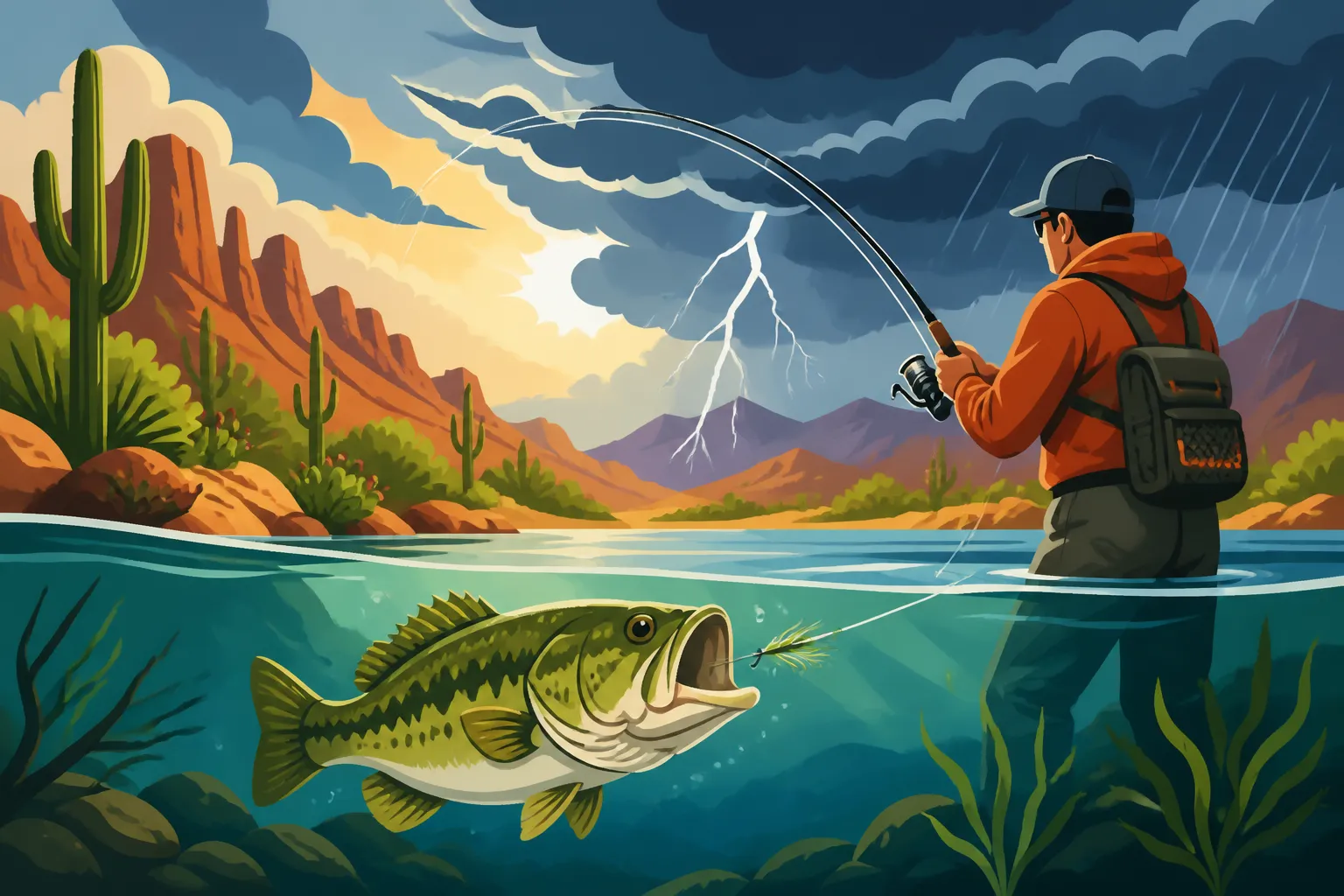
Oh, the Arizona monsoon season! It’s a time of year that can be both incredibly frustrating and surprisingly rewarding for anglers. One minute, you're enjoying a peaceful morning on the lake, and the next, dark clouds roll in, the wind howls, and lightning cracks, making you wonder if you should have just stayed home. This guide is all about helping you understand the unique challenges and hidden opportunities that the monsoon brings to Arizona fishing, so you can stay safe, make the most of the weather, and maybe even land that trophy fish.
Understanding the Arizona Monsoon Season
For those of us who live and breathe Arizona fishing, the monsoon isn't just a weather pattern; it's a seasonal shift that completely alters the angling landscape. It's often misunderstood, sometimes feared, but with the right knowledge, it can be a truly special time on the water.
What is the Monsoon?
When we talk about the Arizona monsoon, we're referring to a large-scale atmospheric circulation pattern that brings a dramatic increase in moisture and thunderstorms to the southwestern United States. Unlike a typical summer storm, the monsoon is characterized by a persistent shift in wind direction, pulling moisture up from the Pacific Ocean, the Gulf of California, and the Gulf of Mexico. This influx of humidity fuels daily thunderstorms, often popping up in the afternoon and evening. It's not just a single storm; it's weeks of this humid, unpredictable weather, turning our usually dry desert into a vibrant, stormy spectacle. These storms can be localized and intense, dumping massive amounts of rain in a short period, sometimes leading to flash flooding in areas that haven't seen a drop of rain in months.
Typical Timing and Characteristics
The Arizona monsoon season typically runs from mid-June through mid-September, though its exact start and end dates can vary slightly year to year. Historically, the peak activity usually falls in July and August. What makes it so distinctive are the sudden, often violent, thunderstorms that develop, usually after a morning of clear, sunny skies. You might wake up to blue skies and a gentle breeze, head out fishing, and by 2 PM, the sky is black, the wind is ripping, and the rain is coming down in sheets.
These storms bring a mix of heavy rain, strong winds, frequent lightning, and sometimes even hail. The air itself feels different – heavy, humid, and charged, a stark contrast to the dry heat we experience for most of the year. It's this characteristic suddenness and intensity that makes planning a fishing trip during the monsoon a unique challenge, demanding constant vigilance of weather forecasts and an ability to adapt quickly. The rapid changes can be intimidating, but they also trigger specific fish behaviors that anglers can learn to exploit.
Why the Monsoon is a Game-Changer for Fishing
The monsoon is more than just bad weather; it's a complete environmental reset for our desert ecosystems, including our lakes and rivers. This isn't just about dodging raindrops; it's about understanding how these powerful storms fundamentally alter water conditions and, consequently, fish behavior. One of the most immediate effects is the drop in air temperature, even if it's only temporary. The heat can be brutal during an Arizona summer, and those pre-storm cool-downs or post-storm breezes can really get fish active.
Beyond temperature, the rain brings significant runoff into our lakes and reservoirs, stirring up nutrients, baitfish, and insects that have been dormant. This sudden influx of food can trigger aggressive feeding patterns, especially from species like bass and catfish that thrive in these dynamic conditions. However, it also changes water clarity and oxygen levels, which can either stimulate or shut down a bite depending on the severity and duration of the storm. Understanding these shifts is key to successful monsoon fishing; it's not just about enduring the weather but about leveraging its effects.
Impact of Monsoon on Arizona Lakes and Rivers
The monsoon season transforms Arizona's waterways in profound ways. These changes, while sometimes inconvenient or even dangerous, are precisely what make monsoon fishing such a distinct experience. You can't just fish the same way you would in April or October; you have to adapt to the new reality the storms create.
Water Temperature and Oxygen Levels
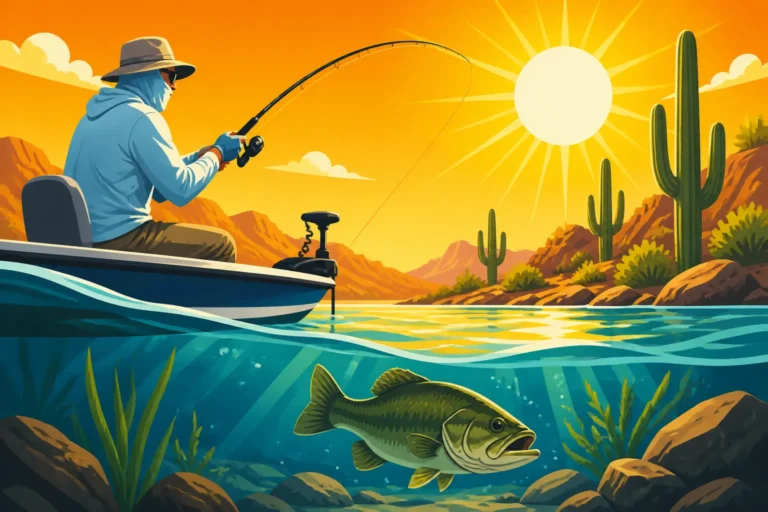
The scorching Arizona summer sun often leads to extremely warm surface water temperatures in our lakes, particularly in the lower elevations. This heat can stress fish, pushing them deeper into cooler, more oxygenated thermoclines, making them lethargic and harder to catch. However, monsoon thunderstorms can bring a welcome, albeit temporary, reprieve. The heavy rains are usually much cooler than the ambient water, and the churning action of strong winds can help mix the water column.
This mixing and cooling can infuse oxygen into warmer surface waters and help break up the thermal stratification, at least in localized areas. Fish, especially bass, crappie, and trout, often respond positively to this increase in oxygen and slight drop in temperature, becoming more active and moving into shallower feeding zones they might have avoided during the stifling calm of a typical summer day. It's a prime example of how even short-term weather events can create windows of opportunity.
Water Clarity and Runoff
One of the most dramatic and immediate impacts of monsoon storms is the change in water clarity due to runoff. When those intense downpours hit, they wash vast amounts of silt, mud, and debris from the surrounding desert landscape into the lakes and rivers. This can turn crystal-clear water into a muddy, coffee-colored mess in a matter of hours. While some anglers might see this as a deterrent, it's actually a significant factor that can improve fishing, especially for certain species.
The inflow of dirty water creates a "feeding edge" where the murky water meets clearer water. Baitfish often congregate in the clearer water, and predatory fish lurk in the murkier, more oxygenated areas, ambushing unsuspecting prey. This runoff also carries terrestrial insects, worms, and other organic matter into the water, providing a sudden buffet for fish. Species like catfish and bass, which rely heavily on scent and vibration, can thrive in these turbid conditions. However, trout, which are more sight-feeders, might become harder to catch until the water settles. Learning How to Fish Muddy Water After a Monsoon is a crucial skill for monsoon anglers.
Fish Behavior and Feeding Patterns
The combination of changing water temperatures, oxygen levels, and clarity profoundly alters fish behavior and feeding patterns. Before a storm hits, especially when the atmospheric pressure drops, many fish species enter a pre-frontal feeding frenzy. They sense the coming change and gorge themselves, making for some incredibly active fishing. Once the storm breaks, the immediate aftermath can be a bit of a reset.
After the initial runoff, the influx of food and oxygen can reignite feeding. Bass might move closer to the banks, especially near washes and culverts where new food sources are entering the lake. Catfish become incredibly active, using their keen sense of smell to track down food stirred up by the dirty water. Crappie might move to newly oxygenated cover. However, in extremely muddy conditions or during intense lightning, fish might hunker down. Understanding these nuanced shifts in behavior is key to adapting your Arizona Fishing Seasons Explained strategies.
Safety First: Monsoon Season Fishing Risks and Precautions
As exciting as monsoon fishing can be, it comes with inherent risks that cannot be ignored. The sudden, violent nature of these storms demands a heightened sense of awareness and preparedness. Your safety, and the safety of anyone with you, should always be your top priority.
Lightning and Thunderstorms
This is arguably the most dangerous aspect of monsoon fishing. Lightning can strike miles away from the rain, and being on the water or in an open area like a shoreline makes you an incredibly vulnerable target. It's not just a matter of getting wet; it's a life-or-death situation. If you see lightning or hear thunder, the best course of action is to immediately seek shelter. This means getting off the water, getting out of open areas, and getting into a substantial building or a hard-topped vehicle. Trees, picnic shelters, and small tents offer virtually no protection.
Always check the weather forecast before you head out, and continue to monitor radar apps on your phone or a weather radio if you're out of cell service range. Many advanced weather apps, some available for download on platforms like Amazon, offer lightning strike alerts that can give you precious minutes of warning. Never take chances with lightning; a fish isn't worth your life. Even if the storm seems distant, lightning can travel horizontally.
Flash Flooding and Rising Water
Another severe risk during the monsoon is flash flooding, especially in Arizona's desert washes and canyons. What might look like a dry creek bed can turn into a raging river in minutes, even if the rain fell miles upstream. Never camp, park, or fish in dry washes during the monsoon season. Roads can become impassable, and low-water crossings can become deadly traps. Even on large lakes, intense localized rainfall can cause water levels to rise rapidly, and the incoming runoff can carry large amounts of debris.
If you're fishing a river or stream, pay close attention to any changes in water level or current. If the water starts to rise or become murky quickly, it's time to leave immediately. On lakes, be mindful of where you launch and retrieve your boat, as access points can be affected by rising water or slick mud. Always have an escape plan and be aware of your surroundings, particularly when fishing near any potential runoff areas.
Gear and Personal Safety
Beyond natural phenomena, there are critical gear and personal safety precautions you need to take. First, wear appropriate clothing that can handle sudden downpours – waterproof jackets and pants are a must. Carry extra layers, as temperatures can drop significantly after a storm. Good traction footwear is essential for navigating slick banks and muddy conditions.
For boaters, ensure all Boating Safety Gear Requirements in Arizona are met, including properly fitting life jackets for everyone on board. Have a fully charged phone in a waterproof case, a first-aid kit, a whistle, and a marine radio if you're on a larger lake. Let someone know your fishing plans, including where you're going and when you expect to return. Consider carrying a portable power bank for your electronics. Visibility can drop dramatically during heavy rain, so navigation lights are critical. Remember that a lot of essential safety gear can be found readily on Amazon, so make sure you're well-equipped before venturing out.
Best Fishing Strategies Before a Monsoon Storm
This is where the magic often happens during the monsoon season. That period leading up to a major storm, when the pressure is dropping, and the air feels heavy, can trigger some of the most aggressive feeding patterns you'll ever witness. Being prepared for this window is key.
Pre-Frontal Feeding Frenzy
Just before a monsoon storm breaks, there's often a noticeable change in the atmosphere. The barometric pressure drops, the wind might pick up, and the sky darkens. Fish, particularly bass, seem to sense this change and often go on an intense feeding spree. It's almost as if they know bad weather is coming and they need to fill their bellies before conditions get tough. This can be an incredible opportunity for anglers who are positioned correctly.
During this pre-frontal period, fish tend to be more active and less cautious. They might move into shallower water, making them more accessible to both boat and shore anglers. They're often willing to chase down a lure with more aggression than usual. This is when you want to be on the water, targeting key areas where fish are likely to stage for a meal.
Targeting Specific Species
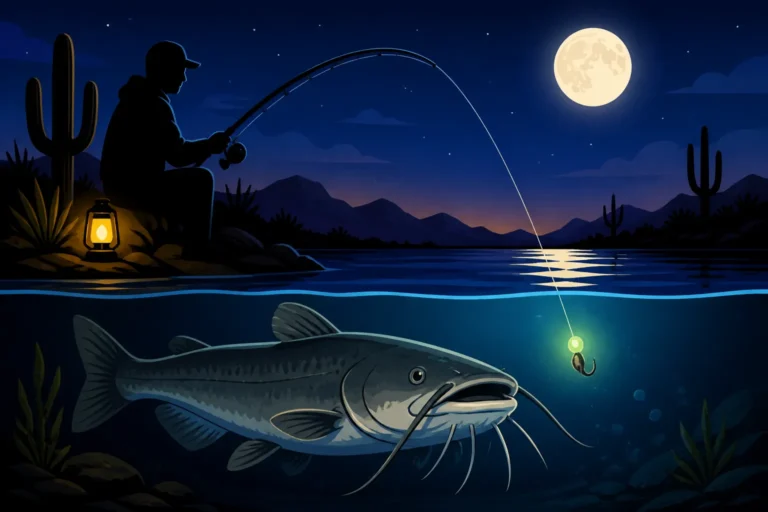
While many species will become more active during this pre-frontal phase, some react more predictably than others. Largemouth and smallmouth bass are notorious for their pre-storm feeding frenzies. They'll often school up and actively hunt baitfish. Crappie can also become quite aggressive, moving out from cover to feed. Catfish, with their keen sense of smell, also respond well to changes in pressure and the anticipation of new food sources washing in.
Trout, especially in cooler, higher elevation lakes, might also become more active, but their feeding window can be shorter and less dramatic than bass. The key is to be flexible and observe the conditions. If you're seeing a lot of baitfish activity, it's a good sign that predatory fish are not far behind. Focus on areas where fish can easily ambush prey.
Bait and Lure Selection
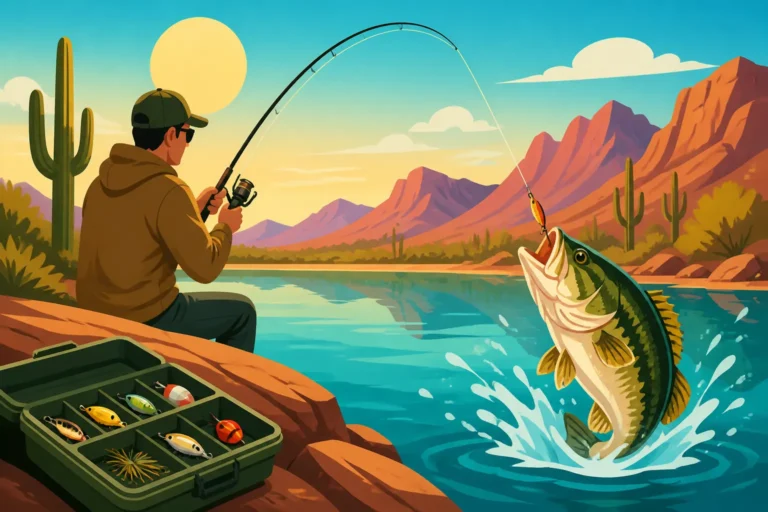
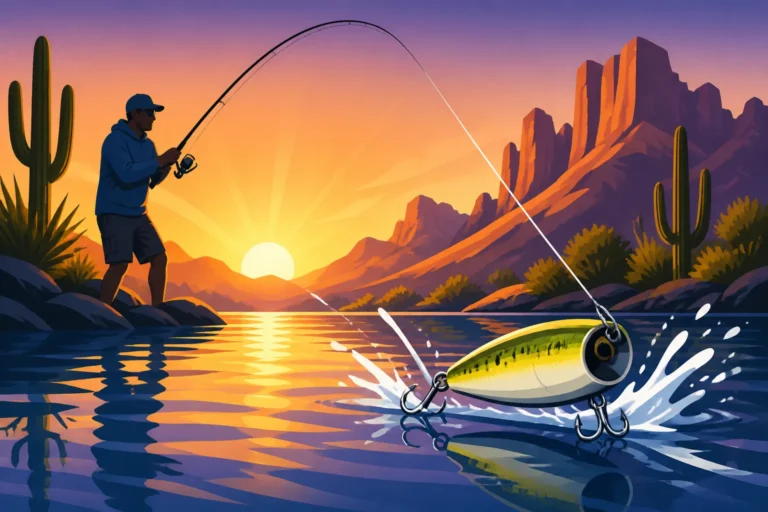
Given the aggressive nature of fish during a pre-frontal bite, you'll want to use baits and lures that provoke a reaction. Topwater lures can be incredibly effective if the surface is calm enough, as fish will readily strike at anything that splashes. Poppers, buzzbaits, and walking baits are excellent choices. As the pressure drops and the wind picks up, spinnerbaits and crankbaits that mimic fleeing baitfish become highly productive.
For bass, consider throwing larger profiles and brighter colors that stand out in the dimming light. If you're targeting catfish, traditional stink baits, chicken livers, or cut bait will often get their attention. The key is to present something that moves a lot of water or has a strong scent, as fish are often focused on an easy, substantial meal before the storm hits in earnest. Don't be afraid to experiment with your Best Baits and Lures for Arizona Fishing to see what triggers the most aggressive strikes.
Fishing During a Monsoon Storm: When to Hold 'Em and When to Fold 'Em
Fishing during a monsoon storm is a delicate balance between opportunity and extreme caution. There are moments when it can be incredibly productive, but more often, it's just plain dangerous. Knowing when to push it and when to pack up is a critical skill for any Arizona angler.
The Dangerous Window
Let's be unequivocally clear: never fish during active lightning or severe thunderstorms. This is the "fold 'em" moment. No fish is worth risking your life. When the sky turns dark, thunder rolls, and lightning flashes, your priority is to get to safety immediately. This means exiting the water, moving away from tall objects, and sheltering in a solid structure or a hard-topped vehicle. Trying to cast a line when lightning is active is reckless and frankly, irresponsible. The danger isn't just direct strikes; indirect ground currents and step voltage can be lethal.
High winds that often accompany these storms also pose a significant threat. They can create dangerous chop on lakes, making boat control difficult and increasing the risk of capsizing. Flying debris from shore can also be a hazard. Your fishing time should always be dictated by safety first, not by the potential for a bite. There's always another day to fish, but you only have one life.
Safe Opportunities
While severe conditions warrant immediate retreat, there can be brief, safer windows within or after a storm passes through, but before the next cell arrives, or during periods of heavy rain without lightning. If the lightning has passed, and you're dealing with steady, heavy rain and perhaps some wind, this can sometimes be a productive time. The rain breaks up the surface of the water, making fish feel more secure, and it can introduce new food sources.
Under these conditions, fish might become extremely active. Bass might move right up to the bank, especially where rainwater is funneling into the lake. Catfish absolutely love heavy rain, often becoming very active hunters. This is where you might consider targeting specific areas, perhaps from a sheltered bank or a boat if you can safely anchor in a cove away from the wind and runoff, but always with an eye on the sky and a readiness to leave at the first sign of renewed danger.
Adjusting Tactics for Active Storms
If you find yourself in one of those rare, safer windows during a monsoon downpour, you'll need to adjust your tactics. Visibility for both you and the fish will be low due to the rain and potential runoff. This means relying on baits that make a lot of noise, create vibration, or have a strong scent. Bladed jigs, chatterbaits, and dark-colored spinnerbaits or crankbaits that move a lot of water can be effective for bass. For catfish, the scent trail from a good stink bait will be crucial.
Often, fish will hug structure or move to the edges of newly forming current seams. Pay attention to inflows and areas where washed-in debris might create new cover. The key is to simplify your approach, use lures you have confidence in, and fish slower and more thoroughly, allowing fish to locate your bait in the reduced visibility. Remember to keep an eye on your surroundings; don't get so focused on fishing that you miss a developing threat. This is a time when the general Best Bass Fishing Techniques for Arizona Lakes might need some serious modification.
Post-Monsoon Fishing: Capitalizing on the Aftermath
Once the immediate danger of a monsoon storm has passed, and the skies begin to clear, the real opportunities for unique and productive fishing often begin. The aftermath of a desert downpour completely reorganizes the underwater world, and understanding these changes is key to capitalizing on them.
Dirty Water Opportunities
As mentioned before, the runoff from monsoon storms can dramatically increase turbidity, turning clear waters into a murky mess. While this might deter some anglers, it actually creates fantastic opportunities, particularly for species that thrive in low visibility. Bass, especially largemouth, often become more aggressive in dirty water. They feel more secure under the cloudy cover and use the reduced visibility to ambush prey. Catfish are champions of dirty water, relying on their whiskers and lateral lines to detect food and movement.
When fishing dirty water, focus on areas where the turbid water meets clearer water, creating a distinct "mud line." Fish will often patrol this edge. Also, target areas with submerged cover, as fish will use these spots to hide and ambush. Brightly colored lures or those that create a lot of vibration are essential here. Chartreuse, white, and black can be excellent choices, as they provide a good silhouette against the murky background. Don't be afraid to experiment with different retrieve speeds; sometimes a slower presentation is needed for fish to locate the bait.
Current and Debris Management
The heavy inflows from monsoon storms can create significant current, especially near feeder creeks, washes, and dam outflows. This current can be a magnet for fish, as it brings in new food sources and concentrated baitfish. However, it also brings a lot of debris – logs, branches, trash – which can make fishing challenging and even damage your gear.
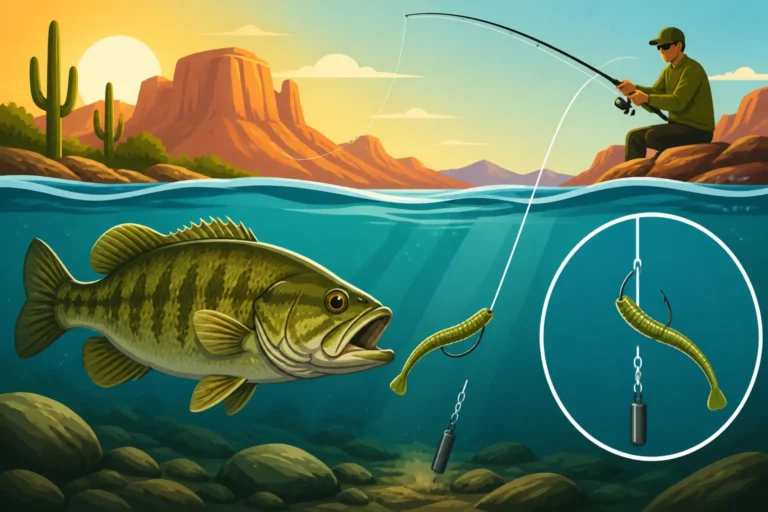
When targeting areas with current, think about how fish position themselves to conserve energy and ambush prey. They'll often sit just out of the main current, behind structure, or in eddies, waiting for food to be swept past them. Use heavier weights to get your bait down and keep it in the strike zone, and be prepared for snags. For lures, spinnerbaits or crankbaits that can be retrieved against the current without blowing out are effective. If you're fishing from a boat, be extremely cautious of floating debris, which can damage your propeller or even your hull. This is also a good time to reconsider your line choice; a more abrasion-resistant line might be beneficial.
Finding Productive Areas
After a monsoon, fish tend to redistribute themselves based on the new conditions. Instead of their usual haunts, they'll often gravitate towards fresh inflows, newly oxygenated areas, and concentrations of baitfish or terrestrial insects that have been washed in. Look for areas where feeder creeks, washes, or culverts dump water into the main body. These spots will often have slightly cooler, more oxygenated, and nutrient-rich water.
Also, pay attention to submerged vegetation or brush piles that might have been newly covered by rising water. These can offer excellent ambush points for bass and crappie. On larger lakes, main lake points and humps that are exposed to fresh current can also be productive. For community lakes, the edges where stormwater runoff enters the pond are often prime spots. Patience and observation are key here; don't just fish your old reliable spots. Take the time to explore and look for signs of new activity. This is also a good time to review your Arizona Fishing Regulations Explained as some areas might have specific rules for post-storm conditions.
Top Arizona Fishing Spots During Monsoon Season
While monsoon conditions affect all Arizona waters, some spots tend to handle the changes better than others, offering more consistent opportunities or unique advantages during this stormy period. Local knowledge here is gold, but generally, certain types of waterways shine.
Lakes That Handle Runoff Well
Some of Arizona's larger desert lakes, with their vast size and varied topography, can surprisingly handle monsoon runoff quite well. Lakes like Lake Pleasant, Roosevelt Lake, and Alamo Lake are excellent choices. Their sheer volume means that while clarity might be affected in some areas, there are always other parts of the lake that remain fishable. Inflows can create prime feeding opportunities, drawing fish from deeper water into newly available shallows.
For example, at Lake Pleasant, the Agua Fria River arm can become a hotspot after heavy rains, bringing in nutrients and stimulating the bite for bass and crappie. Similarly, the Tonto Creek arm of Roosevelt Lake often sees increased activity. These lakes also tend to have better infrastructure for boaters, allowing for easier access and retreat during changing conditions. However, even on these larger bodies, always be mindful of sudden weather shifts and potential flash flooding in smaller coves and washes. Knowing the Best Fishing Lakes in Arizona that are suitable for monsoon conditions can make all the difference.
Rivers with Stable Flows
While most desert rivers and streams can become raging torrents during a monsoon, some larger river systems with dam controls can maintain relatively stable flows, offering unique fishing prospects. The Lower Salt River, for instance, which is regularly stocked with trout, can offer good fishing during or after lighter monsoon rains. The increase in flow can spread fish out and bring new food items. However, vigilance is key, as major upstream releases from dams can change conditions rapidly.
For species like flathead catfish and channel catfish, sections of the Colorado River can be fantastic during the monsoon. The increased turbidity and nutrient flow can really get them active. Areas near Laguna Dam or Willow Beach might see heightened activity. Remember that fishing on the Colorado River might involve different state licenses depending on whether you're on the Arizona or California side, so always check your Out-of-State Angler Rules in Arizona before you go.
Community Lakes Considerations
Arizona's Community Fishing Program lakes, found in urban areas like Phoenix, Tucson, Mesa, and Chandler, present a unique set of challenges and opportunities during the monsoon. These smaller, shallower lakes are highly susceptible to runoff, and their water can turn muddy very quickly. However, this also means they can warm up and cool down faster, and the influx of fresh water can temporarily boost oxygen levels.
After a storm, the edges where stormwater drains into these lakes can be incredibly productive for bass and catfish. The rain often washes in worms, insects, and other terrestrial food sources that fish will readily gorge on. Bluegill and other panfish also respond to these conditions. However, due to their urban nature, these lakes can also be prone to more debris and litter washed in, and clarity can take longer to return. Always check local regulations, as some community lakes have specific rules for fishing after heavy rain.
Essential Gear and Tackle for Monsoon Conditions
Preparing your gear for monsoon fishing isn't just about having the right lures; it's about staying comfortable, safe, and effective in rapidly changing, often harsh, conditions. This is where a little foresight goes a long way.
Weather-Appropriate Apparel
Staying dry is paramount during monsoon fishing. A high-quality, lightweight, and breathable waterproof rain suit (jacket and pants) is an absolute must-have. Don't skimp on this; a cheap poncho won't cut it against a sustained Arizona monsoon downpour. Brands like Columbia or Frogg Toggs are popular choices and readily available on Amazon. You'll also want waterproof footwear, such as rubber boots or waterproof hiking shoes, to navigate muddy banks and wet boat decks.
Consider wearing quick-drying synthetic base layers, even in the summer heat, as they will wick moisture away and dry faster if you do get wet. A wide-brimmed waterproof hat can keep rain out of your eyes and off your neck. And don't forget polarized sunglasses. Even on overcast days, they reduce glare and help you see through the water better, which is crucial for identifying structure and fish in changing clarity.
Line and Lure Choices
Given the potential for dirty water, strong winds, and aggressive fish behavior, your line and lure choices need to be adaptable. For line, consider using braided line with a fluorocarbon leader. Braid offers superior strength, sensitivity, and resistance to abrasion from debris, which is a huge advantage in murky, current-filled waters. The fluorocarbon leader provides invisibility in clearer sections and resistance to nicks. If you prefer mono, opt for a slightly heavier test than usual.
Lures should focus on vibration, scent, and visibility. Chatterbaits, spinnerbaits with large thumping blades, and lipless crankbaits that make noise are excellent for bass in dirty water. Dark-colored plastic worms, creature baits, or jigs can also be very effective when fished slowly along the bottom. For catfish, traditional cut bait, chicken livers, or strong-smelling prepared baits are top choices. In conditions where fish are reacting aggressively, topwater frogs or buzzbaits can still work in the early morning or late evening if the surface is calm enough. Having a diverse tackle box, perhaps stocked through a vendor like Amazon, will serve you well. For a deeper dive, check out our guide on Best Tackle for Desert Lake Fishing.
Safety and Navigation Tools
Beyond your fishing gear, having essential safety and navigation tools is non-negotiable. A fully charged waterproof cell phone is critical, along with a portable power bank for extended trips. A marine-band radio is also highly recommended if you're boating on larger lakes, as cell service can be spotty. Always carry a comprehensive first-aid kit, and know how to use it.
For navigation, especially if heavy rain reduces visibility, a good GPS unit or a reliable mapping app on your phone can prevent you from getting disoriented on unfamiliar waters. Headlamps or flashlights are also crucial if you're fishing into the evening, as storms can unexpectedly extend your time on the water. Finally, always let someone know your float plan – your intended location, route, and estimated return time. This simple step can be a lifesaver if something goes wrong. For more details on what to bring, consult our Fishing Gear Checklist for Desert Lakes.
Disclaimer
The information provided in this Arizona Monsoon Season Fishing Guide is for general informational purposes only and does not constitute professional advice. Fishing during monsoon season carries inherent risks, including but not limited to lightning strikes, flash flooding, strong winds, and dangerous water conditions. Always prioritize your safety, exercise extreme caution, and consult official weather forecasts and local authorities for the most current conditions and warnings before venturing out. Adhere to all Arizona Game and Fish Department regulations and any specific rules for the body of water you are visiting. The author and publisher are not responsible for any accidents, injuries, or damages that may occur as a result of using this information.