How to Fish Arizona’s Desert Lakes
Fishing in Arizona's desert lakes can feel like a riddle wrapped in a scorching enigma, especially when you're used to greener, cooler waters. The extreme heat, fluctuating water levels, and crystal-clear reservoirs present unique challenges that can leave even seasoned anglers scratching their heads. This comprehensive guide is here to unravel those mysteries, helping you understand the desert lake environment, arm yourself with the right gear, and master the techniques needed to consistently catch fish in the Grand Canyon State.
Understanding Arizona's Desert Lake Environment
Arizona's desert lakes aren't your typical fishing destinations. They are vast, deep reservoirs carved out of arid landscapes, characterized by dramatic temperature swings and water levels that can change significantly throughout the year. Understanding this unique environment is the first step to unlocking their fishing potential.
The Unique Challenges of Desert Reservoirs
When you pull up to a place like Lake Pleasant or Roosevelt Lake in the middle of summer, the first thing that hits you is the heat – often well over 100 degrees Fahrenheit. This isn't just uncomfortable for us; it drastically impacts fish behavior. Water temperatures can soar in the shallows, pushing fish deeper to find cooler, more oxygenated water in what's known as the thermocline. Unlike lakes with abundant vegetation, desert lakes often have fewer visible cover options. This means fish rely heavily on submerged structures like rock piles, ledges, old creek channels, and standing timber – features you'll often need a good fish finder to locate. The water can also be incredibly clear, especially in the cooler months, making stealth and proper lure presentation critical to avoid spooking fish. This constant ebb and flow of conditions can be frustrating, making every trip a new learning experience.
Compounding these factors are the often dramatic fluctuations in water levels, a common reality in a drought-prone state like Arizona. When water levels drop, vast stretches of shoreline become exposed, moving fish away from what might have been prime shallow cover. Conversely, rising waters can flood new vegetation and structures, creating temporary havens for foraging fish. These changes mean that what worked last month might not work today, requiring anglers to be adaptable and constantly observe their surroundings. It's not just about finding where the fish are, but where they are right now given the current conditions.
Furthermore, the sheer size of many Arizona desert lakes, such as Lake Powell, can be intimidating. These aren't small ponds where you can quickly cover all the productive water. Anglers often need to be prepared for long runs across open water, and even then, finding the "spot on the spot" can feel like searching for a needle in a haystack. The open, exposed nature of these lakes also means they are highly susceptible to wind, which can make boat control difficult and create choppy conditions that impact both comfort and fishing success.
Key Fish Species You'll Encounter
Despite these challenges, Arizona's desert lakes are teeming with a diverse array of fish species, each requiring its own approach. The most sought-after species are generally largemouth bass, striped bass, channel catfish, flathead catfish, and various panfish like crappie and sunfish. Each species has unique preferences for habitat, diet, and behavior throughout the year. Understanding these preferences is key to effectively targeting them. For a deeper dive into the specific species swimming in these waters, check out our Fish Species Guide for Arizona Lakes.
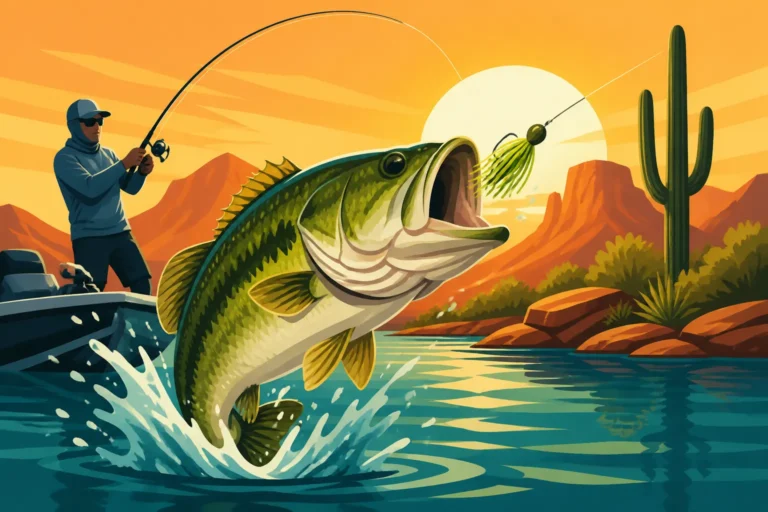
Largemouth bass are the kings of structure, often found lurking around submerged brush, rocky points, and creek channels. They're ambush predators, waiting for prey to swim by. Striped bass, on the other hand, are often found in open water, schooling up and chasing baitfish, frequently creating those exciting "boils" on the surface. Catfish, both channel and flathead, are bottom dwellers, often found in deeper areas, especially around muddier bottoms or rocky crevices, and are known for their strong evening and nighttime bite. Crappie and other panfish tend to school around submerged timber, brush piles, and docks, making them a fun target with lighter tackle.
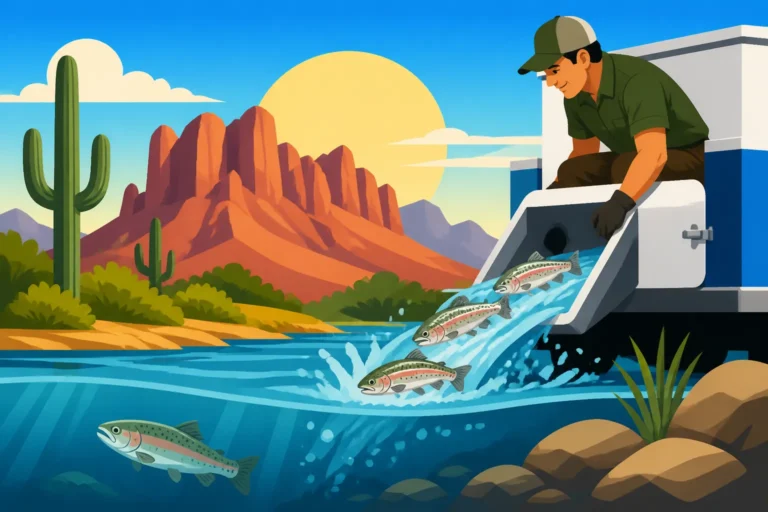
Knowing what you're likely to catch helps you select the right gear and focus your efforts. For example, if you're heading to Lake Pleasant specifically for striped bass, your tackle box will look very different than if you're targeting largemouth at Roosevelt Lake. Many anglers will focus on one or two primary species per trip to maximize their chances of success, tailoring their entire strategy, from boat placement to lure selection, to those specific fish. The desert environment also means that some species, like trout, are less prevalent in the main lake bodies, often restricted to colder tailwaters or periodically stocked urban ponds.
Seasonal Changes and Their Impact on Fishing
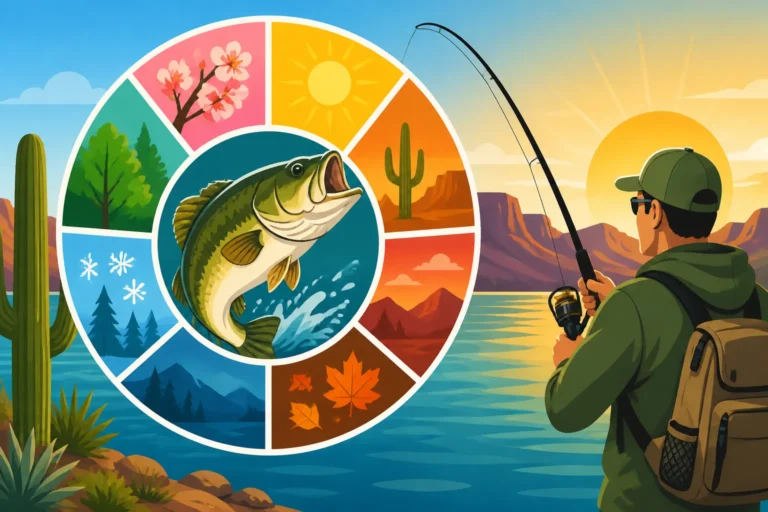
Fishing in Arizona is a year-round sport, but success hinges on adapting to the drastic seasonal shifts. The desert climate dictates a unique rhythm for the fish, and understanding these patterns is crucial. Our comprehensive Arizona Fishing Seasons Explained article dives much deeper into this, but here's a quick overview specific to desert lakes.
Spring is a high-energy time as water temperatures begin to rise, signaling the start of the spawn for many species, especially largemouth and smallmouth bass. Fish move into shallower coves and sun-warmed flats, becoming more aggressive and often easier to locate. This is when topwater baits can be incredibly effective early in the morning, and soft plastics or jigs fished slowly around visible cover can entice spawning fish. Anglers need to be mindful of protecting spawning fish, practicing catch and release for those guarding their beds.
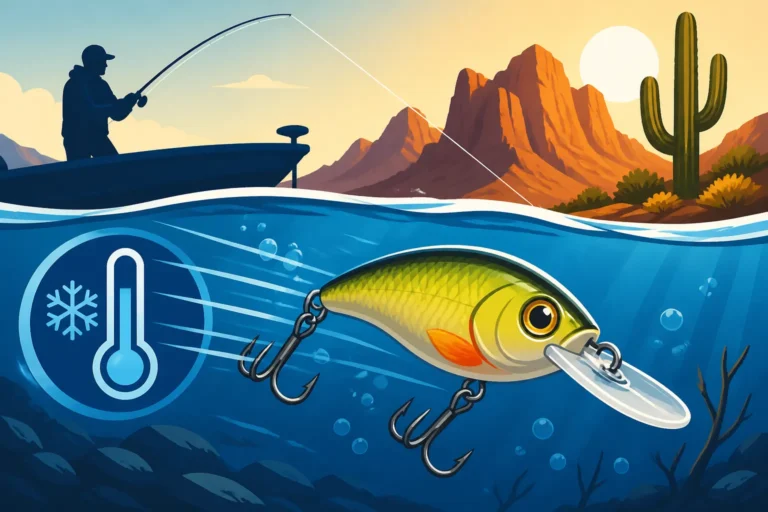
Summer is perhaps the most challenging season due to the intense heat. Fish often retreat to deeper, cooler water, becoming less active during the day. This typically means fishing early mornings, late evenings, or even after dark for species like catfish and striped bass. Finding the thermocline (the layer where warm surface water meets cooler deep water) is key, as many species will suspend there. Deep diving crankbaits, jigs, and drop-shot rigs are your friends during these months. As the monsoon season approaches, sudden storms can cause rapid changes in water conditions, which can sometimes trigger a bite, but also pose safety risks.
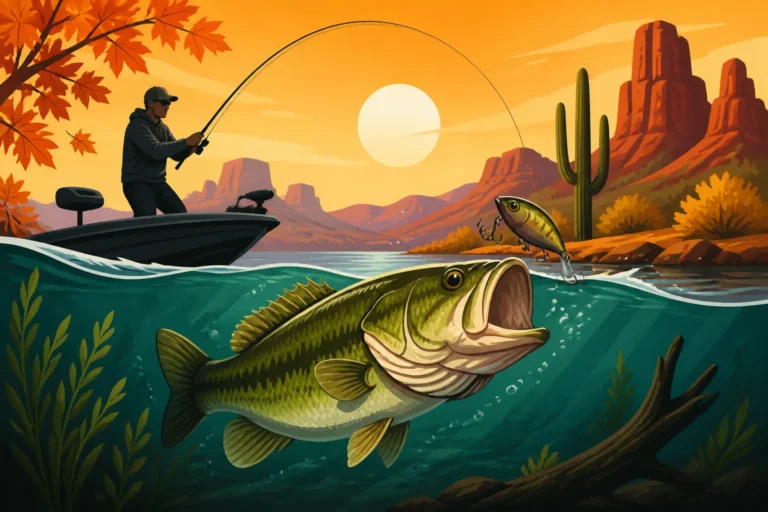
Fall brings a welcome cool-down, and with it, a resurgence in fish activity. As water temperatures drop, baitfish become more active, and predatory species like bass and stripers feed aggressively to build up fat reserves for winter. This "fall feeding frenzy" can make for some incredible fishing, with fish often shallower and more willing to chase a variety of lures, from crankbaits to topwaters. It's a fantastic time for covering water and targeting active schools.
Winter fishing, while slower, can still be very productive, especially for larger, less active fish. Fish metabolism slows down, so presentations need to be slower and more deliberate. Deep clear waters often hold fish that are grouped up on structure. Jigs, spoons, and slow-rolled swimbaits fished near ledges, points, and submerged timber can be effective. While surface activity might be rare, understanding that fish are still feeding, just less frequently, keeps dedicated anglers on the water.
Essential Gear and Tackle for Desert Lake Success
Having the right tools for the job can make all the difference, especially when facing the unique conditions of Arizona's desert lakes. You wouldn't bring a snow shovel to the beach, and similarly, standard fishing gear might not cut it here. Thoughtful selection of your rods, reels, line, and lures, along with crucial accessories, will significantly boost your success.
Rods, Reels, and Line Choices for Different Species
Choosing the right rod and reel combo is paramount. For general largemouth bass fishing, a medium-heavy power, fast-action casting rod, around 6'10" to 7'4", paired with a baitcasting reel with a gear ratio suitable for your preferred techniques (e.g., higher ratio for topwater, lower for cranking), is a versatile setup. This allows for powerful hooksets and handling bigger fish that might be buried in cover. You can find excellent options specifically for bass fishing in our Best Fishing Rods for Bass in Arizona guide. When targeting striped bass or larger flathead catfish, you'll want to step up to a heavy power rod, often longer, with a reel capable of holding more line and delivering more drag, like a heavier conventional or larger spinning reel.
For line, the clear waters of many desert lakes often necessitate the use of fluorocarbon as a leader or even as your main line, due to its low visibility and excellent abrasion resistance against rocky structures. A 10-15 lb fluorocarbon leader is common for bass fishing. For main lines, braided line (30-50 lb) is popular for its sensitivity and strength, especially when fishing around submerged timber or for stripers that make long runs. Monofilament, while less sensitive, can be a good choice for topwater lures due to its buoyancy, helping the bait stay on the surface. For panfish like crappie, a light spinning setup with 4-6 lb monofilament or fluorocarbon is ideal, allowing for delicate presentations. It's always wise to spool up with fresh line at the beginning of each season, as the harsh Arizona sun can degrade line over time.
Don't underestimate the importance of line maintenance. The desert heat and sunlight can be tough on fishing lines, leading to brittleness and decreased breaking strength. Regularly checking your line for nicks and abrasions, especially after fishing around rocky areas, is a simple habit that can prevent lost fish. Consider bringing extra spools of line or even a compact line winder with you for quick re-spooling on the go. Many anglers keep multiple rod and reel setups rigged for different techniques and target species, allowing for quick changes on the water without re-tying, which is a huge time saver when fish are biting.
Must-Have Lures and Baits
Your tackle box needs to be diversified to tackle the various conditions and species in Arizona. For bass, topwater lures like poppers, walking baits, and frogs are explosive in low light conditions or over matted vegetation. Crankbaits, especially deep-diving models, are essential for reaching fish holding on deep structure. Jigs (football, arkie, swim jigs) and a variety of soft plastics (worms, creature baits, swimbaits) rigged Texas-style or on a drop shot are incredibly versatile for bottom fishing, pitching to cover, or finesse presentations in clear water. For specific recommendations, our Best Baits and Lures for Arizona Fishing article is a fantastic resource.
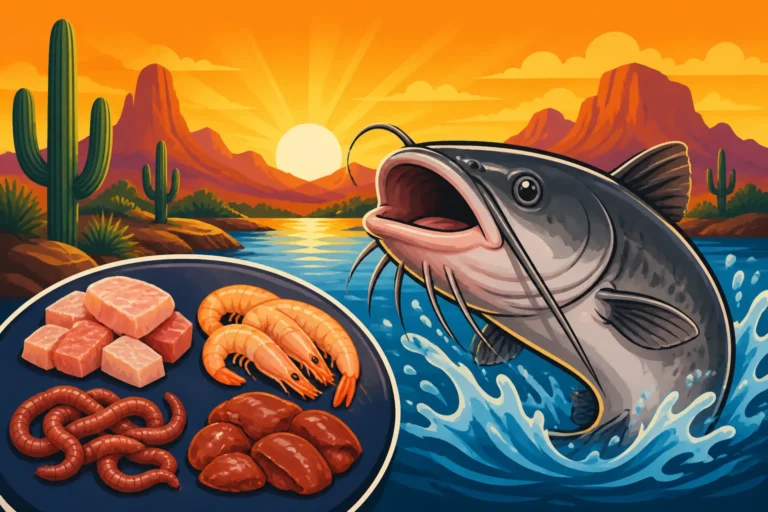
Striped bass often respond well to spoons, various swimbaits that imitate shad, and topwater lures when they are actively feeding on the surface in "boils." Trolling large crankbaits or umbrella rigs can also be very effective for locating deeper schools. When it comes to catfish, live or cut bait is often king. Chicken liver, hot dogs, prepared stink baits, and various worms (nightcrawlers, mealworms) are popular choices, fished on a simple bottom rig. Crappie jigs, tiny spinnerbaits, and small minnows are irresistible to panfish, especially when presented near brush piles or submerged trees.
When stocking up, consider looking at reputable online retailers like Amazon for a wide selection of lures and tackle. They often have competitive prices and a vast inventory that might not be available at smaller local shops, allowing you to easily find specialized baits or bulk quantities of your favorite soft plastics. However, always support your local tackle shops too; they're invaluable for current conditions and hyper-local bait recommendations. Don't forget to have a variety of hook sizes, sinkers, and bobbers on hand, as terminal tackle is easily lost or needs to be adjusted based on conditions and bait size.
Electronics and Accessories That Make a Difference
In the vast, often featureless expanse of a desert lake, electronics are not just a luxury; they're practically a necessity. A good fish finder with down imaging and side imaging capabilities can be a game-changer for locating subtle submerged structures like rock piles, ledges, and creek channels that hold fish. GPS functionality is also crucial for marking waypoints where you find productive spots or observe fish activity, allowing you to return to them easily. Our guide to the Best Fish Finders for Bass Fishing in Arizona offers detailed insights into choosing the right unit.
Beyond the boat, personal comfort and safety accessories are paramount in Arizona. The relentless sun demands high-quality polarized sunglasses to cut glare and help you see into the water, a wide-brimmed hat, and long-sleeved, breathable UV-protective clothing. Hydration is non-negotiable; always carry more water than you think you'll need, especially during the summer months. A reliable cooler is essential not just for your drinks and snacks, but also for keeping any fish you plan to harvest fresh in the extreme heat. A good quality cooler can make a huge difference in the taste and texture of your catch.
Other useful items include a sturdy pair of fishing pliers (for hook removal and cutting line), a net for landing larger fish (especially important for stripers and big bass), a first-aid kit, and a high-quality headlamp for early morning or night fishing. If you're fishing from shore, a comfortable tackle backpack can make carrying your gear much easier across uneven terrain. Investing in these essential accessories will not only make your fishing trips more productive but also more enjoyable and safer in the challenging desert environment.
Mastering Bass Fishing in Arizona's Desert Lakes
Bass fishing in Arizona's desert lakes is a unique game. The vast, clear waters and often sparse cover mean that understanding seasonal patterns and fish behavior is critical. Both largemouth and smallmouth bass thrive here, but they require different approaches based on the time of year and the specific lake characteristics.
Spring Spawning and Post-Spawn Strategies
Spring is arguably the most exciting time for bass fishing in Arizona. As the days lengthen and water temperatures climb into the 50s and 60s Fahrenheit, bass begin their pre-spawn ritual. They move from their deeper wintering grounds to shallower staging areas, typically points, humps, and coves adjacent to spawning flats. During this period, bass are actively feeding, trying to pack on weight before the rigors of spawning. This is an excellent time to cover water with search baits like lipless crankbaits, spinnerbaits, and medium-diving crankbaits in shad or crawfish patterns. Look for these fish on secondary points and subtle changes in depth. Our in-depth guide to Spring Bass Fishing Tactics in Arizona will give you even more strategies for this productive time.
As water temperatures reach the high 60s and low 70s, bass begin to move onto their beds to spawn. You'll often find them in protected coves, on flat, rocky or sandy bottoms, sometimes visible in the clear water. Sight fishing for bedding bass can be thrilling but requires a stealthy approach. Soft plastic baits like lizards, senkos, or creature baits pitched onto or near the bed can often provoke a strike as the bass aggressively defend their territory. Remember to minimize disturbance and practice responsible catch and release during the spawn to protect future fish populations. A quick photo and gentle release are always best.
The post-spawn period, right after the bass have finished spawning, can be a bit trickier. Exhausted from spawning, some bass will linger near the spawning areas, while others will retreat to slightly deeper cover to recover. This is when topwater lures can become incredibly effective in the early mornings and late evenings, as bass look for an easy meal near the surface. Jerkbaits and swimbaits fished near points and drop-offs can also entice these recovering fish. Gradually, as the water continues to warm, bass will transition to their deeper summer patterns, moving towards more profound structure and cover.
Summer Deep Water Tactics
When the Arizona sun beats down in summer, bass often head for the depths, seeking cooler water and stable temperatures. This can make them harder to find, but by no means impossible to catch. The key is understanding thermal stratification and locating the thermocline – the layer of water where temperature changes most rapidly, often holding the most oxygen for fish. Bass will typically suspend or hold on structure just above, within, or just below this layer. Our Summer Bass Fishing Tactics in Arizona guide provides a detailed blueprint for success during these hot months.
Deep points, main lake ledges, submerged humps, and old creek channels become prime real estate for bass in summer. Using your fish finder with down and side imaging is crucial for identifying these subtle structures and any fish holding on them. Once you've located fish, deep-diving crankbaits that can reach depths of 15-25 feet, heavy football jigs, Carolina rigs, and drop-shot rigs are excellent choices. Slow, methodical presentations are often best, as the fish's metabolism is slower in the cooler, deeper water. For flathead catfish, focusing on these same deep structures, especially around downed trees or rock piles in the lower ends of the lakes, can yield big results, particularly at night.
Night fishing during the summer can be incredibly productive, offering relief from the heat for both angler and fish. Bass, stripers, and catfish often become more active under the cover of darkness, moving shallower to feed. Large dark-colored spinnerbaits, jigs, and slow-moving worms can be effective for bass. Catfish, of course, are notorious night feeders, readily taking various cut baits or stink baits on the bottom. Always prioritize safety when night fishing, ensuring you have proper lighting, know your surroundings, and are aware of any boating regulations for after-dark operation.
Fall and Winter Approaches
As temperatures cool in the fall, Arizona's desert lakes experience a magnificent transformation. Baitfish, especially shad, begin to school up in massive numbers, and predatory fish like bass and stripers go on a feeding spree, bulking up for the leaner winter months. This is often referred to as the "fall turnover" or "fall bite." Bass will often follow these bait schools, moving into shallower coves and creek arms. This is prime time for reaction baits – topwater lures, jerkbaits, and shallow to medium-diving crankbaits can be incredibly effective as bass aggressively chase down their prey. Covering water quickly with these baits is a great strategy for locating active schools. Learn more in our Fall Bass Fishing Tactics in Arizona article.
Winter fishing, while requiring a slower pace, can still yield excellent results, particularly for bigger bass. As water temperatures drop, fish metabolism slows, and they become less inclined to chase fast-moving baits. Bass will typically move to deep main lake points, rocky bluffs, and submerged timber or brush piles in 25-50 feet of water. Vertical presentations become key. Spoons, heavy jigs (football or hair jigs), and drop-shot rigs are your go-to options. Focus on working these baits slowly and meticulously on structure. Pay close attention to your electronics, looking for schools of baitfish or arches that indicate bass congregating in deeper holes or along ledges.
Even during the coldest parts of winter, Arizona's desert lakes rarely freeze over entirely, offering year-round angling opportunities. The clear winter water often makes a finesse approach more effective, with lighter line and smaller baits sometimes making the difference. The bite might be subtle, so paying close attention to your line for any slight twitch or unusual movement is critical. Don't be afraid to experiment with different depths and retrieve speeds until you find what the fish are responding to on any given day.
Targeting Other Popular Species
While bass often steal the spotlight, Arizona's desert lakes offer fantastic opportunities to target other popular species. Striped bass, catfish, and panfish like crappie and sunfish each present their own exciting challenges and rewards, and understanding their unique behaviors is key to success.
Striper Success: Finding the Boils and Beyond
Striped bass are one of the most exciting species to target in Arizona's large reservoirs like Lake Pleasant and Lake Powell. They are aggressive, hard-fighting, and often school in massive numbers. The most exhilarating way to catch them is during a "boil" – when large schools of stripers push baitfish to the surface, creating a chaotic feeding frenzy. Spotting a boil, often indicated by diving birds, is a call to action. Get there quickly, cast topwater lures, spoons, or swimbaits into the fracas, and hold on! Our guide on How to Fish for Striped Bass offers comprehensive advice.
When stripers aren't actively boiling, they're often found in deeper water, suspending over channels or congregating around main lake points and humps. Trolling with large crankbaits, swimbaits, or umbrella rigs at various depths is an effective way to locate these schools. Once you find them, vertical jigging with heavy spoons or large soft plastics can produce steady action. Using a good fish finder is invaluable for identifying these suspended schools, as stripers will often appear as large, dense blobs on your screen. Early mornings and late evenings often bring stripers shallower, while the mid-day sun pushes them deeper.
Stripers are voracious predators, and their diet primarily consists of shad in these desert lakes. Matching the hatch, using lures that imitate the size and color of the local shad, can significantly improve your success. Cut bait, particularly pieces of anchovy or shad, fished on the bottom or suspended under a bobber can also be incredibly effective, especially when fish are less active. Many anglers will set up multiple rods with different baits and depths to quickly determine what the stripers are keying in on at that moment.
Catfish: The Night Shift and Bottom Rigs
Catfish are another highly sought-after species in Arizona, known for their powerful fights and delicious table fare. Channel catfish are abundant in almost all desert lakes and community ponds, while flathead catfish, known for their immense size, are more prevalent in the larger rivers and some reservoirs like the Colorado River system and Lake Pleasant. Catfish are primarily bottom feeders, relying on their keen sense of smell to locate food.
The "night shift" is where catfish truly shine. As the sun sets and temperatures drop, catfish become much more active, often moving into shallower feeding flats. This makes night fishing incredibly productive for them. Simple bottom rigs, consisting of a sinker (like an egg sinker) above a swivel, leading to a leader and a baited hook (typically a large circle hook), are highly effective. For bait, channel catfish will hit a wide variety, including chicken liver, hot dogs, cut baits (like shad or carp), shrimp, and various prepared "stink baits." Flatheads, however, are primarily piscivorous and prefer live bait – usually sunfish, bluegill, or carp. Our article on Catfish Night Fishing Techniques has all the details you need for successful nocturnal pursuits.
When fishing for catfish, especially flatheads, ensure your gear is up to the task. Heavy action rods, reels with strong drag systems, and heavy-test line (20-50 lb mono or braided) are necessary to handle these powerful fish. Finding areas with natural current, deep holes, or submerged log jams can be very productive. Always be aware of your surroundings when fishing at night, and ensure you have proper lighting for both your fishing area and your boat if applicable.
Crappie and Panfish: Structure and Light Tackle Fun
Crappie and other panfish like bluegill and sunfish offer fantastic light tackle action and are excellent targets for anglers of all skill levels, especially beginners and families. Crappie, in particular, are known for their schooling behavior and delicate white meat. They thrive in lakes with plenty of submerged timber, brush piles, and protected coves.
During the spring spawn, crappie move into shallow water, often congregating around any available cover. Small jigs, live minnows under a bobber, or tiny spinnerbaits are incredibly effective during this time. As temperatures rise, crappie often retreat to deeper brush piles, submerged trees, or the shade of docks and marinas. Using a fish finder to locate these submerged structures is key, then vertical jigging small jigs or minnows directly over the schools. Our guide to Crappie Spawning Season Tactics can help you pinpoint the best strategies.
Bluegill and other sunfish are ubiquitous in Arizona's desert lakes and community ponds. They are often found in very shallow water, particularly around any vegetation, docks, or rocky banks. They are eager biters and a perfect target for ultralight spinning gear, cane poles, or even just a hook, bobber, and a piece of worm. They can provide non-stop action, making them ideal for introducing children to fishing. Small jigs, mealworms, red worms, or tiny pieces of hot dog are all highly effective baits for these feisty little fish.
When targeting panfish, keep your presentations subtle. Light line (2-6 lb test), small hooks, and minimal weight are usually all you need. Pay attention to changes in depth or structure along the shoreline. Often, a slight drop-off or a submerged tree limb can hold a large school of crappie or sunfish. These species are also a great way to hone your casting and retrieve skills before moving on to larger, more challenging fish.
Navigating Desert Lakes: Boating, Shore, and Kayak Strategies
Arizona's desert lakes offer diverse fishing access, from large powerboats to quiet kayaks and bank fishing spots. Each method has its advantages and challenges, and choosing the right approach depends on your target species, the lake you're fishing, and your personal preference.
Best Practices for Boat Anglers
For covering vast expanses of water and accessing prime mid-lake structure, a boat is often the preferred method for serious anglers on Arizona's desert lakes. Whether you're in a bass boat, a center console, or a pontoon, understanding boat safety and effective navigation is paramount. These lakes can be large and exposed, meaning high winds can whip up quickly, creating dangerous conditions. Always check the weather forecast before heading out, ensure you have all required safety gear (PFDs for everyone, throwable cushion, whistle, fire extinguisher), and know your boat's limits. Our Boating Safety Gear Requirements in Arizona outlines all the essentials.
Using your boat's electronics to their full potential is crucial. Your fish finder isn't just for seeing fish; it's for finding structure. Learn to interpret contour lines on your mapping, identify submerged points, humps, and creek channels, and utilize side and down imaging to pinpoint brush piles or individual fish hiding around cover. Pay attention to water depth and clarity changes as you move. A powerful trolling motor can be a huge asset for quietly positioning your boat over productive areas, especially when trying to hold still against a slight breeze. Remember to respect other boaters, maintain safe distances, and observe no-wake zones.
For instance, when fishing a massive lake like Roosevelt or Lake Havasu, an angler in a bass boat can quickly move between hot spots identified by their electronics. They might start the day shallow, throwing topwater baits, then transition to deeper ledges with crankbaits or jigs as the sun rises, covering multiple habitat types within a single morning. A good understanding of your boat's capabilities and careful planning can make these large reservoirs incredibly rewarding.
Effective Shoreline and Pier Fishing
Not everyone has access to a boat, and that's perfectly fine! Arizona's desert lakes and numerous community fishing ponds offer excellent shoreline and pier fishing opportunities. The key to successful bank fishing is identifying accessible spots that provide good access to productive water. Look for areas with quick depth changes, rocky points, coves, or any visible cover like submerged trees or brush. Public access points, parks, and designated fishing piers are usually good starting points. Our list of Best Shore Fishing Spots in Arizona can point you to some fantastic locations.
When fishing from shore, portability and efficiency are key. A tackle backpack or small tackle box stocked with versatile lures and baits for the target species is ideal. Long casting rods (7-9 feet) can help you reach further out to deeper water or distant structure. Bait and wait techniques, especially for catfish, are very effective from shore, using bottom rigs with chicken liver or hot dogs. For bass, try casting soft plastics or jigs along the bank, parallel to any available cover, or working crankbaits off points.
Many community lakes, like those managed by the Arizona Game and Fish Department's Community Fishing Program, are regularly stocked with trout in the cooler months and catfish and sunfish year-round. These urban lakes are often designed with accessible shoreline, restrooms, and sometimes even fishing piers, making them perfect for families and beginners. Patience and observation are vital for shore anglers – watch for signs of baitfish activity, surface disturbances, or birds feeding, as these often indicate fish presence.
Kayak and Paddlecraft Advantages
Kayaks, canoes, and stand-up paddleboards have exploded in popularity for fishing, and they are particularly well-suited for many of Arizona's desert lakes. Their stealth allows you to approach wary fish without spooking them, and their shallow draft grants access to secluded coves, narrow creek arms, and backwater areas that larger boats simply cannot reach. Kayaks offer a fantastic blend of portability, affordability, and the ability to get up close and personal with the water. For more on choosing the right craft, see our guide on Best Kayaks for Fishing in Arizona.
While kayaks offer incredible advantages, it's crucial to prioritize safety, especially on large, open desert lakes. The wind can be a significant factor, making paddling difficult and potentially dangerous. Always check wind forecasts, avoid going out in strong winds, and consider staying close to shore or in protected coves. Wear your personal flotation device (PFD) at all times, carry plenty of water, and have a dry bag for your phone and other essentials. An anchor system can be invaluable for holding your position over a productive spot, preventing you from drifting away in a breeze.
Kayak anglers often employ techniques similar to both boat and shore anglers, but with a unique advantage. You can effectively "walk the dog" with a topwater bait along a submerged rock wall, then quietly paddle into a shallow cove to pitch a jig to a brush pile, all from the same stealthy platform. Using lightweight gear, efficient tackle storage, and a minimalist approach often works best. The sense of peace and connection with nature you get from kayak fishing in Arizona's stunning landscapes is an experience truly unlike any other.
Essential Safety and Conservation Tips
Fishing in Arizona is an incredible experience, but the desert environment demands respect and preparation. Prioritizing safety and practicing responsible angling are not just good ideas—they are essential for your well-being, the health of the fisheries, and the enjoyment of all who share these beautiful waters.
Staying Safe in the Arizona Heat
The desert heat is no joke, especially during the long summer months. High temperatures combined with low humidity can quickly lead to dehydration and heat-related illnesses if you're not careful. Always carry significantly more water than you think you'll need, and start hydrating well before you even get to the lake. Electrolyte drinks can also be beneficial to replenish salts lost through sweating. Our detailed Heat Safety Tips for Summer Fishing in Arizona is a must-read before heading out during warm weather.
Protecting yourself from the sun is equally important. Wear a wide-brimmed hat, sunglasses (polarized ones are great for fishing!), and lightweight, long-sleeved, UV-protective clothing. Sunscreen should be applied generously and frequently, especially to exposed skin. Try to plan your fishing trips for the cooler parts of the day – early morning and late evening – and avoid fishing during the hottest hours (typically 10 AM to 4 PM) in summer. Know the signs of heat exhaustion and heatstroke, and don't hesitate to cut your trip short if you or anyone in your party starts feeling unwell. Taking frequent breaks in the shade and cooling down with a wet towel can make a huge difference.
Navigating Monsoon Season and Flash Floods
Arizona's monsoon season, typically from July to September, brings spectacular thunderstorms, but also significant risks. While the rain is a welcome sight in the desert, these storms can develop rapidly and pose serious dangers to anglers. High winds, lightning, and sudden downpours can create hazardous boating conditions on large lakes. Additionally, heavy rain in the surrounding mountains can cause flash floods in washes and creek beds, which can quickly turn into raging rivers, impacting lake levels and clarity. Check out our Arizona Monsoon Season Fishing Guide for detailed advice.
Always monitor weather forecasts diligently, especially during monsoon season. If you see dark storm clouds building, hear thunder, or see lightning, it's time to get off the water and seek shelter immediately. If you're bank fishing, be aware of your proximity to washes or dry creek beds, as they can fill with water incredibly quickly, even if the rain is miles away. Never attempt to cross a flooded wash, as the currents can be deceptively powerful. While some anglers report that fish can become active before or after a storm, your safety should always be the top priority.
Practicing Responsible Angling
Conservation is everyone's responsibility. By practicing responsible angling, you help ensure that Arizona's desert lakes remain vibrant fisheries for generations to come. This starts with knowing and following all state and local fishing regulations, including size limits, bag limits, and specific rules for certain bodies of water. You can find comprehensive information in our Arizona Fishing Regulations Explained article. Always have your Arizona Fishing License Guide in order.
When practicing catch and release, handle fish gently and minimize their time out of the water. Use appropriate landing nets (rubberized ones are less damaging to fish slime coat), and consider using barbless hooks or crushing the barbs on your hooks to facilitate easier removal. If you plan to harvest fish, only keep what you will eat, and follow all bag and possession limits. Our Catch and Release Rules for Arizona Anglers provides detailed best practices. Proper disposal of fishing line, hooks, and trash is also critical. "Leave no trace" is the golden rule – pack out everything you pack in, and perhaps even a little extra that others might have left behind. Respect private property and be considerate of other anglers and outdoor enthusiasts.
By adhering to these safety and conservation principles, you not only protect yourself and the environment but also enhance the overall experience for everyone who enjoys the unique and challenging fishing opportunities that Arizona's desert lakes have to offer.
| Target Species | Ideal Conditions | Recommended Bait/Lure (General) | Preferred Method |
|---|---|---|---|
| Largemouth Bass | Spring Spawn, Fall Turnover | Soft Plastics, Crankbaits | Casting, Flipping, Pitching |
| Striped Bass | Early Morning/Evening Boils | Spoons, Swimbaits, Topwater | Trolling, Casting |
| Channel Catfish | Warm Water, Night Fishing | Chicken Liver, Cut Bait | Bottom Rigging |
| Flathead Catfish | Deep Structure, Night Fishing | Live Bluegill, Sunfish | Bottom Rigging (Heavy Gear) |
| Crappie | Spring Spawn, Deep Brush Piles | Small Jigs, Live Minnows | Jigging, Bobber Fishing |
| Bluegill/Sunfish | Shallow Cover, Year-round | Worms, Mealworms, Small Jigs | Bobber Fishing (Ultralight) |
Disclaimer
Please note that fishing regulations, conditions, and fish stocking schedules can change. Always consult the official Arizona Game and Fish Department website or their latest regulations booklet for the most current information before heading out on your fishing trip. The advice provided in this guide is for informational purposes only.