Is Canyon Lake Good for Kayak Fishing?
You're looking for that sweet spot where adventure meets angling, and for many Arizona fishing enthusiasts, the idea of exploring Canyon Lake's stunning waterways from the quiet intimacy of a kayak is incredibly appealing. But is it really a good fit? The answer is a resounding yes, though with some important considerations. This guide will walk you through why Canyon Lake is a fantastic destination for kayak fishing, what you need to know before you go, and how to make the most of your time on its breathtaking waters.
The Unique Appeal of Kayak Fishing on Canyon Lake
Canyon Lake, one of the four Salt River lakes, truly stands out in Arizona's desert landscape. Its dramatic, steep canyon walls, crystal-clear water, and numerous coves create an environment unlike many other reservoirs. For kayak anglers, this unique geography isn't just scenic; it's a strategic advantage that unlocks unparalleled fishing opportunities.
Navigating the Canyon's Intimate Waters
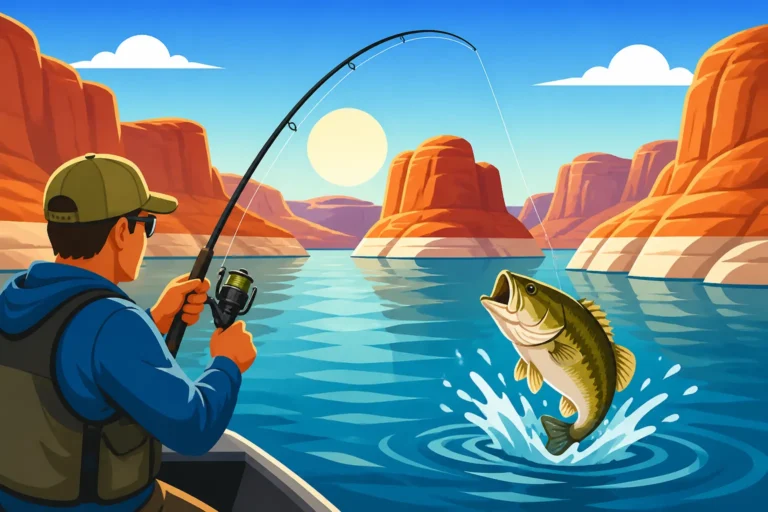
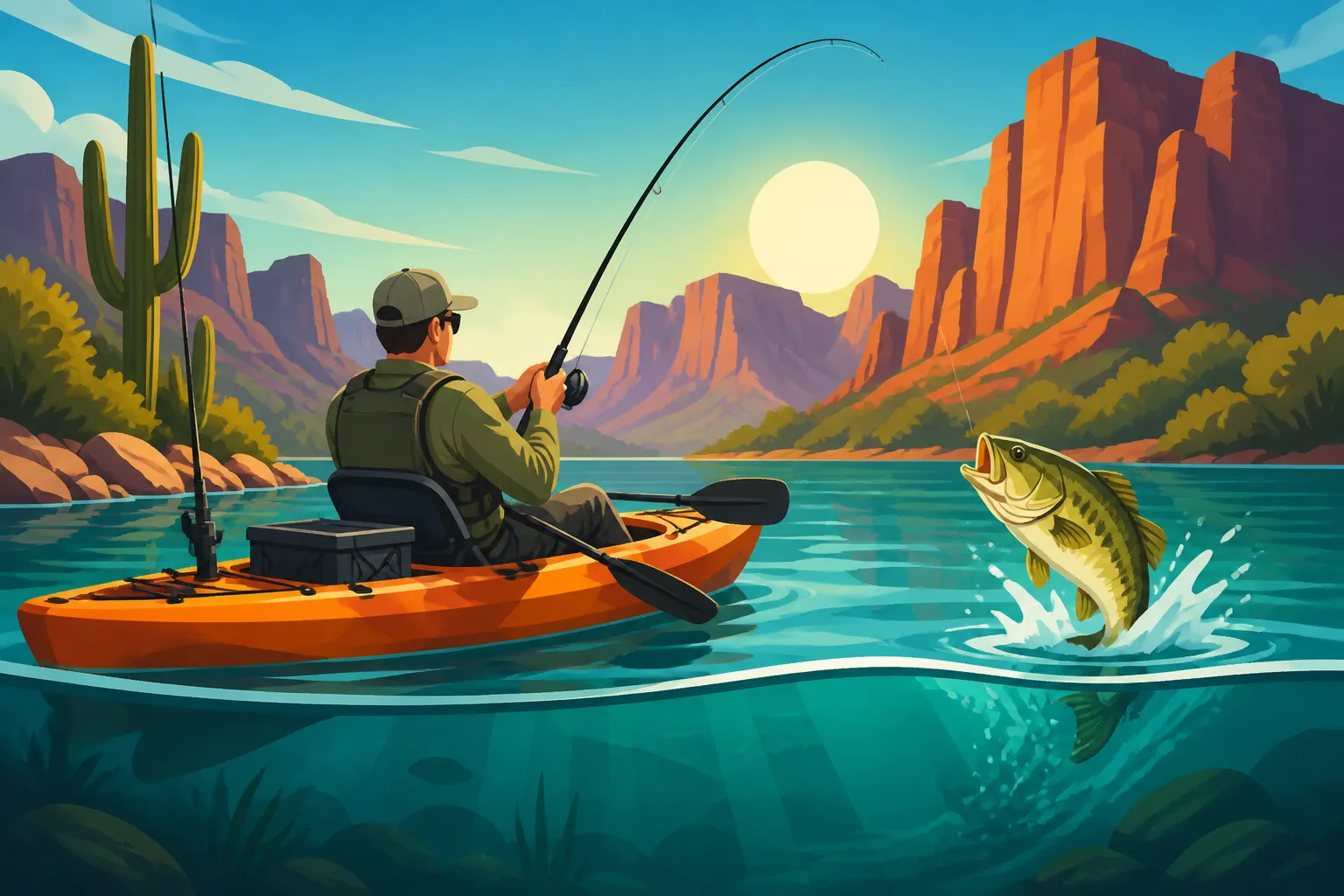
Imagine paddling silently along towering red rock cliffs, slipping into narrow canyons that larger boats simply can't access. That's the magic of kayak fishing on Canyon Lake. The lake’s sprawling main body can get choppy and crowded, especially on weekends, but your kayak opens up a world of secluded coves and hidden pockets. These quiet nooks are often overlooked by powerboaters, creating undisturbed havens where fish feel safe and plentiful.
With a kayak, you can hug the shorelines, casting precisely into submerged brush, rock crevices, and shaded overhangs where bass and crappie love to hide. The ability to maneuver into these tight spaces, often in no-wake zones, allows for a much more intimate and less pressured fishing experience. It's not just about catching fish; it's about the peaceful connection with nature that only a small, paddle-powered craft can offer in such a majestic setting. This silent approach can be key to surprising wary fish in clear water conditions.
Diverse Fish Species and Thriving Habitats
Canyon Lake is a vibrant fishery, teeming with a variety of popular sport fish that thrive in its unique structure. For kayak anglers, understanding these species and their preferred habitats is crucial for a successful outing. The steep underwater ledges, deep channels, and abundant rock formations create a diverse underwater world perfect for many types of fish.
Largemouth bass are the undisputed kings here, growing to impressive sizes thanks to a healthy forage base of threadfin shad and crayfish. Smallmouth bass also call Canyon Lake home, often preferring the rocky points and deeper, cooler waters of the main lake and canyon areas. Beyond bass, the lake boasts excellent populations of crappie, particularly black crappie, which seek out brush piles and submerged timber. You'll also find various sunfish species, like bluegill and green sunfish, in shallower, vegetated areas, offering fantastic action for lighter tackle. And let's not forget the catfish – channel catfish and flathead catfish patrol the lake's depths, especially after dark. This diversity means you can tailor your target species based on the season and your preferred fishing style, making every trip a new adventure. If you're new to the region, our comprehensive guide to the Fish Species Guide for Arizona Lakes can help you identify what you might encounter.
Essential Gear and Preparations for Canyon Lake Kayak Anglers
Getting ready for a kayak fishing trip on Canyon Lake involves a bit more planning than simply grabbing a rod and heading out. The Arizona desert environment, combined with the characteristics of Canyon Lake itself, demands specific gear choices and careful preparation to ensure a safe and successful outing.
Kayak Type and Essential Accessories
When it comes to choosing a kayak for Canyon Lake, stability and comfort are paramount. A sit-on-top kayak is generally recommended for fishing due to its stability, ease of re-entry if you happen to capsize (which, let's be honest, can happen to the best of us), and ample space for gear. Look for models designed specifically for fishing, often featuring rod holders, gear tracks, and a comfortable seat for those long hours on the water. While a sit-in kayak can work, they offer less deck space and can be trickier for fighting larger fish or dealing with unexpected swims. If you're considering your options, our guide to the Best Kayaks for Fishing in Arizona offers a deeper dive into what models might suit you best.
Beyond the kayak itself, several accessories are non-negotiable. A quality paddle is essential, and a spare paddle isn't a bad idea, especially if you plan to explore remote canyons. An anchor system, whether it's a grapple anchor with paracord or a pole anchor, will be your best friend for holding position in wind or current, allowing you to effectively fish a productive spot. Don't forget a personal flotation device (PFD) – it's legally required and critical for safety. Lastly, a sturdy fish finder can be a game-changer on a lake with such varied depths and structures, helping you locate schools of fish and prime underwater real estate.
Recommended Fishing Tackle and Baits
For Canyon Lake's diverse fishery, a versatile tackle setup is key. For largemouth and smallmouth bass, medium-heavy to heavy spinning or baitcasting setups are ideal, spooled with 10-15 lb fluorocarbon or braided line. You'll want a selection of lures, including jigs (dark colors for deeper water), Texas-rigged plastic worms or creature baits for fishing cover, crankbaits that dive to various depths, and topwater lures for early morning or late evening action. Shad-imitating swimbaits can also be highly effective, particularly for larger bass and striped bass.
If you're targeting crappie, a lighter setup is your best bet – think ultra-light spinning gear with 4-6 lb monofilament or fluorocarbon. Small jigs, usually 1/32 to 1/8 oz, tipped with a small plastic grub or a live minnow, are deadly. For panfish, the same light setup works wonderfully with tiny jigs, worms, or even bread balls under a bobber. Catfish anglers will want a stout rod and reel combo with 15-30 lb mono or braided line, using cut bait (shad or carp are popular), chicken liver, or stink baits fished on the bottom with a Carolina rig. Having a variety ensures you're prepared for whatever Canyon Lake throws your way. Our guide to Best Baits and Lures for Arizona Fishing has even more specific recommendations.
Safety Considerations and Arizona's Unique Challenges
Fishing in Arizona, especially on a large desert lake like Canyon Lake, comes with specific safety concerns that all kayak anglers must take seriously. The intense Arizona sun and heat, particularly from late spring through early fall, pose a significant risk of dehydration and heatstroke. Always bring more water than you think you'll need, wear sun-protective clothing (long sleeves, wide-brimmed hat, sunglasses), and apply high SPF sunscreen frequently. Early morning starts are not just for good fishing; they're also crucial for avoiding the brutal midday sun.
Beyond the heat, Canyon Lake can experience sudden, strong winds that can make paddling challenging and even dangerous for a kayak. Always check the weather forecast before heading out, and be prepared to cut your trip short if conditions deteriorate. Summer monsoon season brings with it the risk of intense thunderstorms, lightning, and flash floods in tributary areas; always monitor the skies. Heavy boat traffic, especially on weekends, also warrants caution. Kayaks are small and can be hard to see. Using a flag or bright clothing can increase your visibility. Finally, remember that you need a valid Arizona fishing license to fish these waters. Knowing your Boating Safety Gear Requirements in Arizona is also paramount. Many experienced guides on platforms like FishingBooker are well-versed in these conditions and can provide invaluable local knowledge for a safe trip.
Prime Fishing Spots and Techniques from a Kayak on Canyon Lake
Canyon Lake's intricate shoreline and underwater topography are a dream for kayak anglers. The ability to silently navigate and access areas unreachable by larger vessels gives you a distinct advantage. Knowing where to go and what techniques to employ will significantly increase your chances of a successful outing.
Targeting Bass in Structure-Rich Coves
For largemouth and smallmouth bass, Canyon Lake is a paradise of underwater structure. The steep canyon walls continue below the surface, forming ledges, drop-offs, and rock piles that provide perfect ambush points for bass. As a kayak angler, you can meticulously work these structures. Focus your efforts on the countless coves and inlets scattered throughout the lake. Look for areas with submerged timber, particularly after a few wet winters, or thick patches of aquatic vegetation. These offer cover and forage, making them prime bass real estate.
Techniques like pitching jigs, Texas-rigged plastics, or drop shot rigs close to the structure are highly effective. For deeper water and ledges, slow-rolling a football jig or working a deep-diving crankbait can entice bites. Don't overlook topwater action in the early mornings or late evenings, especially around points and flat sections of coves where bass might push shad to the surface. Popular areas like the Boulder Creek arm or the numerous smaller coves between the main lake and the Tortilla Flat area are excellent starting points for bass. Many local anglers find great success exploring new coves, so don't be afraid to venture off the beaten path. This lake is truly one of the Best Bass Fishing Lakes in Arizona, especially for those who can get into tight spots.
Finding Crappie and Panfish Hotspots
Crappie fishing from a kayak on Canyon Lake can be incredibly rewarding. These schooling fish often relate to vertical structure, making the abundant brush piles, submerged trees, and deeper rock ledges ideal targets. Spring is a particularly good time for crappie, as they move into shallower coves to spawn, often in water as shallow as 5-10 feet. During other seasons, you'll find them deeper, often suspending over structure.
From your kayak, you can quietly approach these spots and present small jigs (1/32 to 1/8 ounce) tipped with tiny plastic grubs, live minnows, or even Gulp! baits. Vertical jigging directly over brush piles or slowly trolling with a minnow under a slip bobber are excellent techniques. Pay close attention to your fish finder to locate schools of crappie or baitfish around structure. For panfish like bluegill and sunfish, look for shallower, warmer areas with submerged vegetation. A simple setup with a small hook, a piece of worm, and a bobber will provide constant action, perfect for a relaxing afternoon or introducing kids to fishing. Understanding Crappie Spawning Season Tactics can greatly improve your success.
Night Fishing for Catfish Opportunities
While Canyon Lake is stunning during the day, it truly comes alive at night for catfish anglers. Both channel catfish and impressive flathead catfish patrol the lake's bottom after dark, taking advantage of the cooler temperatures and reduced boat traffic. Kayak fishing at night offers a unique tranquility, but it also demands extra safety precautions. You must have proper lighting (a white light visible 360 degrees and a headlamp), and it's always advisable to fish with a buddy.
From your kayak, target deeper holes, creek channels, and the mouths of coves where baitfish might congregate. Fishing on the bottom with a Carolina rig or a simple ledger rig is the most common and effective method. For bait, cut shad, chicken liver, or commercial stink baits work well for channel catfish, while live bluegill or small carp are irresistible to large flatheads. Be prepared for a fight, as Canyon Lake's catfish can grow to impressive sizes. Always prioritize safety, have a communication device, and let someone know your float plan. Our Catfish Night Fishing Techniques guide offers more insights for those brave enough to venture out after sunset.
Planning Your Kayak Fishing Trip to Canyon Lake
A successful and enjoyable kayak fishing trip to Canyon Lake isn't just about the fishing; it's about thoughtful planning. From where you launch your kayak to when you choose to visit, every detail can impact your experience on this magnificent body of water.
Launch Points and Access Considerations
Canyon Lake offers several access points, but not all are equally suitable for kayak launching. The main boat ramps at the Canyon Lake Marina and the Boulder Recreation Site are popular but can get very busy, especially on peak weekends and holidays. Navigating heavy powerboat traffic at launch and retrieval can be a hassle. However, these ramps offer good parking and facilities.
For a potentially quieter experience, consider areas that offer more direct, albeit primitive, access. There are numerous informal pull-offs along the shoreline, particularly further into the canyons. Always respect private property signs and check for any specific access restrictions. Some areas might require a short portage, so be prepared to carry your kayak and gear. The Arizona State Parks and Trails website is a great resource for up-to-date information on fees, hours, and specific launch requirements. Remember that a Tonto Pass is required for parking at many of the recreation sites around the lake.
Best Times to Visit for Kayak Fishing
Timing is everything when planning a kayak fishing trip to Canyon Lake. Generally, spring (March-May) and fall (October-November) offer the most pleasant weather and excellent fishing conditions. During these seasons, temperatures are milder, and fish are often more active, feeding aggressively in preparation for spawning or winter. Spring sees bass moving shallow for their spawn, and crappie become highly active. Fall is great for topwater action and aggressive feeding from bass as water temperatures cool.
Summer, while hot, can still offer fantastic fishing if you're willing to embrace early morning or late evening excursions. Fishing before sunrise or after sunset allows you to avoid the intense midday heat, which is not only more comfortable for you but also when many fish species are more active. Winter fishing can be productive for deep-water bass and crappie, especially on warmer days, but be prepared for cold mornings. Always check the long-range forecast. Resources like FishingBooker can sometimes help you find local guides who can advise on the absolute Best Time of Year to Fish Roosevelt Lake (and by extension, the neighboring Canyon Lake) or other nearby Salt River Chain of Lakes Explained destinations for your target species.
Respecting the Environment and Other Boaters
Canyon Lake is a shared resource, and as kayak anglers, we have a responsibility to be good stewards of the environment and courteous to other lake users. Practicing "Leave No Trace" principles is paramount: pack out everything you pack in, and perhaps a little extra trash you might find. Avoid disturbing wildlife, especially nesting birds or spawning fish.
When it comes to other boaters, remember that you are a smaller, less visible vessel. Maintain a safe distance from powerboats and jet skis, especially in busy channels. Be aware of no-wake zones and respect them. Use appropriate lighting if fishing at dawn, dusk, or night to ensure you are seen. Sharing the water means mutual respect and understanding. If you encounter someone else fishing a spot you wanted to hit, simply move on; there are plenty of productive areas on Canyon Lake to explore. Your mindful actions help preserve Canyon Lake's beauty and ensure enjoyable experiences for everyone.
| Kayak Type | Pros | Cons | Best For |
|---|---|---|---|
| Sit-on-Top | Very stable, easy re-entry, ample gear space, self-bailing | Can be slower, less protection from elements, heavier | Beginners, active fishing, warmer weather, larger anglers |
| Sit-in | Faster, better tracking, more protection from elements, lighter | Less stable, harder re-entry, less open deck space, can feel cramped | Experienced paddlers, touring, colder weather, smaller anglers |
| Pedal-Drive | Hands-free propulsion, excellent for trolling and fighting fish | More expensive, heavier, more complex maintenance, can get snagged | Serious anglers, covering long distances, hands-free fishing |
| Inflatable | Highly portable, easy storage, lightweight | Less durable (puncture risk), slower, susceptible to wind, less rigid | Casual use, travel, calm conditions, limited storage space |
Disclaimer
The information provided in this guide is for general informational purposes only and does not constitute professional advice. Fishing regulations, safety guidelines, and local conditions can change frequently. Always consult the official Arizona Game and Fish Department (AZGFD) regulations booklet and local weather forecasts before planning any fishing trip. Adhere to all federal, state, and local laws and practice safe boating and fishing techniques.