Tonto Creek Arm Crappie Fishing Guide
Oh, the allure of crappie fishing in Arizona! Many of us dream of filling a cooler with those delicious papermouths, but pinpointing the best spots and understanding how these finicky fish behave can feel like cracking a secret code. Especially when you're looking at a specific, promising area like the Tonto Creek Arm. This guide is here to demystify the process, offering a deep dive into successful crappie fishing on the Tonto Creek Arm, from seasonal movements to the tackle that truly makes a difference.
Understanding Tonto Creek Arm's Crappie Fishery
The Tonto Creek Arm of Roosevelt Lake isn't just another stretch of water; it's a dynamic ecosystem that, under the right conditions, becomes a crappie angler's dream. But to truly unlock its potential, you need to appreciate what makes this particular arm tick. It's not always easy, with water levels fluctuating and conditions changing, but the reward for persistence can be huge.
Why Tonto Creek Arm is a Crappie Hotspot
What sets the Tonto Creek Arm apart from other sections of Roosevelt Lake? Primarily, it's the convergence of several key factors that create an ideal environment for crappie to thrive and for anglers to find them. The arm benefits from the inflow of Tonto Creek, which brings nutrients and can influence water clarity and temperature, especially after rainfall or snowmelt. This influx of fresh water often concentrates baitfish, which in turn draws in hungry crappie.
Beyond the creek's influence, the Tonto Creek Arm is rich in structure. Imagine vast expanses of submerged timber, brush piles, rock formations, and ledges – all prime real estate for crappie. These areas provide cover from predators, ambush points for feeding, and critical staging areas during different seasons. When the water levels are up, more of this natural structure becomes accessible, creating endless possibilities for anglers willing to explore. Additionally, the fluctuating water levels, while sometimes a challenge, also periodically flood new vegetation, creating fresh cover and feeding grounds that become instant crappie magnets. It's a constantly evolving fishery, which keeps things interesting, if a bit challenging at times. For a broader overview of the entire reservoir, you might want to check out our comprehensive guide on Roosevelt Lake Arizona Fishing Guide.
Seasonal Crappie Movement and Behavior
Crappie are creatures of habit, but those habits shift dramatically with the seasons in a dynamic environment like the Tonto Creek Arm. Understanding these patterns is absolutely crucial for consistent success. It's not enough to know where they are; you need to know why they're there and what they're doing.
- Spring (Pre-Spawn and Spawn): This is often considered prime time. As water temperatures climb into the 50s and 60s Fahrenheit, crappie begin their journey from deeper winter haunts to shallower spawning grounds. They'll stage in transitional areas, often around points, submerged humps, or the mouths of coves, before moving into very shallow water (2-10 feet) to spawn. During the spawn, they are highly concentrated and aggressive, making them easier to target. This is when you'll often find them around brush piles and flooded timber. Our article on Crappie Spawning Season Tactics delves deeper into how to capitalize on this fertile period.
- Summer: Once the spawn is over and water temperatures rise into the 70s and 80s, crappie typically retreat to deeper, cooler water. They'll often suspend over submerged creek channels, offshore humps, or along deep bluff walls, seeking thermal comfort and schooling together. They'll still relate to structure, but it will be deeper structure. Early mornings and late evenings might see them push shallower to feed, but for most of the day, you'll be looking in the 15-30 foot range, sometimes even deeper.
- Fall: As the heat breaks and water temperatures cool down, crappie become more active and start feeding aggressively in preparation for winter. They often move shallower again, similar to spring, but are typically more scattered. Look for them around baitfish schools that are also moving shallower. They'll still utilize brush piles and timber, but might roam more widely.
- Winter: Crappie school up tight in deeper water, often suspending over deep points, humps, or in the main creek channel. They become less active and their bites can be subtle. Fishing vertically directly over schools detected on sonar is often the most effective approach during these colder months. They don't disappear, but you definitely have to work for them.
Understanding these shifts is your first step to being in the right place at the right time.
| Season | Typical Water Temperature | Crappie Depth Range (Approx.) | Key Locations | Behavior & Tactics |
|---|---|---|---|---|
| Spring | 55-68°F | 2-15 feet | Shallows, coves, brush, flooded timber | Pre-spawn staging, spawning. Aggressive. Target visible structure. |
| Summer | 70-85°F | 15-35+ feet | Deep structure, creek channels, humps | Retreat to cooler, deeper water. Suspend. Search with electronics, vertical jigging, trolling. |
| Fall | 60-75°F | 10-25 feet | Main lake points, creek bends, brush | Aggressive feeding. Follow baitfish. Similar to summer but often shallower. Spider rigging, casting small jigs. |
| Winter | 45-55°F | 25-45+ feet | Deep channels, bluff walls, humps | Less active, tight schools. Vertical jigging directly over fish. Electronics are critical. |
Essential Crappie Fishing Techniques and Tackle
Once you have a handle on crappie behavior, it's time to talk tactics. What works best on the Tonto Creek Arm might differ slightly from other lakes, so having the right techniques and tackle in your arsenal is critical for a successful day on the water.
Spring Spawning Tactics for Tonto Crappie
When crappie move shallow to spawn in the Tonto Creek Arm, they become very accessible, but also potentially spooky if you're not careful. This is when the area around the creek channels and flooded timber becomes an absolute goldmine.
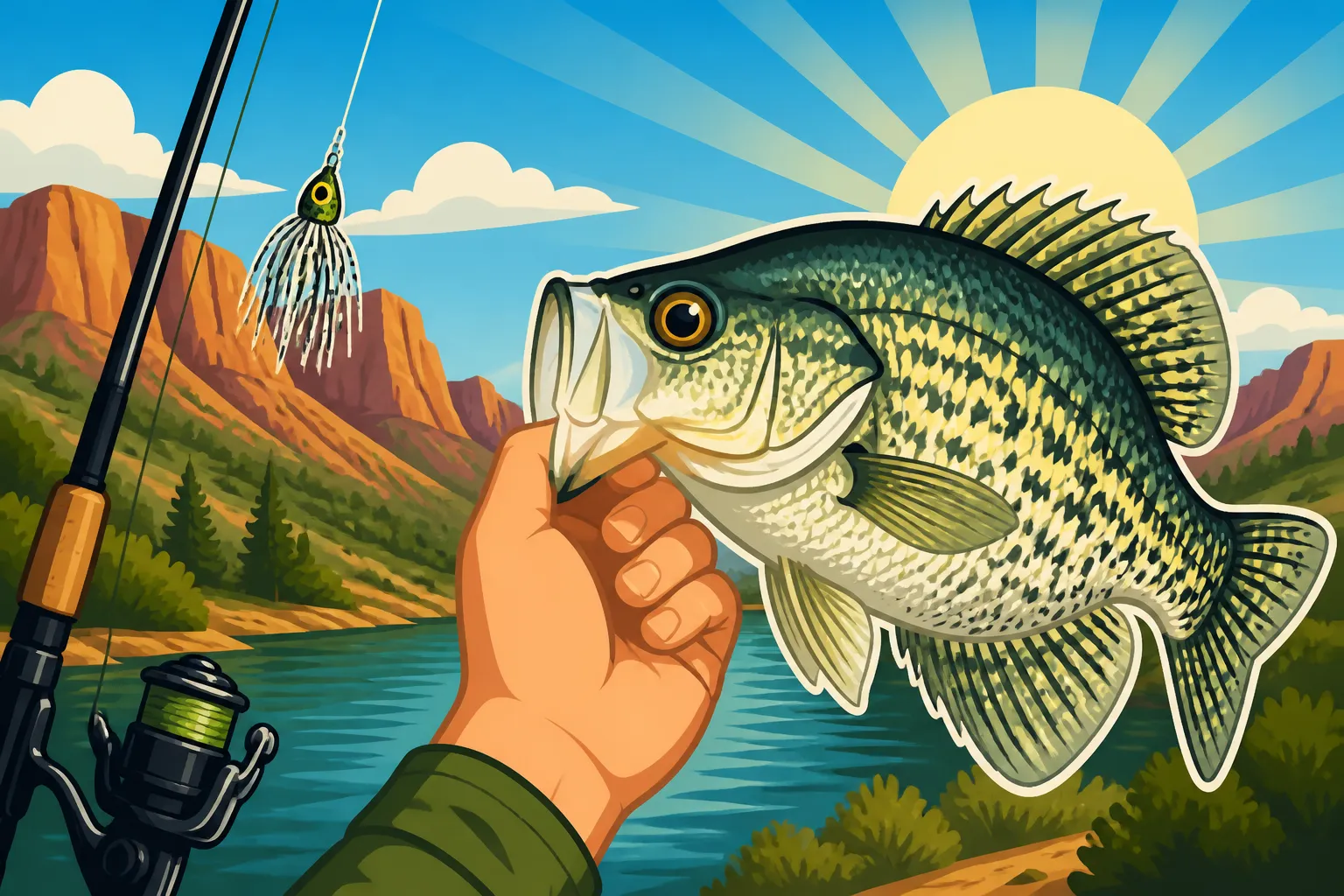
- Jigging and Pitching: Small jigs, typically 1/16 to 1/8 ounce, are fantastic. Tip them with soft plastic grub bodies, tubes, or even small minnows. Look for areas with visible cover like downed trees, stumps, and brush. Pitch your jig quietly to these spots, letting it fall slowly through the cover. Crappie will often hit it on the fall. Don't be afraid to try different colors; chartreuse, white, and various greens are common producers. A popular technique is to use a long, sensitive rod to "feel" your way through the branches, allowing the jig to flutter down.
- Bobber Fishing: For fixed structure or when crappie are very shallow, a slip bobber rig can be incredibly effective. Set your depth so your bait (jig or live minnow) hovers just above or in the middle of the cover. The bobber acts as a visual strike indicator and keeps your bait suspended in the strike zone longer. This is particularly good for targeting specific brush piles. Our guide on How to Fish a Brush Pile for Crappie provides more detailed advice on this.
- Live Minnows: You can't beat live bait for crappie, especially during the spawn. Hook a small live minnow (shiner or fathead) through the lips or dorsal fin and suspend it under a bobber or weightless into cover. The natural movement of the minnow is often irresistible to crappie. Just be aware of the rules regarding live bait in Arizona; check the current regulations before you go.
Remember to approach these shallow areas quietly. Use your trolling motor sparingly or drift with the wind, as loud noises and shadows can send crappie scattering.
Summer and Fall Strategies for Deepwater Crappie
As the seasons progress and crappie move away from the shallows, your approach needs to adapt dramatically. The vastness of the Tonto Creek Arm can be intimidating when fish are scattered in deeper water, but with the right techniques, you can still find those schools.
- Spider Rigging: This technique is a favorite for many crappie pros on large reservoirs like Roosevelt Lake. It involves using multiple rods (often 4-8) extended out from the front of the boat, presenting jigs or live minnows at various depths and distances simultaneously. You slowly troll along submerged creek channels, deep contours, or over offshore humps. This allows you to cover a lot of water and quickly determine the depth and presentation crappie prefer on a given day. You're basically creating a wide "net" to intercept schooling fish.
- Vertical Jigging and Drop-Shotting: When you locate schools of crappie suspended over deep structure using your fish finder, vertical jigging is deadly. Position your boat directly over the fish and drop a small jig or a drop-shot rig straight down. The key is to keep your bait in the strike zone and use subtle movements. For drop-shot, rig a small soft plastic (like a tiny worm or minnow imitation) a foot or two above a weight. This keeps your bait dancing horizontally at eye level with suspended fish. This method is also highly effective for smallmouth bass and is covered in our Drop Shot Techniques for Smallmouth Bass article, with similar principles applying to crappie.
- Trolling with Cranks and Jigs: Small crankbaits that dive to specific depths can be very effective in summer and fall. Match the lure's dive curve to the depth where you're seeing fish. Troll at slow speeds along contour lines or over points. You can also troll jigs, especially tandem rigs (two jigs on one line), to cover different depths simultaneously. Pay close attention to your electronics; they are your eyes underwater, helping you find those baitfish schools and crappie concentrations.
For any of these techniques, having good electronics is a game-changer. A reliable fish finder will help you locate brush piles, baitfish, and crappie schools hiding in the depths. If you're looking for gear advice, our guide on Best Fish Finders for Bass Fishing in Arizona offers useful insights that can be applied to crappie too.
Best Baits and Lures for Tonto Creek Arm
While crappie aren't usually picky eaters, having a selection of proven baits and lures can significantly increase your catch rate. The conditions on Tonto Creek Arm can dictate what works best on any given day.
- Live Minnows: As mentioned, live minnows are hard to beat, particularly during cooler water periods or when fish are less active. Small shiners or fatheads are excellent choices.
- Soft Plastic Jigs: These are versatile and effective year-round.
- Grub Tails: Small, curly-tailed grubs (1-2 inches) on a 1/32 to 1/8 ounce jig head are phenomenal. Colors like chartreuse, white, pearl, clear with glitter, and various greens are always good to have.
- Tube Jigs: These mimic small baitfish or invertebrates and have a great fall rate. Again, 1-2 inch sizes in similar colors.
- Bobby Garland's Baits: Brands like Bobby Garland's Stroll'R, Baby Shad, and Slab Slayers are incredibly popular and effective for crappie, offering a wide range of colors and actions.
- Small Crankbaits: For trolling in deeper water, small crankbaits that dive 5-20 feet are excellent. Look for models from Strike King (like the 3XD or 1.5) or Rapala that have a tight wobble. Colors mimicking shad or sunfish are generally good bets.
- Blade Baits: Small blade baits (like a Silver Buddy or similar) can be great for vertical jigging over deep schools, especially in cooler water. Their vibration and flash can trigger strikes from sluggish crappie.
- Spoons: Tiny jigging spoons can also work for vertical presentations on deep, suspended crappie.
When selecting your lures, remember that crappie primarily feed on small baitfish (like threadfin shad, which are abundant in Roosevelt Lake) and invertebrates. So, anything that imitates these food sources in size, color, and action will be your best bet. For a more general guide on what works in Arizona, check out Best Baits and Lures for Arizona Fishing.
Navigating Tonto Creek Arm: Access and Conditions
Getting to and navigating the Tonto Creek Arm can be an adventure in itself. Understanding the access points, boat requirements, and how fluctuating water levels impact the fishery is essential for a safe and productive trip.
Boat Ramps and Access Points
The primary way to access the Tonto Creek Arm for crappie fishing is by boat, usually launched from one of the ramps on Roosevelt Lake. The arm itself is part of the larger Roosevelt Lake system, so access will depend on the overall lake conditions.
- Public Boat Ramps: The Arizona Game and Fish Department (AZGFD) and the Tonto National Forest manage several boat ramps on Roosevelt Lake. The most common ramps used to access the Tonto Creek Arm directly or indirectly include:
- Grapevine Boat Ramp: Located on the northern side of the lake, this ramp often provides good access to the upper reaches of the Tonto Creek Arm, depending on water levels. It's typically a good concrete ramp.
- Cholla Boat Ramp: Further down the main lake, Cholla can also be used, requiring a bit more travel to reach the Tonto Creek Arm, but it's a very reliable ramp.
- Apache Lake Marina and Resort (nearby, but not Tonto Creek): While not on Tonto Creek Arm itself, Apache Lake, part of the Salt River chain, is a popular destination and serves as a good reference for those exploring the area's fishing spots.
- Primitive Access: At very high water levels, some areas might offer primitive access for smaller boats or kayaks, but these are rarely maintained and can be hazardous. Always scout ahead if you're considering a primitive launch.
- Kayak and Canoe Access: For those opting for a quieter approach, kayaks and canoes are excellent for exploring the shallower coves and flooded timber of the Tonto Creek Arm. You can launch these from many of the same ramps or even from less developed spots if the terrain allows. If you're new to paddling for fish, our guide on Kayak Fishing Techniques for Desert Lakes might be helpful.
Always check the current water levels and ramp conditions before heading out. The Arizona Game and Fish Department website or local marinas are excellent sources for up-to-date information. Ensure your boat is properly registered and equipped with all required safety gear; you can find details on Boating Safety Gear Requirements in Arizona. If you're thinking about a bigger vessel, consider reviewing Best Boats for Arizona Lakes for broader recommendations.
Water Levels and Their Impact on Fishing
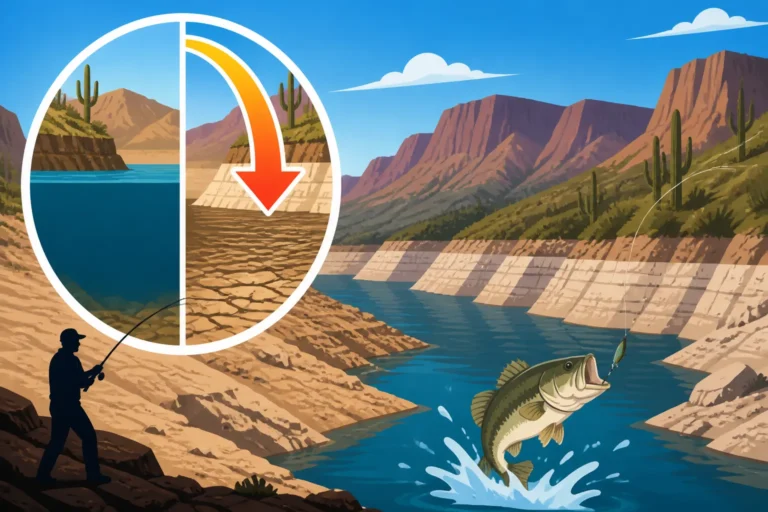
The Tonto Creek Arm, like many reservoirs in Arizona, is subject to significant water level fluctuations due to snowmelt, rainfall, and water management. These changes have a profound impact on crappie fishing.
- High Water Levels:
- Pros: When water levels are high, new terrestrial vegetation becomes flooded, creating incredible new cover for crappie. Trees, bushes, and even grass become fish habitat. This often spreads the fish out, but also gives them more places to hide and feed, particularly during the spawn. It can also open up new areas for boats to explore that were previously dry land.
- Cons: Higher water can make it harder to pinpoint crappie, as they have more places to hide. It can also make navigation tricky in areas where old roads or obstacles become submerged but are still close enough to the surface to be a hazard.
- Low Water Levels:
- Pros: Low water levels concentrate fish into smaller areas, often around the remaining deep structure, creek channels, and main lake points. This can make them easier to locate with electronics once you find them. All the classic brush piles and humps become more prominent.
- Cons: Many boat ramps can become unusable, making access difficult or impossible for larger boats. Exposed shorelines mean less shallow cover, and crappie are often pushed into deeper, sometimes clearer water where they can be warier. Navigation can also be tricky due to newly exposed hazards.
Always consult current lake levels, often reported as a percentage of capacity or elevation above sea level, before your trip. Pay attention to how quickly levels are changing, as a rapid drop or rise can temporarily shut down the bite. Booking a local guide through platforms like FishingBooker can provide invaluable real-time insights into current conditions and hot spots. They spend every day on the water and know these nuances best.
Lastly, remember to respect the fish and the regulations. Be mindful of the Fishing Bag and Possession Limits Explained for crappie in Arizona to ensure the fishery remains healthy for future generations.
Disclaimer
Fishing conditions and regulations can change rapidly. Always consult the latest Arizona Game and Fish Department regulations before heading out on any fishing trip. The information provided in this guide is for general informational purposes only and does not constitute professional advice. Fish responsibly and safely.