Best Tackle Box Organization for Multiple Species
There's nothing quite as frustrating as being out on the water, the fish are biting, and you're fumbling through a chaotic mess of hooks, weights, and tangled lines, desperately searching for that one specific lure you know you have somewhere. For those of us who love to chase multiple species across Arizona's diverse waters, from the high mountain trout streams to the warm desert bass lakes, a disorganized tackle box isn't just an annoyance – it can cost you precious fishing time and even a trophy catch. This guide will walk you through the best strategies for organizing your tackle box to efficiently handle all the different species and techniques you might encounter in the Grand Canyon State.
Why Tackle Box Organization Matters for Multi-Species Anglers
Fishing in Arizona is a unique experience, offering everything from cool-water trout to hard-fighting desert bass, massive catfish, and aggressive stripers. This means most of us aren't just one-species anglers; we're often targeting several different fish types, sometimes even on the same trip! This variety, while fantastic for angling opportunities, can quickly lead to a nightmare in your tackle box if you don't have a system in place.
Saving Time and Sanity on the Water
Imagine you're at Roosevelt Lake, the sun is just coming up, and you've spotted some bass schooling. You need to tie on a topwater lure, fast. If your tackle box is a jumble of everything you own, you'll be digging, untangling, and probably muttering to yourself while the action passes you by. A well-organized box, however, allows you to grab exactly what you need in seconds, making the most of those critical fishing windows. This isn't just about efficiency; it's about reducing stress and enhancing the enjoyment of your time outdoors. When you know where everything is, you can focus on the fishing, not the searching. This is especially true when you're trying to quickly switch from targeting Largemouth Bass Fishing Guide for Arizona to say, catfish, if the bite changes.
Protecting Your Gear and Investment
Let's be honest, fishing tackle isn't cheap. Lures, hooks, and even soft plastics represent a significant investment, and neglecting their storage can lead to premature wear and tear or damage. Hooks rust when exposed to moisture and other metals. Soft plastics melt or leach chemicals into each other, becoming unusable or sticky. Fragile hard baits can get chipped or broken if they're rattling around loose. Proper organization means each item has its place, preventing damage, keeping hooks sharp, and extending the life of your valuable gear. This is particularly important for those specialized lures you spent good money on at places like Bass Pro Shops.
Adapting to Arizona's Diverse Fisheries
Arizona boasts an incredible range of fishing environments. You might be fly fishing for trout in a high-elevation stream one weekend, then chasing stripers on Lake Powell the next, and fishing for crappie at a community lake in between. Each of these scenarios often calls for different tackle, different baits, and even different line types. Trying to carry every single item you own for every possible scenario is impractical and cumbersome. Effective tackle organization allows you to create specialized kits or sections within your main box, so you can quickly pull out what you need for a specific trip without having to overhaul your entire inventory. This adaptability is key to success in Best Fishing Lakes in Arizona and their varied populations.
Essential Organization Strategies for Diverse Species
The key to multi-species tackle organization is thinking in categories, not just throwing everything in. You need systems that allow for quick access to specific items while keeping everything else neatly compartmentalized.
Categorizing by Species and Lure Type
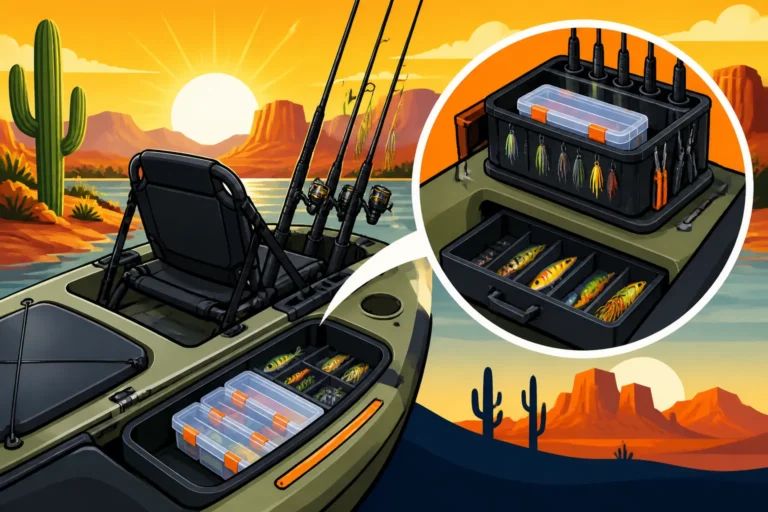
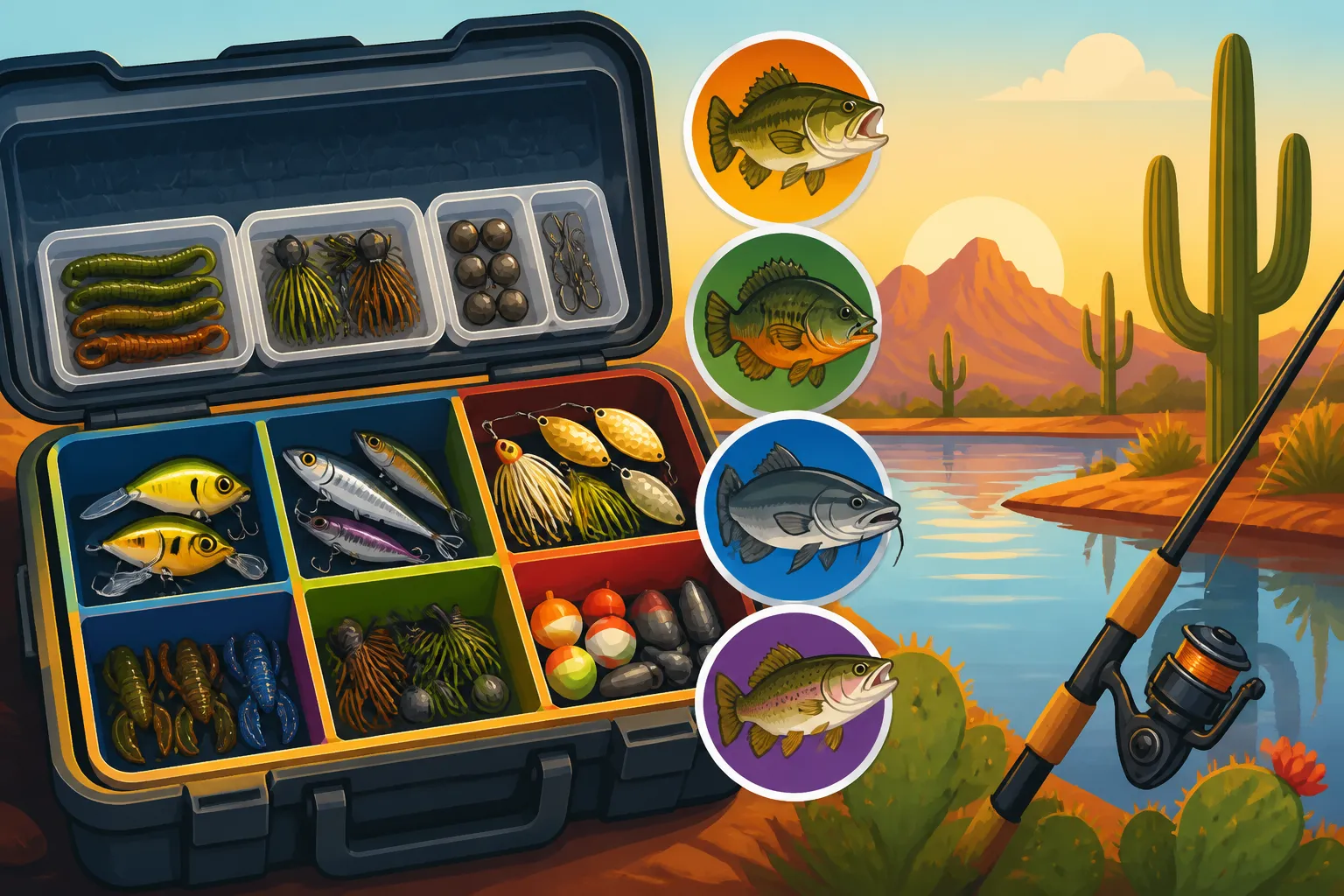
One of the most effective strategies is to dedicate specific compartments or smaller boxes to the species you target most often. For instance, you could have a "Bass Box" with all your topwater, crankbaits, jigs, and soft plastics for bass, and a separate "Trout Box" for spinners, small spoons, and trout worms. Within those species-specific sections, further categorize by lure type.
For bass fishing in Arizona, this might look like:
- Topwater: Poppers, walk-the-dogs, frogs.
- Crankbaits: Divided by diving depth (shallow, medium, deep).
- Jigs: Flipping jigs, football jigs, swim jigs.
- Soft Plastics: Worms, creature baits, senkos (keep these in their original bags to prevent melting and color transfer, then store bags together).
For trout, you might have:
- Spinners: Roostertails, Mepps, Panther Martins.
- Spoons: Kastmasters, Little Cleos.
- PowerBait & Worms: Small containers or bags.
This systematic approach makes it incredibly easy to find what you need. When preparing for a trip, you can grab your "Bass Box" and your "Catfish Box" without bringing along all your trout gear if you know you won't be targeting them. This strategy also helps when you’re studying Best Bass Fishing Techniques for Arizona Lakes or Best Trout Fishing Techniques for Arizona Waters and want to quickly apply a new method.
Implementing a "Go-To" Kit for Quick Changes
Even with species-specific organization, you don't want to be constantly opening and closing multiple large boxes on the boat or bank. A "go-to" kit, or a smaller, readily accessible box, is a lifesaver for terminal tackle and frequently used items. This small box might contain:
- Hooks: A selection of your most used sizes (e.g., worm hooks, treble hooks, circle hooks for catfish).
- Weights/Sinkers: A variety of common sizes (e.g., bullet weights, split shots, egg sinkers).
- Swivels/Snaps: Different sizes for quick lure changes.
- Line/Leader: A small spool of your primary fishing line and leader material.
- Tools: Line clippers, small pliers, a hook remover.
This compact kit can be kept in a backpack, a side pocket of a larger tackle bag, or even on your person, ensuring that basic rigging components are always within arm's reach. This is especially helpful when dealing with the hot Arizona sun and you want to minimize time spent rummaging.
Smart Storage for Terminal Tackle and Soft Plastics
Terminal tackle (hooks, weights, swivels, beads) and soft plastics are often the most problematic items to organize. They're small, numerous, and prone to tangling or damage.
For terminal tackle, shallow compartment boxes with adjustable dividers are invaluable. Many brands, including those found on Amazon, offer these. Dedicate each compartment to a specific hook size, weight type, or swivel size. Labeling these compartments, even with a small piece of tape and a marker, can save immense time. Consider magnetic strips within some compartments for tiny hooks or jig heads to keep them from scattering.
Soft plastics are notorious for melting or reacting with each other, especially in the Arizona heat. Always try to keep them in their original packaging, as these bags are designed to prevent such issues. Then, store these bags upright in larger utility boxes or soft-sided binders. Some anglers use specialized soft plastic binders with clear, resealable pages that keep individual bags organized and prevent cross-contamination. This is also a good way to organize your Best Lures for Largemouth Bass in Arizona Lakes and ensure they stay pliable.
Tackle Box Types and How to Optimize Them
Choosing the right tackle box (or boxes!) is foundational to effective organization. What works for one angler or one type of fishing might not be ideal for another, especially when you're jumping between species.
Traditional Tray Boxes and Their Limits
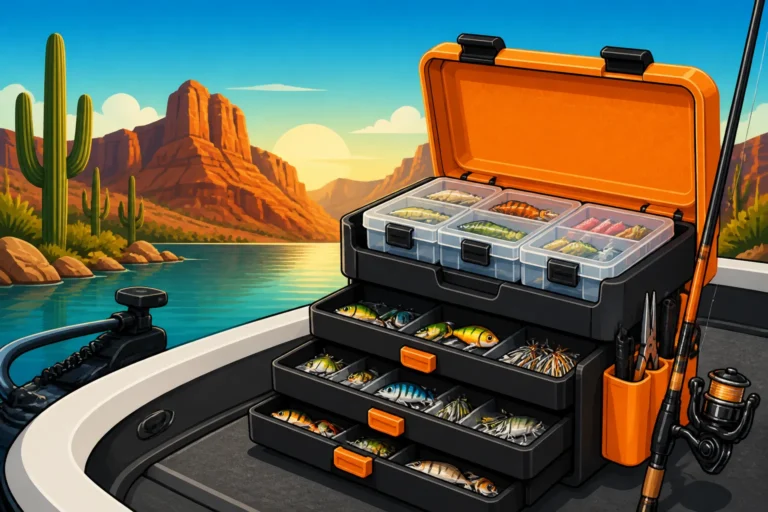
The classic "cantilever" or tray-style tackle box is what many of us started with. They have hinged trays that fan out, revealing multiple compartments.
Pros:
- Affordable: Generally less expensive than modular systems.
- All-in-one: Can hold a decent amount of gear in one unit.
- Nostalgic: Simple, straightforward design.
Cons:
- Limited Customization: Compartments are often fixed, making it hard to adjust for different lure sizes or types.
- Poor Soft Plastic Storage: Not ideal for keeping soft plastics in their original bags, leading to potential melting.
- Weight Distribution: Can become very heavy and unbalanced when fully loaded.
- Access: To get to the bottom, you have to fan out all the trays, which can be awkward in tight spaces on a boat or crowded bank.
- Durability: The plastic hinges can sometimes be flimsy.
Optimization: If you prefer a traditional tray box for certain items, use the upper trays for frequently accessed items like your "go-to" terminal tackle. The deeper main compartment can house larger items like spools of line, pliers, a small first-aid kit, or perhaps a few small, dedicated utility boxes for specific lure types. This type of box can be useful for holding your Essential Tackle Box Setup for Arizona Beginners.
Modular Systems and Soft-Sided Bags
Modern tackle storage has largely moved towards modular systems and soft-sided bags, and for good reason. These offer unparalleled flexibility and protection.
Modular Systems (e.g., Plano EDGE series): These typically consist of a larger bag or container that holds multiple, interchangeable utility boxes. These utility boxes often feature adjustable dividers, clear lids for easy viewing, and sometimes even specialized features like rust-preventative materials.
Pros:
- Ultimate Customization: You can outfit each utility box for a specific species, lure type, or fishing technique.
- Quick Swapping: Easily swap out boxes depending on your target species or destination.
- Protection: Many utility boxes are waterproof and designed to protect against rust and UV damage.
- Visibility: Clear lids allow you to see contents at a glance.
Soft-Sided Bags: These are essentially backpacks or shoulder bags designed specifically for tackle storage. They often feature large main compartments for utility boxes, along with numerous external pockets for tools, spare spools, and personal items. Many reputable brands like Bass Pro Shops and Amazon offer a wide array of soft-sided tackle bags that cater to different needs and budgets.
Pros:
- Portability: Comfortable to carry, especially for bank fishing or hiking to remote spots.
- Capacity: Can hold many utility boxes and extra gear.
- Organization: External pockets provide quick access to tools, phones, and other necessities.
- Protection: Padded designs protect gear from impacts.
Optimization: This is where multi-species anglers shine. Dedicate specific utility boxes to different species (e.g., one for Largemouth Bass Fishing Guide for Arizona, one for Striped Bass Fishing Guide for Arizona, one for Catfish Fishing Guide for Arizona). Within those boxes, use the adjustable dividers to separate lures by type or size. Use smaller, specialized boxes for hooks, weights, and swivels. Soft-sided bags are excellent for holding several of these utility boxes, plus larger items like spools of Best Line for Bass Fishing or extra reels.
Specialized Storage for Bulk Items
Some items don't fit well into standard tackle box compartments or modular utility boxes. These include:
- Large Lures: Big swimbaits, oversized crankbaits, or muskie lures (if you're targeting those rare instances, though not common in AZ).
- Bulky Baits: Large tubs of PowerBait, jars of cut bait, or large packs of soft plastics.
- Tools: Large pliers, scissors, measuring boards, scales.
- Safety Gear: First aid kits, extra water, sunscreen (crucial for Heat Safety Tips for Summer Fishing in Arizona).
For these items, consider dedicated bags or buckets. A separate bait cooler can keep live bait or cut bait fresh, especially in Arizona's heat. A utility bucket with an organizer insert can be great for bulkier items, acting as a sturdy container and even a makeshift seat. For large soft plastic bags, as mentioned, a tackle binder or a dedicated deep utility box is perfect. Don't be afraid to think outside the traditional tackle box – sometimes a simple backpack or a small dry bag is the best solution for these bulkier, less-frequently-accessed items.
Here's a quick comparison of common tackle storage types:
| Storage Type | Best Use Case | Pros | Cons |
|---|---|---|---|
| Traditional Tray Box | General purpose, organized by simple categories | Affordable, accessible for common items | Limited customization, poor for soft plastics, awkward access |
| Utility Boxes (Modular) | Species-specific, lure-specific organization | Highly customizable, clear visibility, protective | Can get expensive, requires a larger bag to carry multiple boxes |
| Soft-Sided Tackle Bag | Portability, carrying multiple utility boxes | Comfortable to carry, ample storage, organized external pockets | Can be bulky, items inside not individually protected from elements |
| Backpack (Fishing Specific) | Bank fishing, hiking to remote spots | Excellent portability, good for personal items and small tackle | Limited capacity for large tackle, less specialized organization |
| Specialized Binders | Soft plastic bags, leader material, pre-tied rigs | Prevents melting/damage, clear pages for quick selection | Only for flat items, needs to be stored within another bag |
Maintaining Your Organized Tackle Box for Arizona Conditions
Organization isn't a one-time event; it's a continuous process, especially for anglers who regularly brave the dust and heat of Arizona's fishing spots. A system only works if you stick with it.
Post-Trip Cleanup and Restocking Routines
The moment you get home from a fishing trip, resist the urge to just dump your gear in the garage and collapse. A quick 15-20 minute cleanup can save you hours of frustration later.
Here’s a simple routine:
- Empty and Inspect: Remove all lures and terminal tackle from your "go-to" kit and any utility boxes you used. Inspect each item. Are hooks dull or rusty? Replace them. Is that soft plastic torn beyond repair? Toss it.
- Dry Everything: If anything got wet, lay it out to dry thoroughly. This is critical in Arizona to prevent rust and mildew. Consider adding desiccant packs (those little silica gel packets) to your tackle boxes, especially if they're not fully waterproof.
- Clean Lures: Wipe down lures that got muddy or slimy. A quick rinse with fresh water and a dry-off can make a big difference.
- Restock: Replenish any used hooks, weights, or lures from your bulk supply. This ensures your boxes are ready for the next adventure. This is also a good time to check your Best Baits and Lures for Arizona Fishing to see if you're running low on any essentials.
Making this a habit ensures your gear stays in top condition and you're always prepared, rather than scrambling the night before a trip.
Seasonal Adjustments and Inventory Checks
Arizona's fishing seasons can vary dramatically, from winter trout stockings to hot summer bass and catfish. Your tackle organization should reflect these shifts.
Seasonal Adjustments:
- Winter: Focus on trout baits, smaller jigs, and slow-moving presentations. Pack away most of your big topwater bass lures.
- Spring: Bring out the bass spawning baits, crappie jigs, and early-season striper tackle.
- Summer: Shift to deep-diving crankbaits, heavy jigs for deep structure, and night-fishing catfish rigs. Don't forget Catfish Night Fishing Techniques require specific glow baits and heavier weights.
- Fall: A transitional period, you might need a mix of bass and trout gear as temperatures cool.
Inventory Checks: At least twice a year, do a thorough inventory of all your tackle. This isn't just about organizing; it's about knowing what you have. Do you have too many crankbaits in one color and none of another? Are your hooks all dull? Do you have enough Best Bait for Catfish in Arizona? This is also a great time to research new techniques or lures you want to try and make a shopping list for places like Amazon or your local Bass Pro Shops. By assessing your full inventory, you can make informed decisions about what to buy, what to replace, and what to donate. This also helps you rotate older lines or tackle components that might have degraded over time, preventing unexpected failures on the water.
Weatherproofing Your Tackle for Arizona Extremes
Arizona's climate presents unique challenges for tackle storage. Intense heat, UV exposure, and occasional monsoon moisture can wreak havoc on your gear.
- Heat Protection: Never leave your tackle boxes in direct sunlight or in a hot vehicle for extended periods. Plastics can warp, soft plastics will melt and leach, and delicate electronics (like fish finders) can be damaged. Store your main tackle boxes in a cool, dry place like an air-conditioned garage or inside your home.
- UV Protection: Many modern utility boxes come with UV-resistant additives in their plastic. If yours don't, be mindful of leaving them exposed on the boat deck all day. Consider a tackle bag that shields your boxes from direct sun.
- Moisture Control: Despite being a desert, condensation and unexpected downpours (especially during monsoon season) can introduce moisture. As mentioned, desiccant packs are excellent. Ensure your utility boxes have tight-fitting seals. If you fish a lot on the Colorado River or other major waterways, having truly waterproof boxes for sensitive items like your phone or camera is a smart move.
By implementing these routine maintenance and weatherproofing strategies, you'll ensure your perfectly organized tackle box remains that way, trip after trip, season after season, ready to help you land your next big catch in Arizona.
Disclaimer
This article is for general informational purposes only and does not constitute professional advice. Laws, prices and regulations vary by location and change over time. Consult a qualified professional for guidance on your specific situation.