Best Table Fare Among Arizona Sport Fish
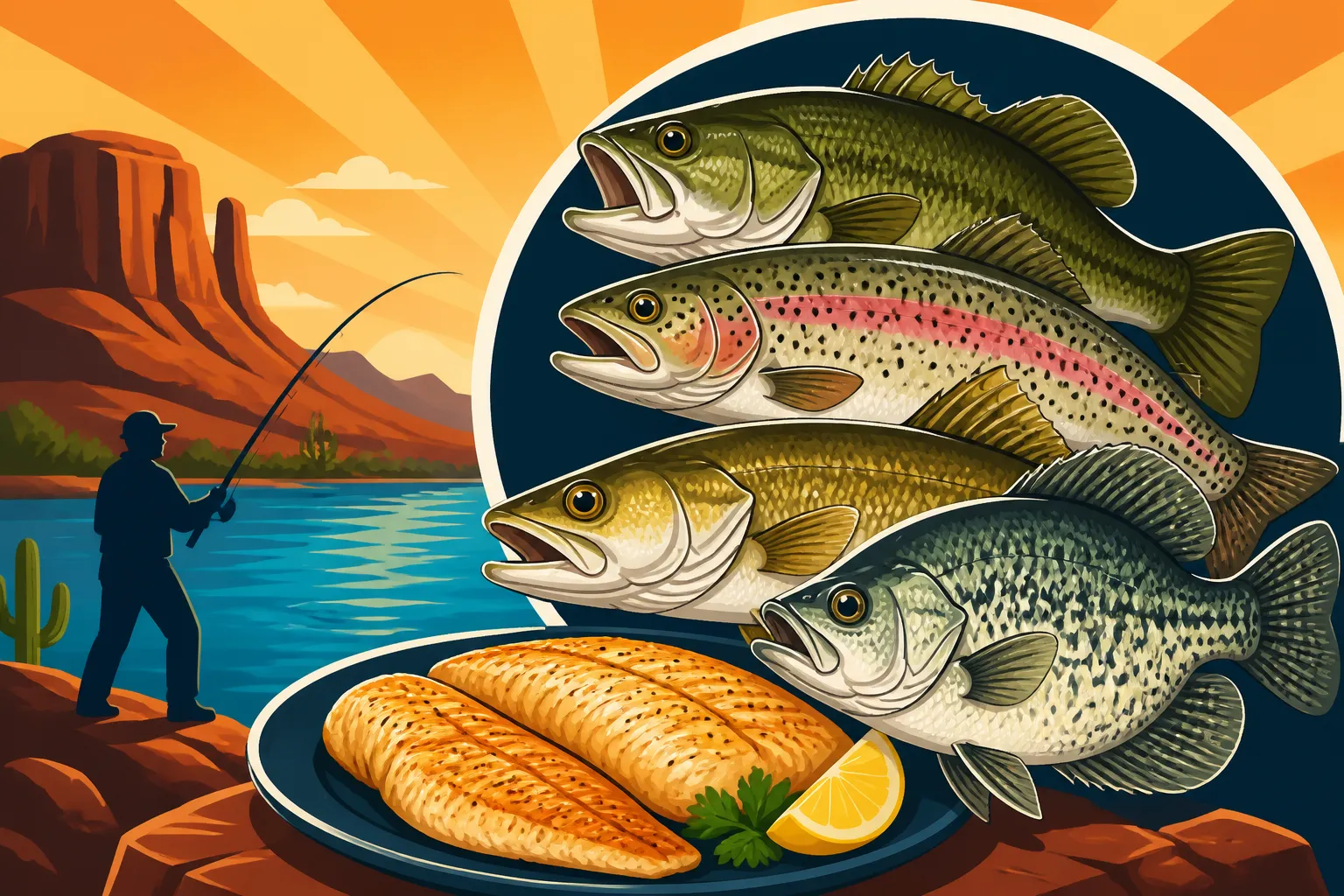
There’s nothing quite like the satisfaction of reeling in a beautiful fish, but for many of us, the joy doesn't stop there. The thought of bringing home a fresh catch to prepare for dinner is a huge part of the angling experience! However, if you’ve ever wondered which fish from Arizona’s waters truly shine on the dinner plate, you're not alone. It can be a real head-scratcher trying to decide which species offers the best flavor and texture. This guide is all about helping you identify the best table fare among Arizona's sport fish, so you can make the most of your next fishing trip and enjoy a truly delicious meal.
The Quest for Deliciousness: What Makes a Fish Good Table Fare?
Before we dive into specific species, let’s talk about what makes a fish truly stand out when it comes to eating. It’s more than just "fishy" or "not fishy"; there's a whole world of culinary characteristics that elevate a good catch to a great meal. Understanding these factors will help you appreciate why certain species are favored and how to get the most out of your own harvest.
Flavor Profile: From Mild to Wild
The flavor of fish can vary dramatically, and what one person loves, another might find too strong. Generally, most anglers looking for good table fare prefer a milder, cleaner flavor that pairs well with various seasonings and cooking methods. Think of it like comparing chicken to venison – both are great, but they serve different culinary purposes.
Many Arizona sport fish offer a delicate, almost sweet flavor, which is highly sought after. This mildness allows the natural taste of the fish to come through without being overpowering, making it a hit even with those who claim not to love "fish." On the other hand, some species have a more pronounced, earthy, or even robust flavor. These can be fantastic when prepared correctly, often benefiting from bolder marinades or specific cooking techniques that complement their inherent taste. The goal isn't necessarily to eliminate all "fishiness," but to find a balance that appeals to your palate and allows for culinary creativity.
Texture Matters: Flaky, Firm, or Meaty?
Beyond flavor, the texture of a cooked fish fillet is incredibly important. Do you prefer something that melts in your mouth with delicate flakes, or a firmer, meatier bite that holds up well to grilling? Arizona's waters offer fish with a range of textures, and knowing what to expect can influence both your target species and your cooking approach.
For instance, some fish, when cooked, will naturally separate into beautiful, moist flakes, perfect for delicate preparations like baking or steaming. Others boast a firmer, more steak-like texture that makes them ideal for the grill or pan-searing, as they won't fall apart easily. Then there are those that land somewhere in the middle, offering a good balance of firmness and flakiness. The texture often dictates the best cooking method; a delicate fish might be overwhelmed by heavy frying, while a firm fish might become tough if simply poached. Considering the texture helps you choose not just what to catch, but how to prepare it for maximum enjoyment.
Preparing Your Catch for the Plate
The journey from the hook to the plate is critical. Even the best-tasting fish can be ruined by poor handling. From the moment you land your catch, proper care is paramount to ensure its quality as table fare. This means immediate attention to cooling and cleanliness.
Many anglers underestimate the impact of keeping a fish alive on a stringer in warm water for too long, or simply tossing it into a bucket without ice. This can drastically affect flavor and texture, leading to a "fishy" taste and mushy flesh. We'll delve deeper into the specifics, but remember that gutting, cleaning, and getting your fish on ice as quickly as possible are the golden rules. A good cooler, readily available on retailers like Amazon, is an essential piece of gear for any angler hoping to bring home dinner. Think of it as investing in the quality of your meal before you even get home to cook it.
Top Contenders: Arizona's Best Eating Sport Fish
Alright, let's get down to business! When it comes to putting fish on the Arizona dinner table, certain species consistently rise to the top. These are the ones that anglers often rave about for their delicious flavor and appealing texture, making them prime targets for a rewarding culinary experience.
The Popular & Palatable: Rainbow Trout
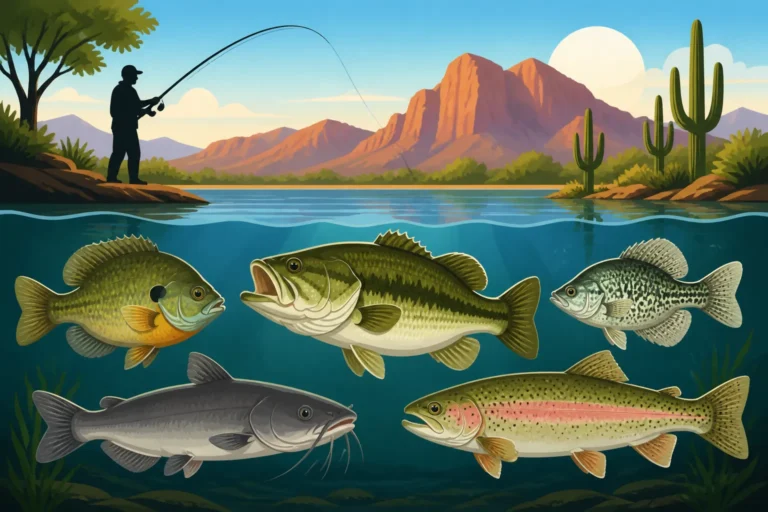
Rainbow trout are undoubtedly one of Arizona's darlings when it comes to table fare. These beautiful fish, frequently stocked in lakes and streams across the state, offer a delightful dining experience that appeals to almost everyone. Their flesh is typically light, flaky, and has a mild, delicate flavor that is not overly "fishy." This makes them incredibly versatile in the kitchen.
Whether you bake them whole with lemon and herbs, pan-fry fillets with a light breading, or even smoke them, rainbow trout consistently deliver. They cook quickly and their natural oils keep the meat moist and tender. Many urban lakes and mountain streams are regularly stocked, offering ample opportunities to catch these delicious fish. If you're looking for a reliable and always satisfying meal, the rainbow trout should be high on your list. You can learn more about targeting them in our Rainbow Trout Fishing Guide for Arizona or check out the Trout Stocking Season in Arizona to plan your trip.
The Versatile Fillet: Largemouth and Smallmouth Bass
Bass might be more known for their fighting prowess, but don't discount them as table fare! Both largemouth and smallmouth bass can provide excellent eating, especially when handled properly. Their meat is white, firm, and has a clean, subtle flavor. While some anglers claim bass can have an "earthy" taste, this is often a result of improper handling or coming from stagnant, warm water.
To get the best out of your bass, prioritize immediate icing and bleeding. Filleting them and removing any red meat or skin can also enhance the flavor, making for a truly delicious fillet that holds up wonderfully to grilling, pan-searing, or even deep-frying. Largemouth Bass Fishing Guide for Arizona and Smallmouth Bass Fishing Guide for Arizona offer great tips on catching these incredible fish, and the culinary rewards are definitely worth it. When cooked right, bass offer a meaty texture that satisfies, making them a fantastic alternative to more common white fish.
The Panfish Perfection: Crappie and Bluegill
When we talk about pure deliciousness in small packages, crappie and bluegill are the unsung heroes of Arizona's waters. These panfish are named for a reason: they are absolutely superb when lightly breaded and fried whole or as small fillets in a hot pan. The meat is incredibly delicate, sweet, and flaky, possessing a mild flavor that is hard to beat.
Crappie, both black and white, are a particular favorite. Their fillets are thin and cook up quickly, making them a fantastic choice for a quick meal after a successful outing. Bluegill and other sunfish, while smaller, offer a similar delightful experience. They might require a bit more patience to clean due to their size, but the reward is undeniable. For beginners or families fishing together, these species are often the easiest to catch, and their deliciousness makes them a perfect introduction to eating your catch. Check out our Crappie Fishing Guide for Arizona and Panfish and Sunfish Guide for Arizona for tips on hooking into these tasty morsels.
The Surprising Delicacy: Channel Catfish
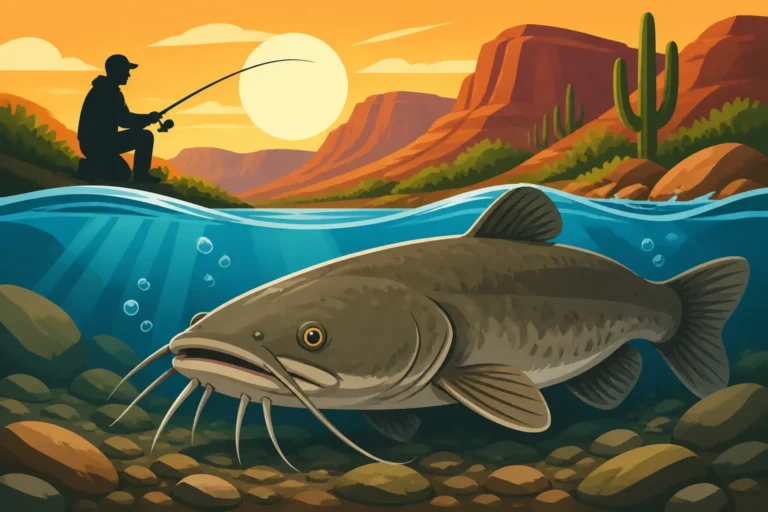
Catfish sometimes get a bad rap for being "bottom feeders" or having a strong flavor, but trust me, channel catfish from Arizona's cleaner, cooler waters are a fantastic eating fish. Their meat is firm, white, and surprisingly mild, especially compared to their larger, wilder cousins like flathead catfish.
When properly cleaned and prepared, channel catfish offer a dense, flaky fillet that stands up well to various cooking methods. Many prefer them fried, creating a crispy exterior and a tender, juicy interior. The key, as with bass, is quick cleaning and icing. Removing the skin and any darker fatty tissue can further ensure a clean, pleasant flavor. Don't let old stereotypes deter you; a fresh channel catfish fillet can be a truly delightful meal. Our Catfish Fishing Guide for Arizona has all the info you need to target these often-overlooked culinary gems.
| Fish Species | Flavor Profile | Texture | Ideal Cooking Methods | Notes |
|---|---|---|---|---|
| Rainbow Trout | Mild, delicate, slightly sweet | Flaky, tender | Baking, pan-frying, grilling (whole), smoking | Very popular, consistent quality. |
| Largemouth Bass | Mild, clean, subtle | Firm, white, meaty | Grilling, pan-searing, deep-frying (fillets) | Best when bled and iced immediately; remove red meat for cleaner taste. |
| Smallmouth Bass | Mild, clean, subtle | Firmer than largemouth, white, meaty | Grilling, pan-searing, deep-frying (fillets) | Similar to largemouth, holds shape well. |
| Crappie | Very mild, sweet, delicate | Flaky, tender | Pan-frying (whole or fillets), deep-frying | Excellent panfish, great for quick meals. |
| Bluegill | Very mild, sweet, delicate | Flaky, tender | Pan-frying (whole), deep-frying | Smaller size but superb taste, ideal for beginner anglers and kids. |
| Channel Catfish | Mild, clean, earthy (if not handled well) | Firm, dense, white | Frying, baking, stewing, grilling | Handle and clean carefully to ensure mild flavor; remove skin and dark meat. |
Handling Your Catch for Optimal Flavor: Beyond the Water
Catching the fish is only half the battle when it comes to excellent table fare. How you treat your fish after it leaves the water can make all the difference between a truly delicious meal and a disappointing one. This isn't just about hygiene; it's about preserving the delicate flavor and texture you worked hard to catch.
The Immediate Impact: Icing and Bleeding
This step cannot be stressed enough: immediate care is crucial. As soon as you land a fish you intend to keep for dinner, it needs to be put on ice. Warm temperatures allow bacteria to multiply rapidly, breaking down the flesh and producing that unpleasant "fishy" odor and taste. A quality cooler filled with plenty of ice is your best friend here. Consider a well-insulated cooler that you can find on Amazon, specifically designed to hold ice for extended periods, especially in Arizona's heat.
For an even better outcome, bleeding your fish immediately after landing it can greatly enhance its flavor and appearance. This involves making a quick cut to sever the main arteries, often near the gills, and allowing the fish to bleed out in a bucket of water or directly onto the ice. This process removes blood from the flesh, which can contribute to a stronger, more gamey taste. Once bled, get that fish into an ice slurry (a mix of ice and a little water) to rapidly cool it down. This stops enzymatic processes that degrade flesh quality and keeps your fish firm and fresh.
Cleaning and Filleting for the Best Results
Once you're off the water, it's time for the cleaning process. This is where you transform your catch into ready-to-cook fillets or whole fish. A sharp fillet knife is essential, and many anglers find it beneficial to have a dedicated cleaning station.
For most sport fish, especially bass and catfish, filleting is the preferred method. This involves removing the meat from the bones in a clean slab. As you fillet, pay attention to any dark red meat along the lateral line (the visible line running down the side of the fish) or under the skin. This dark meat often has a stronger, more "fishy" flavor and can be trimmed away for a milder final product. For catfish, removing the skin is also crucial, as it can impart an undesirable flavor if left on. For panfish like crappie and bluegill, many anglers prefer to scale and gut them, cooking them whole with the bone in, which some believe adds to the flavor and moisture. Remember, clean tools and a clean workspace are key to preventing contamination and ensuring the best taste.
Storage and Freezing: Preserving That Fresh Taste
After cleaning, how you store your fish is just as important as how you caught it. If you plan to eat it within a day or two, simply store the fillets or whole fish in an airtight container or zip-top bag in the coldest part of your refrigerator. Don't let it sit in standing water.
For longer storage, freezing is the way to go. The trick to freezing fish without freezer burn and maintaining its quality is to minimize air exposure. Vacuum sealers are excellent for this, creating an airtight seal that can preserve fish for months without loss of flavor or texture. If you don't have a vacuum sealer, wrap your fillets tightly in plastic wrap, then aluminum foil, and place them in a freezer-safe bag, expelling as much air as possible. You can find quality freezer bags and even vacuum sealers on Amazon, making it easy to stock up. Proper freezing means you can enjoy the fruits of your labor long after your fishing trip is over.
Avoiding the Less Desirable: Fish to Release or Repurpose
While many fish species offer fantastic table fare, not all are created equal in the culinary department. Some are better left in the water for various reasons, whether due to their natural flavor profile, texture, or conservation status. Understanding which fish fall into this category helps you make responsible and delicious choices.
Stronger Flavors and Textures: Certain Catfish and Carp
While channel catfish can be quite mild, some of their relatives, like the larger flathead catfish, tend to have a firmer, oilier, and sometimes stronger, more "muddy" flavor, particularly when caught from warmer, slower-moving waters. Some anglers absolutely love this robust taste, but for those seeking a delicate fillet, it might not be ideal. If you do keep a flathead, be meticulous with cleaning, bleeding, and removing all dark meat and skin to minimize the stronger flavors.
Carp, often abundant in Arizona's community lakes and larger rivers, are another example. They are incredibly strong fighters and can grow to impressive sizes, but their flesh is notoriously bony and can have a very distinct earthy flavor, especially larger specimens. While carp are a staple in many cultures around the world and can be delicious when prepared using specific methods (like smoking, grinding for fish cakes, or long marinades), they aren't typically considered top-tier table fare for the average Arizona angler seeking a quick, clean fillet. Many anglers choose to release carp or, if kept, process them carefully for specific recipes that mask or complement their strong characteristics.
Protected or Invasive Species: Know Before You Go
Beyond taste, there's the critical aspect of conservation and regulations. Arizona is home to several native fish species that are protected, and it's absolutely vital to know how to identify them and release them unharmed if accidentally caught. Species like the Apache trout or Gila trout are often protected, and keeping them is illegal and detrimental to conservation efforts. Always consult the latest Arizona Fishing Regulations Explained booklet or online resources to understand catch and release requirements, especially in special regulation waters. Knowing Native Fish Protection Rules in Arizona is essential for responsible angling.
Conversely, there are also invasive species in Arizona that you might encounter. While sometimes edible, they are often not the target for table fare. The focus for these species is usually on their removal to protect native ecosystems, not necessarily their culinary value. Always be informed about what you're catching and the rules governing each species. When in doubt about a species' identification or regulations, practicing Catch and Release Rules for Arizona Anglers is always the safest bet. It's about being a responsible steward of Arizona's precious aquatic resources, ensuring that the joy of fishing continues for generations to come.
Disclaimer
This article is for general informational purposes only and does not constitute professional advice. Laws, prices and regulations vary by location and change over time. Consult a qualified professional for guidance on your specific situation.