Difference Between a Crappie and a Bluegill
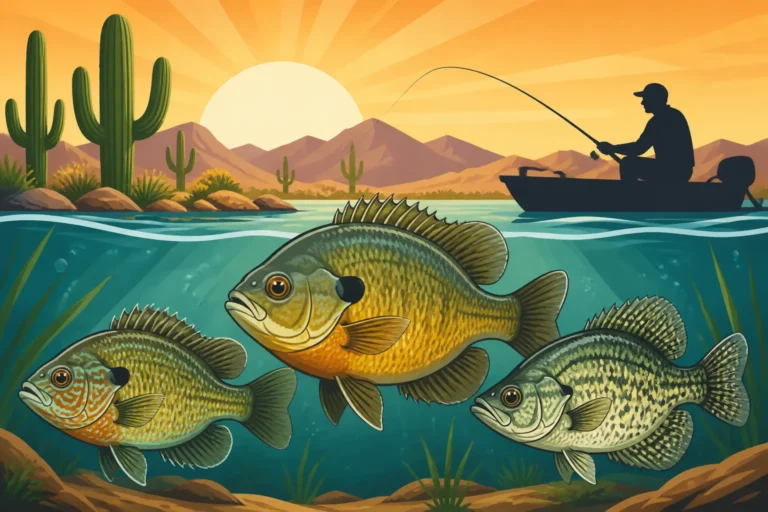
It's incredibly common for even seasoned anglers, let alone those just starting out, to sometimes scratch their heads trying to tell the difference between a crappie and a bluegill, especially when they're fresh out of the water and wiggling! These two popular Arizona panfish can look quite similar at a glance, leading to confusion that can impact your fishing strategy, or even worse, land you in hot water if you mistakenly keep too many of one species. But don't worry, this guide is here to clear up the confusion once and for all, helping you identify these fun-to-catch fish with confidence so you can enjoy your time on Arizona's beautiful waters to the fullest.
Understanding Crappie: The Elusive Slabs of Arizona
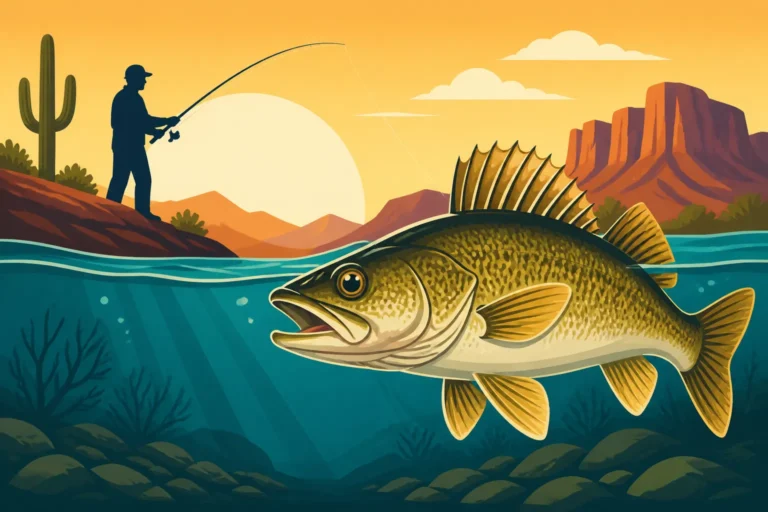
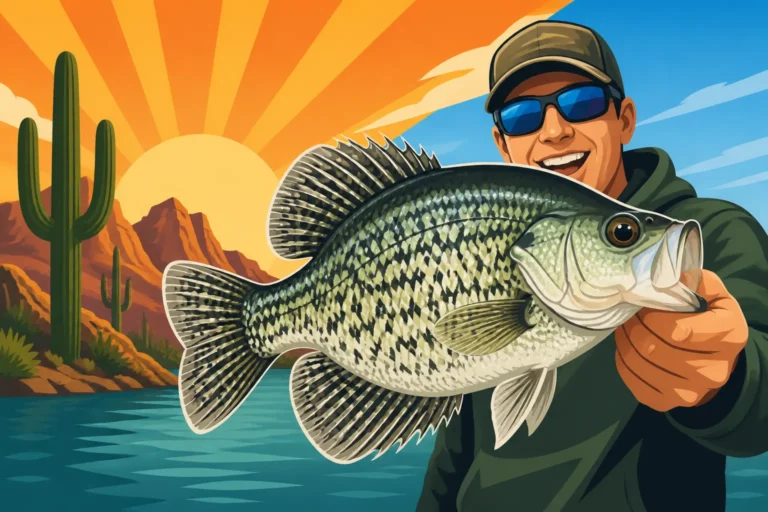
Crappie are truly a prized catch in Arizona, often referred to as "slabs" by those who appreciate their size and delicious fillets. They're a bit more finicky and challenge anglers to really understand their habits, making a successful crappie trip feel incredibly rewarding. When you're fishing one of Arizona's larger reservoirs like Roosevelt, Apache, or San Carlos, hitting a crappie school is an unforgettable experience.
Physical Characteristics of Crappie
When you reel in a crappie, the first thing you'll likely notice is its distinct body shape. Crappie have a very deep, yet compressed, body – almost like a dinner plate standing on its edge. They're not as round as a bluegill; instead, they have a more elongated, oval profile. Their mouth is another dead giveaway: it's surprisingly large for a panfish, extending noticeably past the front of their eye. This larger mouth is a clear indicator of their predatory nature, built for snatching up minnows and larger insects.
Crappie typically come in two main varieties that you might encounter in Arizona: the black crappie and the white crappie, though often anglers just refer to them collectively. Black crappie are usually a bit darker, with irregular black spots scattered across their silvery-green or gray bodies, sometimes forming rows. White crappie, on the other hand, tend to be lighter in color with distinct vertical bars on their sides. A crucial identification point for both species is their dorsal fin (the fin on their back). Crappie will typically have 6 to 8 strong spines in their dorsal fin, which you can feel if you're gentle. These fish generally average around 8 to 12 inches in Arizona, but catching a 14-inch "slab" is certainly not uncommon and will put a nice bend in your rod!
Crappie Habitat and Behavior
Crappie are masters of camouflage and structure, preferring to hang out in areas with plenty of cover. Think submerged timber, brush piles, rock ledges, and deep-water structures. In lakes like Roosevelt or Canyon Lake, you'll often find them suspended in the water column around these features, sometimes in depths ranging from 10 to 30 feet, depending on the season and water temperature. They are highly migratory, constantly moving to find optimal conditions and food sources. This is why knowing Crappie Spawning Season Tactics can be such a game-changer; during their spawn, they move into shallower areas, often around submerged vegetation or brush, making them more accessible.
Their diet is primarily composed of smaller fish, especially minnows, and larger aquatic insects. This predatory diet is why minnows are such a fantastic bait for them, and why small jigs mimicking baitfish are so effective. Crappie are also known for their schooling behavior; if you catch one, there's a good chance there are more nearby! This makes them incredibly fun to target once you locate a school. Learning How to Fish a Brush Pile for Crappie is a fundamental skill for any Arizona angler looking to consistently catch these delicious panfish. Their elusive nature makes them a thrilling challenge, requiring patience and a good understanding of their preferred hangouts and feeding patterns. They might be here today and gone tomorrow, constantly on the move, which means you have to adapt your strategy.
Understanding Bluegill: The Feisty Panfish of Arizona
Bluegill are often the first fish many of us ever catch, and for good reason! They are incredibly widespread, readily available, and exceptionally eager to bite, making them a perfect target for beginners, kids, or anyone just looking for consistent action. Almost every lake, pond, and even many of the community fishing program waters across Arizona are teeming with bluegill.
Physical Characteristics of Bluegill
When you catch a bluegill, you'll notice it's much rounder and more disc-shaped than a crappie. Imagine a small, thick frisbee – that's closer to a bluegill's profile. Their body is very deep but not as compressed, giving them a more robust, "chunky" appearance. One of the most telling features is their mouth, which is notably smaller than a crappie's. It won't extend past the front of their eye, indicating their diet of smaller morsels.
Bluegill sport beautiful and varied coloration, often a mix of dark olive, blue, and purple hues, especially on their back and sides. They frequently have several distinct vertical bars or stripes, particularly when younger or in certain water conditions. The most defining characteristic, and where they get their name, is the prominent dark blue-black "ear flap" on the gill cover. This small, rounded flap is almost always present and is a fantastic way to distinguish them. Their dorsal fin, unlike the crappie's, typically has more spines, usually numbering between 10 to 12. While bluegill don't grow as large as crappie, a 6 to 8-inch bluegill is a great catch and will give you a surprisingly feisty fight on light tackle. For a deeper dive into distinguishing bluegill from other common sunfish, check out our guide on Bluegill vs Sunfish Identification.
Bluegill Habitat and Behavior
Bluegill are true shallow-water dwellers. They absolutely love areas with plenty of vegetation, docks, fallen trees, brush, and rocky shorelines. You'll often find them congregating in large schools, sometimes numbering in the dozens, cruising around these shallow cover spots. They're much less migratory than crappie, tending to stay in the same general areas as long as food and cover are plentiful. This makes them a very reliable target for bank anglers and those fishing from piers.
Their diet consists primarily of small insects, insect larvae, worms, and tiny crustaceans. They're not as predatory as crappie, which is why they respond so well to natural baits like earthworms, mealworms, and crickets, as well as very small artificial lures. When they're bedding during their spawning season, which can happen multiple times during Arizona's warm months, they'll create visible depressions in the shallow lake bottom, often close to shore. This aggressive guarding behavior makes them even more eager to bite, offering fantastic action. If you're looking for consistent bites, especially for kids, learning How to Catch Bluegill at a Community Pond is invaluable because these urban waters are often stocked with these plentiful panfish. You can also find a wide array of small hooks and bobbers perfect for bluegill fishing on Amazon, making it easy to gear up for a successful outing.
Key Distinctions for Arizona Anglers: Crappie vs. Bluegill
While both crappie and bluegill are incredibly fun to catch and offer excellent table fare, knowing the specific differences will significantly enhance your fishing experience. It's not just about what to expect on your line, but also about fishing legally and effectively.
Visual Cues for Identification
Let's break down the most reliable visual cues to help you tell these two apart at a glance. Imagine you've just pulled one out of the water at Lake Pleasant or Canyon Lake – what do you look for immediately?
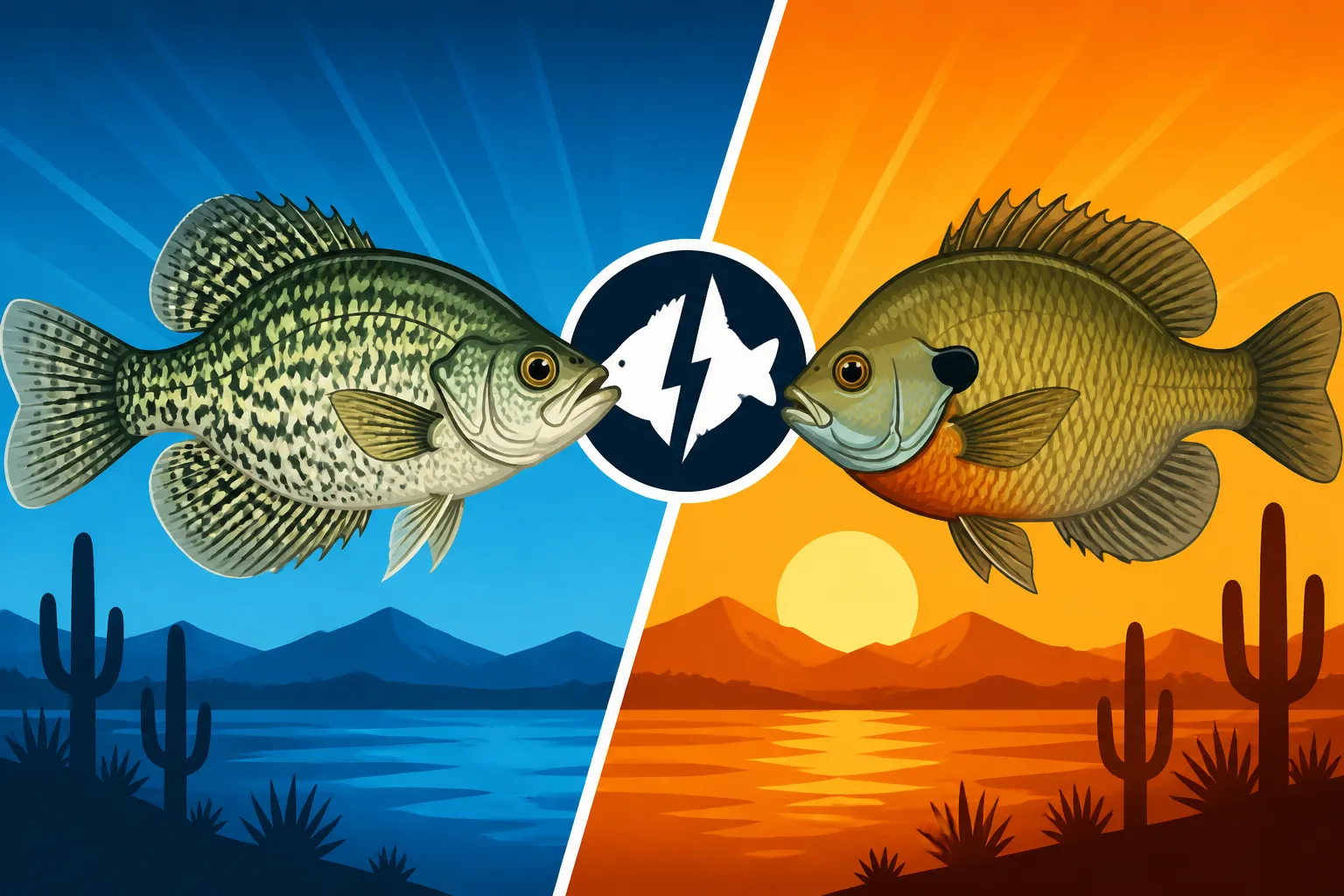
First, look at the body shape. Crappie are generally more elongated and flatter from side to side, almost like an oval disc. Bluegill, conversely, are typically rounder and thicker, more like a squat circle. Next, check the mouth. A crappie's mouth is large, extending back past the middle of its eye, clearly designed for chasing down prey. A bluegill's mouth is much smaller, usually not even reaching the front of its eye.
Then, examine the fins. The dorsal fin (top fin) on a crappie has fewer spines (6-8) and is more uniform in appearance. A bluegill's dorsal fin will have more spines (10-12) and often looks a bit more fan-like. Lastly, consider the coloring and markings. Crappie often have a silvery base with irregular dark spots or vertical bars (white crappie). Bluegill, however, are known for their vibrant greens, blues, and oranges, and most importantly, that distinct dark "ear flap" on their gill cover. This ear flap is a feature you won't see on a crappie.
Here's a handy table to summarize the key differences:
| Feature | Crappie | Bluegill |
|---|---|---|
| Body Shape | Deep, compressed, oval/elongated disc-like | Round, thick, squat circle-like |
| Mouth Size | Large, extends past the middle of the eye | Small, does not extend past the front of the eye |
| Dorsal Fin Spines | 6-8 distinct spines | 10-12 distinct spines |
| Coloration | Silvery-green/gray with irregular black spots (black crappie) or vertical bars (white crappie) | Vibrant greens, blues, oranges, often with vertical bars |
| Key Markings | Mottled patterns or clear vertical bars | Distinct dark "ear flap" on gill cover |
| Typical Size | 8-14 inches (can be larger) | 4-8 inches (can be larger, but less common) |
Fishing Strategy Differences
Understanding the physical and behavioral differences between crappie and bluegill directly translates to how you approach catching them. You wouldn't use the same exact tactics for both, and trying to can lead to a frustrating day on the water.
For crappie, given their predatory diet and preference for deeper, structured cover, you'll want to use baits and lures that mimic their prey. Small minnows are a classic and highly effective bait for crappie, often fished under a float or vertically jigged near structure. Small jigs, typically 1/32 to 1/8 ounce, in colors like chartreuse, white, or black, are also incredibly productive. You'll often need a sensitive rod and reel combination to feel their subtle bites. Trolling with small crankbaits or jigs can also be effective for locating schools in larger lakes. You can find a great selection of these specialized crappie jigs and soft plastics on Amazon. Remember, crappie often suspend, so a fish finder can be invaluable for locating them in the water column.
Bluegill, on the other hand, are less discerning and more eager to bite. Their small mouths and insect-heavy diet mean you need tiny hooks and small baits. Earthworms, mealworms, crickets, or even small pieces of bread are irresistible to them. A classic setup involves a light spinning rod, a small hook (size 8 or smaller), a small split shot, and a bobber. You'll typically cast this setup near shallow cover like lily pads, docks, or submerged brush. Given their aggressive feeding, you don't need highly specialized gear; basic tackle works wonderfully. For those hot Arizona days, having a good pair of polarized sunglasses, perhaps from Amazon, can help you spot bluegill cruising the shallows or hiding near cover. If you're looking for the best options, our guide on Best Bait for Crappie in Arizona or Best Bobbers for Panfish might give you some ideas for your next trip.
Why Accurate Identification Matters
Beyond just knowing what you've caught, being able to correctly identify crappie and bluegill has real-world implications for your fishing success and adherence to regulations in Arizona. It's not just about being a knowledgeable angler; it's about being a responsible one.
Bag and Possession Limits
The most critical reason to distinguish between these two species is to comply with Arizona's fishing regulations. While both are panfish, they often have different daily bag and possession limits. For example, some lakes might have a more restrictive limit on crappie due to their slower growth rates or specific population management goals, while bluegill might have much more liberal limits due to their abundance. Exceeding these limits, even accidentally, can result in significant fines and penalties.
It’s your responsibility as an angler to know the current regulations for the specific body of water you're fishing. Before heading out, always consult the latest Arizona Game and Fish Department regulations. Our comprehensive guide Fishing Bag and Possession Limits Explained offers a great overview of what to expect, but local rules can always vary. Accurately identifying your catch ensures you're only keeping what's legal, contributing to sustainable fishing practices, and avoiding any unwanted encounters with wildlife officers. It takes practice, but the visual cues we've discussed will become second nature with experience.
Ecosystem Impact and Conservation
While both crappie and bluegill are generally abundant and not considered at-risk species in Arizona, responsible angling always involves thinking about the broader ecosystem. Both species play vital roles in the aquatic food web, serving as prey for larger predators like bass and catfish. Overharvesting, even of common species, can throw a delicate ecosystem out of balance.
By understanding the species you're targeting and adhering to limits, you're directly participating in the conservation efforts that keep Arizona's fisheries healthy and thriving for future generations. Furthermore, knowing their differences helps you practice proper catch and release when appropriate. For instance, if you're targeting crappie but keep catching small bluegill, you can quickly and gently release them without harm, focusing your efforts on your intended species. Learning to identify them correctly is a fundamental step in becoming a truly knowledgeable and ethical angler in the Grand Canyon State.
Both crappie and bluegill offer fantastic fishing experiences across Arizona, each with its unique charm and challenge. While they might seem similar at first glance, a closer look at their body shape, mouth size, fin spines, and unique markings will quickly tell them apart. Knowing these differences will not only make you a more informed angler but also help you choose the right gear and techniques, lead to more successful trips, and ensure you're always fishing within the rules. So next time you're on the water, you'll be able to confidently identify your catch and enjoy the thrill of reeling in either a feisty bluegill or a delicious crappie slab!
Disclaimer
This article is for general informational purposes only and does not constitute professional advice. Laws, prices and regulations vary by location and change over time. Consult a qualified professional for guidance on your specific situation.