Is Ice Fishing Possible Anywhere in Arizona?
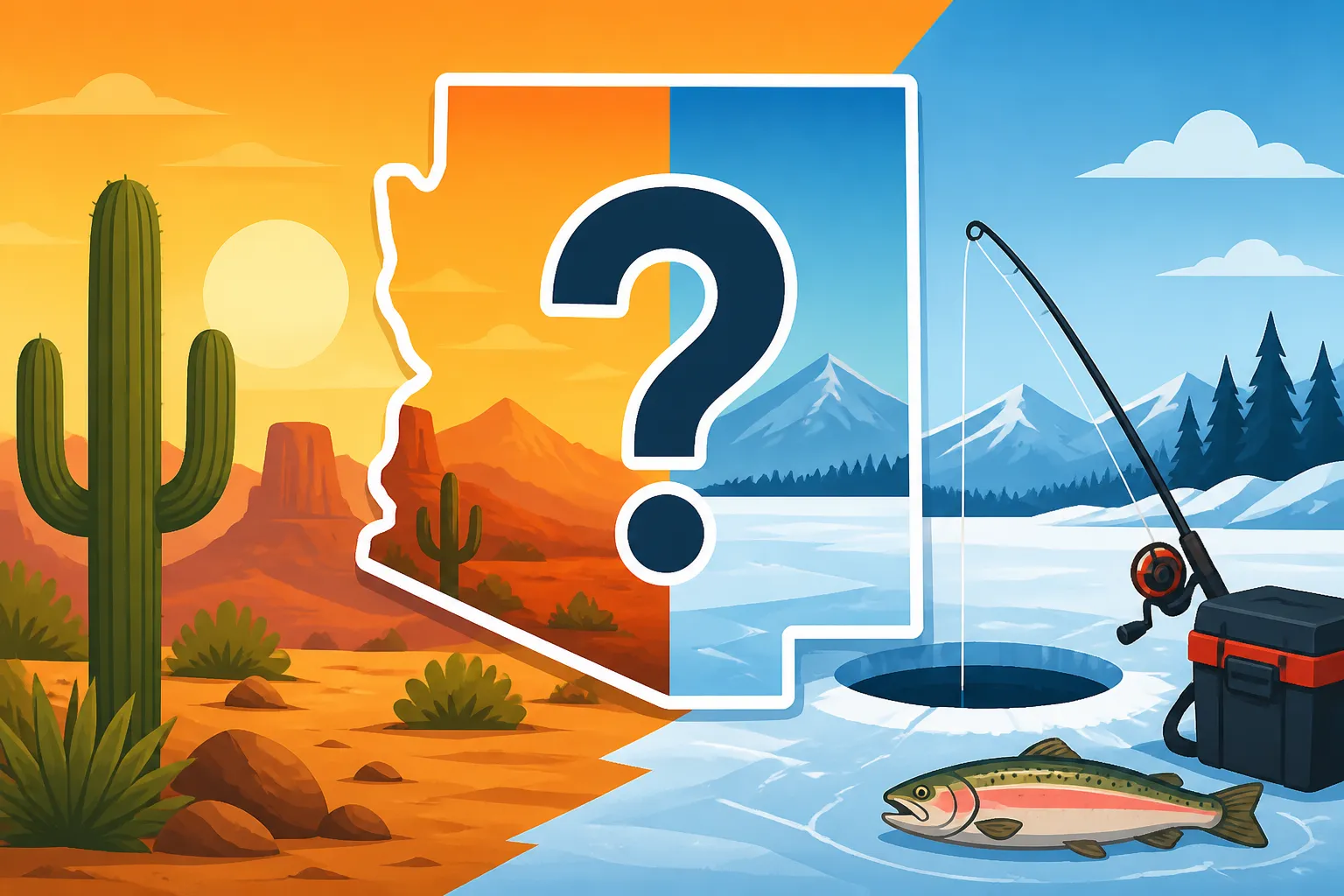
For many anglers, the thought of ice fishing conjures images of cozy shanties, drilled holes, and battling fish beneath a solid sheet of ice. But when you live in Arizona, a state famous for its scorching summers and generally mild winters, the idea of ice fishing can feel like a far-fetched dream. People often wonder, "Is ice fishing even a thing here?" and the honest answer is complicated: while it's certainly not a widespread activity like it is in Minnesota or Michigan, there are indeed extremely rare and specific conditions under which you might find fishable ice in Arizona. This guide will dive into the reality of ice fishing in our desert state, helping you understand where, when, and if it's truly possible, and what you need to know to stay safe and legal.
The Reality of Ice Fishing in Arizona
Let's be real: Arizona isn't exactly a frozen tundra. The vast majority of our state's popular fishing lakes, like Lake Pleasant or Roosevelt Lake, rarely, if ever, see ice thick enough to safely stand on, let alone fish through. The primary reason for this is our climate. Even in winter, many areas experience daytime temperatures well above freezing, and nights that, while cold, aren't consistently cold enough to produce and maintain thick ice. So, if you're picturing yourself setting up a permanent ice shanty on Tempe Town Lake, you're going to be sorely disappointed!
High Altitude and Freezing Temperatures
The only places in Arizona that might offer ice fishing opportunities are our high-altitude regions, primarily in the White Mountains and parts of Northern Arizona. We're talking about lakes situated at elevations of 7,000 feet or higher, where winter temperatures can drop significantly and stay below freezing for extended periods. Think places like Big Lake, Crescent Lake, or Show Low Lake. These areas experience true winter conditions, complete with heavy snowfall and prolonged cold snaps that can, under the right circumstances, lead to ice formation. However, even in these spots, it's never a given. A warm spell, even for a few days, can quickly compromise ice integrity.
Imagine heading up to the White Mountains in January, bundled head to toe, hoping to drill a hole. You're driving through picturesque snowy landscapes, and your anticipation builds. But then you arrive, and while there might be some ice, it’s thin, slushy near the edges, or perhaps completely gone in certain areas. This is the unpredictable nature of Arizona ice. It's not like the consistent freeze you'd find further north. This makes planning incredibly difficult and often leads to wasted trips if you haven't done your homework right up to the last minute.
Unpredictable Conditions and Safety Concerns
The biggest hurdle for would-be Arizona ice anglers is safety. Thin ice is incredibly dangerous, and even experienced ice fishers in colder climates preach the "safety first" mantra. In Arizona, where ice formation is less reliable, the risks are magnified. What looks like solid ice can be deceptively thin in spots, especially near inflows, outflows, or areas with springs. A crucial thing to remember is that ice thickness can vary dramatically even across a single small lake. One section might be perfectly safe, while another just a few yards away could be dangerously thin.
This unpredictability means you can't just assume a lake is safe because it's frozen over. It requires constant vigilance, testing ice thickness with spud bars or augers, and having proper safety gear. Falling through ice in remote, high-altitude locations where rescue can be hours away is a life-threatening situation. There's also the added frustration of driving hours only to find the ice isn't safe, forcing you to abandon your plans. This isn't just a minor inconvenience; it's a critical safety concern that should never be underestimated.
Limited Opportunities Compared to Northern States
When we talk about "ice fishing" in Arizona, it's vital to frame it in context. It's not the thriving culture you'd find in states like Michigan, Wisconsin, or Minnesota, where ice fishing is a major part of winter recreation and economy. There are no dedicated ice fishing resorts, no widespread shanty towns, and certainly no guaranteed ice season. Instead, it's a very niche, opportunistic pursuit for a select few hardy anglers who closely monitor conditions in the highest elevations.
For most of us, if we want to fish in the winter, we'll be targeting trout in still-open waters or pursuing bass in our warmer desert lakes. The notion of ice fishing is more of a novelty or a rare bonus, rather than a reliable annual tradition. This means that specialized gear and local knowledge for Arizona ice fishing are harder to come by, and you'll often be relying on general ice fishing principles adapted to our unique, often less-than-ideal, circumstances.
Where You Might Find Fishable Ice (If at All)
If you're truly determined to try ice fishing in Arizona, your options are incredibly limited and require constant monitoring of local conditions. You'll need to focus your attention on the highest elevation lakes, primarily within the Apache-Sitgreaves National Forests.
The White Mountains Region
The White Mountains are your best, and really, only consistent bet for finding any kind of fishable ice in Arizona. Lakes like Big Lake, Crescent Lake, Hawley Lake (which is on tribal land and requires special permits), and sometimes Show Low Lake are the primary candidates. These lakes are at significant elevations, often above 8,000 feet, which means they experience the coldest and most prolonged freezing temperatures.
- Big Lake: Known for its trout and colder temperatures, Big Lake is probably the most frequently mentioned spot for ice fishing when conditions allow. It's a vast lake, so even if parts freeze, large sections might remain open or have dangerously thin ice. Anglers here might target Rainbow Trout Fishing Guide for Arizona and other trout species through the ice.
- Crescent Lake: Another high-altitude gem, Crescent Lake sometimes freezes sufficiently. It's usually stocked with trout, offering a chance at a winter catch. Access can be tricky with heavy snowfall.
- Show Low Lake: Closer to the town of Show Low, this lake can also offer ice fishing during exceptionally cold winters. It’s more accessible, but its lower elevation compared to Big and Crescent means it's less consistently frozen.
Even in these prime locations, "fishable ice" might only occur for a few weeks, or even just a few days, during the absolute coldest part of winter, typically late December through February. It's not uncommon for ice to form, melt, and refreeze multiple times throughout the winter, creating highly unstable layers that are extremely dangerous. Always check with the Arizona Game and Fish Department (AZGFD) for current conditions and ice reports before making the drive.
Northern Arizona Lakes
Beyond the White Mountains, other northern Arizona lakes occasionally develop ice, but it's far less reliable. For instance, some of the smaller, shallower lakes and ponds around Flagstaff or Payson might freeze over, but rarely to a safe depth. Lake Mary, near Flagstaff, is a popular spot for trout and often freezes, but typically only parts of it are considered safe for walking on, and those opportunities are fleeting.
The bigger, deeper reservoirs like Lake Powell or Lake Havasu, even with their cooler northern reaches, simply do not freeze. Their sheer size, depth, and water movement prevent consistent ice formation. So, while you might be fishing for Smallmouth Bass Fishing Guide for Arizona or Striped Bass Fishing Guide for Arizona in the colder months, it will be from an open boat or the shore, not through the ice. Expecting ice on these major bodies of water is a fundamental misunderstanding of Arizona's climate.
Community Lakes and Low-Elevation Waters
Let's make this perfectly clear: you will not find safe ice fishing opportunities on Arizona's urban community lakes or low-elevation reservoirs. Lakes in Phoenix, Tucson, Yuma, or anywhere in the lower desert simply do not get cold enough for long enough to form safe, stable ice. Attempting to walk on ice formed on these lakes, even if it looks superficially solid after a particularly cold night, is extremely reckless and dangerous. The ice will be thin, brittle, and likely to crack under even minimal weight.
These lakes, part of the Arizona Community Fishing Program Rules, are managed for year-round open-water fishing, and that's exactly what you should expect. If you want to pursue Catfish Fishing Guide for Arizona or Panfish and Sunfish Guide for Arizona in the winter, plan on using traditional open-water techniques from the bank or a small boat. Don't be fooled by a frosty morning – that thin layer of ice is not your ticket to a winter wonderland.
Preparing for the Rare Arizona Ice Fishing Expedition
So, you've checked the reports, found a rare window of solid ice in the high country, and you're ready to embrace the chill. Fantastic! But don't just grab your regular fishing pole and head out. Ice fishing, especially in unpredictable Arizona conditions, requires specific preparation, gear, and a safety-first mindset.
Essential Gear for Cold Weather Fishing
Even if you're not drilling through ice, winter fishing in Arizona's high country demands proper cold-weather gear. If you are lucky enough to find ice, it's even more critical.
- Warm Layers: This is non-negotiable. Start with moisture-wicking base layers, add insulating mid-layers (fleece, down), and finish with a waterproof and windproof outer shell. Think ski or snowboard apparel for warmth and protection. I often look for reliable base layers on Amazon before a cold trip.
- Insulated Boots: Your feet will get cold quickly on ice or in snow. Invest in high-quality, waterproof, insulated boots with good traction.
- Gloves or Mittens: Keep your hands warm. You might need thinner gloves for dexterity while fishing, with warmer mittens to slip on during downtime.
- Hat/Beanie: A significant amount of body heat escapes through your head. A warm hat is crucial.
- Ice Auger: If you plan to ice fish, you'll need an auger to drill holes. Manual, propane, or electric options are available. Consider what makes sense for the rare Arizona trip.
- Ice Skimmer/Scoop: To clear slush and ice chips from your hole.
- Short Ice Fishing Rods: These specialized rods are designed for fishing in small holes and often have sensitive tips to detect light bites.
- Tackle for Cold Water: Small jigs, spoons, and live bait (like mealworms or wax worms) are typical ice fishing choices. Look for ice fishing lures specifically designed for trout, crappie, or panfish.
- Bucket/Chair: A sturdy 5-gallon bucket can double as a seat and a place to store your catch.
- Portable Shelter (Optional but Recommended): A pop-up ice shelter can provide much-needed relief from wind and cold, especially during longer sessions. You can find some excellent portable options on Amazon.
- Safety Gear: We'll get to this next, but it's part of your essential equipment list.
- Hydration and Snacks: Cold weather can still lead to dehydration, and your body burns more calories to stay warm. Pack plenty of water and calorie-dense snacks.
| Gear Category | Essential Items | Notes |
|---|---|---|
| Warmth & Apparel | Layered clothing (base, mid, outer), insulated waterproof boots, warm hat, gloves/mittens, wool socks | Prioritize warmth and moisture-wicking. Your outer shell should be windproof and waterproof. Many experienced anglers swear by brands available on Amazon for quality cold-weather gear. |
| Ice Specific | Ice auger (manual, propane, or electric), ice skimmer, short ice fishing rods, small jigs/spoons, live bait (wax worms, mealworms) | Choose an auger size appropriate for the fish you're targeting. For Arizona's rarer ice, a manual auger might suffice, but if you're serious, electric or propane save energy. |
| Comfort & Utility | Portable chair or bucket, portable ice shelter (optional), thermos with hot beverage, high-energy snacks, headlamp, multi-tool | A hot drink can make a world of difference in staying comfortable. Shelters offer crucial wind protection. |
| Safety | Ice picks (worn around neck), spud bar (for testing ice), throw rope, spare dry clothes, whistle, fully charged phone, first-aid kit, GPS device/compass | Never go alone. Always test ice thickness. Have a plan for emergencies. |
| Documentation | Arizona Fishing License Guide (with Trout Stamp if required), tribal permits (if applicable), AZGFD regulations booklet, ID | Ensure all licenses and permits are current for the specific waters you're fishing, especially if on tribal lands like Hawley Lake. |
Safety First: Protocols for Venturing onto Ice
I cannot stress this enough: ice fishing is inherently dangerous if proper precautions are not taken. In Arizona, where ice is less common and more unpredictable, safety is paramount.
- Never Go Alone: Always fish with a buddy. If something goes wrong, you need someone there to help.
- Tell Someone Your Plans: Let a trusted person know exactly where you're going, when you expect to return, and what to do if you don't check in.
- Check Ice Thickness: The absolute minimum safe ice thickness for walking is generally considered 4 inches of clear, solid ice. For snowmobiles or ATVs, it's much more. Always use a spud bar to test the ice ahead of you as you walk, or drill test holes with your auger every few steps. Ice can vary dramatically in thickness.
- Carry Safety Gear: This includes ice picks (worn around your neck for quick access if you fall through), a throw rope, and a whistle. A change of dry clothes in a waterproof bag is also a smart idea.
- Avoid Dangerous Areas: Stay away from inlets, outlets, pressure ridges, open water, and any areas with discolored or slushy ice. These spots are almost always weaker.
- Dress for Immersion: Dress in layers, but be aware that if you fall in, heavy clothing can drag you down. Consider flotation suits if you're serious about ice fishing.
- Monitor Conditions: Ice conditions can change rapidly with temperature fluctuations. Always check official AZGFD reports, and don't hesitate to turn back if conditions seem unsafe. This is where up-to-date local knowledge is gold. You wouldn't want to get caught unprepared, as even knowing Arizona Fishing Season Closures won't protect you from thin ice.
Alternative Winter Fishing Options
If the ice isn't safe or simply isn't there (which is most of the time in Arizona), don't despair! Arizona offers fantastic open-water winter fishing. Many of our desert lakes actually shine in the cooler months.
- Desert Lake Bass Fishing: The cooler water temperatures of fall and winter can revitalize bass in lakes like Lake Pleasant, Roosevelt Lake, and Saguaro Lake. The fish often move to shallower depths or suspend in predictable patterns, making them excellent targets for Winter Bass Fishing Tactics in Arizona.
- Trout Stocking in Urban and Cold-Water Lakes: AZGFD regularly stocks trout in many urban community lakes and higher elevation lakes that don't freeze. This provides excellent fishing opportunities throughout the winter. You can find out more about these programs and when to fish by looking into Trout Stocking Season in Arizona.
- Colorado River Fishing: The lower Colorado River offers excellent winter fishing for species like striped bass, catfish, and even some bass, without the concern of ice.
- High Country Open Water: Even if the smaller high-elevation lakes freeze, larger, deeper lakes in the cooler regions (that don't freeze) can still offer excellent fishing for trout and other cold-water species from boats or shore.
Embrace the reality: most of Arizona's winter fishing will be open water, and it can be incredibly productive and enjoyable, often without the extreme hazards of ice.
Regulations and Best Practices for Arizona Winter Fishing
Regardless of whether you find a rare patch of ice or stick to open water, understanding the regulations and adopting best practices is key to a successful and responsible fishing experience in Arizona.
Checking Conditions and Regulations
The first, and most important, step before any fishing trip, especially during winter, is to consult the Arizona Game and Fish Department. They are the authoritative source for all things fishing in Arizona.
- Ice Reports: If there's any chance of safe ice, the AZGFD website or local offices in high-country towns might offer limited, informal ice condition updates. These are often shared through their social media channels or local news. However, assume no official guarantee of safety. Always verify conditions yourself.
- Current Regulations: Always have a copy of the current Arizona Fishing Regulations Explained. Regulations can change, and specific rules for certain lakes or species might be in effect. This includes bag limits, size restrictions, and bait regulations. For instance, knowing the Trout Stamp Requirements in Arizona is essential if you plan on targeting trout in certain waters.
- Special Permits: Remember that some lakes, like those on tribal lands (e.g., Hawley Lake, San Carlos Lake), require additional tribal permits beyond your state fishing license. Ensure you have all necessary documentation. You can find more details on Tribal Land Fishing Permits in Arizona.
- Weather Forecasts: Arizona winters, particularly in the mountains, can be extreme. Check detailed weather forecasts, including wind chill, snow accumulation, and road conditions, before you leave and even while you're fishing. Mountain roads can become impassable quickly.
Respecting Wildlife and the Environment
Even in the cold, it's crucial to practice responsible outdoor ethics. This means leaving no trace and respecting the fragile winter ecosystem.
- Pack It In, Pack It Out: All trash, including fishing line, bait containers, and food wrappers, must be packed out with you. Don't leave anything behind on the ice or shore.
- Responsible Fish Handling: If you're practicing catch and release, do so quickly and carefully, especially in cold temperatures where fish are more vulnerable. Minimize their time out of the water. Understand Catch and Release Rules for Arizona Anglers to ensure you're doing it right.
- Minimize Disturbances: When on ice, avoid excessive noise or activity that could stress wildlife or disrupt the tranquil environment. If you're driving on snow, stay on designated roads and trails.
- Be Mindful of Others: Share the limited resources respectfully. Arizona's outdoor spaces are for everyone, so be courteous to other anglers, hikers, and winter sports enthusiasts.
Understanding Fish Behavior in Cold Water
Fish act differently in cold water, whether under ice or in open, cold lakes. Understanding this can significantly improve your chances of success.
- Slower Metabolism: Cold water slows down a fish's metabolism, meaning they are less active and feed less aggressively. They need to conserve energy.
- Concentration in Deeper Water/Structure: Fish often seek out deeper, more stable water or relate to specific submerged structures (like brush piles or ledges) where temperatures are more consistent. This applies to both iced-over lakes and open cold-water lakes. Learning Deep Water Structure Fishing Techniques can be a game-changer.
- Finesse Techniques: Because fish are less active, subtle presentations are key. Use smaller baits, lighter lines, and slower retrieves. Ice fishing jigs are often tiny for this reason. Even in open water, finesse approaches like a drop shot or slow-rolled jig can be more effective.
- Bite Windows: While fish might feed less often, they still have specific feeding windows. These might be short and tied to slight changes in light (dawn, dusk) or even subtle weather shifts. Patience becomes an even greater virtue in cold-water fishing. You can sometimes gauge these windows by understanding Best Time of Day to Fish in Arizona Heat, applying the reverse logic for the cold.
While ice fishing in Arizona is a rare and challenging pursuit, it's not entirely impossible in very specific, high-altitude locations under ideal, consistently cold conditions. For the average angler, however, the much more reliable and equally rewarding winter fishing opportunities lie in our open-water lakes and streams, where trout, bass, and catfish are plentiful and accessible without the significant risks associated with thin ice. Always prioritize safety, check regulations, and embrace the unique winter fishing Arizona does offer!
Disclaimer
This article is for general informational purposes only and does not constitute professional advice. Laws, prices and regulations vary by location and change over time. Consult a qualified professional for guidance on your specific situation.