Bullhead Catfish Identification in Arizona
Bullhead catfish identification in Arizona water covers body shapes, colors, square tail fins, barbels, and pectoral spines.
Know what’s on the line.
Gamefish and panfish profiles — identification, behavior, feeding habits, and species-specific strategies for every catch.
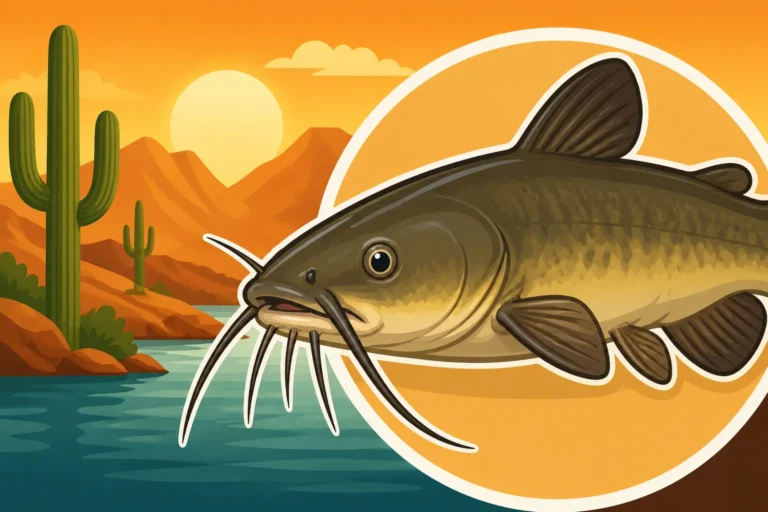
Bullhead catfish identification in Arizona water covers body shapes, colors, square tail fins, barbels, and pectoral spines.
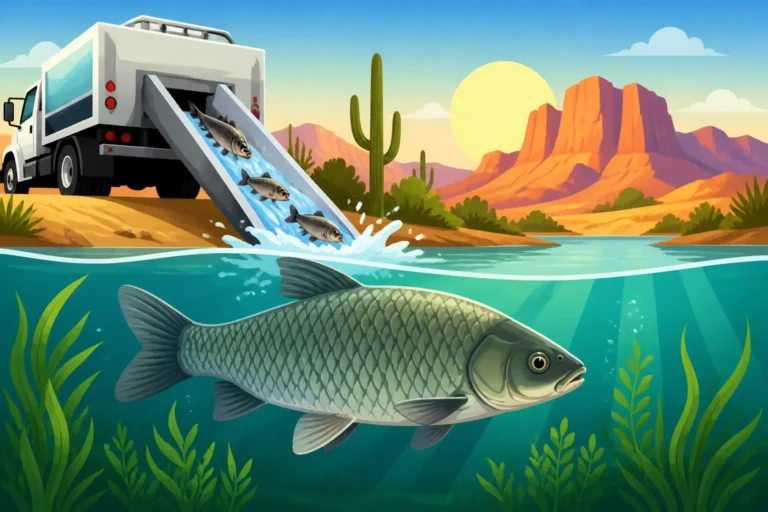
Grass carp stocking in Arizona lakes manages overgrown aquatic vegetation, improving fish habitats and restoring recreational access for anglers.
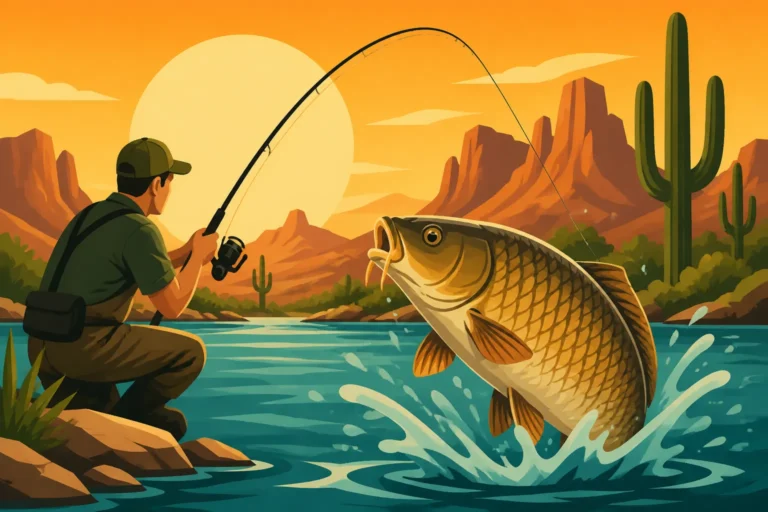
Arizona carp fishing provides strong fighters and year-round action across Lake Pleasant, Roosevelt Lake, and urban ponds.
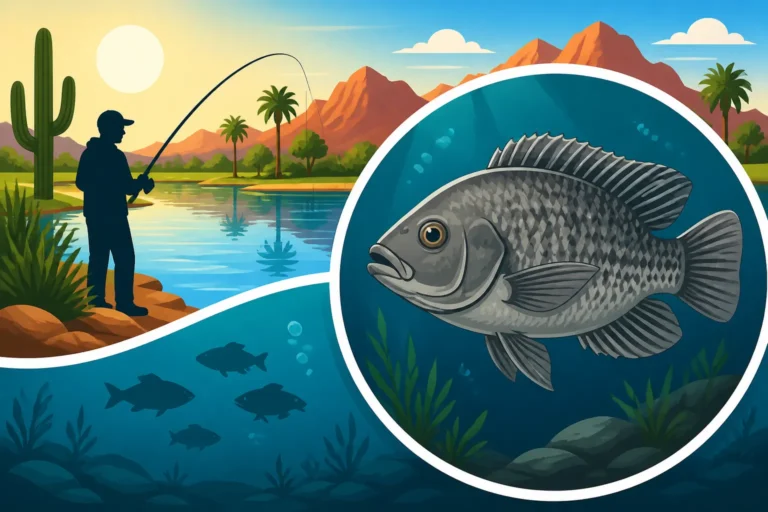
Mozambique tilapia and Nile tilapia populations in Arizona community lakes, including their introduction and ecosystem impacts.
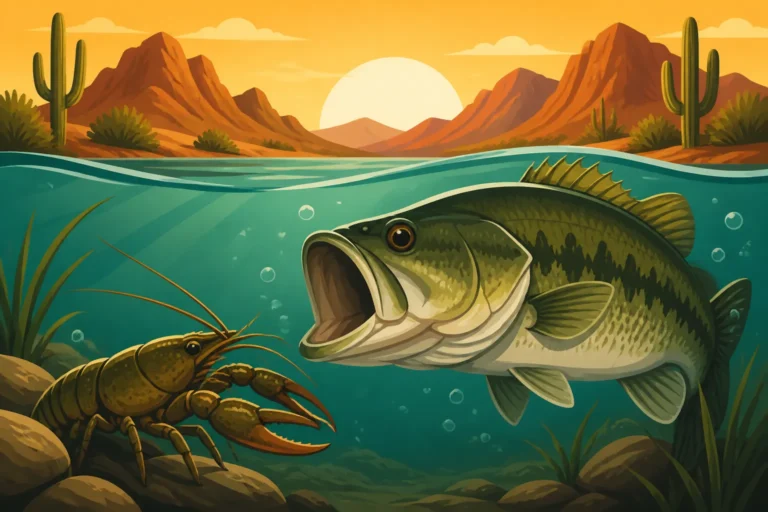
Crayfish serve as a primary high-protein food source for largemouth and smallmouth bass in Arizona lakes like Lake Pleasant.
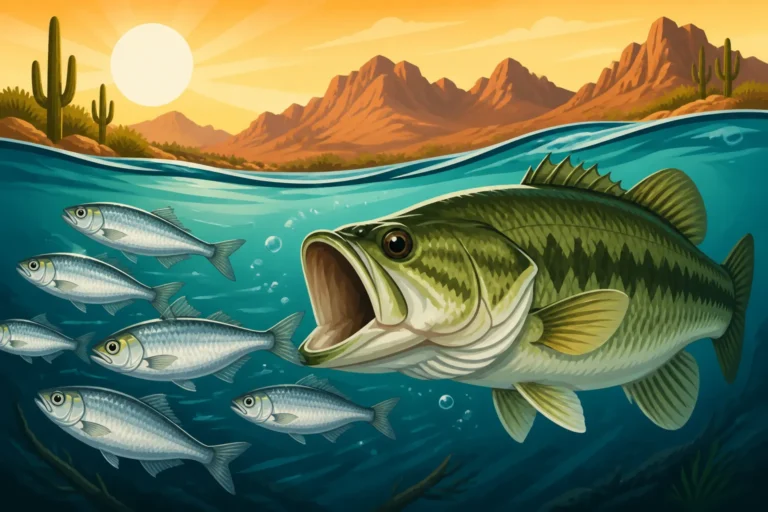
Gizzard shad biology, seasonal habitats, and schooling patterns explain how these baitfish drive largemouth and striped bass growth.
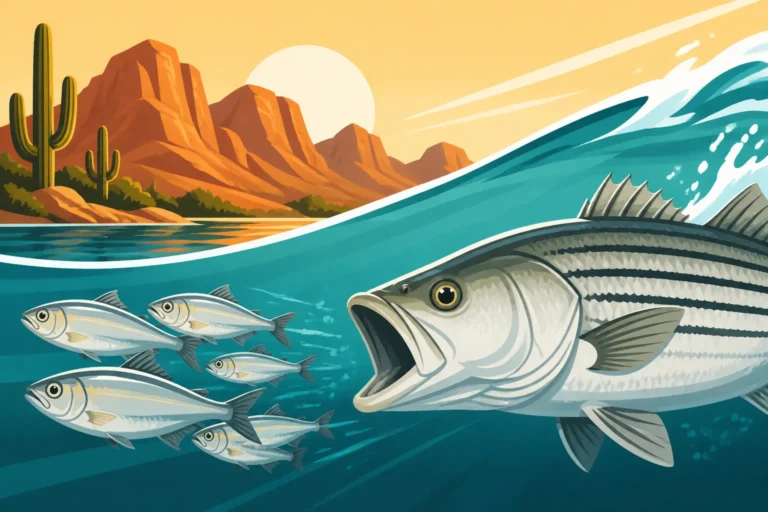
Threadfin shad serve as primary forage for striped bass in Arizona desert reservoirs, providing a constant food source for predatory fish.
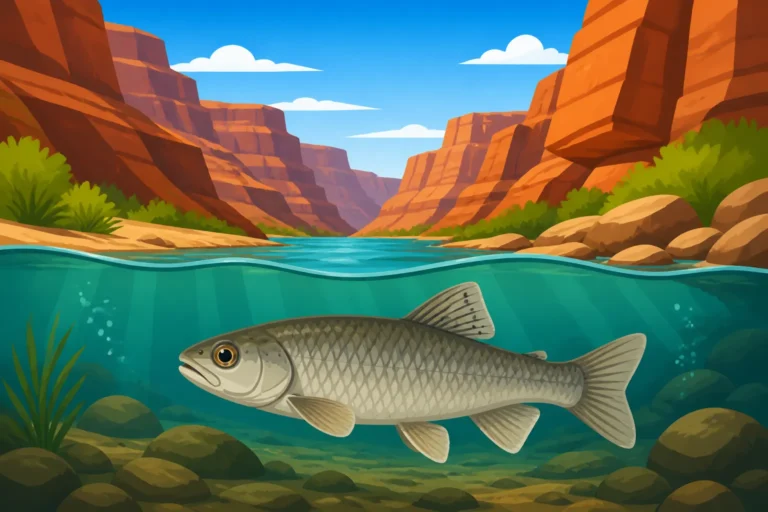
Humpback chub habitat requirements in the Grand Canyon, including the Little Colorado River, support this endangered species.
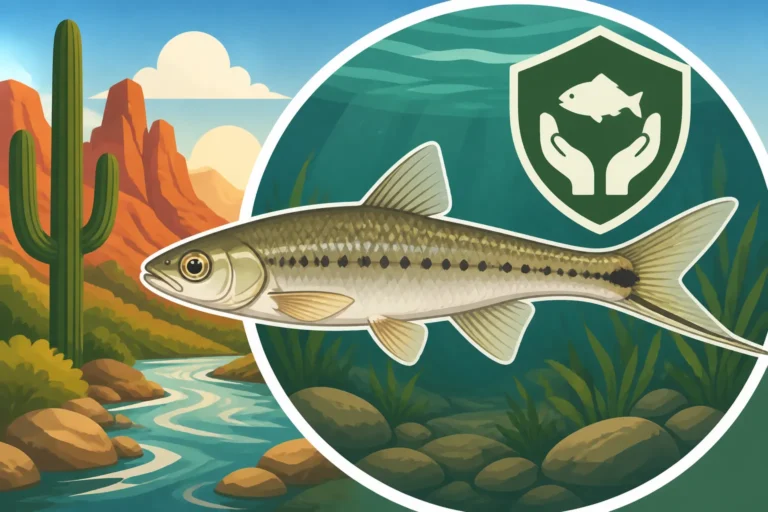
Bonytail Chub conservation status in Arizona involves identifying traits, historical habitat range, and reasons the native species is endangered.
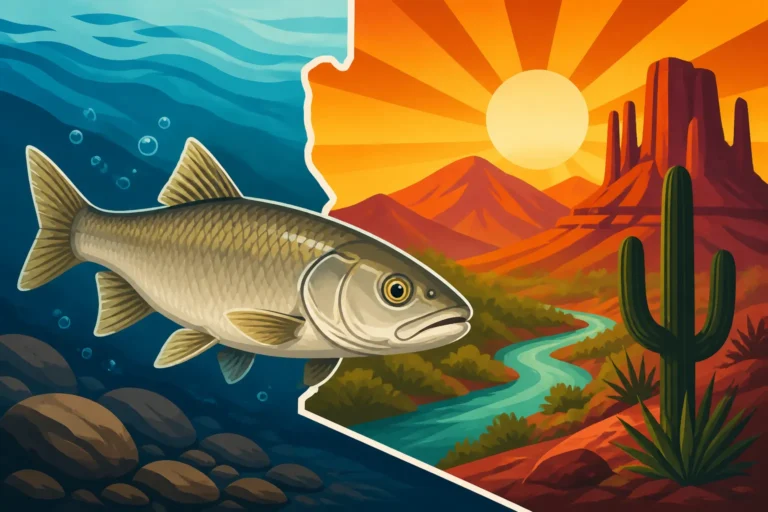
Colorado Pikeminnow status in Arizona, protections, historical range, and how anglers can help protect this rare native fish.