Growth Rate of Bass in Desert Reservoirs
Arizona desert reservoir bass growth rates depend on warm water temperatures, abundant shad forage, and complex rock structures.
Know what’s on the line.
Gamefish and panfish profiles — identification, behavior, feeding habits, and species-specific strategies for every catch.
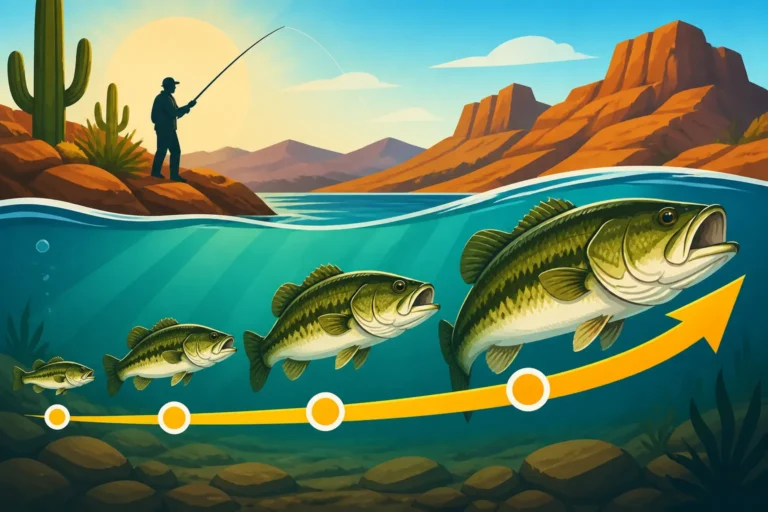
Arizona desert reservoir bass growth rates depend on warm water temperatures, abundant shad forage, and complex rock structures.
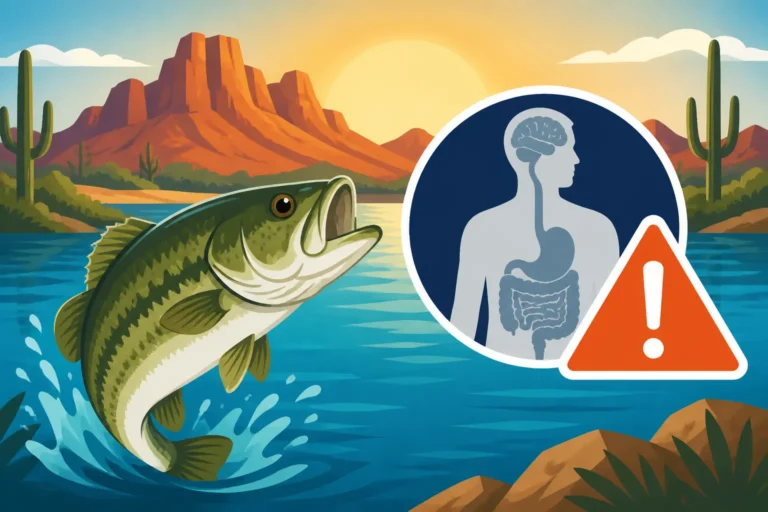
Mercury advisories for Arizona lakes explain how methylmercury accumulates in fish and affects pregnant women and young children.

Common fish species in the Arizona stretch of the Colorado River that are safe to eat, including striped bass and trout.

Arizona desert lake fish species including largemouth bass, smallmouth bass, and striped bass provide the best table fare.

Arizona sport fish flavor profiles and textures help anglers identify the best species for dinner by comparing mild and wild tastes.
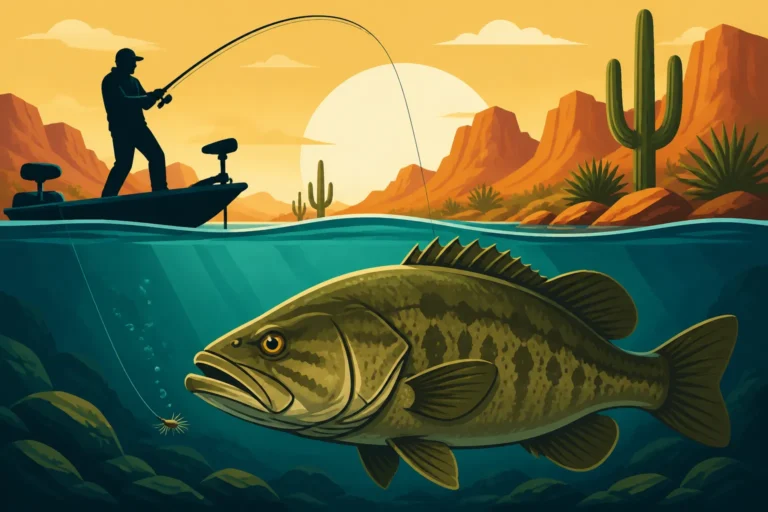
Elusive fish species in Arizona lakes present angling challenges due to extreme water temperatures, clear visibility, and fishing pressure.
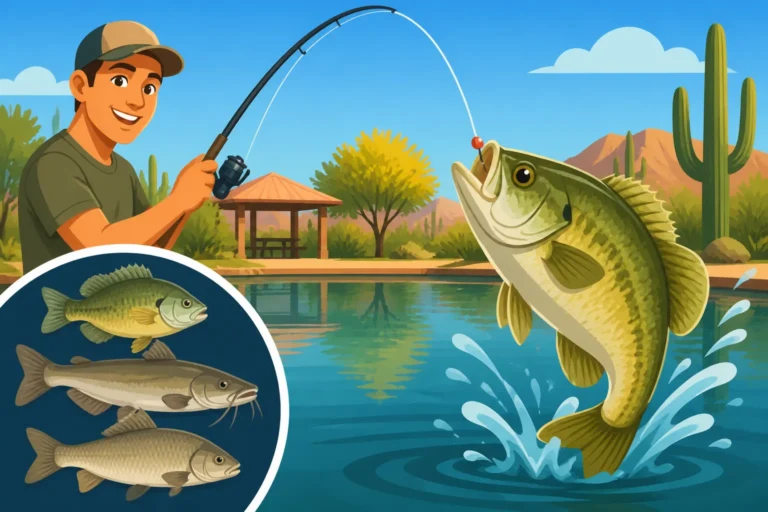
Arizona community ponds stocked with trout, catfish, sunfish, and bass offer beginners easy catches and reliable fishing success.

Beginner fish species in Arizona offer accessible angling, predictable behavior, and frequent stocking to build new fishing skills.
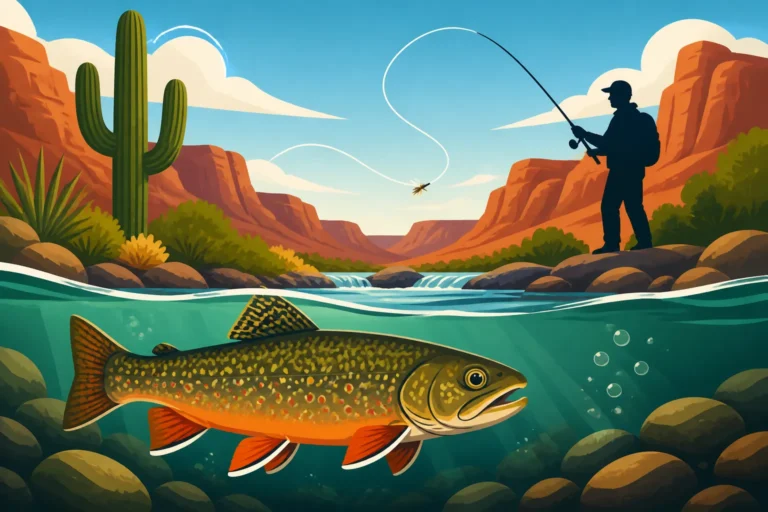
Brook trout populate cold, high-elevation Arizona mountain streams, offering unique sport fishing opportunities in specialized wilderness habitats.
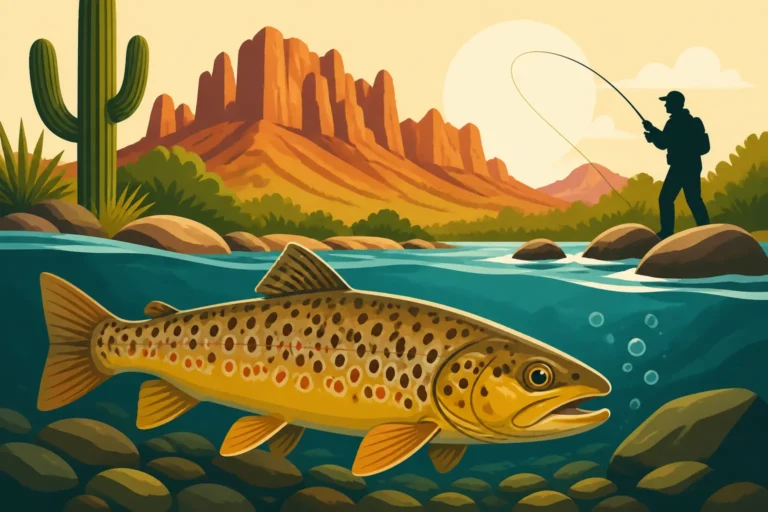
Brown trout populations in Arizona streams and rivers provide wild fishing opportunities in the Mogollon Rim and White Mountains regions.