Do Crappie School Near Structure?
Arizona crappie schooling behavior and structural habitats explain why panfish gather near submerged timber and brush piles.
Know what’s on the line.
Gamefish and panfish profiles — identification, behavior, feeding habits, and species-specific strategies for every catch.
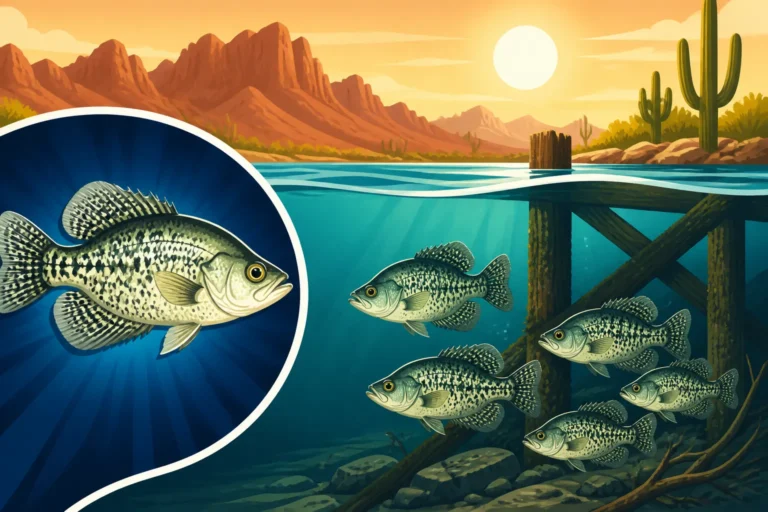
Arizona crappie schooling behavior and structural habitats explain why panfish gather near submerged timber and brush piles.
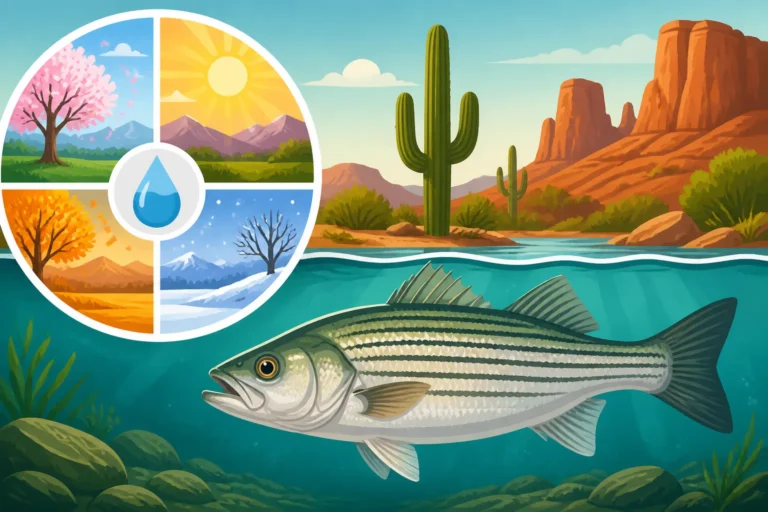
Arizona landlocked striped bass populations thrive in freshwater reservoirs year-round, adapting to complete their entire life cycle without oceans.
Humpback Chub fishing regulations in Arizona waters, explaining federal protections and what anglers must do when encountering them.
The protected status of the Gila Trout in Arizona helps anglers understand regulations and recovery efforts for this native species.
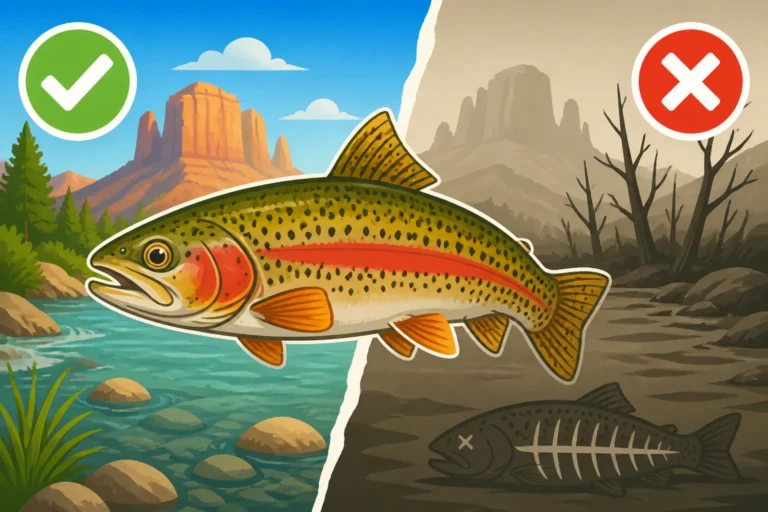
The conservation status, physical markings, and historical range of the native Apache Trout in Arizona mountain streams.
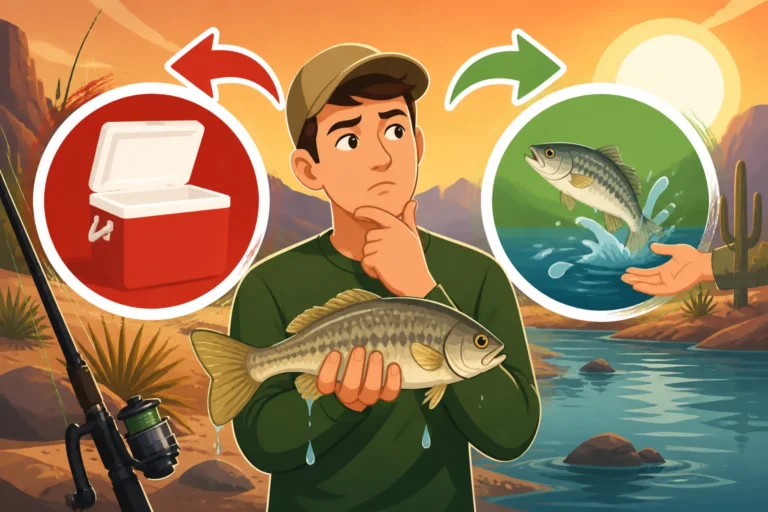
Arizona catch and release regulations for native fish species require anglers to immediately return protected aquatic wildlife.
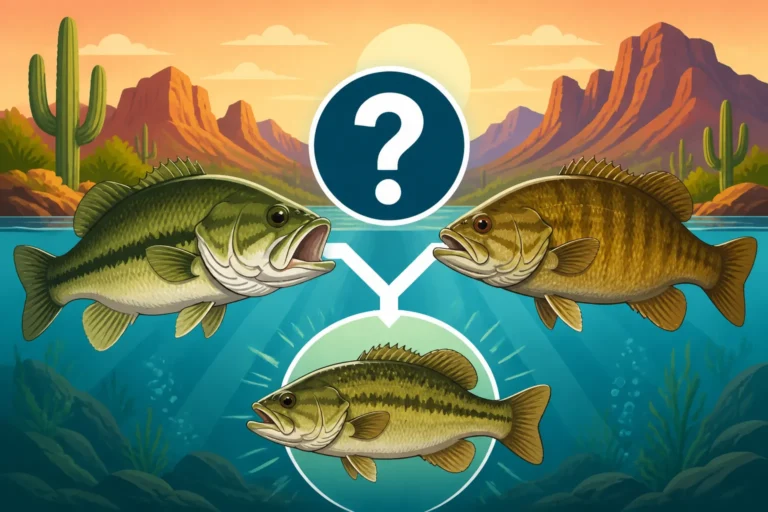
Largemouth and Smallmouth Bass genetic realities and reproductive barriers explain why these distinct sport fish species do not naturally interbreed.
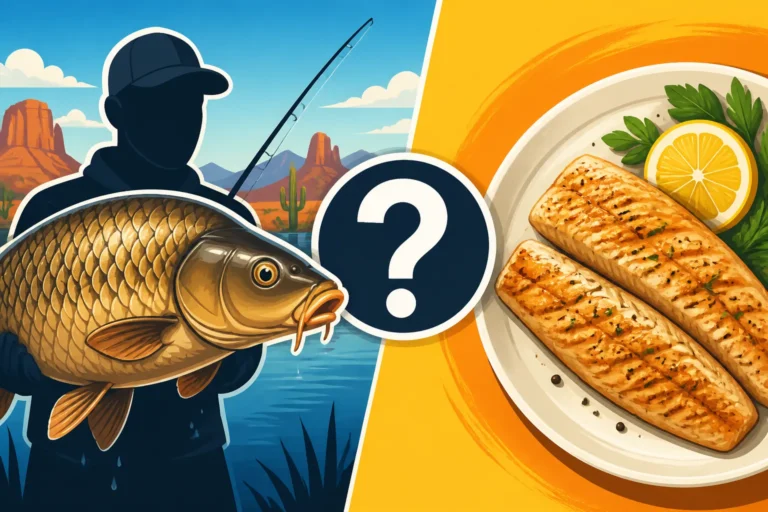
Eating carp caught from Arizona lakes involves considering water quality, removing bones, and proper preparation methods.
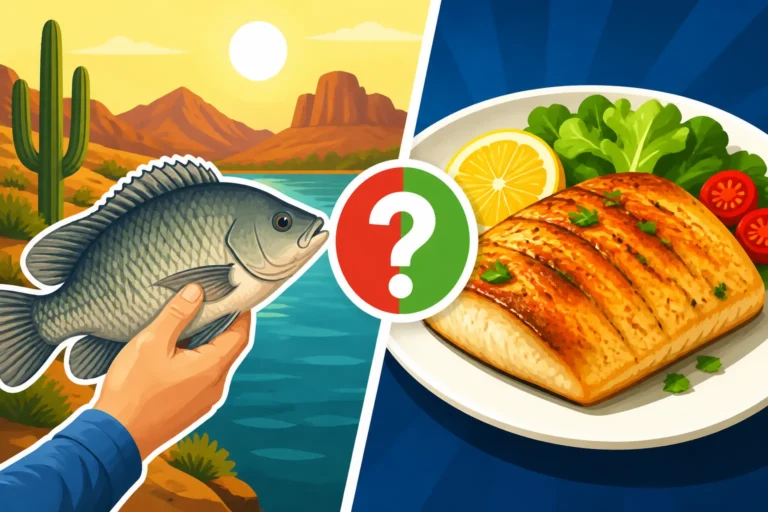
Consuming wild-caught tilapia from Arizona lakes involves considering water quality, potential contaminants, and safety concerns before eating.
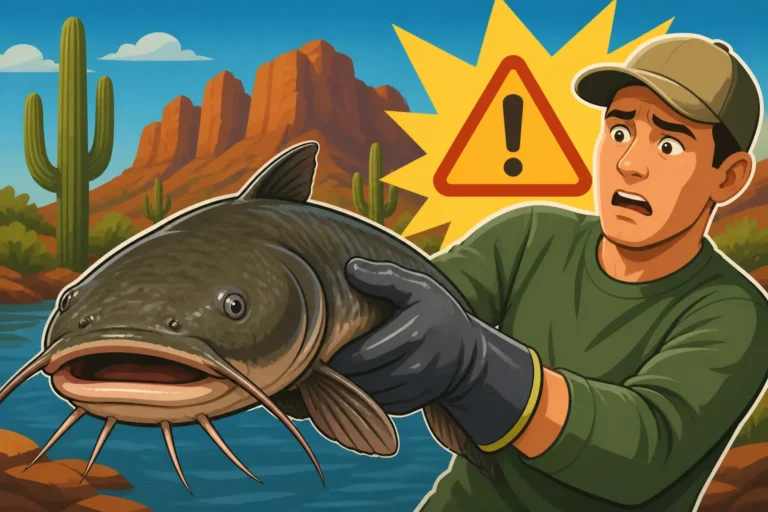
Flathead catfish spines on the dorsal and pectoral fins pose puncture risks and infection threats, but safe handling prevents injury.