Razorback Sucker Status in Arizona Rivers
Razorback Sucker status in Arizona rivers explains endangered native fish habitats, physical adaptations, and how anglers support survival.
Know what’s on the line.
Gamefish and panfish profiles — identification, behavior, feeding habits, and species-specific strategies for every catch.
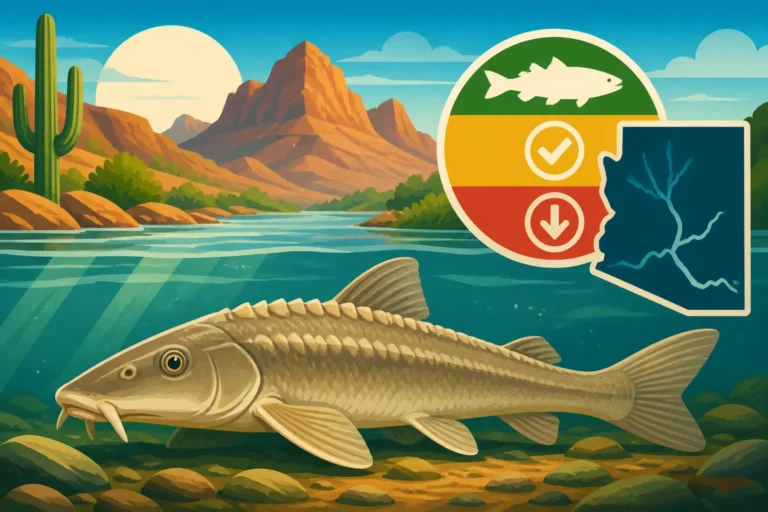
Razorback Sucker status in Arizona rivers explains endangered native fish habitats, physical adaptations, and how anglers support survival.
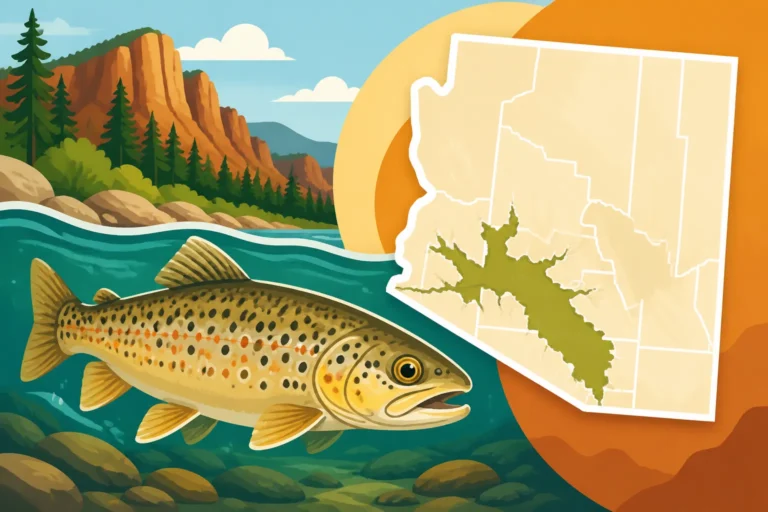
Gila trout range details and conservation work by the Arizona Game and Fish Department explain native fish survival.
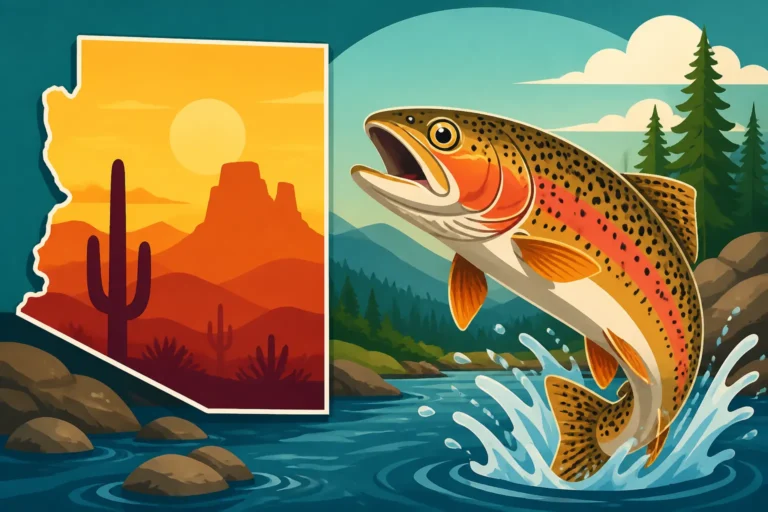
Apache trout range and fishing locations across high-elevation White Mountains streams and Fort Apache Indian Reservation waters.
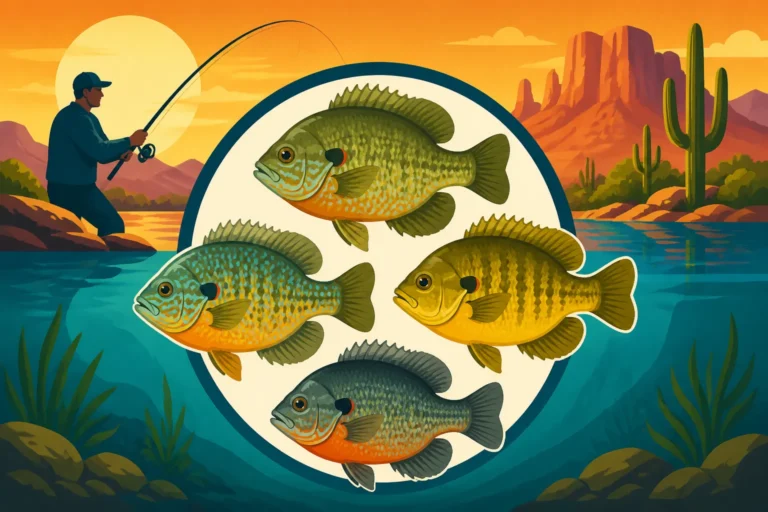
Arizona sunfish species, including bluegill and redear sunfish, populate desert lakes and offer anglers diverse fishing experiences.
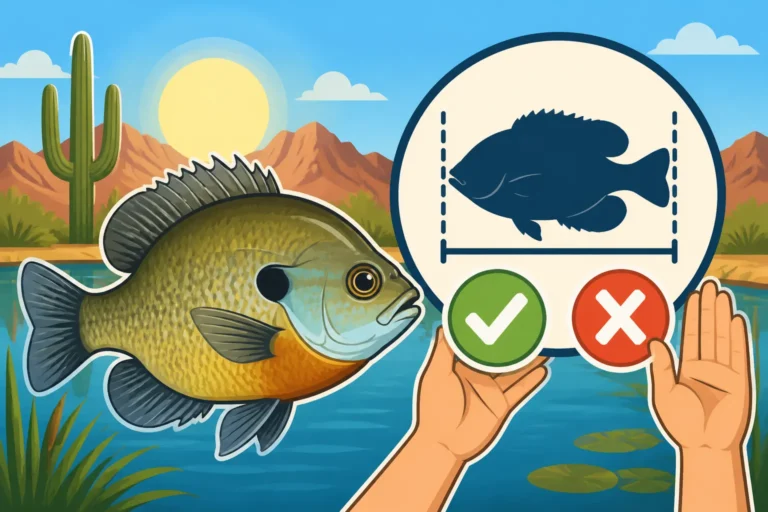
Arizona bluegill size limits and bag limits for community fishing ponds managed by the Arizona Game and Fish Department.
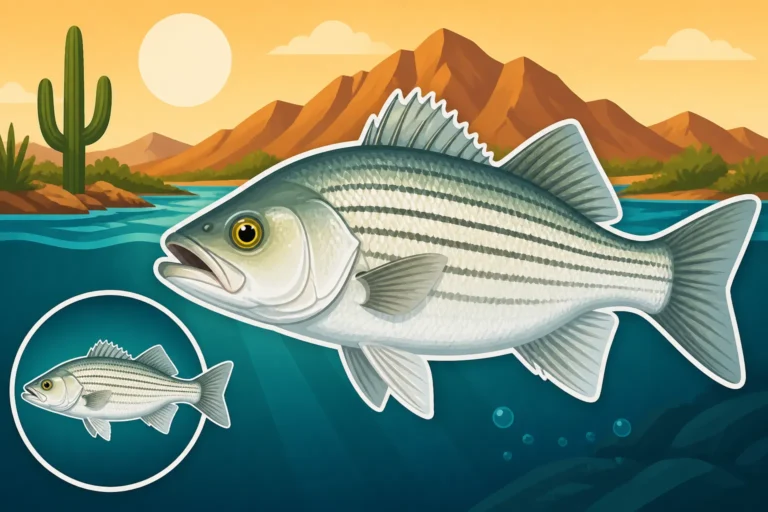
White bass identification features, including body shape, coloration, lateral lines, and fins, explained for Arizona anglers.
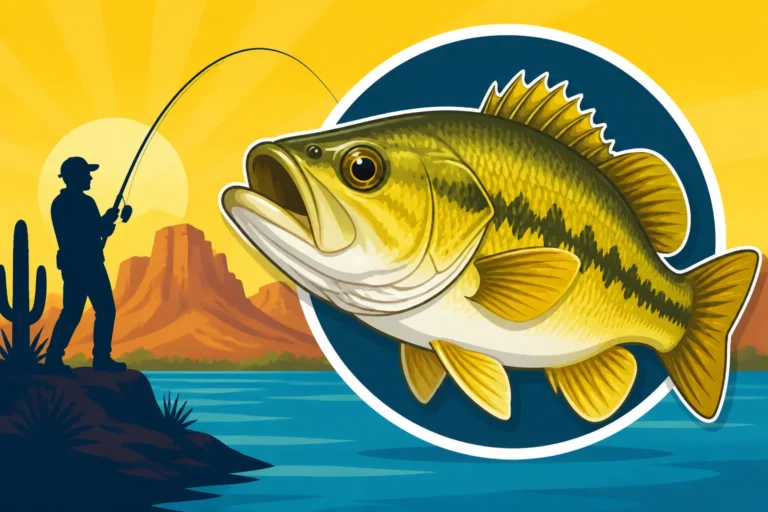
Yellow bass identification features, including body shape, coloration, and broken horizontal stripes, help anglers distinguish them from other species.
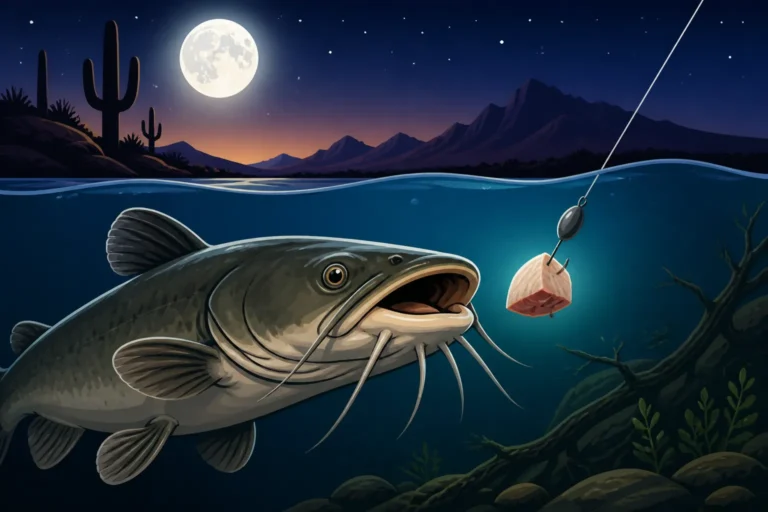
Nighttime diet of Arizona catfish, which hunt after dark using smell and touch and feed on small fish and decaying organic matter, so night fishing pays off.
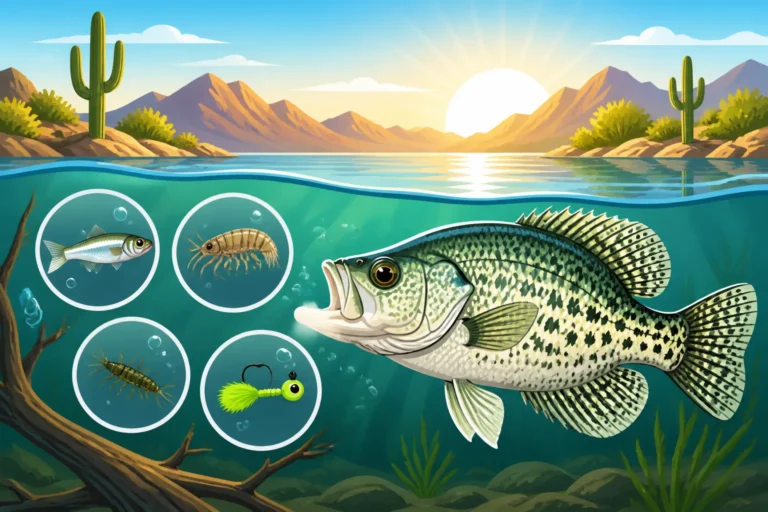
Spring crappie diet changes in Arizona waters, explaining optimal baits, metabolism shifts, and feeding habits for anglers.
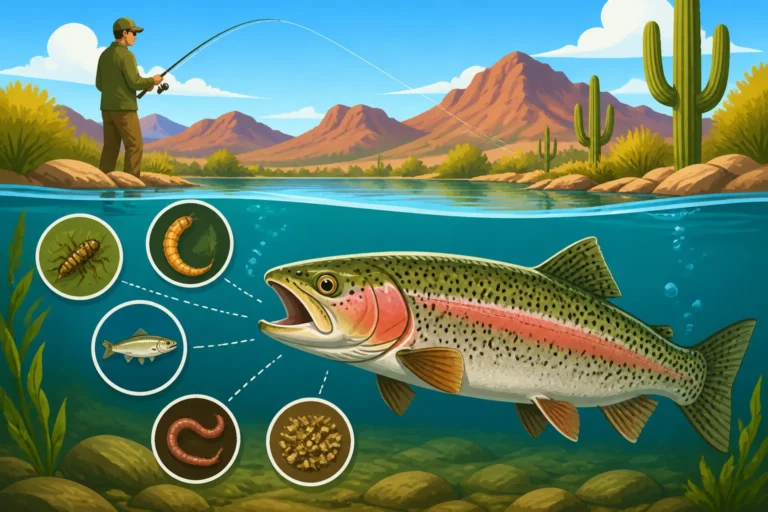
Stocked rainbow trout transition from hatchery pellets to natural Arizona pond forage like aquatic insects and small baitfish.