What Largemouth Bass Eat in Arizona Lakes
Largemouth bass in Arizona lakes consume crayfish, shad, trout, and sunfish based on habitat and available forage species.
Know what’s on the line.
Gamefish and panfish profiles — identification, behavior, feeding habits, and species-specific strategies for every catch.
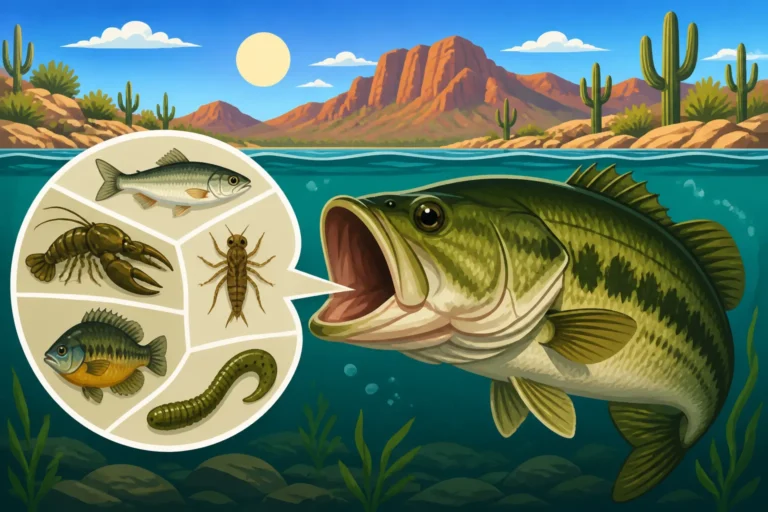
Largemouth bass in Arizona lakes consume crayfish, shad, trout, and sunfish based on habitat and available forage species.
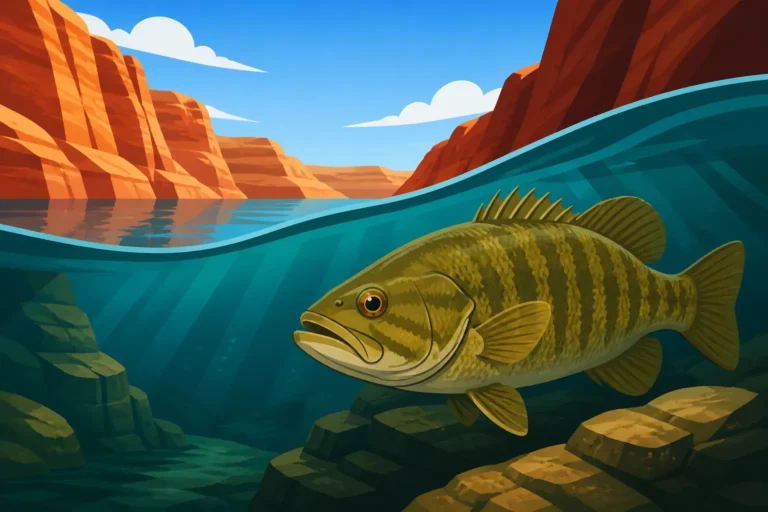
Lake Powell smallmouth bass habitat preferences explain why fish favor rocky canyons, deep water access, and thermal refuges.
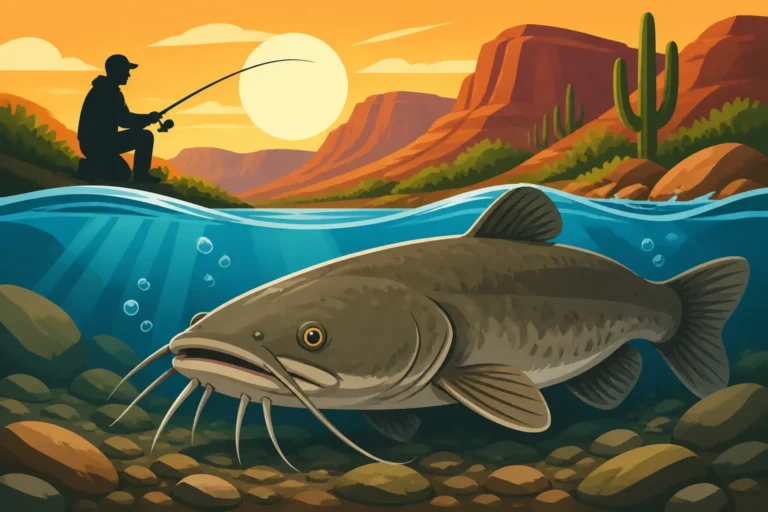
Flathead catfish thrive in the Colorado River due to diverse habitats, abundant prey fish, and tolerant water conditions.

Lake Powell striped bass grow exceptionally large due to vast aquatic habitats, deep waters, and abundant threadfin shad forage bases.

Lake Mead received the first Arizona striped bass stockings in 1954 and 1955 using juvenile fish sourced from California.

Coloring differences between largemouth and smallmouth bass explain how Arizona anglers identify catches and follow state fishing regulations.
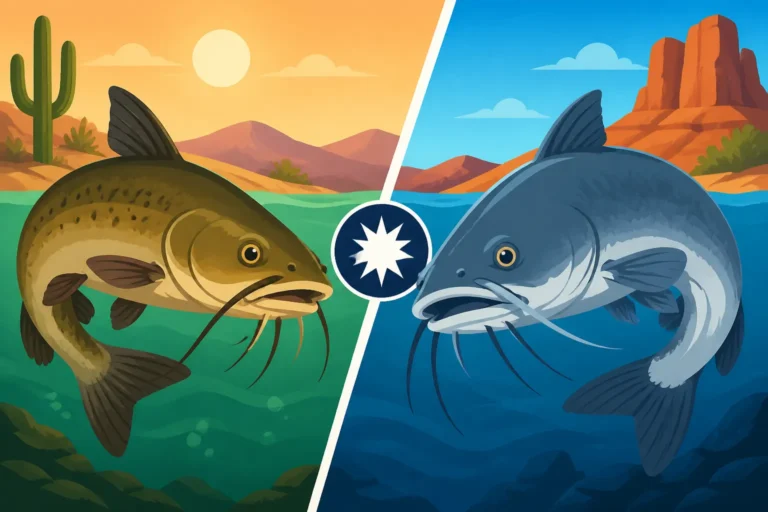
Channel and blue catfish identification methods explain tail fin shapes, body coloration, and spot patterns for Arizona anglers.

Distinguishing crappie from bluegill helps Arizona anglers identify body shapes and dorsal fin spines on these popular panfish.

Arizona bass identification tips explain how upper jaws and lateral lines distinguish largemouth bass from spotted bass.

The Arizona smallmouth bass record details the six pound, four ounce fish caught by Mike Turley in 1988 at Lake Powell.