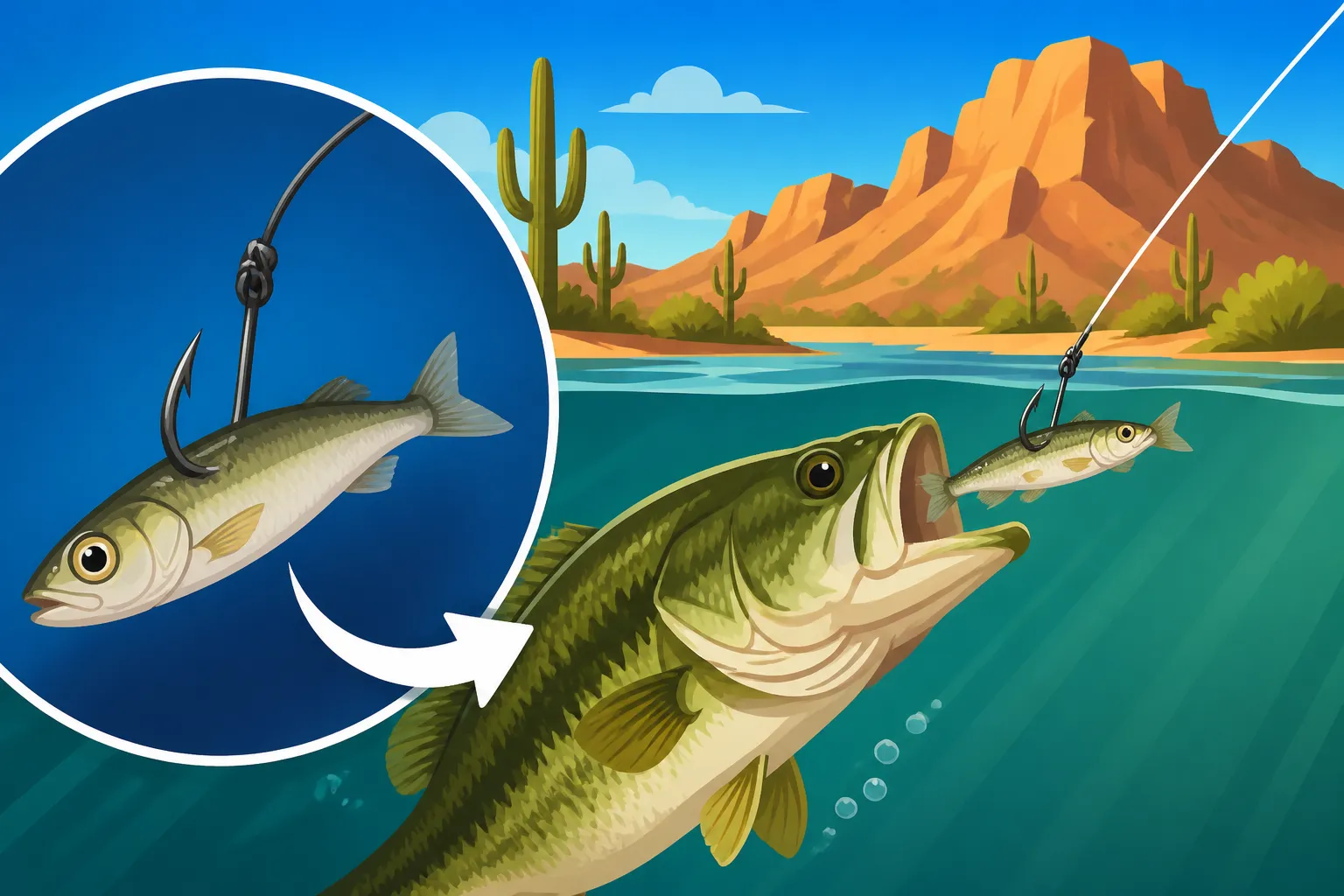
How to Rig a Live Minnow for Bass
There’s nothing quite as frustrating as a day on the lake where the bass just aren't biting, no matter what fancy lure you tie on. You’ve cast every crankbait, jigged every worm, and still, nothing. That’s where the timeless effectiveness of a live minnow comes into play, offering a natural presentation that often fools even the most hesitant Arizona bass. This comprehensive guide will walk you through the art of rigging live minnows, ensuring you have the best chance to entice those elusive fish in our desert waters.
Why Live Minnows for Arizona Bass?
When it comes to tempting a finicky bass, sometimes the best approach is to go back to basics. Live minnows offer an undeniable advantage that artificial lures, no matter how realistic, struggle to replicate. In the often clear and pressured waters of Arizona, presenting something truly alive can make all the difference.
The Irresistible Appeal of Live Bait
Think about it from a bass's perspective. A live minnow isn't just a flash of plastic or a twitch of rubber; it's a struggling, natural food source complete with all the right movements, vibrations, and scents. This authenticity is incredibly hard for even the most advanced fishing lures to mimic perfectly. The minnow's subtle quivers, its darting movements, and its inherent vulnerability send out distress signals that bass are instinctively programmed to respond to. In Arizona's desert lakes, where forage can sometimes be sparse, a readily available, easy meal like a live minnow becomes an irresistible target. The natural scent trail it leaves in the water is a powerful attractant, drawing in bass from a distance, especially in those calmer, clearer sections where artificial baits might be easily dismissed.
Unlike a lure that you have to retrieve with a specific action to make it look alive, a live minnow is alive. It swims naturally, reacting to its environment, which is precisely what a predator fish like a bass is looking for. This natural presentation removes any doubt for the bass, making it much more likely to strike. Whether it's a largemouth cruising the shallow coves of Lake Pleasant or a smallmouth hiding among the rocky ledges of Lake Powell, the sight and scent of a live, distressed minnow can trigger an aggressive feeding response when nothing else will.
When Live Bait Outperforms Lures
There are specific fishing scenarios in Arizona where live minnows genuinely shine and often outfish artificial offerings. One prime example is during tough bites, perhaps after a sudden cold front has swept through, dropping water temperatures and making bass sluggish. In these conditions, bass often become lethargic and less inclined to chase fast-moving lures. A slowly presented live minnow, barely moving, can be just enough to tempt a non-committal bass into striking. The same holds true for highly pressured fishing spots, common in urban lakes where fish have seen every lure in the tackle shop. A natural bait can cut through their learned wariness.
Consider the post-spawn period when bass are exhausted and often don't have the energy or inclination to chase down a meal. A live minnow drifted gently into their recovery zones offers a low-effort, high-reward meal that they simply can't pass up. Similarly, when fishing deeper water, especially in the heat of an Arizona summer, bass often retreat to cooler, darker depths. A live minnow rigged to descend slowly into these deep pockets can be far more effective than trying to jig a lure through countless feet of water. The natural swimming action and scent become paramount when fish are holding tight to structure and are reluctant to move far for a bite. Live bait fishing also excels when targeting truly trophy-sized bass, as larger fish can sometimes be more discerning and prefer the real thing.
Essential Gear for Live Minnow Rigs
Before you even think about rigging a minnow, you need to make sure you have the right tools for the job. Using the wrong rod, line, or hook can lead to missed bites, lost fish, and a frustrating day on the water. Proper gear setup is crucial, especially when dealing with the subtle takes often associated with live bait.
Choosing the Right Rod, Reel, and Line
For live minnow fishing, especially for bass, you're looking for a setup that offers a balance of sensitivity and backbone. A medium-light to medium action spinning rod, typically 6'6" to 7' in length, is often ideal. This action allows for a good, smooth cast of a lighter bait like a minnow and provides enough flex to absorb the fight of a strong bass, preventing the hook from tearing out. Crucially, the rod's sensitivity is paramount; you need to feel those subtle taps and nudges that indicate a bass is mouthing your minnow, not just aggressively striking. A high-quality graphite rod will transmit these vibrations much better than a fiberglass one.
Pair your sensitive rod with a smooth-operating spinning reel in the 2000-3000 series size. A good drag system is non-negotiable, as it allows the bass to run without breaking your line while you maintain control. When it comes to fishing line, you have a few excellent choices. Monofilament line in the 6-10 lb test range is a classic for its stretch, which can be forgiving with aggressive strikes, and its invisibility in clear water. Fluorocarbon line, also in the 6-10 lb test, offers even greater invisibility, excellent abrasion resistance for fishing around cover, and less stretch for increased sensitivity, though it can be a bit more expensive. Braided line, while super sensitive, often requires a fluorocarbon leader for stealth due to its visibility. Ultimately, the best setup for you will likely be a sensitive spinning rod paired with a smooth reel, spooled with 8 lb monofilament or fluorocarbon. If you're looking for a great all-around option, consider exploring some Best Rod and Reel Combo for Bass to get started without too much hassle.
Hook Selection and Sinker Strategies
The right hook makes all the difference when fishing with live minnows. You want a hook that's sharp, strong, and sized appropriately for both your minnow and your target bass. Octopus hooks, Kahle hooks, and even small treble hooks are popular choices. Octopus hooks, with their slightly offset point, are excellent for easy hooksets and minimizing damage to the minnow. Sizes from #4 to #1/0 are generally suitable, depending on the size of your minnows and the bass you're targeting. For particularly lively minnows or bigger bass, a slightly heavier wire hook is often a good idea to prevent it from straightening out. When checking out fishing gear on Amazon, you'll find a wide array of options, so you can pick the perfect size and style for your needs.
Sinker strategies also vary based on where and how you're fishing. For a truly natural, free-swimming presentation, sometimes no weight is the best weight. However, when you need to get your minnow down to a specific depth, especially in deeper lakes like Roosevelt or Apache, or keep it in current, sinkers become essential. Small split shot weights can be crimped a foot or two above your hook for a subtle, controlled drift. For fishing on the bottom or around structure, slip sinkers used in a Carolina rig allow the line to slide freely, letting the bass pick up the bait without feeling immediate resistance from the weight. This is particularly effective in areas where even a slight pull from the weight might make a cautious bass drop the minnow. Always consider how much weight you truly need; too much can inhibit the minnow's natural action and make your rig feel unnatural to the bass. For river fishing, where current is a major factor, understanding Best Sinker Weight for River Current can really optimize your setup, even for lake applications with subtle currents.
Keeping Your Minnows Alive and Lively
A dead minnow is just bait, but a live minnow is a magnet for bass. Keeping your minnows healthy and active throughout your fishing trip, especially in Arizona’s often warm climate, is absolutely paramount. The first and most important piece of gear is an aerated bait bucket. These buckets, available from brands like Frabill or Engel, or generic options found on Amazon, use a small pump to circulate air through the water, providing the oxygen your minnows need to thrive. Choose a bucket that's large enough for your quantity of minnows, but not so big that it's cumbersome to transport.
Water temperature management is another critical factor. Minnows are sensitive to rapid temperature changes and overheating. In the scorching Arizona summer, bringing a few frozen water bottles or gel packs (never use ice directly, as it can shock the fish with chlorine or other impurities) to slowly cool the water in your bait bucket can extend their lifespan significantly. Keep your bait bucket out of direct sunlight, perhaps covered with a wet towel, to prevent the water from heating up too quickly. Regularly checking the water quality and even performing partial water changes with fresh lake water (if clean) can also help. When transporting minnows, minimize splashing and agitation. A secure, well-ventilated lid on your bait bucket is key to preventing spills and keeping your precious bait from jumping out during bumpy rides to the lake. A healthy, lively minnow that's darting around your hook will always be more attractive to a bass than a sluggish or dying one.
Top Rigging Techniques for Live Minnows
Once you have your gear ready and your minnows lively, it's time to learn how to rig them effectively. Different situations call for different rigging methods, and mastering a few key techniques will significantly increase your success rate. Each method aims to present the minnow in the most natural way possible while maximizing your chances of a solid hookset.
The Classic Through-the-Lips Rig
The "through-the-lips" rig is perhaps the most common and straightforward method for presenting a live minnow. It’s a favorite for many anglers because it allows the minnow to swim naturally and freely, making it appear as a vulnerable, easy meal. To rig a minnow this way, simply take your chosen hook (a #4 or #2 Octopus hook works great here) and carefully thread it through both the upper and lower lips of the minnow. Make sure the hook point faces forward or upwards, away from the minnow's mouth, ensuring it's clear for a solid hookset.
The primary advantage of this rig is its incredibly natural presentation. The minnow can swim unimpeded, struggling and darting, which is exactly what attracts bass. It’s particularly effective when you want to suspend your minnow at a certain depth under a bobber or drift it slowly with a very light split shot. This method is excellent for active bass that are cruising for a meal in open water or along the edges of weed lines. However, a potential drawback is that a very active minnow, or one that gets repeatedly bumped by curious fish, can sometimes come off the hook. You’ll need to check your bait periodically to ensure it’s still securely attached. This rig is best utilized when you're looking for a lifelike presentation that covers water and appeals to bass that are actively feeding.
The Dorsal Fin Rig for a More Lively Presentation
For situations where you need your minnow to stay alive longer, especially when fishing deeper or around heavy cover, the dorsal fin rig is an excellent choice. This method allows the minnow to swim more erratically and vigorously, mimicking an injured baitfish, which can be an even stronger attractant to predatory bass. To rig a minnow through its dorsal fin, carefully insert the hook just beneath the dorsal fin, making sure to avoid the minnow’s spine. The hook point should emerge cleanly on the other side, leaving plenty of gap for a hookset.
The main benefit of this rig is that the minnow tends to stay alive and active for a longer period, as its vital organs are left untouched. This enhanced activity can be incredibly effective at drawing strikes when bass are holding tight to structure like submerged trees or rock piles in lakes like Canyon Lake or Saguaro Lake. The minnow's frantic movements often signal an easy meal. While this rig offers a very lively presentation, you do need to be mindful of your hookset. Because the hook is further back on the minnow’s body, a bass might sometimes mouth the head of the minnow without fully engulfing the hook. A slight delay in the hookset, allowing the bass to fully commit to the bait, can improve your success. This technique is superb for targeting bass holding to specific pieces of cover where a more enticing, struggling presentation is needed to coax them out.
Specialized Rigs: Carolina and Drop Shot
Beyond the basic direct hooking methods, two specialized rigs borrowed from artificial bait fishing can be incredibly effective with live minnows: the Carolina Rig and the Drop Shot Rig. These setups offer unique advantages for specific fishing scenarios in Arizona.
The Carolina Rig is a fantastic choice for covering a lot of water and presenting your minnow near the bottom, especially over rocky flats, humps, or scattered brush. It's often used for probing deeper areas where bass might be holding. The rig consists of a heavy slip sinker (1/2 oz to 1 oz is common), followed by a bead (to protect the knot), then a swivel, and finally a leader (typically 2-4 feet long) tied to your hook with the minnow. The beauty of the Carolina rig is that the weight drags along the bottom, but the minnow on the long leader can swim freely above it, appearing completely natural. This separation means the bass feels no resistance from the weight when it picks up the bait, leading to more confident bites. This rig is particularly effective when bass are scattered or when you're trying to locate fish over a wide area. If you want to dive deeper into this method, learning How to Fish a Carolina Rig for Largemouth Bass will give you a significant edge, adapting it perfectly for live bait.
The Drop Shot Rig is another versatile option, particularly for targeting suspended bass or extremely finicky fish holding tight to vertical structure. It's also incredibly sensitive, allowing you to detect even the slightest bite. This rig involves tying your hook directly to the main line with a Palomar knot, leaving a long tag end (10-30 inches). A specialized drop shot weight is then attached to this tag end. The minnow is typically nose-hooked or lip-hooked on the hook. The advantage here is that your minnow stays suspended at a precise depth above the bottom, directly in the bass's strike zone, regardless of what the weight is doing. You can gently shake the rod tip to impart subtle action to the minnow without moving the weight from its spot. This is phenomenal for deep-water finesse presentations, fishing clear waters, or when bass are pressured and unwilling to chase. For those interested in mastering this technique, especially for species like smallmouth, reading up on How to Rig a Drop Shot for Smallmouth Bass can provide invaluable insights into optimizing this powerful setup.
Fishing Live Minnows in Arizona Waters
Successfully fishing live minnows in Arizona isn’t just about the rigging; it’s also about understanding where to present your bait and how to make it appealing to the bass in our unique desert environments. Arizona’s lakes and rivers present distinct challenges and opportunities that require specific strategies.
Targeting Structure and Cover
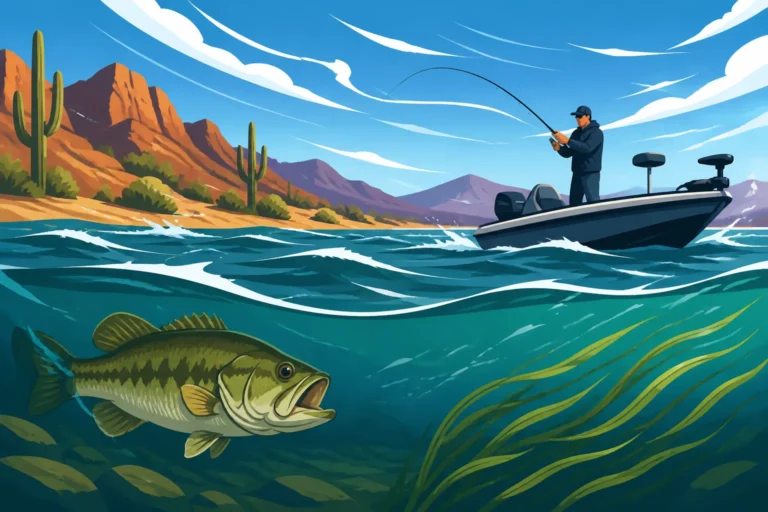
Bass are ambush predators, and they inherently relate to structure and cover – anything that provides shade, concealment, or a prime spot to intercept prey. In Arizona’s desert lakes, this often means focusing your efforts around brush piles, rock formations, submerged trees, and dramatic changes in depth. These features offer bass protection from the sun, a place to hide from predators (like us!), and excellent ambush points for unsuspecting minnows. For example, the clear waters of Lake Pleasant are renowned for their incredible bass fishing, and understanding the Bass Combined Limit at Lake Pleasant often means finding these key structural elements.
When approaching structure, whether it's a rocky point or a submerged mesquite tree, consider how the bass might be positioned. Are they directly in the cover, or are they staging on the edges, waiting for prey to pass by? Fan-cast your live minnow rigs around these areas, allowing your minnow to swim naturally into or along the cover. For brush piles, a dorsal-fin rigged minnow on a Carolina rig can be very effective, allowing the bait to ride just above the snags. For rock formations and ledges, a drop shot rig can keep your minnow suspended directly in front of a bass that might be tucked into a crevice. Pay close attention to your line for any subtle bumps or ticks, as bass will often mouth a live minnow before fully committing. Remember, bass are often temperature-sensitive, so in hotter months, they'll seek deeper, cooler cover. In spring and fall, they might be shallower, relating to accessible cover near spawning grounds. Arizona's diverse lakes, from the Salt River chain to Lake Havasu, all have unique structures that, once identified, can hold significant numbers of bass.
Presentation and Retrieval Techniques
One of the greatest advantages of live minnow fishing is the bait does most of the work for you. However, your presentation and "retrieval" (or lack thereof) still play a crucial role. The goal is to maximize the minnow's natural action while keeping it in the strike zone. Slow is often the name of the game. Rather than constant reeling, think about gentle twitches, long pauses, and allowing the minnow to swim naturally.
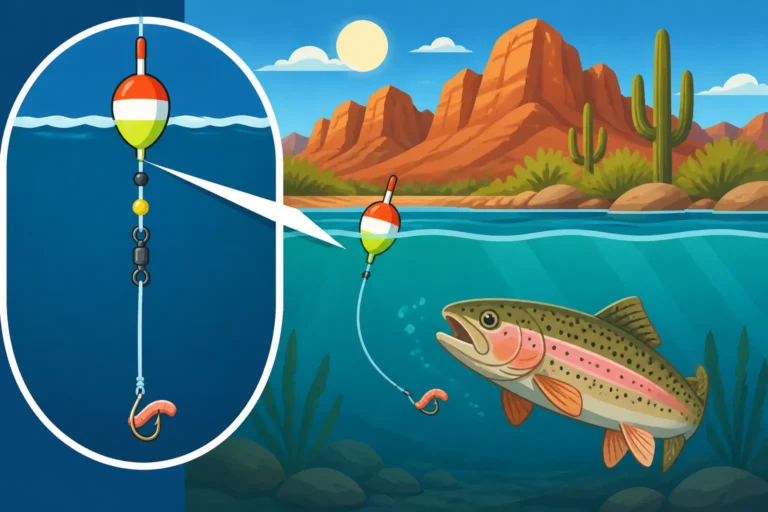
If fishing under a bobber, cast your rig out and let the minnow do its thing. Watch the bobber for any subtle dips or movements that indicate a bite. For bottom fishing with a Carolina rig, a slow drag-and-pause technique works wonders. Drag your weight a few feet, then pause, allowing the minnow on the leader to swim and entice any bass that might be following. With a drop shot, simply keep your line taut and gently shake the rod tip to make the minnow quiver in place. Drifting is also highly effective, especially in areas with a light current or when covering large flats. Let the wind or current carry your boat and your minnow, covering water naturally. The key is extreme sensitivity. Unlike a lure, where you often feel a jarring strike, a bass taking a live minnow might feel like nothing more than a slight weight, a spongy resistance, or a slow pull. Always be ready to set the hook at the first sign of anything unusual.
Adjusting for Arizona's Unique Conditions
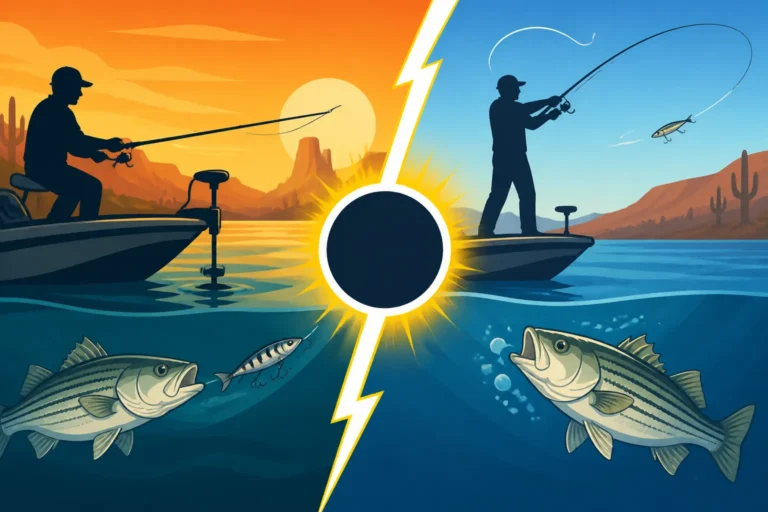
Fishing in Arizona means contending with some very specific environmental factors that impact how and when you fish with live minnows. The glaring sun and often clear water of our desert lakes demand particular attention to stealth and presentation. First, water clarity means bass have excellent visibility, so your line choice is critical. Fluorocarbon is often preferred for its near-invisibility. Furthermore, clear water can make bass more wary, so longer leaders and lighter weights become even more important for a natural drift.
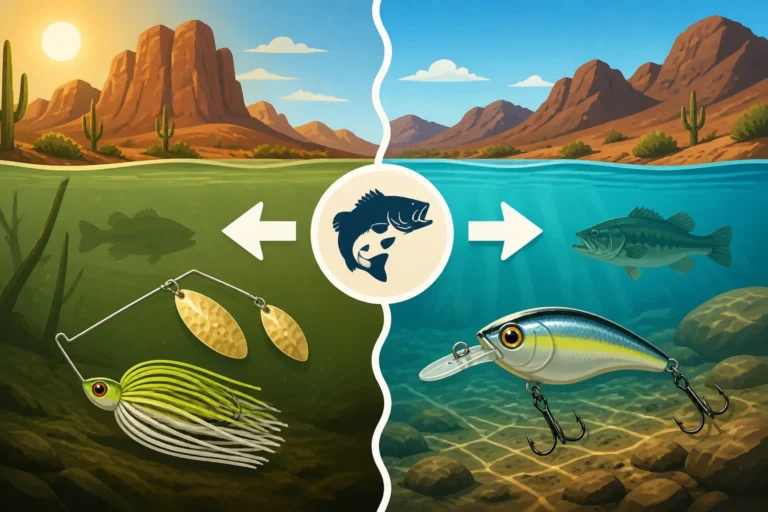
Temperature, both air and water, plays a massive role. In the intense Arizona summer heat, bass will retreat to deeper, cooler waters during the day. This is when your deep-water rigging, like a Carolina or drop shot rig, comes into its own. Fishing early mornings, late evenings, or even at night can also be highly productive when using live bait, as bass are more active in cooler temperatures. Conversely, in the cooler winter months, bass might move slightly shallower to absorb warmth, but their metabolism slows down, requiring even slower, more subtle presentations. Understanding a Winter Fishing Strategy for Desert Lakes versus a Summer Fishing Strategy for Desert Lakes will dramatically improve your live minnow success. Lastly, while many Arizona lakes are reservoirs, some areas, particularly along the Colorado River or outflows from dams, can have noticeable current. When fishing in current, you may need slightly heavier weights to keep your minnow in the desired strike zone, and a slightly tougher hook to hold up against potential snags. Always be aware of the conditions and be prepared to adapt your rigging and presentation accordingly.
Troubleshooting and Advanced Tips
Even with the best gear and techniques, live minnow fishing can sometimes throw you a curveball. Learning to troubleshoot common issues and adopting advanced strategies will help you put more bass in the boat, while also ensuring you're fishing responsibly.
Dealing with Finicky Bass and Light Bites
We’ve all been there: you feel a subtle tap, a slight pull, but when you set the hook, nothing's there. Finicky bass and light bites are frustratingly common, especially in heavily fished waters or during challenging weather conditions. When this happens, it's time to lighten up your approach. Downsizing your fishing line to the lower end of the recommended range (e.g., 6 lb test fluorocarbon) can make a huge difference in stealth. Similarly, going to a smaller, lighter wire hook (like a #6 or #4 Octopus hook) can make your minnow look more natural and easier for a bass to swallow, especially if they're just mouthing the bait.
Another effective tactic is to use lighter weights, or even no weight if conditions allow. A free-swimming minnow is often irresistible. When you feel a light bite, resist the urge to immediately set the hook. Instead, drop your rod tip slightly, feed a little slack, and wait a few seconds. This allows the bass to fully take the minnow into its mouth, turning a tentative nibble into a committed bite. Then, slowly reel up the slack until you feel the weight of the fish, and deliver a firm, sweeping hookset. Sometimes, simply presenting the minnow on a longer leader, especially with a Carolina rig, gives the bass more time to assess and engulf the bait without feeling the resistance of the weight. Patience and finesse are your greatest allies when dealing with finicky bass.
Ethical Considerations and Conservation
As anglers, we have a responsibility to practice ethical fishing and contribute to conservation efforts, especially when using live bait. One of the most important aspects is proper hook removal, particularly if you intend to release the fish. When a bass swallows a hook deep, using a dehooking tool or a pair of long-nosed pliers can help you extract it without causing excessive damage to the fish's gills or esophagus. If the hook is too deep and difficult to remove, sometimes it’s best to cut the line as close to the hook as possible; hooks will often rust out over time, and attempting a forceful removal can do more harm than good.
Beyond hook removal, always handle fish gently with wet hands, supporting their body weight, especially if they are large. Minimize their time out of the water, and release them quickly and carefully. Practicing Catch and Release Rules for Arizona Anglers for certain species or in specific areas helps maintain healthy fish populations. It's also crucial to be aware of and abide by all local regulations regarding baitfish. The Arizona Game and Fish Department (AZGFD) has specific rules about what can be used as live bait and where. For instance, some waters might prohibit the use of certain species of minnows to prevent the introduction of invasive species. Never release unused live bait into a different body of water, as this can have devastating ecological consequences. Always consult the latest Arizona fishing regulations booklet or the AZGFD website for current rules on Live Bait Rules for Arizona Lakes.
Local Regulations and Baitfish Rules
Fishing in Arizona comes with a clear set of guidelines and regulations, and baitfish rules are no exception. It is absolutely essential to familiarize yourself with these rules before you hit the water to avoid fines and contribute to the health of our fisheries. The Arizona Game and Fish Department (AZGFD) sets forth specific stipulations on what constitutes legal live bait, where it can be obtained, and in which waters it can be used. For instance, while commercially purchased live minnows are generally allowed in most public waters, using wild-caught baitfish from one body of water in another is often prohibited to prevent the spread of diseases and invasive species. Always refer to the most current Arizona Fishing Regulations Explained document or the AZGFD website.
Some specific lakes or rivers may have their own unique rules regarding baitfish. For example, certain native fish conservation areas might have stricter rules to protect vulnerable populations. It's not uncommon for tribal lands, like those around San Carlos Lake, to have their own separate fishing permits and regulations, which might also include specific bait rules. Being caught using illegal bait or violating bait transport regulations can result in significant fines and penalties. When you purchase live minnows from a bait shop, it's a good practice to keep the receipt, as it proves they were legally acquired. Always dispose of unused live bait properly – never dump it into the lake or river you are fishing, or any other body of water. Following these local regulations not only keeps you on the right side of the law but also plays a vital role in preserving Arizona's diverse aquatic ecosystems for future generations of anglers.
| Rigging Method | Pros | Cons | Best Use Cases |
|---|---|---|---|
| Through-the-Lips | – Most natural swimming action | – Minnow can come off easily | – Suspending under a bobber |
| – Good for active bass in open water | – Hook can sometimes impede minnow's breathing if placed poorly | – Light current or drifting | |
| – Simple and quick to rig | – When bass are actively feeding on the surface or in the water column | ||
| Dorsal Fin | – Minnow stays alive and active longer | – Hookset can be less direct if bass only "nips" the head | – Fishing around heavy cover (brush, timber) |
| – Mimics injured baitfish, strong attractor | – Can damage minnow's vitality if spine is hit | – Deeper water where a lively presentation is needed to draw fish out | |
| – Good for fishing around cover or deeper structure | – When bass are sluggish and need a more enticing, struggling bait | ||
| Carolina Rig | – Covers large areas of bottom effectively | – Can be prone to snags in very rocky or heavily vegetated areas | – Fishing flats, humps, and points |
| – Weight allows minnow to suspend naturally on a leader | – Less direct feel to the minnow compared to direct hooking | – Probing deeper water for scattered bass | |
| – Bass feel minimal resistance when taking bait | – When bass are on the bottom or feeding on crawfish/bottom-dwelling prey | ||
| Drop Shot Rig | – Excellent for suspended bass or vertical structure | – Requires precise knot tying and weight placement | – Targeting suspended bass in clear, deep water |
| – Highly sensitive, detects subtle bites | – Not ideal for covering vast amounts of water quickly | – Finesse fishing for finicky or pressured bass | |
| – Minnow stays at a precise depth regardless of weight movement | – Fishing vertical structure like submerged cliffs, bridge pilings, or standing timber edges |
Disclaimer
Please be aware that fishing regulations, including those concerning live bait and catch limits, can change. Always consult the latest Arizona Game and Fish Department (AZGFD) regulations before heading out to fish. This guide provides general information and should not replace official regulatory documents.