Best Lake for a Grand Canyon Fishing Trip
Thinking about a fishing trip near the majestic Grand Canyon can spark images of serene waters and trophy fish, but many anglers get a bit confused about where to actually cast a line. The sheer scale of the Grand Canyon National Park makes direct fishing within its deepest reaches incredibly difficult and often restricted. This guide is here to clear up that confusion, helping you pinpoint the absolute best lake for a memorable fishing adventure that complements your Grand Canyon experience, focusing on accessibility, diverse species, and breathtaking scenery.
Navigating the Grand Canyon's Angling Landscape
When people dream of a "Grand Canyon fishing trip," they often envision fishing in the canyon itself. While the Colorado River famously carves its way through this natural wonder, direct angling within the Grand Canyon National Park boundaries isn't your typical recreational fishing experience. It's crucial to understand why, so you can set realistic expectations and discover the incredible opportunities that lie just outside its most famous sections.
The Elusive Grand Canyon Fishery
The Colorado River inside the Grand Canyon is a unique and often challenging environment for anglers. For starters, access is incredibly limited. Most of the river is only reachable via multi-day rafting trips, which are highly regulated and often booked years in advance. Even if you get there, the primary focus in many stretches is the conservation of native fish species, like the endangered Humpback Chub. This means strict regulations on tackle, bait, and even how you handle fish, making it far from a casual casting excursion. You won't find bustling marinas or easy shore access for your typical day trip.
Furthermore, the cold, turbid waters released from the bottom of Glen Canyon Dam, which forms Lake Powell upstream, drastically changed the river's ecosystem within the canyon. While some non-native species like Rainbow Trout thrive in certain sections, particularly below the dam at Lees Ferry, the dynamic and remote nature of the inner canyon makes it impractical for most to pursue. The idea of a casual "Grand Canyon fishing trip" where you just pull over and fish is largely a myth.
Why Nearby Lakes Are Your Best Bet
Given the challenges of fishing directly within the Grand Canyon, nearby reservoirs become the true stars for anglers seeking a "Grand Canyon fishing trip." These massive impoundments, formed by the very same Colorado River system, offer vast expanses of water, diverse fish populations, and stunning, canyon-like scenery that perfectly complements a visit to the Grand Canyon's rim. They provide the infrastructure – marinas, boat rentals, guides, and easy access – that makes a fishing trip feasible and enjoyable.
These lakes allow you to combine the awe-inspiring beauty of the canyon landscape with fantastic angling opportunities. You can wake up, enjoy a sunrise over canyon walls, and then spend your day on the water pursuing a variety of sport fish. It’s the ideal way to experience the grandeur of the region from a different perspective, all while doing what you love – fishing.
Lake Powell: The Premier Grand Canyon Angling Gateway
When it comes to the "Best Lake for a Grand Canyon Fishing Trip," Lake Powell stands head and shoulders above the rest. This colossal reservoir, straddling the Arizona-Utah border, is not only geographically closest to many popular Grand Canyon viewpoints but also embodies the very essence of fishing amidst dramatic canyon scenery. It's essentially the Colorado River, flooded and turned into a labyrinthine wonderland of red rock cliffs, sandy beaches, and endless coves.
Proximity and Access to the Canyon Experience
Lake Powell begins just upstream of Glen Canyon Dam, which is the natural "end" of the main Grand Canyon section of the Colorado River. This means that when you're fishing on Lake Powell, you are literally surrounded by the same geological formations and breathtaking vistas that define the Grand Canyon. Areas like Antelope Point, Wahweap, and Halls Crossing provide direct access to the lake, with marinas offering everything from boat rentals to guided fishing excursions. From many points on the lake, you're only a short drive to the South Rim or North Rim of the Grand Canyon for an unparalleled scenic overlook.
The sheer size of Lake Powell means countless canyons and arms to explore, many of which look like miniature versions of the Grand Canyon itself. You can spend days navigating these waterways, pulling into secluded coves, and casting against a backdrop of towering Navajo sandstone. This immersive experience, blending fishing with iconic Western landscapes, is precisely what makes Lake Powell the ideal choice for a Grand Canyon-adjacent fishing trip.
Prime Fish Species and Fishing Opportunities
Lake Powell is a diverse fishery, home to several highly sought-after sport fish. The angling experience here is world-class, offering something for every type of fisherman. If you're looking for an unforgettable experience, getting out on Lake Powell is a must. You can learn more about its specific features in our comprehensive guide to the Lake Powell Arizona Fishing Guide.
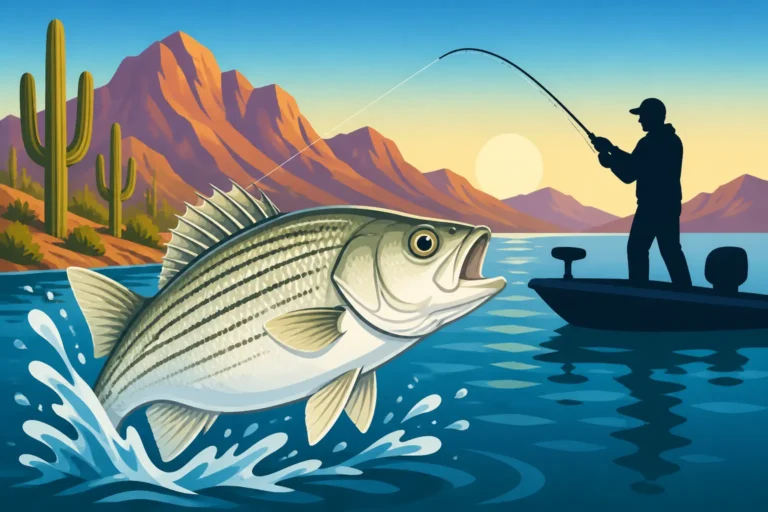
- Striped Bass (Stripers): These are the undisputed kings of Lake Powell. Stripers grow large here, often forming massive schools that create explosive "boils" on the surface as they chase baitfish. Witnessing a striper boil and casting into it is an adrenaline rush unlike any other. They can be caught year-round, but summer and fall are particularly famous for their surface activity. Anglers use a variety of techniques, from throwing topwater lures into boils to jigging spoons in deeper water. Check out our detailed guide on How to Fish for Striped Bass for more tips.
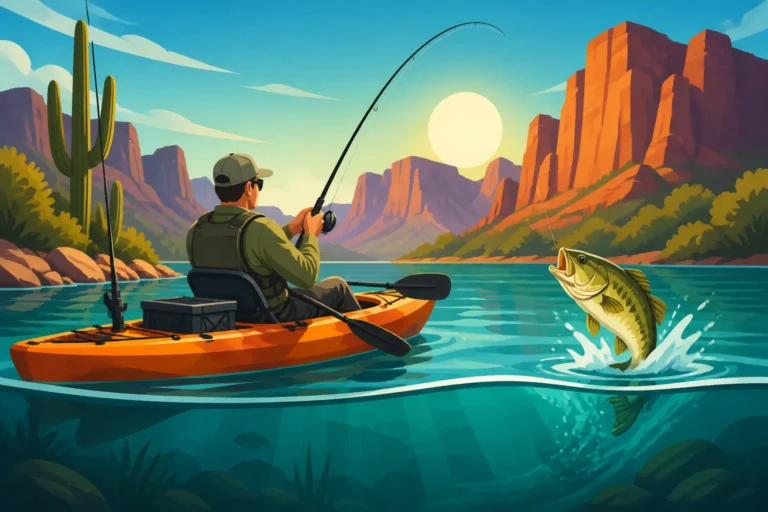
- Smallmouth Bass: If you love fighting, feisty fish that hug rocky structure, Lake Powell's smallmouth population will delight you. The lake's countless rock walls, ledges, and submerged boulders provide ideal habitat. Smallmouth bass are aggressive and will readily hit crankbaits, jigs, drop shots, and tubes. Spring and fall are prime times to target them in shallower water, while summer sees them move deeper. Our guide on Smallmouth Bass Fishing Guide for Arizona offers excellent strategies.
- Largemouth Bass: While less dominant than smallmouth or stripers, healthy populations of largemouth bass can be found in the warmer, shallower coves and brushy areas of the lake. They prefer structure like submerged timber, brush piles, and weed beds. Traditional largemouth techniques like flipping jigs, throwing spinnerbaits, or working soft plastics are effective.
- Walleye, Crappie, and Catfish: Though not as abundant as the bass species, Lake Powell also offers opportunities for walleye, especially in the northern reaches, as well as crappie and channel catfish in certain areas.
Planning Your Lake Powell Fishing Adventure
Embarking on a Lake Powell fishing trip requires a bit of planning, but the rewards are immense.
Best Seasons and Tactics
The best time to fish Lake Powell largely depends on your target species.
- Spring (March-May): Excellent for both largemouth and smallmouth bass as they move to shallower waters for spawning. Stripers start to become more active.
- Summer (June-August): Iconic for striper boils. While the heat can be intense, early mornings and late evenings are fantastic. Bass move to deeper structure.
- Fall (September-November): Often considered the best all-around fishing, with active stripers (though fewer boils), and hungry bass aggressively feeding before winter.
- Winter (December-February): Slower, but trophy-sized fish can be caught deep. Requires patience and often vertical jigging techniques.
For more generalized information, refer to our broader resource on Arizona Fishing Seasons Explained.
Essential Gear and Bait
Given the diverse fishing, a versatile setup is key. For bass, medium to medium-heavy spinning or baitcasting rods with 10-15 lb fluorocarbon or braided line are standard. For stripers, heavier gear might be needed, especially during boils or when trolling. Live shad or anchovies are often used for bait, but a wide array of lures, including topwater plugs, swimbaits, jerkbaits, and various soft plastics, are highly effective. Don't forget ample water, sunscreen, and polarized sunglasses—the Arizona sun is no joke! Our guide on Best Baits and Lures for Arizona Fishing can give you more specific recommendations.
Hiring a Fishing Guide
For the ultimate Lake Powell experience, especially if it's your first time, consider hiring a local fishing guide. These professionals know the lake intimately, understand fish patterns, and can put you on the best spots, saving you valuable time. They typically provide all the necessary gear and expertise. You can easily find and book reputable Lake Powell fishing guides through services like FishingBooker, which lists experienced captains ready to lead your adventure. Using FishingBooker ensures you're connecting with licensed professionals who specialize in the unique challenges and rewards of this vast reservoir.
| Feature | Lake Powell (Primary Recommendation) | Lake Mead (Secondary Option) | Lees Ferry (Specialized) |
|---|---|---|---|
| Proximity to Grand Canyon (rims) | Very close (Page, AZ is gateway to North Rim) | Further west, near Las Vegas (closer to Western Grand Canyon) | Directly below Glen Canyon Dam, upstream of Grand Canyon |
| Scenery | Stunning red rock canyons, labyrinthine waterways | Open desert lake, some canyon features, very arid | Dramatic sheer red rock walls, clear flowing river |
| Primary Fish Species | Striped Bass, Smallmouth Bass, Largemouth Bass | Striped Bass, Largemouth Bass, Channel Catfish | Rainbow Trout (world-class fly fishing) |
| Typical Fishing Style | Boating (houseboats, powerboats), casting, trolling, jigging | Boating (houseboats, powerboats), casting, trolling | Fly fishing, wade fishing, drift boats |
| Access & Amenities | Multiple large marinas (Wahweap, Antelope Point), lodging, rentals | Multiple marinas (Boulder City), lodging, rentals | Limited amenities, campground, guide services |
| Overall Experience | Immersive canyon-like fishing, epic striper boils | Large desert lake fishing, good striper and bass action | Premier cold-water trout fishery, highly specialized |
Other Nearby Options: Expanding Your Arizona Angling Horizons
While Lake Powell is undoubtedly the prime choice for a Grand Canyon fishing trip, Arizona offers other fantastic angling destinations that could potentially fit into a broader itinerary. Knowing these options can help you tailor your trip to your specific interests and time constraints.
Lake Mead: Downstream Opportunities
Located to the west, formed by the iconic Hoover Dam, Lake Mead is another massive reservoir on the Colorado River system. While it's further from the central Grand Canyon experience, it's a major fishery in its own right and could be a consideration if you're approaching the Grand Canyon from the Las Vegas area or planning a trip to the western Grand Canyon Skywalk.
Lake Mead offers excellent fishing for Striped Bass, Largemouth Bass, and various catfish species. Like Lake Powell, it's a vast body of water, meaning a boat is almost essential for effective fishing. The scenery is more open desert lake, though there are canyon sections. Fishing here can be very rewarding, especially for stripers which are often found in large schools. If you find yourself on the western side of Arizona, our Lake Pleasant Arizona Fishing Guide provides insights into another great bass and striper lake, though it's less connected to the Grand Canyon experience itself.
Lees Ferry: A Trout Angler's Paradise
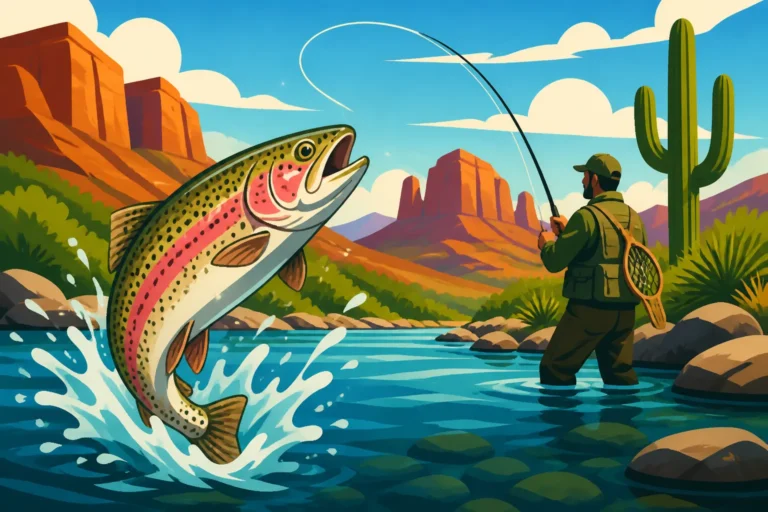
Just below Glen Canyon Dam, where the waters from Lake Powell are released into the nascent Colorado River before it enters the Grand Canyon, lies Lees Ferry. This unique stretch of river is world-renowned for its fly fishing opportunities for massive Rainbow Trout. It's a completely different experience from reservoir fishing. The water is cold, clear, and flows through a dramatic canyon, offering wade fishing and drift boat trips.
However, Lees Ferry is a highly specialized fishery. If your vision of a "Grand Canyon fishing trip" involves catching trophy trout on a fly rod in a serene river environment, then Lees Ferry might be your ideal. It's a challenging but incredibly rewarding experience, attracting serious fly anglers from around the globe. It's not a lake, but its direct connection to the Grand Canyon and unparalleled trout fishing makes it worth mentioning for those seeking a unique, specific angling adventure near the canyon. For more general information about diverse fishing spots, you might enjoy reading about the Best Fishing Lakes in Arizona.
Maximizing Your Canyon-Adjacent Fishing Adventure
Whether you choose Lake Powell for its immersive canyon fishing, or consider Lake Mead or Lees Ferry, a successful trip requires a few key considerations beyond just choosing the right location.
Essential Gear for Desert Lake Success
Fishing in Arizona, especially on large desert lakes, comes with its own set of environmental factors. The sun is intense, the water can be vast, and conditions can change.
- Sun Protection: This is non-negotiable. Wide-brimmed hats, UV-protective clothing, good polarized sunglasses, and high-SPF sunscreen are absolute must-haves. Dehydration is a serious risk.
- Hydration: Bring more water than you think you'll need. A cooler stocked with water, sports drinks, and snacks is vital for a full day on the water.
- Layered Clothing: Even though it's the desert, mornings can be cool, especially in spring and fall, warming up quickly during the day. Dress in layers.
- Navigational Tools: On large, complex lakes like Powell, a good GPS unit or a detailed map and chart plotter are crucial for safe navigation, especially as many canyons look alike. Many rental boats come equipped with these.
- Fishing Tackle: As discussed, versatile medium to medium-heavy rods and reels are suitable for most species. Don't forget a variety of lures and baits tailored to what you're targeting. Our guide to Essential Tackle Box Setup for Arizona Beginners has great suggestions.
Safety and Regulations on the Water
Safety should always be your top priority. Large lakes can become dangerous quickly with sudden winds or changes in weather.
- Boating Safety: If you're renting a boat, ensure you understand its operation and all safety equipment. Life jackets are required, especially for children. Our guide on Boating Safety Gear Requirements in Arizona provides detailed information. Always check the weather forecast before heading out.
- Fishing Licenses: Remember, anyone 10 years or older needs an Arizona fishing license to fish in public waters, and this includes Lake Powell (even on the Utah side if you launch from Arizona and have an Arizona license, though it's always best to check reciprocal agreements). You can easily purchase one online or from authorized dealers. Get all the details on the Arizona Fishing License Guide.
- Respect the Environment: The beauty of these areas is fragile. Pack out everything you pack in, and practice catch-and-release, especially for native species or if you're not planning to eat your catch. Be aware of bag and possession limits for all species, as outlined in the Arizona Fishing Regulations Explained.
Whether you're after the explosive action of striped bass, the challenge of smallmouth in rocky canyons, or the tranquility of fly fishing for trout, the areas surrounding the Grand Canyon offer incredible fishing opportunities. Lake Powell, in particular, delivers a complete package: world-class fishing nestled within canyon scenery that rivals its famous neighbor. With a bit of planning and the right approach, your "Grand Canyon fishing trip" will be an unforgettable adventure. Don't hesitate to leverage resources like FishingBooker to connect with local experts who can make your trip truly exceptional.
Disclaimer
The information provided in this guide is for general informational purposes only and does not constitute professional advice. Fishing regulations, conditions, and fish populations can change frequently. Always consult the official Arizona Game and Fish Department (AZGFD) website or current regulations booklet for the most up-to-date rules, licensing requirements, and safety guidelines before planning any fishing trip in Arizona. Ensure you have the proper licenses and adhere to all local, state, and federal laws. Stay safe and respect the environment.