Alamo Lake Arizona Fishing Guide
Let's be honest, finding a truly wild and productive fishing spot in Arizona can sometimes feel like hunting for a unicorn. Many of our lakes are popular and accessible, which is great, but sometimes you just crave that remote escape, that feeling of truly getting away from it all and testing your skills against some serious fish. If you've been yearning for a premier bass fishing destination that offers solitude, stunning desert scenery, and a real chance at a trophy catch, then you're in the right place. This guide is dedicated to unlocking the secrets of Alamo Lake, Arizona's hidden gem for anglers, and helping you plan an unforgettable trip.
Getting to Know Alamo Lake: Arizona's Remote Oasis
Alamo Lake State Park, nestled in the vast Sonoran Desert, truly feels like a world away. It’s not a lake you just stumble upon; it requires a bit of an intentional journey, and that's precisely part of its charm. This remoteness contributes significantly to its reputation as one of Arizona’s premier bass fishing lakes, often less pressured than its more accessible counterparts. If you're tired of crowded boat ramps and endless jet ski traffic, Alamo Lake might just become your new favorite sanctuary.
Location and Remote Charm
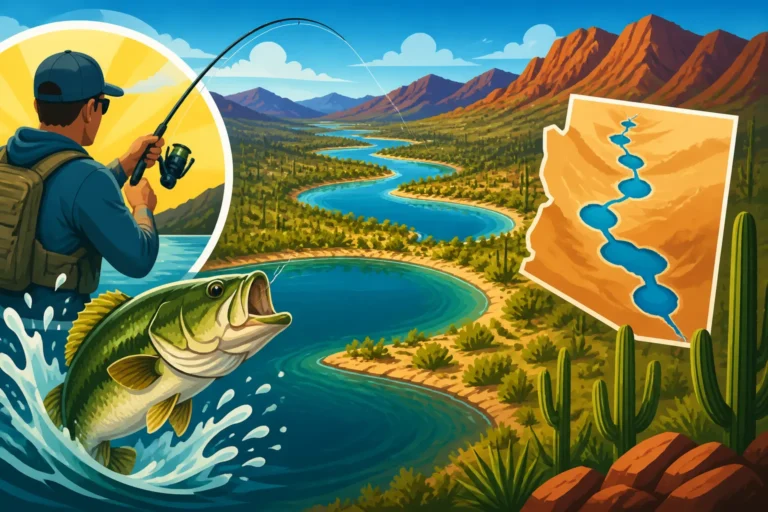
Alamo Lake is situated in west-central Arizona, about 40 miles northwest of Wenden, Arizona. It's formed by the Alamo Dam on the Big Sandy River, a tributary of the Bill Williams River. The drive out to Alamo Lake is an experience in itself, taking you through rugged desert landscapes that showcase the raw beauty of Arizona. You'll pass through small communities and vast stretches of untouched desert, gradually feeling the stress melt away as you get closer to your destination. This relative seclusion means that while it's a state park with amenities, it never feels overly developed. It retains a rustic, wild feel, making it perfect for anglers who appreciate nature's grandeur and a quieter fishing experience. The surrounding mountains and sparse vegetation create a dramatic backdrop, especially at sunrise and sunset, making every cast feel a little more special.
Lake Characteristics and Water Levels
Alamo Lake is a fascinating body of water, deeply influenced by the desert climate and the inflows from the Big Sandy and Santa Maria rivers. Its capacity can fluctuate significantly depending on rainfall and snowmelt from its drainage basin. When water levels are high, the lake expands, flooding desert vegetation and creating incredible new habitat for fish. This "new" water often leads to explosive growth rates for species like largemouth bass and crappie, as they have abundant cover and food sources. Conversely, during periods of drought, the lake can recede, exposing vast mud flats and concentrating fish in deeper channels and around remaining structure. Understanding these fluctuations is key to successful fishing at Alamo. The Arizona Game and Fish Department often provides current lake level information, which can be invaluable for planning your trip. The lakebed itself features a mix of rocky points, submerged timber (especially when water levels are up), and sandy coves, offering a diverse range of fishing environments.
Premier Fish Species at Alamo Lake
While Arizona offers a variety of fishing experiences, Alamo Lake stands out primarily for one reason: its incredible largemouth bass fishery. Anglers from across the state and beyond flock here for a chance to tangle with true trophy bass. But don't let the bass overshadow the other fantastic opportunities; Alamo also boasts a thriving population of crappie and catfish, making it a well-rounded destination for various angling pursuits.
Largemouth Bass: The Undisputed King
When people talk about fishing at Alamo Lake, largemouth bass is almost always the first thing that comes to mind. This lake has a long-standing reputation for producing not just good numbers of bass, but genuinely large ones. It’s not uncommon to hear tales of 5-pounders, and double-digit monsters are caught here every year. The healthy population of threadfin shad, sunfish, and crayfish provides an abundant food source, allowing bass to grow big and feisty. Anglers often describe the bass at Alamo as exceptionally strong, offering exhilarating fights.
During the spring, when bass are in their spawning phase, the shallow coves and submerged brush can be absolutely phenomenal. Later in the year, as temperatures rise, the bass move to deeper structure, brush piles, and the cooler water around the old river channel. The sheer volume of cover, from mesquite bushes to flooded timber, makes it a true haven for bass. For a deeper dive into targeting these beauties, check out our comprehensive Largemouth Bass Fishing Guide for Arizona.
Crappie and Catfish: Other Exciting Opportunities
While largemouth bass get most of the spotlight, Alamo Lake also offers excellent fishing for other popular species, especially crappie and catfish. If you're looking to fill a cooler with some delicious table fare, these fish are definitely worth your time.
Crappie fishing at Alamo can be outstanding, particularly in the spring when these schooling fish move into shallower water to spawn. They congregate around submerged timber, brush piles, and any structure that offers cover. Anglers often find success jigging small jigs, soft plastics, or minnows near these areas. A good fish finder can be invaluable for locating crappie schools, especially during the colder months when they move to deeper brush. Alamo Lake is easily one of the Best Crappie Fishing Spots in Arizona.
Catfish, both channel cats and flatheads, thrive in Alamo Lake's warm, nutrient-rich waters. The lake is particularly known for its robust flathead population, with some truly massive specimens lurking in the depths. Catfishing is excellent year-round, but it really heats up during the warmer months, especially at night. For channel catfish, stink baits, hot dogs, and cut bait fished on the bottom are highly effective. For the trophy flatheads, live bluegill or carp are often the bait of choice, fished on stout tackle near deep structure, log jams, or the old river channel.
Best Fishing Techniques and Seasons for Alamo Lake
Fishing Alamo Lake successfully often comes down to understanding the seasonal patterns of its fish and adapting your techniques accordingly. Given its desert environment, temperatures can swing wildly, directly influencing fish behavior. Being prepared with the right approach for the time of year is crucial.
Seasonal Fishing Strategies
Arizona's fishing seasons are a bit different than other parts of the country, and Alamo Lake is no exception. For a general overview, our Arizona Fishing Seasons Explained article is a great starting point, but here's how it breaks down specifically for Alamo:
- Spring (March – May): The Prime Time. This is arguably the best time to target largemouth bass at Alamo. As water temperatures rise into the 60s, bass move shallow for their spawn. Look for them in protected coves, around submerged brush, and along rocky points. Spinnerbaits, chatterbaits, plastic worms, and jigs worked slowly are highly effective. Crappie fishing is also red-hot during this period, as they move into similar shallow cover.
- Summer (June – August): Beat the Heat. Arizona summers are intense, and Alamo Lake is no exception. Fish will move deeper to escape the scorching surface temperatures and bright sun. Early mornings and late evenings offer the best topwater action for bass. During the day, target deeper structure, ledges, and the old river channel with deep-diving crankbaits, jigs, and drop shots. Night fishing for catfish becomes incredibly productive. Remember to prioritize Heat Safety Tips for Summer Fishing in Arizona.
- Fall (September – November): Transition and Feeding Frenzy. As temperatures cool, bass become more active and start feeding aggressively to prepare for winter. They can often be found chasing shad in open water or moving back to shallower points and coves. This is a great time for reaction baits like crankbaits, spinnerbaits, and swimbaits. Crappie will also start to school up and can be found on submerged brush piles.
- Winter (December – February): Slow and Steady. Fishing slows down in winter, but big bass are still catchable. They'll be deep, often schooled up around structure like humps, ledges, and the river channel. Slow-rolling spinnerbaits, jigs, and drop shots are effective. Catfish can also be caught on the bottom in deeper holes. This is a time for patience and precision.
Top Baits and Lures for Success
Having the right tackle can make all the difference at Alamo Lake. While personal preference plays a huge role, certain baits and lures consistently produce results. For a broader perspective on what works in the state, refer to our Best Baits and Lures for Arizona Fishing.
- Soft Plastics: These are arguably the most versatile and effective for bass. Senkos, plastic worms (Texas-rigged or Carolina-rigged), and creature baits are excellent for working around submerged timber and brush. Colors like green pumpkin, watermelon red, and black/blue are local favorites.
- Crankbaits: Deep-diving crankbaits are essential for targeting bass in deeper water during summer and winter. Medium-diving crankbaits work well in spring and fall, especially around rocky points and ledges. Colors mimicking shad or crayfish are a good bet.
- Spinnerbaits and Chatterbaits: Great for covering water, especially in spring and fall. These baits excel around shallow cover, submerged brush, and rocky banks. Gold or silver blades with white or chartreuse skirts are popular choices.
- Jigs: Flipping and pitching jigs into heavy cover is a classic technique for big bass at Alamo. Football jigs and stand-up jigs are also effective for working deeper structure. Black and blue, or green pumpkin are consistent producers.
- Live Bait: For crappie, live minnows suspended under a bobber or fished on a small jig head are hard to beat. For catfish, especially flatheads, live bluegill or tilapia are the go-to. Nightcrawlers and cut bait work well for channel catfish.
Fishing Around Alamo's Unique Structure
Alamo Lake's unique structure is heavily influenced by its desert environment. Unlike some lakes with defined weed lines or endless docks, Alamo offers a more wild, rugged topography. Understanding how fish relate to this specific kind of structure is key to success. This is where mastering How to Fish Arizona's Desert Lakes really pays off.
One of the most prominent features, especially during high water, is submerged timber and brush. When the lake fills up, it floods countless mesquite bushes, palo verde trees, and other desert vegetation. These create dense cover for bass and crappie, offering ambush points and protection. Flipping and pitching jigs or Texas-rigged worms into these areas is a highly effective strategy.
Rocky points and ledges are also abundant, especially along the main lake body and older river channels. These areas provide excellent structure for bass, particularly in transition periods or when fish move deeper. Cranking these edges or slowly working a jig or Carolina rig can be very productive.
The old river channel itself, which winds through the lake, is a major highway for fish movement and offers deeper water, especially during colder months or in the heat of summer. Learning to identify where this channel runs and how fish relate to its contours is a critical skill. Utilizing a good fish finder to locate schools of baitfish and predators along these deeper breaks will dramatically increase your success.
Navigating Alamo Lake: Boat Ramps, Shore Access, and Amenities
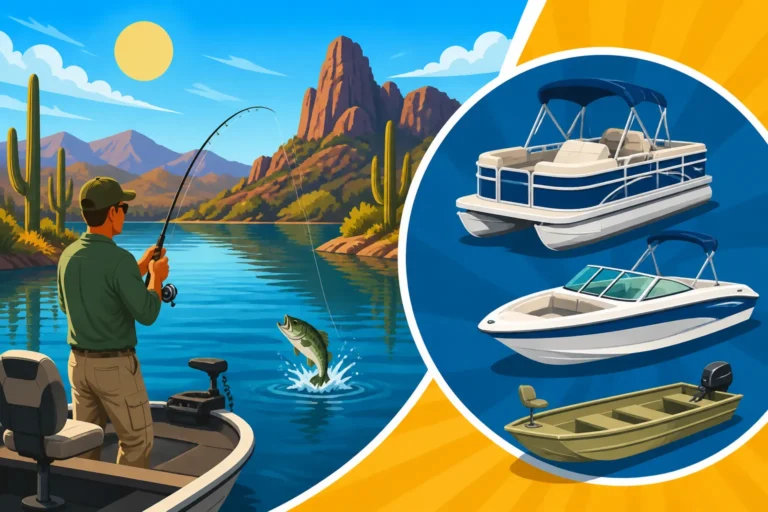
Alamo Lake is definitely a destination where having a boat gives you a significant advantage, opening up vast areas of productive water. However, there are still options for those who prefer to fish from shore. As a state park, Alamo offers essential amenities, but remember, its remote location means you should be prepared for a somewhat rustic experience.
Boat Ramp Access and Conditions
The primary boat ramp at Alamo Lake is located within Alamo Lake State Park. It's a well-maintained, multi-lane concrete ramp, typically usable through a wide range of water levels. However, because lake levels can fluctuate, it's always wise to check current conditions before you head out. The Arizona State Parks website or calling the park directly can provide up-to-date information on ramp access.
Launching a boat here is generally straightforward, but keep in mind that during peak season or popular events, you might encounter a bit of a wait. The large parking area is designed to accommodate boat trailers. For safety and to ensure a smooth launch and retrieve, remember to have all your Boating Safety Gear Requirements in Arizona in order, including life jackets, fire extinguishers, and throwable devices. Once on the water, be mindful of submerged hazards like timber, especially in areas that were recently flooded or during periods of low water.
Shoreline Fishing Opportunities
While a boat unlocks the full potential of Alamo Lake, bank anglers can still find success. The state park offers several accessible areas for shore fishing. The main camping and day-use areas often have direct access to the water's edge. Look for points, small coves, and areas where the bank drops off relatively quickly into deeper water.
Anglers targeting catfish can do very well from shore, especially at night, by casting baits into deeper pockets. Crappie and bass can be caught from shore during the spring spawn, particularly in coves with submerged brush. Using simple setups like a bobber and a live minnow, or casting soft plastics and spinnerbaits, can yield good results. Patience is key, as is willingness to explore different stretches of shoreline to find productive spots. Remember to keep a safe distance from boat launch areas.
On-Site Amenities and Services
Alamo Lake State Park provides a range of amenities designed to make your stay comfortable, despite its remote feel.
- Camping: The park offers developed campgrounds with hookups for RVs and primitive camping areas for a more rugged experience. Reservations are highly recommended, especially during peak fishing seasons. For more details on staying overnight, refer to the Camping Options Near Alamo Lake guide.
- Restrooms and Showers: Modern restrooms with flush toilets and hot showers are available in the developed camping areas.
- Boat Rentals: While not a guarantee, sometimes concessions may offer basic boat rentals. It's best to check with the park office directly before you arrive.
- Visitor Center/Park Store: A small park store often carries basic necessities, fishing tackle, ice, and snacks. This is also where you can get up-to-date information on lake conditions and fishing reports.
- Dump Station: Available for RV campers.
Even with these amenities, it's crucial to remember Alamo's isolated location. Cell service can be spotty, and the nearest full-service grocery store or major tackle shop is a considerable drive away. Plan to bring everything you need for your trip.
Planning Your Alamo Lake Adventure: Lodging, Supplies, and Permits
A successful trip to Alamo Lake hinges on good preparation. Given its remote nature, you can't just run to the nearest big box store if you forget something. Thinking ahead about where you'll stay, what you'll need, and what permits are required will make your angling adventure much smoother and more enjoyable.
Permits and Licenses
The first and most important step for any fishing trip in Arizona is ensuring you have the correct permits. Fishing in Alamo Lake requires an Arizona fishing license. This is non-negotiable for anyone 10 years of age or older. You can purchase your license online, at an Arizona Game and Fish Department office, or from various license dealers across the state. Our Arizona Fishing License Guide is an excellent resource for understanding all the options and requirements.
It’s crucial to check the current Arizona Fishing Regulations Explained before your trip. These regulations cover everything from bag and possession limits for different species to bait restrictions and special rules that might apply to Alamo Lake specifically. Regulations can change, so always ensure you're working with the most current information to avoid any issues. For instance, specific slot limits for bass or regulations on keeping crappie might be in effect to protect the fishery. If you're wondering How to Buy an Arizona Fishing License, we have a detailed walkthrough to help you.
Lodging and Camping Options
As mentioned, Alamo Lake State Park offers a variety of camping experiences:
- Developed Campgrounds: These sites typically offer electrical hookups, water, picnic tables, and fire rings. They are closest to the main boat ramp and amenities. These fill up quickly, especially during peak seasons like spring, so booking well in advance is highly recommended.
- Primitive Camping Areas: For those who prefer a more rustic experience, primitive camping is available in designated areas. These sites offer little to no amenities but provide a true "get away from it all" feeling. They are first-come, first-served, and usually require a fee. Remember to practice Leave No Trace principles in these areas.
Outside of the state park, lodging options are extremely limited due to Alamo Lake's remote location. The nearest towns like Wenden or Salome will have very basic accommodations, but nothing directly on the lake. Most visitors choose to camp at the state park, either in an RV or tent, to maximize their time on the water.
Essential Gear and Supplies
Because of Alamo's remoteness, being self-sufficient is key. Here's a quick checklist, but be sure to customize it for your specific needs:
- Fishing Gear: Rods, reels, plenty of line (braided for heavy cover, fluorocarbon for clear water), a variety of lures and baits specific to the species you're targeting (soft plastics, crankbaits, jigs, spinnerbaits, live bait rigs). Don't forget extra hooks, sinkers, swivels, and a good pair of fishing pliers. Our Fishing Gear Checklist for Desert Lakes can help you get organized.
- Safety Gear: First-aid kit, whistle, flashlight/headlamp, sunscreen, hat, polarized sunglasses, insect repellent, and plenty of fresh water. If boating, ensure you have all required safety equipment.
- Navigation: A reliable GPS or mapping app on your phone (with downloaded offline maps) is highly recommended, as cell service can be spotty. Lake maps are also very useful.
- Food and Drink: Bring all your food, snacks, and a cooler full of ice. Dehydration is a serious risk in the desert, so pack more water than you think you'll need.
- Camping Supplies: If camping, remember your tent, sleeping bags, cooking equipment, chairs, and anything else that makes your stay comfortable. Firewood can sometimes be purchased at the park store, but it's often a good idea to bring your own.
- Trash Bags: Pack out everything you pack in!
Consider booking a guided trip, especially if you're new to the lake. Services like FishingBooker can help you find experienced local guides who know Alamo Lake inside and out, providing all the necessary gear and putting you on the fish. This can be an invaluable way to learn the lake's nuances and techniques quickly.
Conservation and Responsible Angling at Alamo Lake
Alamo Lake is a precious resource, offering incredible outdoor experiences in a unique desert setting. To ensure it remains a thriving fishery and a beautiful natural area for generations to come, it's vital for all anglers and visitors to practice responsible outdoor ethics and actively participate in conservation efforts.
Protecting the Habitat and Fisheries
Responsible angling is about more than just following the rules; it's about being a steward of the environment. Here are some key practices:
- Catch and Release: While keeping legal limits for consumption is part of the experience, consider practicing catch and release, especially for larger bass. These big fish are crucial to the lake's genetics and trophy potential. Handle fish gently, minimize their time out of water, and use proper de-hooking tools.
- Respect Bag and Possession Limits: These limits are in place to ensure sustainable fish populations. Know them, understand them, and abide by them strictly.
- Prevent Invasive Species: Always clean, drain, and dry your boat and gear after leaving any body of water, especially Alamo Lake. This prevents the spread of invasive species like quagga mussels, which can devastate ecosystems. Inspect your anchor, bilge, and livewell thoroughly.
- Dispose of Monofilament Line Properly: Fishing line is a major pollutant and a hazard to wildlife. Always collect and dispose of old or broken line in designated bins or take it home for proper disposal.
- Minimize Bank Erosion: If fishing from shore, try to stick to established trails or sturdy ground to avoid damaging the shoreline vegetation, which is vital for bank stability and small wildlife habitat.
Wildlife Viewing and Outdoor Ethics
Alamo Lake is not just about fishing; it's also a fantastic place to observe Arizona's diverse desert wildlife. You might spot various bird species, including bald eagles, ospreys, and herons, along with desert bighorn sheep, javelina, and coyotes.
- Observe from a Distance: Respect wildlife by keeping a safe and respectful distance. Never approach or feed wild animals.
- Leave No Trace: This is paramount in a remote, natural setting like Alamo Lake. Pack out everything you pack in, including all trash, food scraps, and fishing line. Leave your campsite and fishing spots cleaner than you found them.
- Be Mindful of Noise: While enjoying your time, be respectful of other anglers and the natural serenity of the lake by keeping noise levels down.
- Fire Safety: If building a campfire, do so only in designated fire rings and ensure it is completely extinguished before leaving. Always be aware of fire restrictions, especially during hot, dry periods.
By practicing these principles, we can all contribute to preserving the wild beauty and outstanding fishing opportunities that Alamo Lake offers.
Alamo Lake Fishing Season & Species Overview
To help you plan your trip, here's a quick overview of what to expect throughout the year at Alamo Lake for its most popular species.
| Species | Primary Season(s) | Best Techniques/Baits | Key Locations (General) | Notes |
|---|---|---|---|---|
| Largemouth Bass | Spring (Peak), Fall (Good) | Soft plastics, jigs, crankbaits, spinnerbaits | Submerged timber, rocky points, coves, river channel | Known for trophy bass; active feeders during spawning and fall turnover. |
| Black Crappie | Spring (Peak), Winter (Good) | Small jigs, live minnows, soft plastics | Brush piles, submerged timber, deeper structure | Excellent table fare; often school up, especially in spring and winter. |
| Channel Catfish | Summer (Peak), Year-round | Stink bait, cut bait, hot dogs, nightcrawlers | Deeper holes, old river channel, muddy bottoms | Active feeders, especially at night during warmer months. |
| Flathead Catfish | Summer (Peak), Fall (Good) | Live bluegill, live carp, large cut bait | Old river channel, log jams, deep structure | Target with heavy tackle; known for large, powerful fish. |
| Sunfish/Bluegill | Year-round (Good) | Worms, small jigs, crickets | Shallow coves, brush, rocky banks | Great for kids and panfish enthusiasts; good bait for flatheads. |
Disclaimer
The information provided in this guide is for general informational purposes only and is subject to change. Fishing conditions, regulations, and lake levels can vary greatly. Always check the most current regulations and conditions with the Arizona Game and Fish Department and Alamo Lake State Park before planning your trip. Fishing inherently involves risks; please prioritize safety and exercise caution in all outdoor activities.