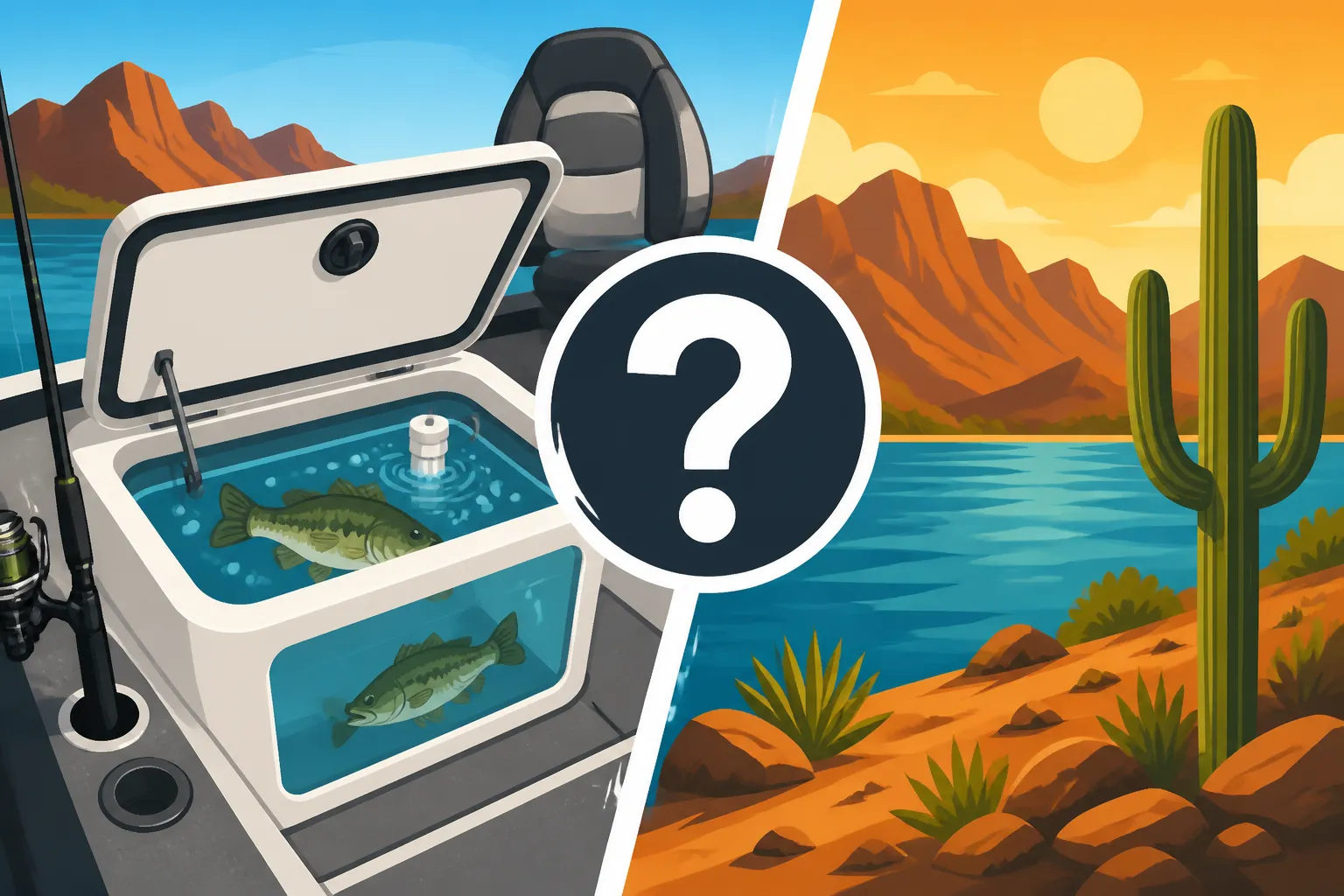
Do You Need a Livewell on a Fishing Boat?
As a seasoned Arizona angler and someone who's spent countless hours out on our beautiful, often challenging, waters, I've heard this question more times than I can count: "Do I really need a livewell on my fishing boat?" It's a valid concern, especially when you're looking at boat models and trying to figure out what's essential versus what's a luxury. The truth is, there's no single "yes" or "no" answer that fits everyone. What's crucial for one angler might be completely unnecessary for another, and misunderstanding this can lead to either buyer's remorse or, worse, unintended problems out on the lake. This guide is here to help you navigate that decision, understanding the ins and outs of livewells and whether one belongs on your fishing boat.
What Exactly Is a Livewell, Anyway?
Before we dive into whether you need one, let's make sure we're all on the same page about what a livewell actually is. Many new boat owners or aspiring anglers might picture a simple bucket, but it's much more sophisticated than that. It’s designed specifically to keep your catch, or sometimes even your bait, alive and healthy for an extended period, which is a real game-changer in certain fishing scenarios.
The Core Function and Design
At its heart, a livewell is essentially an insulated tank built into your boat, but with a critical difference: it continuously circulates fresh water to maintain a stable and oxygenated environment for fish. Think of it as a small, mobile aquarium specifically engineered for robustness. Most livewells feature a pump that draws fresh water from the lake or river into the tank. Another pump, or sometimes the same one, continuously exchanges this water or aerates it, keeping oxygen levels high. This constant circulation and aeration are vital, especially in Arizona's warmer waters, where stagnant water can quickly deplete oxygen and stress fish. Without this critical life support, fish can quickly perish, becoming unsuitable for release or consumption.
The design often includes rounded corners inside the tank to prevent fish from bruising themselves by bumping into sharp angles, particularly when the boat is moving or dealing with choppy water. Filters are also common to keep debris out and ensure the water quality remains high. Temperature control, while not standard on all models, is a premium feature that some dedicated anglers utilize to further reduce stress on their catch, especially when fishing for sensitive species or during the peak of summer. The goal is to mimic their natural environment as closely as possible, ensuring their vitality whether they're destined for a weigh-in or a gentle release.
Types of Livewell Systems
Livewells aren't one-size-fits-all, and understanding the different types can help you decide what might suit your needs.
First, you have recirculating systems. These pump water into the livewell, aerate it, and then filter and reuse the same water. They're great for situations where you might be trailering your boat for a short distance with fish inside, or if you're in an area where continually drawing in new water isn't ideal, perhaps due to water quality concerns. These systems require some additives, like livewell treatments, to remove chlorine (if using tap water initially for bait) or reduce ammonia buildup from fish waste.
Then there are flow-through systems. These continuously pump fresh water from the lake or river into the livewell and discharge old water back out. They are excellent for maintaining the freshest possible environment for your fish, as long as the water source itself is clean and well-oxygenated. This type is very common on larger bass boats and boats designed for competitive angling, where keeping fish vibrant for a weigh-in is paramount. You can easily find boats equipped with these systems at places like Bass Pro Shops, where fishing-specific features are a priority.
Finally, you also encounter portable livewells. These aren't built into the boat but are often aerated coolers or dedicated portable tanks that you can place on your boat. They offer flexibility, especially for smaller vessels or those who only occasionally need a livewell. We'll dive into these more later, but it's worth noting they bridge the gap for many anglers who don't want the permanent commitment or expense of a built-in system. Each system has its pros and cons regarding maintenance, power consumption, and effectiveness, so choosing depends on your specific fishing habits and what species you're targeting.
When a Livewell Becomes Your Best Friend (or a Necessity!)
So, when does having a livewell go from "nice-to-have" to "absolutely essential"? It really comes down to what you're doing on the water. For certain types of fishing, a livewell is non-negotiable.
Tournament Fishing and Competitive Angling
This is perhaps the most obvious scenario where a livewell is a critical piece of equipment. In virtually every competitive bass, crappie, or even some catfish tournaments, the goal is to bring your catch to the weigh-in alive and healthy. Tournament rules almost universally penalize anglers for dead fish, and sometimes even for fish that are clearly distressed. A well-designed, properly functioning livewell is the lifeline for your potential prize-winning catch. Imagine spending all day battling a trophy largemouth bass on Roosevelt Lake, only for it to perish in a cooler before you reach the scales. That's not just a heartbreaking loss, but a financial one if prize money is involved.
Successful tournament anglers meticulously manage their livewells. They often add ice to cool the water in warmer months, use various additives to calm fish and remove toxins, and monitor water quality constantly. The ability to keep fish alive and minimize stress is a huge part of the skill set for competitive fishing. Without a reliable livewell system, participating in most organized fishing tournaments in Arizona is simply not feasible. For more on this, you might find our guide on Best Bass Fishing Techniques for Arizona Lakes interesting, as it touches on strategies often employed by tournament anglers.
Keeping Your Catch Alive for the Frying Pan
Beyond tournaments, many anglers love the idea of bringing home fresh fish for dinner. If you're planning on keeping your catch, a livewell can be a fantastic way to ensure the fish are as fresh as possible right up until you're ready to clean them. There's a noticeable difference in quality between a fish that was kept alive until processing and one that sat on ice for several hours, or worse, slowly suffocated in a bucket of warm water. Keeping fish alive also prevents spoilage, especially during long days out on Arizona's hot desert lakes.
For species like catfish or even crappie, which are highly prized for their table fare, a livewell allows you to keep them swimming happily until you get back to shore. This is particularly useful if you have a bit of a drive home from the lake. Instead of dealing with messy ice chests full of melting ice and fish slime, you can transport your vibrant catch securely. However, always be mindful of Fishing Bag and Possession Limits Explained in Arizona to ensure you're complying with regulations. Overfilling a livewell can quickly stress and kill fish, defeating the purpose.
Conservation and Catch & Release
Ironically, a livewell can also be an invaluable tool for anglers who practice catch and release, especially when targeting larger, more sensitive species, or if you're fishing in specific areas with strict regulations. If you're participating in a tournament where you're catching and releasing many fish throughout the day, or if you simply want to photograph a trophy catch before letting it go, a livewell provides a safe, controlled environment. It allows fish to recover from the stress of being caught before being returned to the water. This is particularly important for species like larger bass, which can be easily stressed by handling and warm water.
In Arizona, with its strong emphasis on resource conservation, proper catch and release practices are highly encouraged. A livewell allows you to carefully manage fish health, minimizing delayed mortality. For instance, if you're fishing a deep lake and bring up a fish with barotrauma (due to rapid changes in pressure), a livewell can hold it in a stable environment while you either "fizz" the fish (release air from its swim bladder) or use a descending device to return it to deeper water. Without a livewell, managing these situations effectively and humanely is much harder. Understanding Catch and Release Rules for Arizona Anglers is crucial, and a livewell can be a key piece of equipment in adhering to those guidelines and ensuring the health of the fish.
| Livewell Necessity | Primary Purpose | Common Species | Typical Scenario |
|---|---|---|---|
| Essential | Tournament Participation | Bass, Crappie, Catfish | Competitive weigh-ins |
| Highly Useful | Fresh Table Fare | Catfish, Crappie, Trout | Keeping fish vibrant until cleaned |
| Beneficial | Catch & Release / Conservation | Bass, Larger Game Fish | Fish recovery, photo ops, humane release |
| Optional | General Recreational Angling | Panfish, Stocked Trout | Short trips, immediate processing |
| Unnecessary | Immediate Release | Any species (if not keeping) | Quick photo, minimal handling, immediate return to water |
When You Can Probably Skip the Livewell (and Save Some Cash/Space)
While livewells are fantastic for specific situations, they are far from necessary for every angler or every type of fishing trip. Many people fish happily and successfully without ever owning a boat with a livewell. Let's explore when you might be able to pass on this feature.
Casual Angling and Specific Species
If your fishing trips are typically laid-back, non-competitive affairs, and you either practice immediate catch and release or only keep a few fish for dinner, a livewell might be overkill. For example, if you're taking the family out to one of the Community Park Lakes in Phoenix to catch some stocked rainbow trout or panfish, and you plan to either release them immediately or keep a couple in a small cooler for a quick meal, a built-in livewell adds unnecessary complexity and cost. You might also be targeting species that don't fare well in a livewell regardless, or those you intend to process right away.
Many anglers enjoy fishing for species like sunfish or smaller trout, which are often either released instantly or kept on a stringer or in a small, traditional cooler filled with ice. The stress of being in a livewell, even a well-maintained one, can sometimes be more detrimental for certain fish than a quick, humane dispatch and placement on ice. If you're just out for the sheer joy of casting a line and don't have competitive aspirations or specific needs to transport live fish over long distances, then the expense and maintenance of a livewell might not align with your fishing style.
Smaller Boats and Limited Space
Space is always a premium on smaller fishing boats, kayaks, and even some recreational pontoon boats. Built-in livewells take up valuable real estate, often eating into storage compartments or deck space that could be used for other essential gear, extra seating, or simply more room to move around. If you're rocking a smaller aluminum boat perfect for navigating the Salt River or smaller coves on Canyon Lake, a livewell might feel like a bulky intrusion.
For anglers with limited space, every square foot matters. You might prioritize dry storage for tackle, a cooler for drinks and snacks, or an open deck for casting freedom. Installing or purchasing a boat with a large, integrated livewell might mean sacrificing something else important to your fishing experience. The plumbing, pumps, and wiring associated with a built-in system also add weight, which can affect the performance and fuel efficiency of smaller vessels. When considering Best Kayaks for Fishing in Arizona, for instance, a built-in livewell is almost unheard of; portable solutions are the norm.
Alternative Storage and Transport Methods
Don't have a livewell? No problem! There are plenty of effective alternatives, especially if you're not bound by tournament rules or the need to keep trophy fish alive for extended periods.
For keeping fish fresh for consumption, a good quality cooler filled with ice is often more than sufficient. In fact, for immediate processing, getting fish on ice quickly is often better than keeping them alive, as it stops rigor mortis and preserves flavor. Many coolers today are designed with anglers in mind, featuring fish rulers, drain plugs, and robust construction. Look at brands like Yeti or Orca, or even more budget-friendly options found on Amazon, for coolers that can keep ice for days, even in Arizona's blistering heat. Best Coolers for Hot-Weather Fishing in Arizona is a great resource if this is your primary need.
For catch and release, particularly if you're not handling multiple fish simultaneously, a quick photo and immediate, gentle release back into the water are usually the best practice. Minimizing handling time and keeping the fish in the water as much as possible reduces stress. A simple landing net can help you control the fish for hook removal and release without ever needing a livewell. Remember, the goal of conservation is a quick and safe return to their habitat.
Livewell Alternatives and Considerations
Okay, so you've decided a built-in livewell isn't for you, or perhaps your current boat doesn't have one. Does that mean you're out of luck? Absolutely not! There are fantastic alternatives and important considerations to keep in mind to ensure your fish, whether for release or the dinner plate, stay healthy.
Aerated Coolers and Portable Systems
This is where innovation really shines for the non-livewell crowd. Portable aerated coolers are a fantastic compromise, offering the benefits of oxygenated water without the permanent commitment or expense of a built-in system. You can purchase these systems ready-made, often from retailers like Bass Pro Shops or online through Amazon. They typically consist of a sturdy, insulated cooler, a small, battery-operated air pump or water pump, and an aeration stone or spray bar.
These units are incredibly versatile. You can use them for keeping live bait frisky all day, which can make a huge difference in your catch rates, especially for finicky species. They also work perfectly for holding a few keeper fish you intend to take home, keeping them lively until you're ready to clean them. Many come with cigarette lighter adapters or run on D-cell batteries, making them easy to power on any boat or even from shore. Their portability means you can store them away when not needed, freeing up valuable deck space. Just be sure to bring extra batteries or a power source, as pumps can chew through them during a long day!
Maintaining Fish Health Without a Built-In System
Even without a fancy livewell, you can still prioritize fish health. This often comes down to good habits and basic equipment.
- Stringers: For keeping a few fish you intend to eat, a simple stringer dipped in the water off the side of your boat or kayak can work well. Ensure the fish are securely threaded through the gill plate and mouth, allowing them to remain in the water, gills moving, and staying alive. Be mindful of predators like birds or other wildlife in some areas, and ensure your stringer is visible and not easily snagged.
- Ice Chests: If you're keeping fish, get them on ice quickly and humanely. A quick dispatch and then immediately placing them into a cooler full of ice slurry (ice and a little water) will preserve their quality far better than letting them slowly expire in a warm bucket. This also minimizes bacterial growth and keeps the meat firm. For more specific advice, check out How to Beat the Heat Fishing in Arizona Summer which often includes tips on keeping fish cool.
- Minimizing Handling: For catch and release, aim for minimal handling. Use tools like de-hookers or needle-nose pliers to remove hooks quickly while the fish is still in the water, if possible. Avoid dragging fish onto hot boat decks or dry land. If you must handle them, wet your hands first to protect their slime coat, which is their primary defense against disease.
Legalities and Regulations to Keep in Mind
Regardless of whether you have a livewell or are using an alternative, it is absolutely paramount to be aware of Arizona's fishing regulations. These rules govern everything from what species you can keep, to bag limits, to size restrictions, and even specific rules about transporting live fish.
For instance, some regulations may dictate how many rods you can use or what types of bait are permissible. If you're transporting live fish for bait, there might be rules about where you can introduce them to new waters to prevent the spread of invasive species or diseases. Always consult the latest Arizona Game and Fish Department regulations booklet, which can be found online or at license dealers. Ignorance of the law is not an excuse, and violations can lead to fines and penalties. Our article Arizona Fishing Regulations Explained provides a great overview, but always double-check the most current official sources. Additionally, be aware of Fishing Bag and Possession Limits Explained as they directly impact how many fish you can legally hold, whether in a livewell or a cooler.
Ultimately, the decision to have a livewell on your fishing boat comes down to your personal fishing style, your goals for each trip, and the type of fishing you do most often. For the dedicated tournament angler, it's a must-have. For the casual weekend warrior, it's often an optional extra. By understanding your own needs and the various alternatives available, you can make the best choice for your boat and your fishing adventures on Arizona's beautiful waters.
Disclaimer
This article is for general informational purposes only and does not constitute professional advice. Laws, prices and regulations vary by location and change over time. Consult a qualified professional for guidance on your specific situation.