Do You Need a Boat to Fish Arizona Lakes?
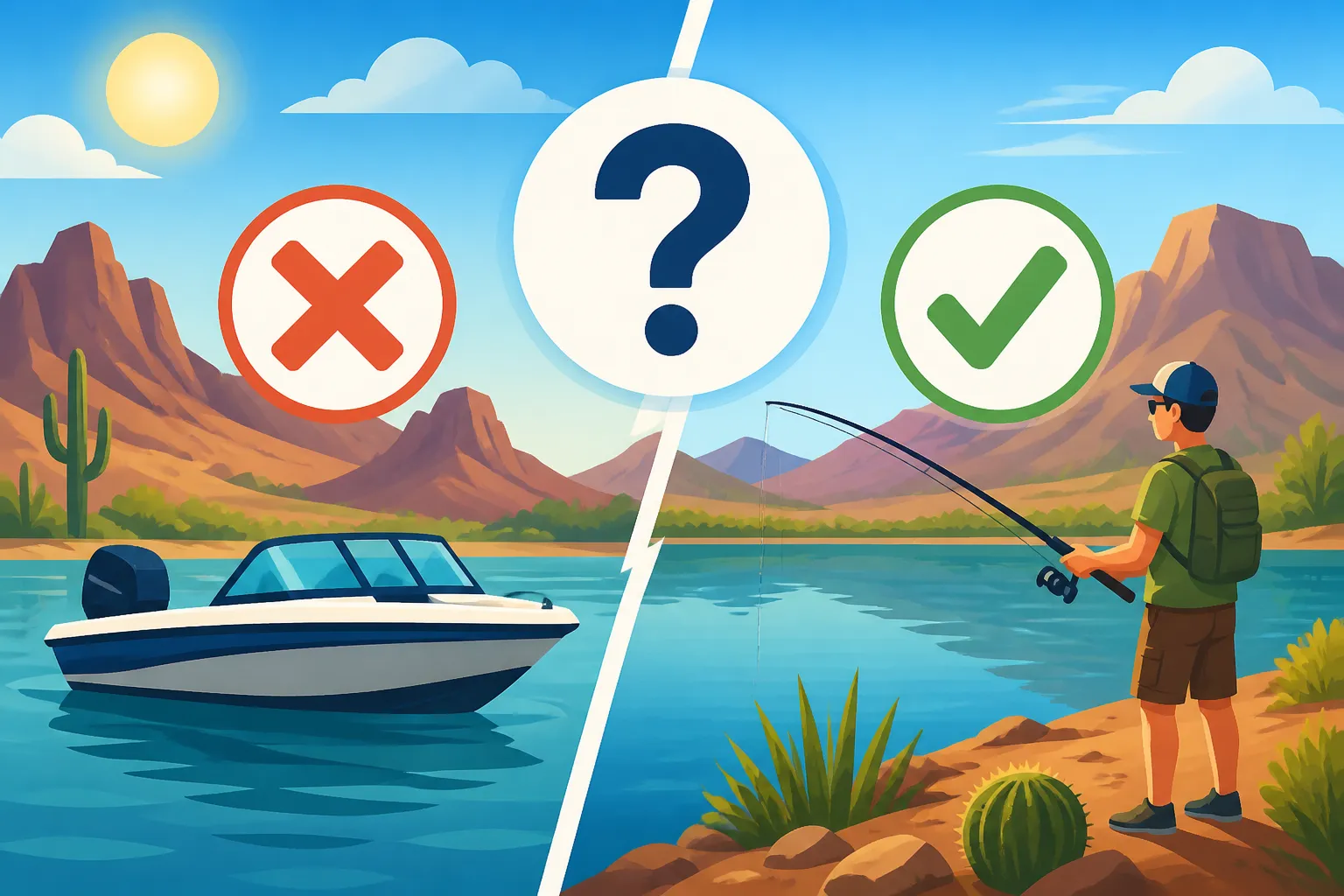
It's a common thought when you picture fishing on Arizona's vast, sparkling lakes: "I probably need a boat for that, right?" Many anglers feel intimidated, believing a hefty investment in a powerboat is a prerequisite to enjoying the state's incredible fisheries. The truth, however, is far more accessible than you might imagine, and this guide is here to show you exactly how to conquer Arizona's waters, with or without a full-blown vessel.
The Myth vs. Reality: Fishing Arizona Without a Boat
For countless aspiring anglers, the idea of needing a boat to truly experience Arizona's fishing scene feels like a giant hurdle. You see images of bass boats roaring across Lake Pleasant or cruisers gliding on Lake Powell, and it's easy to assume that's the only way to get a line wet. This perception can be a real barrier, making people think that if they don't have thousands of dollars for a boat, trailer, and all the associated gear, they're out of luck. But let me tell you, that's simply not the case. Arizona offers a wealth of fantastic fishing opportunities that are perfectly accessible to those on foot, or with much smaller, more budget-friendly watercraft.
Bank Fishing Basics: Accessibility and Simplicity
Bank fishing is the ultimate equalizer in the Arizona fishing world. It requires minimal gear, often just a rod, reel, and a small tackle box, making it an incredibly affordable entry point for anyone. Imagine spending a peaceful morning at one of the Best Urban Fishing Lakes in Arizona or casting from the shore of a larger reservoir without the hassle of launching a boat or worrying about fuel costs. This is not only possible but incredibly popular and productive for many anglers. You'll find countless spots carved out by fellow bank anglers over the years, from sandy beaches to rocky outcrops, offering diverse casting opportunities.
The beauty of bank fishing lies in its simplicity and accessibility. You can literally drive up to many lakes, park your car, and walk a short distance to a prime fishing spot. Think about places like Tempe Town Lake, various community fishing ponds in Phoenix and Tucson, or even designated shoreline access areas at larger lakes like Canyon Lake or Saguaro Lake. These spots are often stocked regularly by the Arizona Game and Fish Department, particularly with trout in the cooler months, providing consistent action for those fishing from shore. You don't need fancy electronics to find fish; often, looking for structure like submerged brush, rock piles, or shaded areas near docks is enough to put you on fish.
Kayak and Small Craft: Bridging the Gap
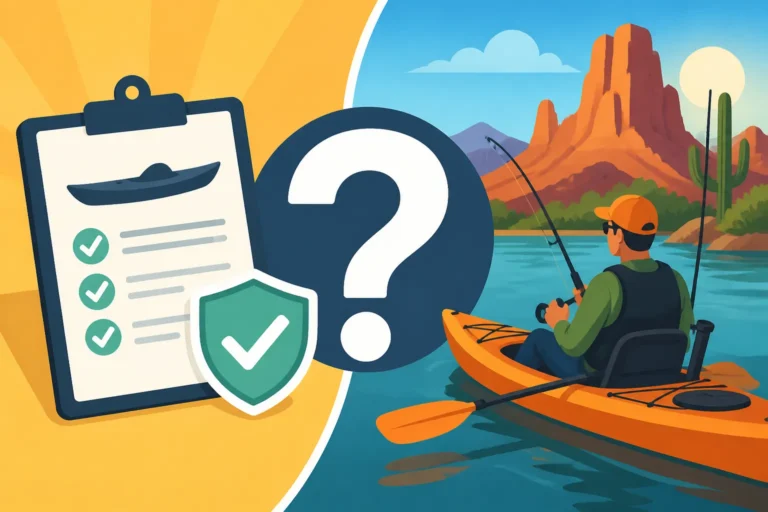
While not strictly "boat-less," incorporating a kayak, canoe, or even a float tube significantly expands your fishing horizons without requiring the investment or maintenance of a traditional motorboat. These smaller watercraft offer an incredible balance of portability, affordability, and access. You can often launch them from unimproved access points where larger boats can't go, allowing you to reach secluded coves, quiet backwaters, and stretches of shoreline that remain untouched by the masses.
Consider the flexibility a kayak provides. You can easily transport one on the roof of your car or in the bed of a truck, eliminating the need for a trailer. Once on the water, you can quietly paddle into areas teeming with fish, often getting much closer to the action without spooking them. This stealth factor is a huge advantage, especially when targeting wary bass or crappie hiding in submerged timber. Many modern fishing kayaks are incredibly stable, equipped with rod holders, storage compartments, and even platforms for standing to cast, making them highly effective fishing machines. Check out resources like Best Kayaks for Fishing in Arizona if you're curious about different models and what might suit you.
Unlocking Arizona's Shoreline Opportunities
Arizona's diverse aquatic environments, from bustling urban ponds to sprawling desert reservoirs, offer a surprising array of shoreline fishing potential. You might not have the mobility of a bass boat, but with the right approach and a keen eye for fish-holding structure, you can have incredibly rewarding days without ever stepping foot in a motorboat. It's about understanding the specific dynamics of each type of water body and adapting your techniques accordingly.
Targeting Community Lakes and Urban Ponds
Arizona's Community Fishing Program is a gem for shore anglers. These lakes, scattered across metropolitan areas like Phoenix, Tucson, Mesa, and Glendale, are specifically designed for easy public access and regular stocking. They're often surrounded by parks, making them perfect for a family outing or a quick fishing trip after work. The Arizona Game and Fish Department Community Fishing Program Stocking Season in Arizona ensures a steady supply of catchable fish, including rainbow trout in winter and catfish and sunfish in warmer months. You don't need to be an expert to catch fish here; simple baits like corn, worms, or powerbait often do the trick.
When you're at a community lake, look for areas with cover. Docks, submerged vegetation (if present), culverts, and shaded spots are all magnets for fish. Even a slight drop-off near the bank can hold fish. Techniques are usually straightforward: a simple bottom rig with a weight and hook, or a bobber rig to suspend your bait at various depths. These lakes are excellent for beginners and kids, offering a high chance of success and a low barrier to entry. They're the perfect places to hone your skills before venturing to larger, more challenging waters. For more specific advice, take a look at How to Fish a Community Lake for Beginners.
Large Reservoirs: Finding Your Shoreline Sweet Spots
Fishing the shores of Arizona's vast desert reservoirs like Lake Pleasant, Roosevelt Lake, or Canyon Lake might seem daunting without a boat, but it's entirely feasible and often highly productive. While boats can access the entire lake, many species, especially bass, crappie, and catfish, will hug the shoreline structure, making them accessible to bank anglers. The key here is scouting and understanding the terrain.
Look for points, coves, submerged rock piles, brush, and ledges. These are natural fish highways and ambush points. On a big lake, this might mean a bit more hiking or exploring to find those prime spots, but the reward can be substantial. Early mornings and late evenings are often the most productive times, as fish move shallower to feed. For example, at Lake Pleasant, casting from the rocky banks near the main coves can yield largemouth and even striped bass. At Roosevelt Lake, exploring the myriad of coves and creek channels that feed into the main body can reveal hidden gems for crappie and bass. Using lures that mimic baitfish or crawfish, like crankbaits or soft plastics, can be very effective. A good pair of polarized sunglasses will help you spot submerged structure and even cruising fish from the bank. Bass Pro Shops and Amazon are great places to check out a wide variety of fishing sunglasses.
When a Boat Really Helps (But Isn't Always Required)
Let's be real, there are undeniable advantages to having a boat on Arizona's larger bodies of water. It opens up a whole new world of possibilities, from chasing open-water species to targeting deep-water structure that's simply out of reach from shore. However, it's crucial to understand that these benefits don't make a boat required for a successful fishing trip. Instead, they enhance the experience and provide options for specific fishing scenarios or techniques.
Accessing Remote Coves and Deep Water Structure
The primary benefit of a boat, especially on massive lakes like Lake Powell or Roosevelt Lake, is the ability to cover vast distances and access remote areas. Many of the most pristine and productive fishing spots, such as secluded canyons, quiet coves, and untouched points, are simply too far or too difficult to reach from public shore access points. A boat allows you to explore these hidden gems, often finding less pressured fish that are more willing to bite.
Furthermore, a boat is invaluable for targeting deep-water structure. Fish, especially bass and crappie in the hotter months, will often retreat to cooler, deeper water, congregating around submerged humps, ledges, old creek beds, and standing timber. With a fish finder and a boat, you can pinpoint these structures, position your boat directly over them, and present baits precisely where the fish are holding. This is a game-changer for techniques like deep jigging or drop-shotting for elusive smallmouth bass at depths that are impossible to cast to from the bank. While shore anglers can certainly catch fish, the boat angler gains the advantage of reaching fish regardless of their depth preference.
Advanced Techniques and Covering More Water
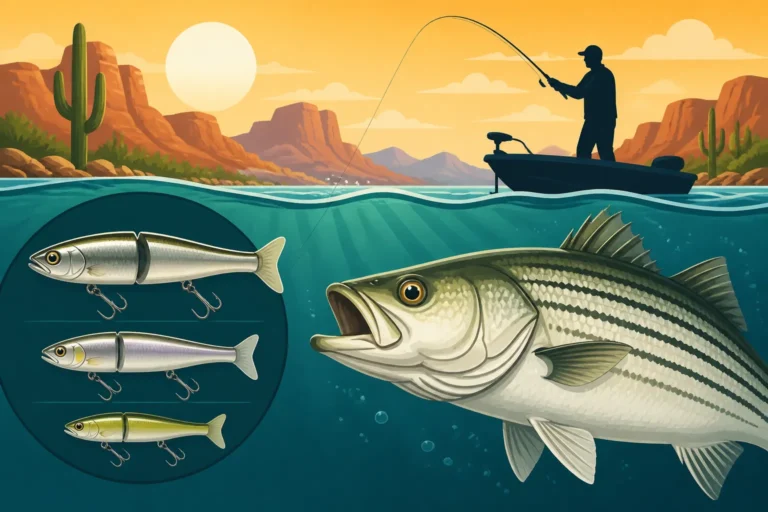
A boat allows for a wider array of fishing techniques and strategies. Trolling, for instance, is highly effective for covering large expanses of water and finding active schools of fish, particularly striped bass on lakes like Lake Powell or Lake Pleasant. You can drag multiple lines with different lures or baits at varying depths, increasing your chances of finding what the fish are biting on. This simply isn't an option for a bank angler.
Moreover, if you're chasing active fish, like when striped bass are schooling and "boiling" on the surface, a boat lets you quickly move to the action. These boils are often short-lived and can pop up unexpectedly across a large area. Without a boat, you'd be a spectator, but with one, you can motor over, cast into the frenzy, and experience some truly exhilarating fishing. Even for bass fishing, a boat allows you to quickly hop from one promising point or cove to another, systematically working the entire shoreline and significantly increasing the amount of water you can effectively fish in a day. For those interested in expanding their techniques, consider looking into Best Bass Fishing Techniques for Arizona Lakes or How to Fish for Striped Bass.
Alternative Watercraft and Resources for the Boat-Averse Angler
So, you've decided a big motorboat isn't in your immediate future, but you still want to get out on the water beyond the immediate shoreline. Fantastic! Arizona has plenty of options to help you do just that. There's a whole spectrum of choices between strictly bank fishing and owning a personal cruiser, ensuring everyone can find a way to enjoy the incredible fishing opportunities here.
Rental Options and Guided Trips
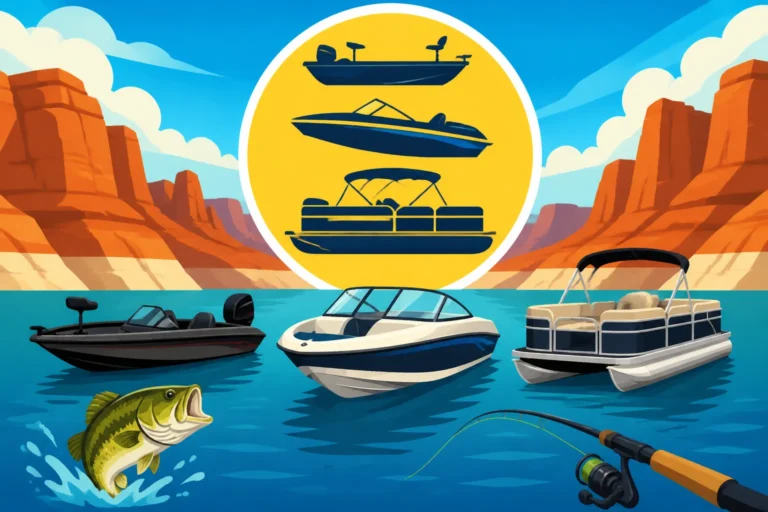
One of the best ways to experience Arizona's larger lakes from the water, without the commitment of ownership, is through boat rentals. Many marinas on popular lakes like Lake Pleasant, Roosevelt Lake, Canyon Lake, and Lake Havasu offer a variety of watercraft for rent, from small fishing boats with outboard motors to pontoon boats perfect for a family day on the water. This allows you to explore more territory, reach those deeper spots, and try out new techniques for a fraction of the cost of buying a boat. You typically rent for a half-day or full-day, and you'll need to be familiar with basic boating safety, but it's a great way to "test the waters" (pun intended!). For a list of places to inquire, search for Boat Rental Options at Arizona Marinas.
If you want the full boat experience but prefer to leave the navigation and fish-finding to a pro, consider booking a guided fishing trip. Arizona boasts numerous professional fishing guides who operate on the major lakes. They provide the boat, all the necessary gear, and most importantly, their expert knowledge of the local waters and fish behavior. A guided trip is an invaluable learning experience, teaching you about the best spots, effective techniques, and seasonal patterns, all while putting you on fish. It's an investment, but one that can significantly shorten your learning curve and provide an unforgettable day on the water. You can find guides specializing in various species and lakes, such as those offering Guided Fishing Trips on Lake Powell or Guided Fishing Trips on Roosevelt Lake.
Essential Gear for the Boatless Angler
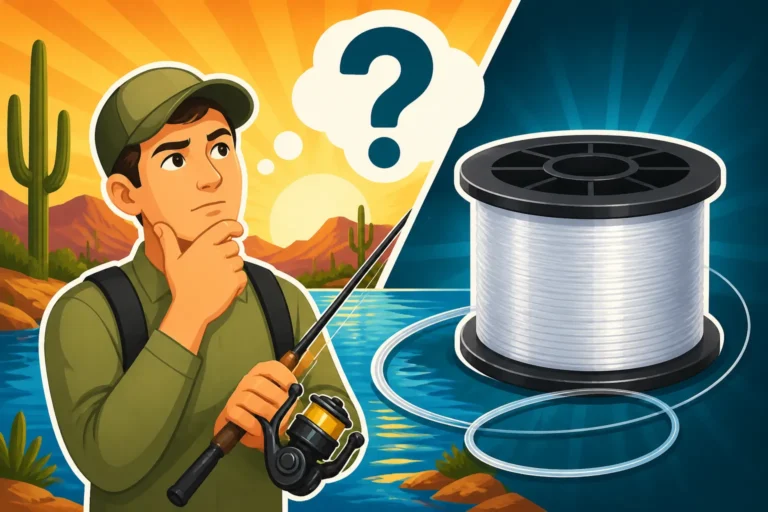
Even without a boat, having the right gear can make a huge difference in your success and enjoyment. For bank fishing, a good, versatile spinning rod and reel combo is paramount. A medium-action rod, typically 6'6" to 7' long, is a great all-around choice for casting various baits and lures. Load it with 8-12 lb monofilament or fluorocarbon line, or even braided line with a fluorocarbon leader for sensitivity and strength.
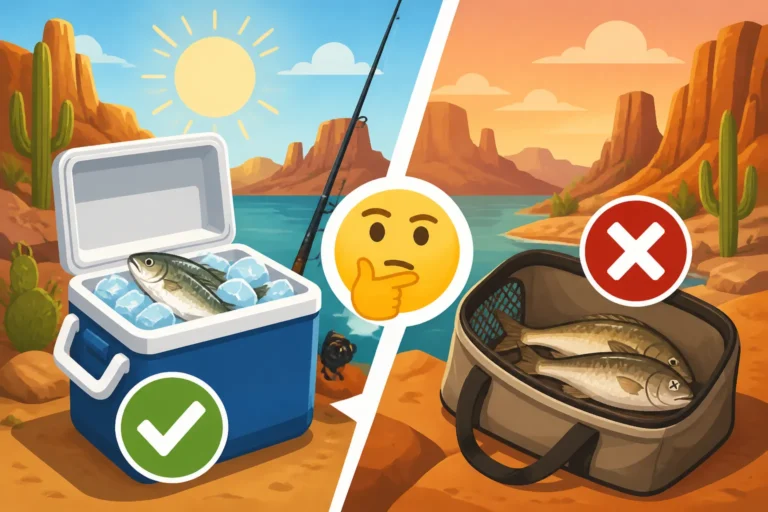
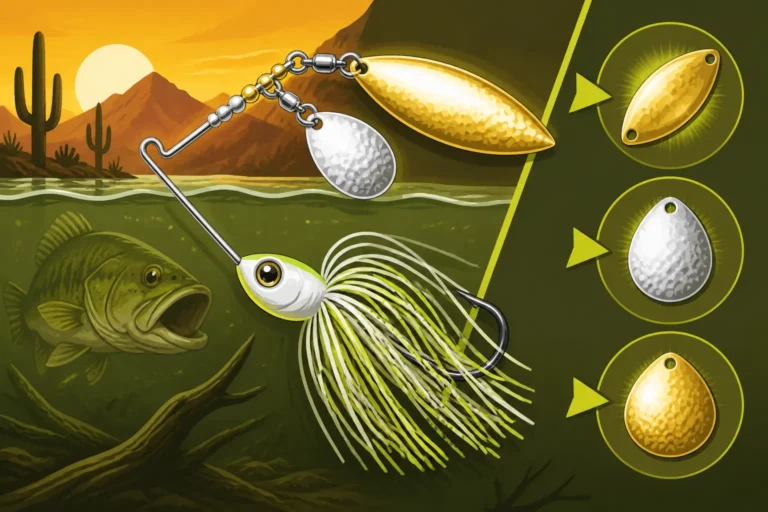
Your tackle box, even if small, should be well-stocked. For community lakes, essentials include hooks (size 6-10), sinkers (split shot and egg sinkers), bobbers, and a selection of baits like PowerBait, worms, and corn. For larger reservoirs, expand your lure selection to include crankbaits, soft plastic worms, jigs, and spinnerbaits that mimic the local forage. Don't forget a pair of pliers for hook removal, a small measuring tape, and a stringer or cooler for keeping your catch fresh. A comfortable backpack for carrying your gear, a wide-brimmed hat, sunscreen, and plenty of water are also non-negotiables in the Arizona sun. You can find a vast array of these items at stores like Bass Pro Shops or through online retailers like Amazon, ensuring you're well-equipped for your next adventure. Many helpful articles, like Essential Tackle Box Setup for Arizona Beginners, can guide you in building your kit.
Ultimately, whether you need a boat to fish Arizona lakes depends entirely on your fishing goals and preferences. For a casual, accessible, and often very productive experience, no boat is needed. For those wanting to explore further, target deep-water fish, or employ specialized techniques, a boat certainly helps – but even then, rentals and guides provide excellent alternatives. The most important thing is to get out there and enjoy the incredible angling opportunities Arizona has to offer!
Disclaimer
This article is for general informational purposes only and does not constitute professional advice. Laws, prices and regulations vary by location and change over time. Consult a qualified professional for guidance on your specific situation.