Best Fishing Backpacks for Hikers
There's nothing quite like the feeling of lacing up your hiking boots, slinging a pack over your shoulder, and heading out into Arizona's incredible backcountry with a fishing rod in hand. But if you've ever tried to cram a bulky tackle box, extra reels, and enough water for a desert trek into a regular hiking pack, you know the struggle is real. It's a clumsy, uncomfortable mess that often leaves you feeling more frustrated than refreshed. This guide is all about helping you ditch that awkward setup and discover the perfect fishing backpack designed specifically for anglers who love to hit the trails, ensuring your gear is organized, accessible, and comfortable, no matter how far off the beaten path you go.
Why a Dedicated Fishing Backpack for Hikers?
It might seem like a small detail, but for those of us who combine our love for hiking with our passion for fishing, the right backpack isn't just a convenience; it's a game-changer. Imagine scrambling down a rocky trail to a pristine stream in the White Mountains or trekking through the saguaros to a hidden desert pond. Your gear needs to work with you, not against you.
The Limitations of Regular Backpacks
Think about your standard hiking backpack. It's designed for clothes, food, camping gear, maybe a camera – soft, often bulky items. It has large main compartments, perhaps a few external pockets, and often a hydration sleeve. While great for camping or a long day hike, it falls short when you introduce the odd shapes and sharp edges of fishing tackle. Hooks get snagged in mesh, reels clang against water bottles, and finding that one specific lure often means emptying half your pack onto the dirt. There's no dedicated space for fragile items like extra spools of line or delicate flies, and wet waders or a caught fish can quickly contaminate everything else inside. You might even find yourself leaving essential fishing tools behind just to make room.
Regular backpacks also lack the specific organizational elements that make an angler's life easier. There are no D-rings for attaching tools, no elastic loops for securing rod tubes, and definitely no quick-access pockets designed for lure boxes or bait. You end up improvising, stuffing things into side pockets or strapping them externally, which can lead to lost gear or damage on a tough trail. The frustration of rummaging for a pair of pliers when a fish is flopping on the bank can really put a damper on an otherwise perfect outing.
The Downsides of Traditional Tackle Boxes
On the flip side, we all know the traditional hard-sided tackle box. It's fantastic for keeping things organized in a boat or even for a short walk from the car to a pier. But try carrying one of those bad boys for a mile or two, especially on uneven terrain. They're clunky, unwieldy, and absolutely not designed for ergonomic comfort. The handles dig into your hands, they bounce awkwardly against your leg, and they completely throw off your balance, making precarious stream crossings or steep ascents even more dangerous.
Even soft-sided tackle bags, while a bit more forgiving, still suffer from similar issues. They often have a single shoulder strap, which quickly becomes uncomfortable and uneven on a long hike. Their shape isn't conducive to being carried over long distances, and they rarely integrate with a larger hiking pack in a practical way. You're left trying to juggle multiple bags, or worse, making multiple trips to the car. For serious hike-in fishing, a traditional tackle box simply isn't a viable solution; it's an anchor rather than an asset.
The Hybrid Advantage: Marrying Comfort and Function
This is where the dedicated fishing backpack for hikers truly shines. These packs are designed as a thoughtful fusion of hiking comfort and angling functionality. They offer padded shoulder straps, breathable back panels, and sometimes even hip belts, just like a good hiking pack, ensuring that your load is distributed evenly and comfortably for miles on the trail. This focus on ergonomics is crucial when you're navigating rough Arizona terrain, especially if you're carrying water, food, and other essentials for a full day.
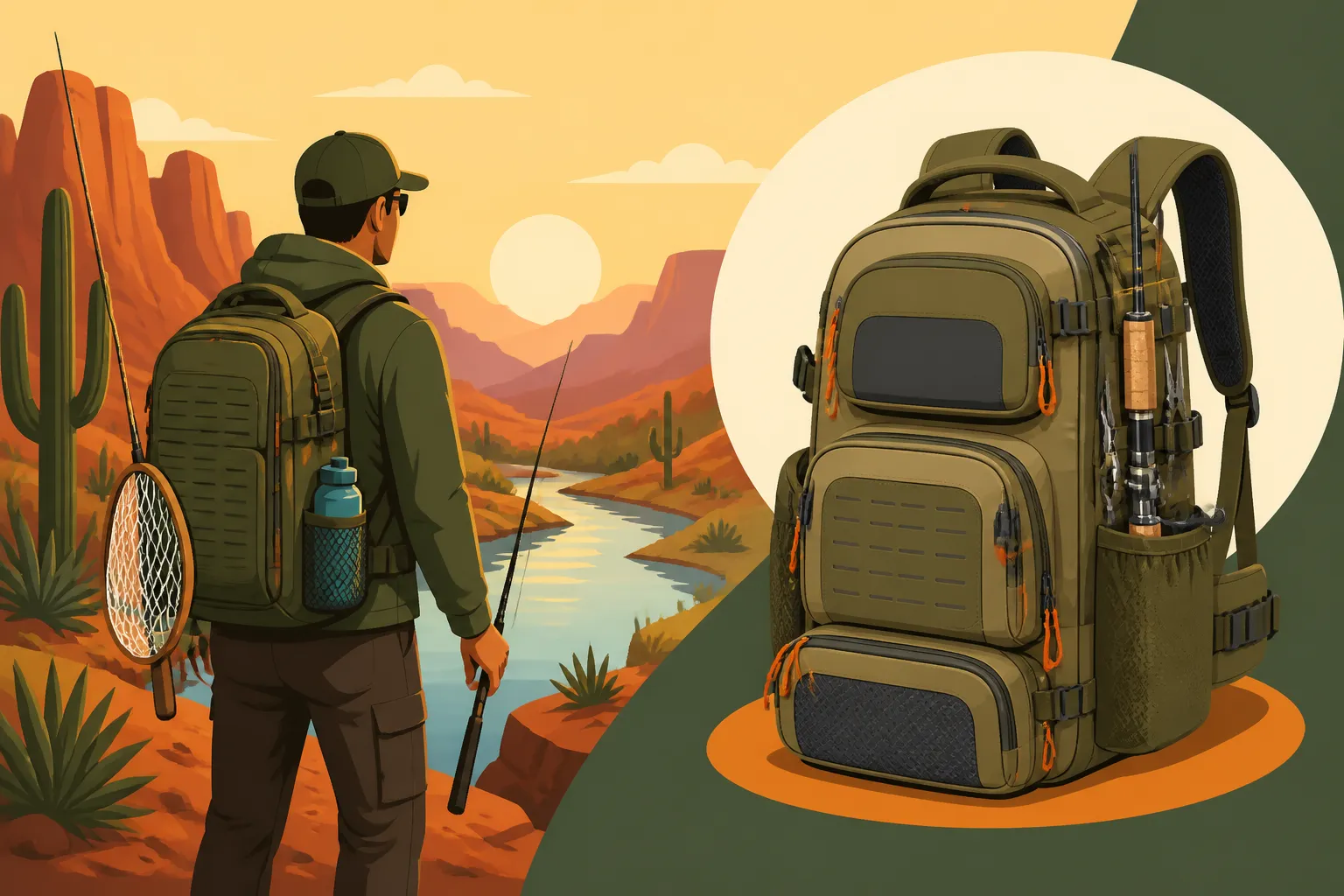
Beyond comfort, these packs integrate features specifically for fishermen and women. You'll find internal dividers or modular compartments that fit tackle trays perfectly, often with drainage holes for wet gear. External pockets are strategically placed for quick access to often-used items like line clippers, forceps, or a small bait container. Many include external rod tube holders, allowing you to secure your rod without it interfering with your stride or getting snagged on branches. Some even come with waterproof or water-resistant compartments to protect electronics or a lunch from an unexpected splash or a sudden monsoon shower. It's about having everything you need, precisely where you need it, without sacrificing comfort or safety on the hike.
Key Features to Look For in a Fishing Backpack
When you're out there, whether it's navigating the dense brush along the Salt River or clambering over rocks to reach a remote stretch of water, your backpack needs to be an extension of you, not a burden. Choosing the right one means focusing on a few critical features that combine comfort, organization, and durability.
Comfort and Ergonomics for Long Hikes
Let's be real: if it's not comfortable, you won't use it. Arizona's trails can be unforgiving, with uneven surfaces, steep climbs, and long distances under a hot sun. A fishing backpack built for hikers must prioritize wearer comfort. Look for generously padded shoulder straps that are wide enough to distribute weight without digging in. Adjustable sternum straps are crucial for stabilizing the load and preventing chafing, especially on descents. A padded hip belt is non-negotiable for longer treks, as it transfers a significant portion of the pack's weight from your shoulders to your hips, greatly reducing fatigue.
The back panel is another key area. Many high-quality hiking-oriented fishing backpacks feature breathable mesh or channeled padding to promote airflow, preventing that sweaty, uncomfortable feeling against your back. This is particularly important in Arizona's warmer months. Some packs even offer adjustable torso lengths, allowing you to fine-tune the fit to your specific body shape. Before committing, consider trying on a pack, if possible, with some weight in it. Walk around, bend over, simulate a bit of scrambling. You'll quickly feel if the ergonomics are right for your adventures. Remember, a comfortable pack means more energy for fishing!
Storage and Organization for Tackle
This is where a fishing backpack truly distinguishes itself from a general hiking pack. You need smart solutions for all those lures, lines, tools, and accessories. Look for packs that come with, or are designed to perfectly fit, standard tackle trays (often referred to as Plano-style boxes, though many brands like Bass Pro Shops offer their own versions). Multiple compartments are ideal, allowing you to separate hard baits from soft plastics, or trout gear from bass gear. Some packs feature a main compartment that opens wide for easy access to these trays, or even a drop-down front panel for a "workstation" feel.
Beyond the main tackle storage, consider smaller, specialized pockets. Zippered mesh pockets inside can hold leaders, spools of line, or terminal tackle. Exterior pockets with secure closures are great for quick-access items like a multi-tool, headlamp, or a small first-aid kit. D-rings and external loops are invaluable for attaching items like zingers, net retrievers, or a small pair of fishing pliers, keeping them at arm's reach without having to open the pack. Some packs even have dedicated, fleece-lined pockets for sunglasses or a phone, preventing scratches. The goal is to have a place for everything, so you spend less time searching and more time fishing.
Durability and Weather Resistance
Arizona's environment can be tough on gear, from abrasive rocks and thorny bushes to sudden, intense monsoon rains. Your fishing backpack needs to be built to withstand it. Look for materials like ripstop nylon or heavy-duty polyester, often with a denier rating (higher numbers indicate thicker, more durable fabric). Reinforced stitching at stress points, robust zippers (YKK is often a good indicator of quality), and sturdy buckles are all signs of a pack that will last.
Weather resistance is also critical. While a fully submersible pack might be overkill for most hike-in anglers, a water-resistant design is a must. Many packs feature a durable water repellent (DWR) coating on the fabric, which helps shed light rain. For heavier downpours or accidental splashes, a built-in or included rain cover is a huge bonus. Some compartments might even be completely waterproof, offering peace of mind for storing sensitive electronics like a phone or a Best Fish Finders Under $300. Consider if there are drainage grommets in bottom compartments where wet gear might be stored, preventing water from pooling and mildew from forming. You don't want a sudden shower ruining your day or your expensive gear when you're miles from the trailhead.
Types of Fishing Backpacks for Different Hiking Styles
Just like there are different fishing techniques and different types of hikes, there are different styles of fishing backpacks tailored to various angling adventures. Choosing the right one depends on how far you're going, how much you're carrying, and what kind of access you need.
Lightweight Day-Trip Backpacks
For many Arizona anglers, a day trip is the most common adventure. You're heading out for a morning or afternoon of fishing, maybe to one of the Best Urban Fishing Lakes in Arizona or a readily accessible spot along the Lower Salt River. For these excursions, a lightweight day-trip fishing backpack is your best friend. These packs typically range from 15 to 30 liters in capacity and focus on carrying essentials without overburdening you.
They often feature a main compartment for a few tackle trays, a lunch, and a water bottle, along with a few external pockets for quick-grab items. Comfort features like padded shoulder straps and a sternum strap are usually present, but a full hip belt might be minimal or absent to keep the weight down. The emphasis here is on agility and ease of movement. You'll want something that doesn't feel bulky when you're casting or maneuvering through tight spots. Many designs are streamlined, reducing snag points on brush. Think about the Best Fishing Backpacks for Hikers that allow you to bring enough lures for the day, a small first aid kit, sunblock, and plenty of water, without feeling like you're carrying a full camping setup. These are perfect for those spontaneous trips or when you know the hike isn't overly strenuous but still requires hands-free transport of your fishing gear.
Multi-Day Expedition Backpacks
Now, if your fishing dreams involve truly getting away from it all – perhaps a multi-day backpacking trip into the remote White Mountains for some native trout, or exploring the lesser-known side canyons of Lake Powell – then a multi-day expedition fishing backpack is what you need. These are serious pieces of gear, often upwards of 40 liters and sometimes much larger, designed to carry not only your fishing tackle but also camping gear, extra clothing, food, and enough water for extended periods.
These packs borrow heavily from traditional backpacking designs, featuring robust internal or external frames for heavy load support, fully adjustable suspension systems, and thickly padded hip belts that distribute weight effectively. Crucially, they integrate fishing-specific storage in a way that doesn't compromise their core backpacking function. This might include large, dedicated compartments for multiple tackle trays, external lash points for rod cases or nets, and perhaps even a separate wet compartment for waders or a stringer of fish. Brands like Orvis or similar outdoor gear specialists often offer these types of high-capacity, durable options. They are built to endure prolonged exposure to the elements and rough handling, providing the resilience needed for true wilderness angling adventures. Preparing for such a trip also means considering a detailed Fishing Gear Checklist for Desert Lakes.
Sling Packs and Chest Packs for Quick Access
Sometimes, a full backpack is simply too much, or you need even faster access to your gear. This is where sling packs and chest packs come into play, often used in conjunction with a smaller day pack or as standalone options for very short, highly mobile trips. While not strictly "backpacks," they serve a similar purpose for specific types of hike-in fishing.
Sling packs are worn over one shoulder and across your back, allowing you to easily swing them around to your front for instant access to tackle without taking the pack off. They're fantastic for wade fishing in rivers like the Lower Salt, where you're constantly moving and need to quickly change lures or access tools. They typically hold one or two small tackle trays, some leader material, and a few essentials. Chest packs, on the other hand, are worn on the front, offering unparalleled quick access. They're smaller, often designed to hold just a fly box, a few spools of tippet, and tools. Many fly fishermen find them indispensable for keeping frequently used items right at their fingertips. While they don't carry the bulk of a backpack, they excel in scenarios where mobility and instant access are paramount. They can also be a great secondary storage option for your most critical items, even when you're carrying a larger backpack.
Essential Considerations Beyond the Backpack Itself
Choosing the right fishing backpack is a big step, but it's not just about the bag itself. How you outfit it, what accessories you bring, and how you think about carrying certain items can make or break your trip, especially in the unique conditions of Arizona.
Hydration Systems and Water Storage
In Arizona, hydration isn't just a suggestion; it's a survival imperative. Whether you're fishing at Lake Pleasant in the summer or a mountain stream in the spring, you need ample water. Most good hiking-oriented fishing backpacks will have a dedicated sleeve for a hydration reservoir (often called a bladder), usually accessible from the top or back. This allows you to drink easily via a tube without stopping or fumbling for a bottle. Look for packs that can accommodate at least a 2-liter, and preferably a 3-liter, reservoir, especially for longer hikes in the desert heat.
Beyond the bladder, external mesh pockets for water bottles are also incredibly useful. They provide easy access to extra water, or allow you to carry an electrolyte drink separately. Remember, if you're exploring remote areas, water sources might be scarce or unreliable, so carrying more than you think you need is always a wise choice. Consider bringing a water filter or purification tablets as a backup for any unexpected situations. Staying properly hydrated will keep your energy levels up, your mind sharp, and your fishing experience much more enjoyable.
Rod Holders and External Attachments
One of the biggest challenges for hiking anglers is safely and conveniently carrying a fishing rod. A good fishing backpack will address this. Look for external rod holders, which can take various forms. Some packs have vertical sleeves or straps on the side that securely hold a cased or even an uncased rod blank, keeping it out of your way while hiking. Others feature horizontal straps that can secure a collapsed telescopic rod or a multi-piece rod tube.
Beyond rod holders, look for a variety of external attachment points. D-rings, gear loops, and daisy chains (loops of webbing sewn onto the pack) are incredibly versatile. You can use them to clip on a landing net with a magnetic release, attach a pair of wading boots (if they're wet and you don't want them inside the pack), or secure a camera case. Some packs even have dedicated loops for fly fishing nets or tools. The ability to customize your external carry allows you to keep bulkier or frequently accessed items on the outside, freeing up interior space and making your gear more readily available. This is particularly useful when exploring varied terrain where you might need quick access to different tools.
The Importance of a Well-Organized Interior
While external features are great for certain items, the interior organization of your fishing backpack is paramount for keeping your tackle safe and manageable. Imagine you're at a remote spot on Roosevelt Lake Arizona Fishing Guide, and you need a specific lure. A well-designed interior means you don't have to dump everything out. Look for packs with internal dividers, either fixed or removable, that create distinct compartments for tackle trays, bait containers, and other essentials. Some come with a system of adjustable shelves or modular cubes that allow you to customize the internal layout.
Dedicated pockets inside for leader material, extra spools of line, a small tackle binder, or even a compact first-aid kit can be incredibly helpful. If you carry a camera or other electronics, a padded, secure pocket is a huge plus. Some packs even incorporate bright interior lining colors, making it easier to see small items in low light conditions. The goal is to maximize every inch of space while keeping everything contained and protected. A chaotic interior leads to lost time, lost gear, and ultimately, a less enjoyable fishing experience.
Top Tips for Packing Your Fishing Backpack for a Hike
Having the best fishing backpack for your hiking adventures is only half the battle. How you pack it can dramatically impact your comfort, safety, and efficiency on the trail and by the water. A poorly packed bag can quickly turn a scenic hike into a miserable slog.
Weight Distribution and Balance
This is perhaps the most crucial aspect of packing any backpack, especially one you'll be hiking with over uneven terrain. The general rule of thumb is to keep heavier items closer to your back and centered, roughly between your shoulder blades. For a fishing backpack, this might mean your tackle trays, extra reels, or a full water bladder. Lighter, bulkier items like extra clothing or a lunch can go towards the top or bottom, and any compressible items can fill in gaps.
Avoid packing all your heavy gear at the very bottom or, worse, swinging far from your body. This will throw off your center of gravity, making you more prone to stumbling and causing unnecessary strain on your shoulders and lower back. Use compression straps, if your pack has them, to cinch down the load and prevent internal shifting. A stable, well-balanced pack moves with you, not against you, allowing you to navigate steep sections or precarious stream crossings with greater confidence. Practice packing your bag before a big trip to get a feel for how different loads affect your comfort.
Prioritizing Essential Gear
When you're combining hiking and fishing, space and weight are always at a premium. It's easy to overpack, bringing "just in case" items that you never use. Before every trip, think critically about what you truly need. For fishing, this means selecting tackle that's appropriate for the species you're targeting and the water you'll be fishing, rather than bringing your entire tackle collection. If you're going for Rainbow Trout Fishing Guide for Arizona in a clear mountain stream, you likely won't need heavy bass jigs.
Beyond tackle, prioritize safety and comfort essentials. This includes sufficient water and snacks, a first-aid kit, sun protection (hat, sunscreen, sunglasses – crucial in Arizona!), a headlamp, a knife or multi-tool, and a way to communicate in an emergency. Depending on the length and remoteness of your hike, you might also consider a map, compass, or GPS device, especially in areas with tricky navigation. Remember that less is often more when hiking. Each item should earn its place in your pack. Before you leave, check out resources like Boating Safety Gear Requirements in Arizona to ensure you're prepared for any on-water emergencies, even if just shore fishing.
Protecting Your Electronics and Valuables
While you're out enjoying the wild, it's easy to forget about protecting your non-fishing valuables from the elements or accidental damage. Your phone, car keys, wallet, or even a small camera need special attention. Many fishing backpacks will have a small, internal zippered pocket – perfect for keys and a wallet. For phones and other electronics, a waterproof dry bag or a sturdy, padded case is highly recommended. Even if your backpack claims to be water-resistant, an extra layer of protection for electronics is always a good idea, especially given Arizona's unpredictable weather.
Consider using small, clear, zip-top bags to organize and protect smaller items like your fishing license (which you'll need, check out the Arizona Fishing License Guide), cash, or even spare batteries. This keeps them dry and easy to find. If you're carrying a high-value item like a DSLR camera, a separate padded insert or case within the main compartment of your backpack is a smart investment. The goal is to enjoy your trip without constantly worrying about your important items getting wet, lost, or damaged. Taking a moment to properly secure and protect these items before you hit the trail can save you a lot of headache later on.
Where to Find Your Perfect Fishing Backpack
Alright, so you're convinced: a dedicated fishing backpack for hikers is the way to go for your Arizona adventures. But where do you actually find these specialized pieces of gear? You've got a couple of main avenues, each with its own advantages, whether you prefer browsing online or getting a hands-on feel.
Online Retailers and Their Benefits
The internet is, of course, a treasure trove for finding almost anything, and fishing backpacks are no exception. Major online retailers like Amazon offer an enormous selection from countless brands, often at competitive prices. You can easily compare features, read user reviews, and see detailed specifications without leaving your couch. This is a huge benefit when you're trying to weigh the pros and cons of different models, especially for nuanced features like specific tackle tray capacities or hydration bladder compatibility.
Specialized outdoor and fishing online stores are also excellent resources. Many popular fishing brands have their own websites where you can browse their full line of products, including their latest fishing backpacks. These sites often provide more in-depth information, including videos and detailed product shots, which can be helpful. The sheer variety online means you're more likely to find a niche pack that perfectly matches your specific hiking and fishing style, whether you're looking for something ultra-lightweight or a rugged, multi-day hauler. Plus, the convenience of having it shipped directly to your door can't be beat. Just remember to check return policies, especially if you're not sure about the fit or feel of a pack without trying it on first.
Specialty Outdoor and Fishing Stores
While online shopping offers unparalleled selection, there's a lot to be said for visiting a brick-and-mortar store, especially when it comes to something as personal as a backpack. Specialty outdoor gear stores, and dedicated fishing shops like Bass Pro Shops, are fantastic places to get hands-on with different models. You can actually try on the backpack, adjust the straps, and even put some weight in it to get a real feel for its comfort and fit. This is invaluable for assessing ergonomics and ensuring the pack sits correctly on your body, particularly if you have specific fit requirements.
The staff at these stores are often passionate anglers and hikers themselves, and their expertise can be incredibly helpful. They can guide you through the features, offer recommendations based on your planned Arizona fishing adventures, and even provide insights into local conditions or gear preferences. You can also physically compare the quality of materials, inspect the zippers and stitching, and see how your existing tackle trays might fit inside. While the selection might not be as vast as online, the ability to touch, feel, and try before you buy, combined with expert advice, often makes a visit to a specialty store well worth the trip. Plus, it's a great opportunity to pick up other essentials like a Best Cooler Size for a Day of Fishing or some new lures.
Disclaimer
This article is for general informational purposes only and does not constitute professional advice. Laws, prices and regulations vary by location and change over time. Consult a qualified professional for guidance on your specific situation.