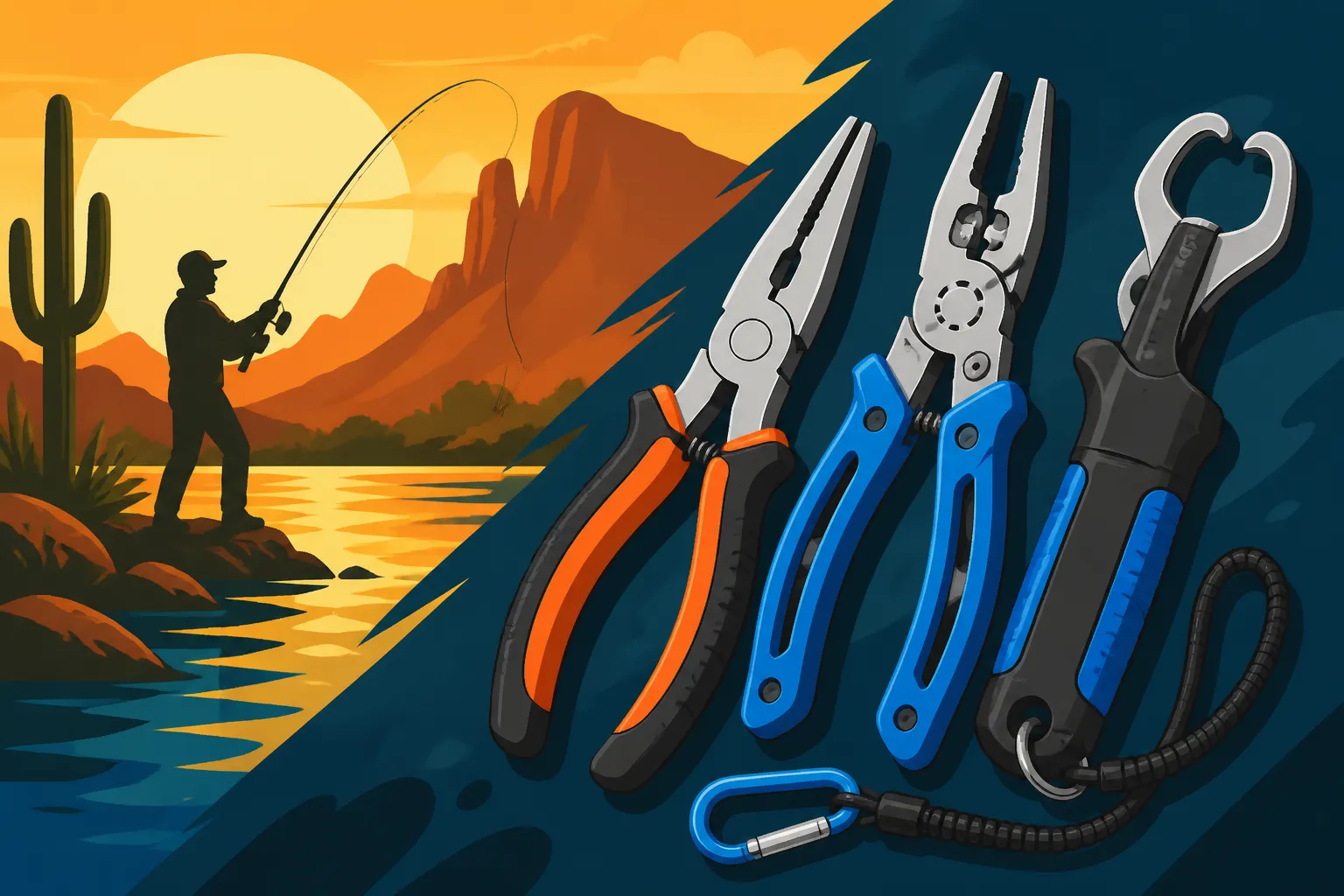
Best Pliers and Tools for Anglers
Let's be real: there are few things more frustrating on the water than wrestling with a deeply hooked fish, trying to cut a stubborn knot with dull teeth, or fumbling for a lost split ring when the bite is on. These moments can turn a great day into a grind. This guide is all about equipping you with the best pliers and tools, transforming those frustrating fumbles into efficient, fish-saving, and often trip-saving moments, ensuring you’re ready for anything Arizona’s diverse waters throw your way.
Why Good Pliers are Non-Negotiable for Arizona Anglers
When you're out on a scorching Arizona lake like Roosevelt or battling currents on the Colorado River, the last thing you want is cheap, flimsy pliers. Good fishing pliers aren't just a convenience; they're a necessity for angler safety, fish welfare, and overall efficiency. Imagine a feisty largemouth bass with a treble hook stuck deep, or a toothy striped bass that just inhaled your bait – trying to remove that hook with your bare hands or inadequate tools is a recipe for injury to both you and the fish. The right pair of pliers protects your fingers, minimizes stress on the fish for a successful release, and makes quick work of tasks like cutting line or crimping sleeves.
The desert environment itself adds another layer to this. Extreme heat can make some materials brittle, while constant exposure to water, even fresh water, can lead to corrosion if your tools aren't built to last. You need tools that can stand up to these conditions, providing reliable service season after season.
The Essential Role of Multi-Purpose Pliers
If you're only going to carry one pair of pliers, a good set of multi-purpose fishing pliers is the workhorse you need. These aren't your grandpa's rusty garage pliers; modern fishing pliers are designed with specific angling tasks in mind. They typically feature serrated jaws for a firm grip, an integrated line cutter, and often a crimping function for those DIY leader setups. Think about being on Lake Pleasant Arizona Fishing Guide and needing to quickly re-rig after a snag, or adjusting a weight on the fly when you find a new depth where the bass are holding. Multi-purpose pliers handle these tasks with ease.
Many anglers initially scoff at the idea of investing in a "fancy" pair of pliers, thinking any old tool will do. But I've seen firsthand how a cheap pair can rust solid after a single trip to the humid Salt River, or bend under pressure when trying to dislodge a hook from a thick-jawed catfish. A quality pair, often made from stainless steel or aluminum with a corrosion-resistant coating, will feel solid in your hand and perform flawlessly when you need it most. They'll cut through braided line like butter, even after countless uses, and provide the leverage you need for stubborn hooks without slipping.
Specialized Pliers: Split Rings and Hook Removers
While multi-purpose pliers are great, there are situations where specialized tools truly shine, making your life infinitely easier and often safer. Two standout categories are split ring pliers and dedicated hook removers. Split ring pliers, with their fine, pointed jaws, are designed to effortlessly open the tiny rings found on lures, allowing you to change out hooks or add swivels without damaging your fingernails or struggling with a knife blade. This is particularly useful if you're frequently experimenting with different treble hooks or replacing dull ones on your favorite crankbaits while chasing stripers at Lake Powell Arizona Fishing Guide.
Dedicated hook removers, on the other hand, are invaluable for fish welfare. These often come in pistol-grip styles or long-nosed versions, allowing you to reach deep into a fish's mouth to extract a hook with minimal damage, especially when you’re practicing catch and release. Imagine a smallmouth bass in a rocky canyon lake like Apache Lake that swallowed your jig; a long hook remover allows you to get that hook out cleanly and quickly, increasing the fish's chances of survival. This is far superior to trying to get your fingers into a fish's mouth, which can stress the fish or even lead to a nasty hook wound for you. They give you the precision and reach necessary for those tricky situations, ensuring a swift and humane release.
Essential Angler Tools Beyond Pliers
While pliers are foundational, a complete angler's toolkit includes a few other indispensable items that can drastically improve your fishing experience, safety, and success on Arizona's waters. These tools cover everything from preparing your catch to staying compliant with regulations. Having them readily accessible means you’re always prepared, whether you’re landing a trophy or simply processing your daily limit.
Line Clippers and Scissors
You might think any old scissors will do for cutting fishing line, but trust me, specialized line clippers and fishing scissors are a game-changer. Modern fishing lines, especially super-strong braided lines, can be incredibly tough to cut cleanly with standard tools, leading to frayed ends that make tying knots a nightmare. Good line clippers or sharp fishing scissors are designed with precision blades that snip through mono, fluoro, and braid with ease, leaving a clean, unfrayed edge every time.
These small, often lanyard-attached tools are perfect for quick trims, removing tag ends, or cutting through tangled messes. I keep a pair clipped to my vest when fly fishing for trout in the White Mountains, and another tucked into my tackle bag for general use on bigger lakes. They save time and frustration, especially when your hands are cold or wet. Many quality multi-purpose pliers also have integrated line cutters, but a dedicated pair of clippers often offers superior performance for braid and can be quicker to grab for minor adjustments. You can find excellent, sharp options at places like Bass Pro Shops or even a quick search on Amazon for "fishing line clippers."
Fillet Knives and Sharpeners
If you plan on keeping your catch – and who doesn't love a fresh fish dinner after a successful day on the water? – a high-quality fillet knife is absolutely essential. A sharp, flexible fillet knife makes cleaning fish much easier, safer, and results in more usable meat. Trying to fillet a fish with a dull or inappropriate knife is not only dangerous but also wasteful. Look for knives with stainless steel blades that resist corrosion, especially since they'll be exposed to fish slime and water. The handle should offer a comfortable, non-slip grip, even when wet.
Along with your fillet knife, a good knife sharpener is equally important. A sharp knife is a safe knife, and even the best blades will dull over time. A handheld sharpener or a small sharpening stone can keep your fillet knife razor-sharp, ensuring clean cuts and efficient processing of your catch. This is particularly important for species like catfish or crappie, which have different bone structures and require precise cuts to maximize the yield. Having a sharp knife ready means you're prepared to clean your fish responsibly and enjoy the fruits of your labor.
Weighing Scales and Measuring Tapes
For the angler serious about records, regulations, or just good old bragging rights, a reliable weighing scale and measuring tape are non-negotiable. Arizona has specific Fishing Bag and Possession Limits Explained for different species, and often size limits as well, making a measuring device crucial for compliance. A good scale will give you an accurate weight of your trophy catch, whether you're trying to break a personal best or hoping for a state record. Digital scales are popular for their precision and ease of reading, often featuring memory functions and tare settings.
Measuring tapes, either soft retractable ones or rigid bump boards, help you ensure your fish meets the legal length requirements before you decide to keep or release it. This is especially vital when fishing for species with strict slot limits, like bass in some Arizona lakes. Imagine catching a magnificent largemouth at Alamo Lake Arizona Fishing Guide and needing to quickly measure it to see if it falls within the legal slot. Having a dependable tape means you can make that decision confidently and quickly, minimizing the fish’s time out of the water. For tournament anglers, these tools are simply part of the uniform, providing verifiable data for their catches.
Choosing the Right Materials and Features for Arizona Conditions
Arizona's fishing environment presents unique challenges. From the intense summer heat on the desert lakes to the often-rocky terrain, your tools need to be tough, durable, and resistant to the elements. Choosing the right materials and features isn't just about getting the job done; it's about investing in tools that will last and perform consistently under harsh conditions, preventing premature wear and frustrating failures when you need them most.
Corrosion Resistance in Desert Waters
While Arizona might be known for its dry heat, water is still water, and even freshwater can lead to corrosion on unprotected tools. Sweat, humidity, and splashes of lake or river water can all contribute to rust, especially if you're not meticulous about drying your gear. This is why corrosion resistance is paramount when selecting fishing pliers and tools. Look for materials like marine-grade stainless steel or anodized aluminum.
Marine-grade stainless steel, often marked as 420 or 440C, offers excellent resistance to rust and pitting, which is crucial for tools that will be constantly exposed to moisture. Anodized aluminum is another fantastic option, as it’s lightweight and forms a protective oxide layer that guards against corrosion. Many high-quality tools also feature special coatings, like titanium nitride, that add an extra layer of protection. Don't compromise here; a rusty pair of pliers can seize up, making them useless when you really need them. Imagine trying to cut a fishing line with rusty, stiff jaws when a big fish is fighting. The small investment in corrosion-resistant materials pays dividends in reliability and longevity, particularly for those frequently fishing the big reservoirs like Roosevelt Lake Arizona Fishing Guide or Saguaro Lake Arizona Fishing Guide.
Ergonomics and Grip for Comfort and Control
Fishing can be a physically demanding activity, and your tools should make it easier, not harder. Ergonomics – how comfortable and efficient a tool is to use – plays a huge role. When you're spending hours on the water, repetitive tasks like unhooking fish or cutting line can lead to hand fatigue if your tools aren't designed well. Look for handles that fit comfortably in your hand, offering a secure, non-slip grip, even when wet or slimy.
Many tools incorporate soft-touch rubber or textured plastic grips that provide excellent purchase, reducing the chance of accidental slips, which can be dangerous when dealing with sharp hooks and knives. The leverage and spring-action of pliers also contribute to their ergonomic design; a good pair should open and close smoothly without requiring excessive force. This is particularly important for tasks requiring fine motor control, like handling split rings, or when you're trying to quickly release a fish without fumbling. Whether you’re fishing the small community ponds or battling the elements on Bartlett Lake Arizona Fishing Guide, comfortable and controllable tools make a real difference in your overall experience and effectiveness.
Size and Portability Considerations
When you’re out on the water, every ounce and every inch of space matters. You don't want to be lugging around a toolbox full of heavy, cumbersome gear. Therefore, considering the size and portability of your fishing tools is key. Will you be carrying them in a tackle box, a fishing vest, a backpack for shore fishing, or mounted on your boat? Smaller, lighter tools are often preferred for kayak fishing or hiking into remote streams.
Many pliers and clippers come with lanyards or sheaths that allow you to keep them readily accessible on your belt or vest, preventing them from falling overboard or getting lost in the bottom of your bag. Think about how you primarily fish in Arizona. If you're Shore Fishing Techniques for Beginners, a compact multi-tool or a small pair of clippers might be all you need. For boat fishing, you might have more space for a larger fillet knife or a more robust pair of pliers. Finding that balance between functionality and portability ensures you have the right tools without being weighed down. A well-organized, compact kit keeps your focus on the fishing, not on searching for a misplaced tool.
Maintaining Your Tools for Longevity
Buying quality fishing tools is only half the battle; proper maintenance is key to ensuring they last for years and perform reliably every time you hit the water. Arizona's environment, though generally dry, still demands vigilance against corrosion and wear. Neglecting your tools can lead to rust, stiffness, and ultimately, failure, which is the last thing you want when you're in the middle of a hot bite. A little care goes a long way in protecting your investment and ensuring your gear is always ready for action.
Cleaning and Drying Routines
After every fishing trip, especially if your tools have been exposed to water, fish slime, or even sweat, a thorough cleaning and drying routine is essential. Start by rinsing your pliers, knives, and other metal tools with fresh tap water to remove any salt, dirt, or debris. For a deeper clean, especially if they're particularly grimy, a mild soap and water solution with a soft brush can work wonders. Pay close attention to hinges, joints, and any serrated edges where grime can accumulate.
Once clean, the most crucial step is thorough drying. Don't just let them air dry; actively wipe them down with a clean, dry cloth. For pliers with joints, open and close them a few times to ensure water doesn't sit in the pivot points. Some anglers even use compressed air to blast water out of hard-to-reach crevices. Allowing tools to remain wet, even slightly, is an open invitation for rust to set in, even on stainless steel. This simple routine, perhaps done while you're cleaning your Best Coolers to Keep Fish Fresh or organizing your tackle, can significantly extend the life of your essential gear.
Sharpening and Lubrication
Sharp tools are safe tools, and smooth-operating tools are efficient tools. Regular sharpening for your knives and lubrication for your pliers are vital maintenance steps. For fillet knives, even the best blades will dull with use. A sharpening stone, a ceramic stick, or a handheld knife sharpener can restore that keen edge. Be sure to follow the manufacturer's recommendations for sharpening angles. A sharp knife cuts cleanly with less force, reducing the risk of accidents and making fish processing a breeze.
Pliers, especially at their pivot points and spring mechanisms, benefit from occasional lubrication. A light coat of a corrosion-inhibiting oil or a specialized fishing reel grease can keep them operating smoothly, preventing stiffness and wear. Avoid using heavy oils or greases that can attract dirt or gum up the works. Just a tiny drop applied to the hinge, then worked in by opening and closing the pliers, is usually sufficient. This simple act keeps the internal mechanisms free from grit and rust, ensuring your pliers respond instantly when you need to cut a tough line or extract a deep hook. This is especially important for tools that might sit in a tackle box between trips.
Proper Storage Techniques
How you store your fishing tools between trips can have a huge impact on their condition. Don't just toss them haphazardly into a damp tackle box with other gear. Proper storage prevents damage, keeps them organized, and minimizes exposure to moisture and corrosive elements. Many pliers and knives come with dedicated sheaths or cases; use them! These protect the blades and jaws from impact, prevent them from dulling against other items, and often include drainage holes or breathable materials to help keep the tools dry.
Consider using desiccant packs (like silica gel packets) in your tackle box or storage containers, especially if you live in a humid area or if your gear sometimes gets stored in a garage where temperatures and moisture can fluctuate. These packets absorb ambient moisture, creating a drier environment for your tools. Storing tools in a cool, dry place away from direct sunlight is also ideal. If you're using a boat for fishing, ensure dedicated storage compartments are dry and well-ventilated. A well-organized tackle bag or box with designated slots for each tool not only keeps them in prime condition but also makes it incredibly easy to find what you need quickly, avoiding frustrating searches when time is of the essence.
Building Your Ultimate Arizona Tackle Tool Kit
Curating the perfect fishing tool kit for Arizona isn't about buying every gadget on the shelf. It's about selecting a practical collection of high-quality, durable tools that address the specific challenges and opportunities presented by Arizona's diverse fisheries. Whether you're a seasoned pro targeting trophy bass or a beginner enjoying a day at a community lake, having the right tools makes all the difference.
Entry-Level Essentials for Beginners
If you're just starting your angling journey in Arizona, don't get overwhelmed by all the options. Begin with a solid foundation of essential tools that will cover most common fishing situations. Your absolute first purchase after your Arizona Fishing License Guide should be a good pair of multi-purpose fishing pliers. Look for a stainless steel or anodized aluminum option with a built-in line cutter. This one tool will handle hook removal, line cutting, and light crimping, making it incredibly versatile. You might find some excellent entry-level options at a place like Bass Pro Shops, where you can feel them in hand, or browse a wide selection with plenty of reviews on Amazon.
Next, add a pair of dedicated line clippers (like a compact, sharp snip) for quick, clean cuts, especially if your pliers' cutter isn't ideal for braid. A small, retractable measuring tape is crucial for ensuring you adhere to Arizona Fishing Regulations Explained regarding fish lengths. Finally, if you plan to keep any fish, a basic but sharp fillet knife will be necessary. These core tools will get you through most beginner scenarios and help you develop good habits on the water.
| Tool Type | Primary Use | Key Features for Arizona |
|---|---|---|
| Multi-Purpose Pliers | Hook removal, line cutting, crimping | Corrosion-resistant (SS/Al), comfortable grip, strong jaws |
| Line Clippers | Quick, clean cuts on all line types | Sharp blades, compact, lanyard attachment |
| Fillet Knife | Cleaning and processing catch | Stainless steel blade, non-slip handle, good edge retention |
| Measuring Tape/Board | Checking fish length for regulations | Durable, clear markings, easy to read |
| Small First-Aid Kit | Treating minor cuts/hook pokes | Waterproof, basic antiseptics, bandages |
Advanced Angler Additions and Specialized Gear
Once you've mastered the basics, you might find yourself needing more specialized tools to tackle specific techniques or species. For anglers targeting aggressive species like striped bass or flathead catfish, a more robust, long-nosed hook remover can be a lifesaver, allowing you to safely reach deep hooks without risking your fingers. If you're frequently changing out hooks on lures, a good pair of split ring pliers becomes indispensable, saving you time and frustration. For those who enjoy fly fishing in Arizona's cooler streams, specific forceps or hemostats are vital for delicate hook removal and knot tying.
Consider a fish gripper if you're handling large, toothy fish; this tool allows you to secure the fish by the jaw for safe handling and photography without direct contact. For serious trophy hunters or tournament anglers, a high-quality digital weighing scale with a reliable memory function is a must-have. Additionally, for safety and compliance, especially if you're boating, ensuring you have Boating Safety Gear Requirements in Arizona covered, including a sturdy multi-tool for emergency repairs, is wise. These advanced tools aren't just luxuries; they are investments that enhance your capabilities and safety on the water.
Smart Storage and Accessibility Solutions
Having the best tools is pointless if you can't find them when you need them or if they're damaged due to poor storage. Smart storage and accessibility are critical. For shore anglers or those hiking to remote spots, a fishing vest with multiple pockets or a dedicated fishing backpack (like options you might find on Amazon or at Bass Pro Shops) keeps essential tools within easy reach. Lanyards are a simple yet effective way to secure pliers and clippers, preventing them from being dropped overboard or lost in thick brush.
For boat anglers, dedicated tool holders, magnetic strips, or small waterproof boxes can keep tools organized and protected. Many boats have built-in compartments, but adding small organizers ensures that items don't just slide around. Consider a separate, small "emergency tool kit" that lives in your boat or vehicle, containing a multi-tool, electrical tape, extra line, and basic repair items. This strategy means your primary fishing tools are always clean and ready for action, while you have a backup for unexpected situations. Thinking proactively about how you store and access your gear makes every fishing trip more enjoyable and efficient.
Disclaimer
This article is for general informational purposes only and does not constitute professional advice. Laws, prices and regulations vary by location and change over time. Consult a qualified professional for guidance on your specific situation.