Do You Need Waders to Fish Arizona Streams?
Oh, the eternal wader dilemma! It’s a question many Arizona anglers wrestle with, especially those new to fishing our diverse waterways or transitioning from lake fishing to streams. You've heard tales of icy mountain creeks and scorching desert rivers, and you're left wondering if that expensive pair of waterproof overalls is truly a necessity or just another piece of gear cluttering your garage. Well, let's dive deep into this, exploring when waders are your best friend, when you can happily leave them at home, and what alternatives might make your Arizona stream fishing experience truly comfortable and productive.
Understanding Arizona's Diverse Stream Environments
Arizona isn't just one big desert, as many folks assume. Our state boasts an incredible variety of aquatic environments, each with its own characteristics that dictate what gear you'll need, including whether or not waders are a good idea. Understanding these differences is key to making the right choice for your fishing adventure.
High Mountain Streams and Alpine Lakes
When you picture Arizona, you might not think of crisp, clear mountain streams tumbling over granite boulders or serene alpine lakes nestled among pines. But head north to places like the White Mountains, near Greer or Show Low, or even higher elevations around Flagstaff, and that's exactly what you'll find. These waters, fed by snowmelt and mountain springs, are cold. Even in the heat of summer, the water temperature rarely climbs above the comfortable range, and in spring, fall, and winter, it can be downright frigid. The bottoms are often rocky, sometimes slick with moss, and the currents can be surprisingly strong. If you plan on doing any serious wading here, getting in past your ankles will quickly lead to discomfort, and without proper insulation, even a short dip can become dangerous. This is prime trout territory, and often, the best spots require you to get into the water to make those perfect casts or to sneak up on wary fish. You'll want to check out some of the Best Trout Fishing Spots in Arizona to get an idea of where these places are.
Desert Rivers and Creeks
Then you have the desert rivers and creeks, like sections of the Salt River or the Verde River, winding through canyons and valleys at lower elevations. These waters present a completely different set of challenges and considerations. While they can still have rocky stretches, you'll often encounter sandy, silty, or even muddy bottoms. The water temperatures, especially in the warmer months, can be much higher, sometimes even bathwater warm, which means getting wet isn't necessarily a chilling experience. However, these environments come with their own unique hazards. Sharp rocks, submerged branches, and even cactus spines can be lurking just beneath the surface, posing a threat to exposed skin and regular shoes. Plus, you might encounter critters you'd rather not share your space with. While the immediate cold isn't the issue, protection and comfort still are. It's a completely different vibe than fly fishing for rainbow trout in a mountain creek; here, you might be targeting bass or catfish.
Seasonal Water Flow and Temperatures
Arizona's weather patterns play a huge role in stream conditions. Our monsoon season, typically from July through September, can dramatically change water levels and clarity in a matter of hours. A gentle stream can become a raging, muddy torrent overnight. Even outside of monsoon, snowmelt in spring, sustained dry periods, or heavy rains can significantly alter a stream's character. Naturally, water temperatures fluctuate wildly throughout the year. Winter fishing in the high country demands warmth, while summer fishing in a lower elevation river might have you begging for a refreshing splash. Being flexible and knowing Arizona Fishing Seasons Explained can help you decide what gear to bring. The same spot you fished in April might be a completely different animal in August or December, making your wader decision a fluid one based on the calendar and current conditions.
When Waders Are Absolutely Essential (or Highly Recommended)
Let's be real: sometimes, trying to tough it out without waders just isn't worth it. There are specific scenarios where investing in and wearing a good pair of waders will drastically improve your comfort, safety, and ultimately, your fishing success.
Cold Weather and Winter Fishing
This is probably the most obvious scenario. If you're heading to a mountain stream or river in the colder months – think late fall, winter, or early spring – and you plan on stepping into the water, waders are non-negotiable. Arizona's high country winters are no joke. Water temperatures can hover just above freezing, and prolonged exposure, even just from your knees down, can lead to hypothermia. Even on a sunny day, the combination of cold water and wind can sap your body heat rapidly. Waders, particularly the breathable kind with good layering underneath, provide crucial insulation. They allow you to focus on your fishing, rather than shivering and counting down the minutes until you can get back to shore. For example, if you're trying to hit those specific winter trout stocking spots, you'll likely be grateful for the warmth.
Deep Wading and Accessing Prime Spots
Sometimes, the best fishing spots aren't reachable from the bank. Imagine a deep pool on the far side of a wide, shallow riffle, or a hidden eddy behind a submerged rock structure in the middle of a creek. Waders empower you to cross these shallower sections, get out into the stream, and position yourself exactly where you need to be for that perfect cast. This is especially true for fly fishing, where precise drifts and presentations are paramount. Trying to cast from the bank might mean snagging on bankside vegetation or not being able to reach the fish. Without waders, you might be stuck observing fish in prime holding water that's just out of reach, a frustration no angler enjoys. Having the ability to wade gives you a significant advantage, opening up a whole new world of angling opportunities you'd otherwise miss.
Protection from Abrasions and Critters
Beyond the cold, waders offer a layer of physical protection that's often overlooked. Arizona's stream bottoms can be gnarly. We're talking jagged rocks, sharp gravel, abrasive sand, and sometimes, unfortunate encounters with submerged branches or even broken glass. Walking through these conditions in just shorts and sandals can lead to cuts, scrapes, and bruises that can quickly turn a fun day into a painful one. Furthermore, our warmer desert waters can sometimes harbor things you'd rather not touch directly – think leeches, aquatic insects, or even the occasional snake or sharp-spined fish. While these encounters are rare, having that barrier of protection can provide peace of mind. A good pair of waders, especially when paired with sturdy Wading Boots for River Fishing, gives you the confidence to navigate diverse stream beds without constantly worrying about what's underfoot or brushing against your legs.
When You Might Be Able to Skip the Waders
Now, let's talk about those times when waders aren't strictly necessary, or when an alternative "wet wading" approach can be just as effective, if not more comfortable, especially given Arizona's often warm climate.
Summer and Warm-Water Fishing
When the Arizona sun is blazing and the air temperature is soaring, the last thing many anglers want to do is encase themselves in waterproof material. In the warmer months, especially in lower elevation rivers like the Salt River near Phoenix or the Verde River, the water temperature can be quite pleasant. This is where "wet wading" becomes a fantastic option. Instead of trying to stay dry, you embrace getting wet! Think quick-drying shorts or pants, sturdy water shoes, and maybe even a quick-dry shirt. The cool water can actually be incredibly refreshing, offering a welcome respite from the heat. You'll still need to be mindful of sun protection – this is Arizona, after all! But for many summer outings targeting bass, catfish, or panfish, wet wading is the way to go. Just remember to pack plenty of water and wear a wide-brimmed hat, as Heat Safety Tips for Summer Fishing in Arizona are always crucial.
Bank Fishing and Minimal Water Entry
If your fishing style primarily involves staying on solid ground, or only venturing into the shallowest edges of the water, then waders are probably overkill. Many excellent fishing spots on Arizona's streams and rivers are perfectly accessible from the bank. You might be casting from a sandy beach, a rocky outcrop, or a grassy bank, and only need to step a foot or two into the water to land a fish or untangle a snag. In these situations, comfortable hiking boots or sturdy sandals, combined with appropriate clothing, will serve you just fine. You save yourself the hassle of donning and doffing bulky waders, not to mention the investment. It's all about matching your gear to your fishing approach. If you're targeting areas where you know you won't need to wade past your ankles, don't feel pressured to bring the full setup.
Specialized Situations (Kayak Fishing, Float Tubing)
For anglers who prefer to explore Arizona's waterways from a vessel rather than on foot, waders often become redundant. If you're in a kayak, canoe, stand-up paddleboard, or even a float tube, you're not typically standing in the water for extended periods. Your primary interface with the water is through your craft. In these scenarios, comfortable, quick-drying clothing is usually sufficient. You might still want waterproof gear for splash protection or if you anticipate needing to get out and push your craft in very shallow sections, but full waders are unlikely to be needed. In fact, wearing waders in a small craft like a kayak or float tube can sometimes pose a safety risk if you capsize, as they can fill with water and impede swimming, though modern breathable waders are much less of a hazard than older neoprene styles. Always prioritize Boating Safety Gear Requirements in Arizona and wear a PFD.
Alternatives to Traditional Waders and Important Considerations
Even when you decide against full waders, you still need to be smart about what you wear. Going barefoot or in flimsy flip-flops is almost never a good idea in any natural stream environment.
Wet Wading Gear and Techniques
If you're embracing the wet wading philosophy, your gear choices are still important. Forget cotton – it stays wet forever and can chafe. Instead, opt for synthetic, quick-drying fabrics.
- Quick-Drying Pants or Shorts: Look for nylon or polyester hiking pants or shorts. They shed water quickly, are lightweight, and often offer good sun protection. Some even have convertible legs that zip off for versatility.
- Sturdy Water Shoes or Wading Boots (no waders): This is crucial. You need footwear that offers excellent grip on slippery rocks and protection from sharp objects. Old sneakers might work, but purpose-built wading boots (worn over neoprene socks or directly on your feet if they're comfortable enough) or robust water shoes with thick soles and good toe protection are ideal. Brands like Chaco, Keen, or even some of the specific wading boots offered by Bass Pro Shops can be excellent choices.
- Layering for Comfort: Even if the air is warm, mountain stream water can still give you a chill. Consider wearing a quick-drying base layer if you anticipate being in the water for a while.
- Neoprene Socks: These are a game-changer for wet wading. They provide a little insulation, prevent chafing from your wet shoes, and offer some protection from sand and grit getting into your footwear.
Essential Footwear for Arizona Streams
Regardless of whether you choose waders or wet wading, your feet are your foundation, and proper footwear is paramount. Uneven, rocky, or slippery stream beds demand shoes with superior traction. Look for soles with aggressive tread patterns, often made of felt (though felt is banned in some areas due to invasive species concerns, so always check local regulations) or specialized rubber compounds designed for wet surfaces. Ankle support is also a huge plus, as twisting an ankle on a submerged rock can end your fishing trip quickly. I can't stress this enough: don't skimp on footwear. A good pair of wading boots, even if you wear them for wet wading, is a worthy investment. Wading Boots for River Fishing are designed specifically for these conditions and will provide the best grip and protection.
| Feature | Waders (Chest or Waist-High) | Wet Wading (No Waders) |
|---|---|---|
| Primary Benefit | Warmth, dryness, maximum protection, deep water access | Cooling in heat, freedom of movement, lighter setup, less bulk |
| Ideal Conditions | Cold water, air temperatures, deep wading required, sensitive skin | Warm water, hot air temperatures, shallow wading or bank fishing |
| Footwear | Wading boots (worn over wader booties) | Sturdy water shoes or wading boots (worn over neoprene socks) |
| Clothing | Layered insulation underneath (fleece, synthetics) | Quick-drying shorts/pants, synthetic shirts, sun protection |
| Comfort Factor | Warm and dry in cold; can be hot/sweaty in warm weather | Refreshing in heat; can be cold in chilly water |
| Mobility | Can be bulky, slightly restrictive movement | Excellent mobility, no restriction |
| Safety Concerns | Can fill with water if fall in deep water (modern less risky) | Exposure to sharp objects, cold water exposure |
| Cost | Higher initial investment for waders and boots | Lower initial cost if you already own suitable clothing/shoes |
Safety First: Beyond the Waders
While waders or wet wading gear are important for comfort and safety in the water, remember that Arizona's outdoors demands a holistic approach to safety.
- Wading Staff: A collapsible wading staff is an invaluable tool, especially in unfamiliar or swift-moving water. It provides an extra point of contact, helps you gauge depth, and tests the stability of the bottom before you commit your weight. This can prevent falls, which are not only embarrassing but can lead to injuries or lost gear.
- Hydration: Always, always, always carry plenty of water. Dehydration is a serious risk in Arizona, even in cooler mountain environments.
- Sun Protection: Whether wet wading or wearing waders, cover up! Wide-brimmed hats, long-sleeved sun shirts, and sunscreen are essential to prevent sunburn and long-term skin damage.
- Communication: Especially if you're venturing into remote areas, let someone know where you're going and when you expect to return. Consider carrying a satellite messenger if cell service is unreliable.
- Local Regulations: Always be aware of Arizona Fishing Regulations Explained. Some waters have specific rules regarding felt soles, bait restrictions, or catch-and-release only sections. You don't want to get fined because you weren't aware of a local rule. The state also has free fishing days, but rules about licenses still apply, so know your Rules That Still Apply on Arizona's Free Fishing Day.
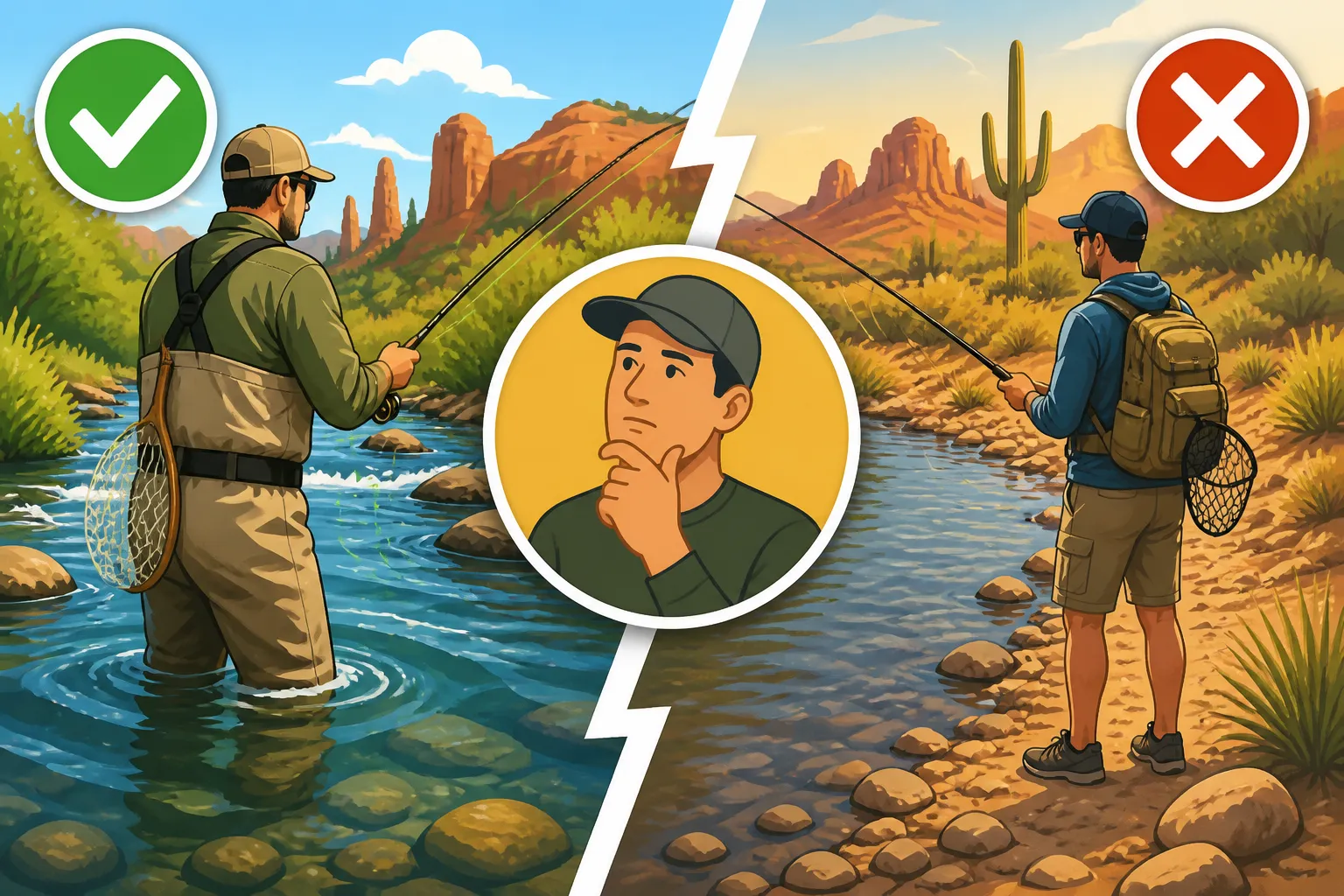
So, do you need waders to fish Arizona streams? The answer, like so many things in life, is "it depends." It depends on the season, the specific stream you're visiting, the fish you're targeting, and your personal comfort level. For cold weather, deep wading, or exploring those chilly mountain creeks, they are absolutely worth it. For a summer day on a warmer desert river or if you primarily stick to the banks, wet wading is a fantastic, refreshing alternative.
The key is to assess your specific fishing trip. Will you be in freezing snowmelt for hours? Waders. Are you hitting the Lower Salt River in July for smallmouth bass and plan on cooling off in the process? Wet wading. Consider your comfort, safety, and the demands of the environment. Equip yourself wisely, and you'll be set for some incredible fishing experiences in the diverse and beautiful streams of Arizona. Whether you're picking up new gear at Bass Pro Shops or browsing options on Amazon, always prioritize quality and suitability for our unique Arizona conditions.
Disclaimer
This article is for general informational purposes only and does not constitute professional advice. Laws, prices and regulations vary by location and change over time. Consult a qualified professional for guidance on your specific situation.