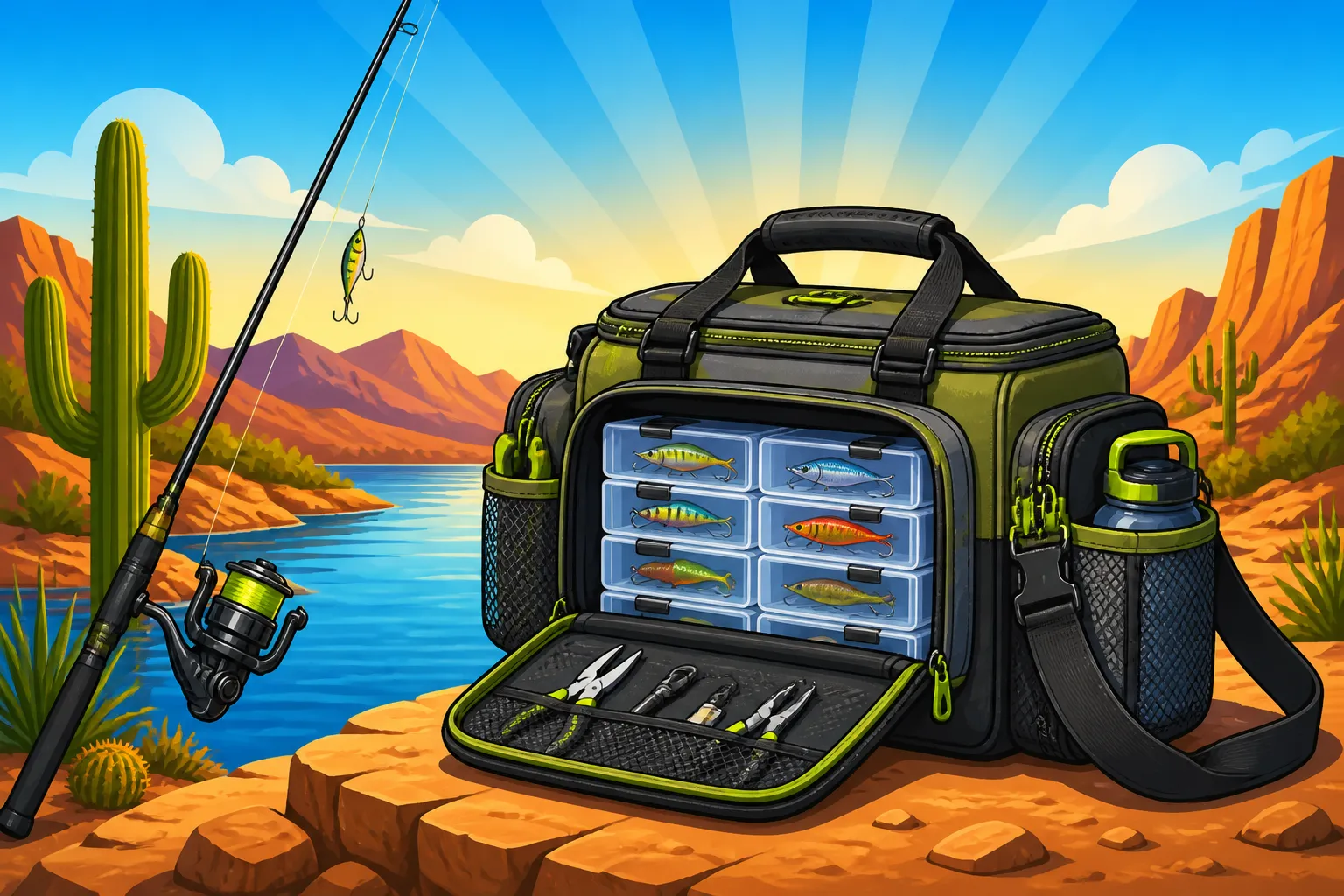
Best Tackle Bag for Shore Fishing
As a seasoned angler who's spent countless hours exploring the diverse banks of Arizona's lakes and rivers, I know firsthand the frustration of lugging around an ill-suited tackle box. You’re scrambling over rocks, hiking along dusty trails, or just moving from one promising spot to the next, and that heavy, clunky box is constantly banging against your leg or forcing you to make multiple trips back to the car. It’s a real buzzkill for what should be a peaceful day on the water. This guide is all about finding the perfect tackle bag designed specifically for shore fishing, ensuring your gear is organized, accessible, and comfortable to carry, no matter where your Arizona angling adventures take you.
The Unique Challenges of Shore Fishing in Arizona
Shore fishing in Arizona isn't just about casting a line into the water; it's an adventure that often involves navigating rugged desert terrain, exposed lakebeds, and sometimes even slippery riverbanks. Unlike boat fishing where your tackle is always just a few steps away in a secure compartment, shore fishing demands a portable, efficient, and comfortable solution for carrying everything you need. Ignoring these unique demands can quickly turn a relaxing day into an exercise in frustration.
Why a Standard Tackle Box Just Doesn't Cut It
Traditional hard-sided tackle boxes have their place, especially in a boat or for garage storage, but they are rarely the best choice for active shore anglers. Imagine trying to hike a quarter-mile down to a secluded cove at Canyon Lake with a rigid box swinging awkwardly from your hand. It's unbalanced, cumbersome, and prone to popping open if you stumble. Furthermore, many traditional boxes aren't designed to protect your gear from the elements like blowing dust, unexpected rain (hello, monsoon season!), or accidental splashes when you're wading a bit. They prioritize brute force storage over ergonomic portability, which is a major drawback when you're constantly on the move seeking out the best spots.
The Importance of Mobility and Hands-Free Access
When you're shore fishing, especially if you're exploring different stretches of water, mobility is paramount. You want to be able to move freely, cast without obstruction, and easily access your tackle without setting everything down. This is where the beauty of a well-designed tackle bag shines. A good bag allows for hands-free carrying, letting you manage your rod, net, or even a camera with ease. Think about climbing down a steep bank at Roosevelt Lake or navigating the rocky shore of Lake Pleasant – having both hands free for balance and safety is invaluable. Quick, unhindered access to your lures, weights, and tools means less fumbling and more time with your line in the water, which is, after all, why we're out there.
Dealing with Arizona's Diverse Terrain and Climate
Arizona's fishing landscapes are incredibly varied. From the high mountain lakes like Big Lake and Woods Canyon Lake, to the expansive desert reservoirs such as Lake Havasu and Apache Lake, and even the meandering urban rivers and ponds, each presents its own set of challenges. Desert lakes mean sharp rocks, prickly plants, and fine, abrasive dust. Mountain streams can mean slick, mossy rocks and dense riparian vegetation. The Arizona climate, with its intense summer heat and occasional torrential downpours, adds another layer of consideration. Your tackle bag needs to be robust enough to handle physical abuse, protective against the elements, and comfortable enough that it doesn't add to the burden of the often-strenuous trek to your prime fishing location. How to Fish Arizona's Desert Lakes details some of these unique environmental considerations.
Essential Features for an Arizona Shore Fishing Tackle Bag
Choosing the right tackle bag is less about flash and more about function, especially when you're contending with Arizona's demanding environments. You need a bag that acts as a mobile command center for your fishing endeavors, keeping everything secure, organized, and readily available.
Durability and Water Resistance: Built to Withstand the Elements
The first thing you should look for in any tackle bag destined for Arizona's outdoors is durability. This isn't just about surviving a few trips; it's about holding up against sharp rocks, thorny brush, and constant exposure to sun and dust. Look for bags made from heavy-duty materials like denier nylon or polyester, often found in quality outdoor gear. Reinforced stitching, robust zippers (preferably self-repairing or corrosion-resistant), and a tough, often rubberized or reinforced bottom are indicators of a bag built to last.
Equally critical is water resistance. While Arizona is known for its sunshine, sudden monsoon storms can drench everything in minutes. Even without rain, you'll be dealing with spray from the water, damp ground, or accidentally setting your bag down in a puddle. A water-resistant material, waterproof zippers, and a rain cover (either integrated or sold separately) can protect your valuable tackle, electronics, and personal items from moisture damage. Some bags even feature fully waterproof compartments, which can be a lifesaver for your phone, keys, and wallet. Boating Safety Gear Requirements in Arizona also touches on the importance of protecting valuables from water.
Smart Organization and Accessibility
A tackle bag is only as good as its organizational capabilities. The goal is to avoid digging through a chaotic pile of lures and lines when the fish are biting. Look for bags that come with multiple utility boxes or trays (often called 3600 or 3700 series trays) for sorting lures, weights, and hooks. Many dedicated tackle bags include these, or have compartments perfectly sized to hold them. External pockets, both zippered and mesh, are invaluable for quick-access items like pliers, scent, or a leader spool. Internal dividers and elastic loops can keep tools, sunscreens, or a small first-aid kit neatly in place.
Accessibility goes hand-in-hand with organization. When you're standing on the shore, you often don't want to take your entire bag off to get a new lure. Consider features like quick-access exterior pockets, D-rings for clipping on accessories, or even a built-in plier holder. A well-designed bag will allow you to grab what you need with minimal fuss, keeping your focus on the water.
Comfort and Ergonomics for Long Hauls
If you plan on hiking any distance to your fishing spot – perhaps along the Lower Salt River or into a remote cove at Alamo Lake – comfort is non-negotiable. Look for padded shoulder straps, especially if you're considering a backpack-style bag. These straps should be adjustable and, ideally, breathable to prevent sweat buildup. A padded back panel can make a significant difference in comfort, especially if your bag is fully loaded.
For bags with a waist or sling design, a padded, adjustable waist belt is crucial for distributing weight evenly and preventing the bag from bouncing around as you walk. Chest straps are also a great feature on backpacks, as they help stabilize the load and reduce strain on your shoulders. The goal is a bag that feels like an extension of you, not a burden, allowing you to focus on the fishing, not the ache in your back.
Types of Tackle Bags Best Suited for Shore Anglers
The world of tackle bags is surprisingly diverse, with different styles designed to meet various needs and fishing preferences. Understanding the pros and cons of each type will help you zero in on the perfect companion for your Arizona shore fishing adventures.
Backpack-Style Tackle Bags: The Ultimate for Trekking
For those who love to explore, hike to remote spots, or simply prefer to keep their hands completely free, a backpack-style tackle bag is often the go-to choice. These bags are designed much like hiking backpacks, distributing the weight across both shoulders and your back, making them incredibly comfortable for long walks along rugged terrain. They typically offer significant storage capacity, often featuring a large main compartment for multiple utility boxes, smaller pockets for tools, and sometimes even dedicated rod holders on the sides. Many come with hydration sleeves, which are essential for staying hydrated during Summer Bass Fishing Tactics in Arizona or any prolonged outing in the desert heat.
The main advantage here is superior weight distribution and hands-free portability. You can carry a substantial amount of gear, including extra water, snacks, and even a compact first-aid kit, without feeling overburdened. Brands like Bass Pro Shops and many options on Amazon offer excellent backpack-style tackle bags specifically designed for anglers. The downside might be that accessing gear can require taking the backpack off, though some designs feature external pockets or quick-access zippers to mitigate this. They are perfect for targeting those hard-to-reach locations where the fish might be less pressured.
Sling Packs and Waist Packs: Nimble and Quick-Access Options
If your fishing style involves shorter walks, frequent lure changes, and a need for immediate access to your tackle, sling packs and waist packs (or fanny packs, if you're feeling nostalgic) are fantastic options.
-
Sling Packs: These bags are worn over one shoulder and across your back. The clever design allows you to easily swing the bag around to your front without removing it, giving you instant access to the main compartments and external pockets. This "swing-around" feature is a game-changer for quick lure swaps or grabbing pliers without breaking your fishing rhythm. They typically hold 1-3 utility boxes and have various external pockets for essential tools. Sling packs are excellent for active fishing, wading, or when you want to keep your profile streamlined. They balance mobility with good capacity for a typical shore fishing session.
-
Waist Packs: Often smaller and more compact, waist packs are worn around your waist, keeping your gear right at your fingertips. They are ideal for minimalist anglers who only need a few essentials, or for situations where you're primarily wading and want your tackle above the waterline. While their capacity is limited, their accessibility is unmatched. They're great for a quick trip to a community fishing lake or when you're targeting specific species that don't require a vast array of tackle.
Both sling and waist packs excel in providing hands-on, quick-access storage. Their smaller footprint means less bulk, but also less capacity for extra gear, food, or clothing layers. They're perfect for focused fishing where efficiency is key.
Traditional Shoulder Bags: When You Need a Bit More Capacity
The classic shoulder bag, sometimes called a messenger-style tackle bag, bridges the gap between the compact nature of sling packs and the large capacity of backpacks. These bags are typically carried over one shoulder, with a single strap. While they don't offer the hands-free balance of a backpack, they often provide more internal volume than a sling pack, capable of holding several utility boxes along with various accessories.
Shoulder bags are a good choice for anglers who prefer to have their gear at their side or slightly behind them, and don't plan on extensive hiking. They're generally easy to access by simply sliding the bag forward. Look for models with a wide, padded, and adjustable shoulder strap to prevent digging into your shoulder, especially when the bag is fully loaded. Some come with a secondary stabilizing strap that can be used to secure the bag to your body, reducing swing when moving. They are a versatile option for many shore fishing scenarios, offering a good compromise between portability and storage, especially for those longer sessions near the car or when moving between a few spots that aren't too far apart.
Here's a quick comparison of these popular types:
| Tackle Bag Type | Key Advantage | Best For | Typical Capacity (Utility Boxes) | Accessibility | Comfort for Long Hauls |
|---|---|---|---|---|---|
| Backpack | Superior comfort, hands-free portability | Long hikes, remote spots, carrying extra gear/water | 3-6+ | Requires removal (usually) | Excellent |
| Sling Pack | Quick, swing-around access | Active fishing, wading, frequent lure changes | 1-3 | Excellent (without removal) | Good |
| Waist Pack | Maximum accessibility, minimalist | Short trips, wading, essentials only | 1-2 | Excellent | Good (light loads) |
| Shoulder Bag | Good capacity, moderate portability | Less intense walks, easy access while standing, versatile general use | 2-4 | Good (slides forward) | Moderate to Good |
What to Pack in Your Shore Fishing Tackle Bag for Arizona Success
Once you have your ideal tackle bag, the next crucial step is filling it thoughtfully. Overpacking leads to unnecessary weight and clutter, while under-packing leaves you unprepared. The key is to be strategic, especially for Arizona fishing conditions. Best Fishing Gear Checklist for Desert Lakes offers a broader look at what to bring, but here we focus on what goes in your bag.
Prioritizing Essential Gear and Terminal Tackle
Start with the absolute necessities for the species you're targeting and the water you're fishing. For bass fishing in an Arizona lake like Bartlett or Saguaro, this means a selection of your go-to lures. I'd always pack some Texas rigs, a few crankbaits, jigs, and soft plastics. Make sure you have a range of colors and sizes to adapt to changing conditions. Best Lures for Largemouth Bass in Arizona Lakes can help you narrow down your choices.
Don't forget terminal tackle: hooks of various sizes, weights (bullet weights for Texas rigs, drop shot weights, etc.), swivels, and snaps. Pre-tying leaders can save you time on the water. Bring extra line, especially leader material like fluorocarbon, in case of break-offs. Pliers (for hook removal and cutting line), a small pair of scissors or nippers, and a measuring tape are non-negotiable tools. A lip grip or a small landing net can also be invaluable, especially if you're practicing catch and release.
Hydration, Sun Protection, and Personal Comfort Items
This category is absolutely critical for Arizona. The desert sun is no joke, and dehydration can set in quickly, even on cooler days. Always pack more water than you think you'll need. Many backpack-style tackle bags have hydration sleeves or exterior bottle pockets for this very reason. A water bottle with a good filter can also be a smart addition if you're near a potable source.
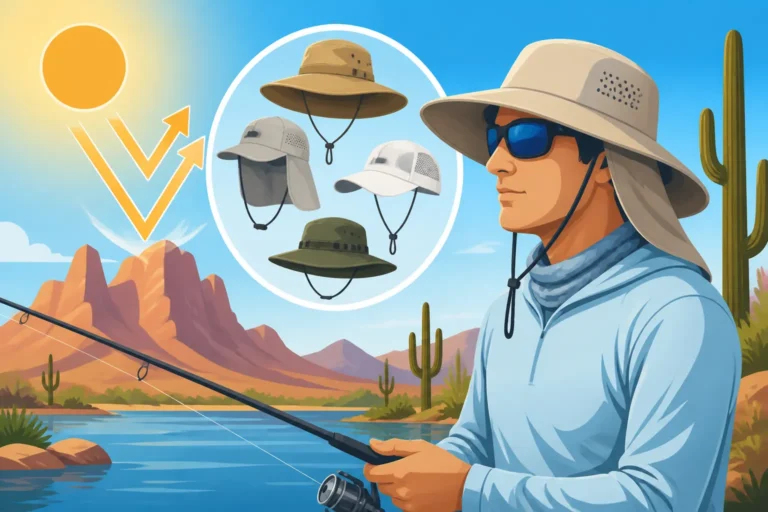
Sun protection is equally vital. A wide-brimmed hat, polarized sunglasses (essential for spotting structure and fish), and high SPF sunscreen are must-haves. Long-sleeved, breathable fishing shirts are also a smart choice. Lip balm with SPF is often overlooked but important. Don't let a sunburn or dehydration cut your trip short! For more on this, check out Heat Safety Tips for Summer Fishing in Arizona.
Lastly, consider small personal comfort items. A small snack (energy bars, trail mix), bug repellent (especially near standing water at dawn/dusk), and any personal medications should have a dedicated spot in your bag.
Emergency and Miscellaneous Items You Shouldn't Forget
Even on a short trip, a few emergency and miscellaneous items can make a huge difference. A small, compact first-aid kit is essential for dealing with minor cuts, hook pokes, or scrapes. Headlamps or small flashlights are vital if you plan to fish into the evening or before sunrise.
A multi-tool can come in handy for unexpected repairs or tasks. Consider a small waterproof pouch for your phone, keys, and wallet to protect them from splashes or an accidental dunk. If you're fishing near sensitive areas or plan on keeping fish, a small stringer or a cooler with ice (perhaps kept in your vehicle if your bag is too small) is also practical. Remember, being prepared allows you to focus on the joy of fishing, rather than worrying about unforeseen circumstances.
Making Your Selection: Finding the Right Bag for Your Fishing Style
With so many options out there, choosing the "best" tackle bag can feel overwhelming. It really boils down to understanding your personal fishing habits, the types of places you fish, and what you prioritize in terms of comfort, capacity, and cost.
Matching Bag Size to Your Typical Trip
The ideal size of your tackle bag directly correlates to how and where you fish.
- For quick trips or community ponds: If you're just heading to your local urban lake for an hour or two, a smaller waist pack or a compact sling pack might be all you need. You'll carry just a few lures, some hooks, weights, and a bottle of water. This keeps you nimble and light. Community Park Lakes in Phoenix are perfect for this minimalist approach.
- For adventurous anglers and longer sessions: If your passion involves hiking into more remote areas, staying out for half a day or more, or targeting a variety of species, a larger backpack-style tackle bag is probably your best bet. This allows you to carry multiple tackle trays, extra clothing layers, more food and water, and even a small camera or other accessories. The capacity for items beyond just tackle becomes a major factor here.
- For general-purpose shore fishing: A medium-sized shoulder bag or a moderately-sized sling pack often strikes a good balance. These are excellent for most lake and river bank fishing, allowing you to carry enough gear for varied conditions without being overly bulky. They are versatile enough to adapt to many different Arizona fishing spots, from the busy shores of Tempe Town Lake to the expansive banks of the Colorado River.
Think about how many utility boxes you really need on the water, plus space for your personal essentials. Don't just fill space because you have it.
Balancing Cost and Quality for Long-Term Value
Tackle bags range widely in price, from budget-friendly options to high-end, feature-rich models. It's tempting to go for the cheapest option, but remember that a tackle bag is an investment in your fishing comfort and gear protection. A flimsy bag with weak zippers or poor stitching will quickly fall apart under Arizona's conditions, costing you more in the long run when you have to replace it.
When considering price, think about durability, material quality, and the reputation of the brand. Companies that specialize in outdoor gear or fishing equipment (like those found at Bass Pro Shops) often offer better quality and warranties. While a top-tier bag might seem expensive upfront, its longevity, superior organization, and comfort can easily justify the cost over many years of use. On the other hand, there are many solid mid-range options that provide excellent value without breaking the bank. Read reviews, compare features, and prioritize what matters most to you.
Where to Find Quality Tackle Bags (and what to look for there)
You have several avenues for finding a great tackle bag. Local sporting goods stores or dedicated fishing shops are excellent places to start. Here, you can physically inspect the bags, try them on for fit and comfort, and get advice from knowledgeable staff. Being able to feel the material, test the zippers, and check the padding is invaluable.
Online retailers like Amazon also offer a vast selection, often with competitive pricing and user reviews that can provide insight into real-world performance. When shopping online, pay close attention to the product description regarding materials, dimensions, and included features (like utility boxes). Look for bags with high ratings and detailed positive reviews, especially those mentioning durability and comfort.
Regardless of where you shop, always consider:
- Material: Is it tough, water-resistant, and easy to clean?
- Zippers: Are they robust, self-repairing, and preferably corrosion-resistant?
- Stitching: Is it reinforced at stress points?
- Straps and Back Panel: Are they adequately padded, adjustable, and breathable?
- Storage Layout: Does it accommodate your tackle trays and other essentials logically?
- Included Accessories: Does it come with utility boxes, rain covers, or tool holders?
By thoroughly evaluating these points, you'll be well on your way to selecting a tackle bag that will serve you faithfully on countless Arizona fishing adventures. For more on what tackle to fill it with, read Best Baits and Lures for Arizona Fishing.
Maintaining Your Shore Fishing Tackle Bag for Longevity
A good tackle bag, much like your favorite fishing rod, will last longer and perform better if you give it a little love and care. Especially with Arizona's dust, heat, and occasional muddy shores, neglecting your bag can lead to premature wear and tear, and potentially damage your precious tackle inside.
Post-Trip Cleaning and Drying Practices
After every fishing trip, especially if your bag got wet, sandy, or muddy, it's crucial to give it a quick clean.
- Empty everything out: Take all your tackle boxes, tools, and personal items out of the bag. This also gives you a chance to inspect your gear for damage or corrosion.
- Shake out debris: Turn the bag upside down and shake out any sand, dirt, leaves, or stray fishing line. Use a small brush or a vacuum cleaner attachment for stubborn debris in corners.
- Wipe down: If the bag is just dusty or slightly dirty, a damp cloth with a mild soap solution is usually sufficient to wipe down the exterior and interior. For more stubborn mud or grime, you might need to rinse it gently with a hose, being careful not to soak any non-waterproof compartments or zippers excessively.
- Dry thoroughly: This is arguably the most important step. Never store a damp tackle bag. Moisture is the enemy of zippers, fabrics, and, most importantly, your metal tackle. Hang your bag in a well-ventilated area, out of direct harsh sunlight (which can degrade fabrics over time), and allow it to air dry completely. Unzip all pockets to promote airflow. This prevents mildew growth, musty odors, and corrosion of any forgotten metal items inside.
Organizing for Storage and Quick Future Access
Once clean and dry, take a few minutes to re-organize your tackle bag. This isn't just about neatness; it's about efficiency for your next trip.
- Return items to their designated spots: Keep your utility boxes neatly arranged, tools in their holders, and personal items in their specific pockets. This saves you valuable time when you're rushing out the door for an early morning bite.
- Review and restock: Check your terminal tackle. Are you low on a particular hook size? Did you use up all your favorite soft plastics? This is the perfect time to make a mental note or actual list of items to restock before your next outing. Running out of your go-to lure mid-trip is a frustrating experience. Consider having an Essential Tackle Box Setup for Arizona Beginners as a base, then customize from there.
- Consider dedicated purpose bags: If you target different species with vastly different tackle (e.g., trout one day, bass the next), you might even consider having specific utility boxes pre-packed for each, ready to swap into your primary tackle bag. This reduces the need to completely re-organize every time.
Spotting Wear and Tear: When It's Time for an Upgrade
Regular maintenance also involves inspecting your tackle bag for signs of wear and tear. Over time, even the most durable bags will show their age.
- Check zippers: Are they starting to stick or becoming difficult to close? Broken zippers are often the first point of failure.
- Inspect stitching: Look for loose threads, fraying, or seams that are starting to pull apart. These are weak points that will eventually give way.
- Examine the fabric: Are there any tears, holes, or significant abrasion spots that could compromise water resistance or allow small items to fall out? Has the material started to thin or fade excessively?
- Test buckles and straps: Are any buckles cracked or loose? Do the adjustment straps still hold their position securely?
Addressing minor issues early, like trimming loose threads or treating sticking zippers with a specialized lubricant, can extend the life of your bag. However, if you're noticing significant degradation in multiple areas, it might be a sign that it's time to invest in a new tackle bag. A failing bag not only compromises your fishing experience but could also put your valuable tackle at risk. Investing in quality gear for your tackle, like Best Fishing Rods for Bass in Arizona, deserves to be protected by a reliable bag.
Disclaimer
This article is for general informational purposes only and does not constitute professional advice. Laws, prices and regulations vary by location and change over time. Consult a qualified professional for guidance on your specific situation.