Best Boats for Arizona Lakes
One of the biggest dilemmas facing any angler looking to explore the incredible fishing opportunities here in Arizona is figuring out what kind of boat is actually going to work best. Our state isn't just one big body of water; it's a tapestry of massive reservoirs like Lake Powell, deep canyon lakes, winding rivers, and quaint urban ponds, each with its own quirks and demands. If you pick the wrong vessel, you might find yourself limited, frustrated, or worse, out a lot of money on something that doesn't fit your angling dreams. This guide is going to walk you through the very best boat options for tackling Arizona's diverse waterways, helping you make an informed decision so you can spend more time catching fish and less time worrying about your gear.
Understanding Arizona's Diverse Waterways
Arizona might be famous for its deserts, but it's also home to some truly spectacular fishing waters. From massive, sprawling reservoirs to narrow, deep canyons and urban oases, each type of waterway presents unique challenges and opportunities for anglers. Understanding these differences is the first step in choosing the perfect boat.
The Vastness of Lake Powell and Lake Mead
Imagine launching your boat onto an inland sea, stretching hundreds of miles with countless coves, canyons, and vast open water. That's what fishing on Lake Powell or Lake Mead feels like. These are immense bodies of water, often windy, with long runs required to reach prime fishing spots. They demand a vessel that can handle chop, offer comfort for long days, and provide the range to explore distant arms.
When you're planning a trip to places like Lake Powell, you're not just thinking about a quick morning outing. You're envisioning multi-day excursions, sometimes camping in remote canyons, or covering dozens of miles in search of that perfect striper boil or smallmouth bass hideout. A smaller, less stable boat would be a white-knuckle experience on these waters, especially when the afternoon winds kick up and turn the lake into a washing machine. You need something that feels substantial underfoot, capable of cutting through waves, and stable enough to move around in without feeling like you're going to capsize. Furthermore, these lakes are often about covering ground, so speed and fuel efficiency for long hauls become significant factors. Think about the sheer scale of finding those famous "boils" on Lake Powell; you need to be able to get there quickly and safely. To dive deeper into one of these giants, check out our Lake Powell Arizona Fishing Guide.
The Canyon Lakes: Apache, Canyon, Saguaro
Move south and east from the vast northern lakes, and you encounter Arizona's iconic canyon lakes: Apache, Canyon, Saguaro, and Roosevelt. These lakes are characterized by steep, rocky shorelines, deep water close to shore, and often winding, narrow sections. While they can still get choppy, especially Roosevelt Lake, they offer a different kind of challenge and beauty compared to the open expanses of Powell or Mead.
Fishing these lakes often means navigating tight spaces, hugging rocky cliffs, and exploring hidden coves. Your boat needs to be maneuverable enough to get into these nooks and crannies, yet robust enough to handle the occasional main channel chop. Accessibility can also be a factor, as some ramps might be steeper or have narrower approaches. Anglers often target bass and crappie in these waters, which frequently hold tight to structure along the steep drops. This requires a boat that allows for precise boat positioning, whether you're using a trolling motor to inch along a ledge or simply drifting with the current. The ability to anchor effectively in deep water is also crucial. For a closer look at one of these beauties, our Canyon Lake Arizona Fishing Guide provides excellent insights.
Community and Urban Ponds: Simplicity is Key
Not all Arizona fishing adventures require a powerhouse vessel. Our state boasts a fantastic network of community and urban fishing ponds, perfect for a quick evening trip, teaching kids to fish, or enjoying a peaceful morning. These smaller, often shallower waters are a world away from the big lakes, and the boats you'd choose for them reflect that difference entirely.
For these intimate settings, simplicity and portability are often paramount. You're not battling big waves or needing to cover vast distances. Instead, you might be looking for something easy to launch from a bank, or even something you can carry in the back of your truck. The emphasis here is on relaxation and accessibility, making these spots ideal for kayaks, canoes, or even small inflatable boats. You don't need a massive outboard or elaborate electronics; a quiet electric trolling motor or even just paddles will often suffice. The joy of these community lakes is in their immediate access and the consistent stocking programs, offering a low-barrier entry point for anglers of all skill levels.
Bass Boats: The Angler's Performance Machine
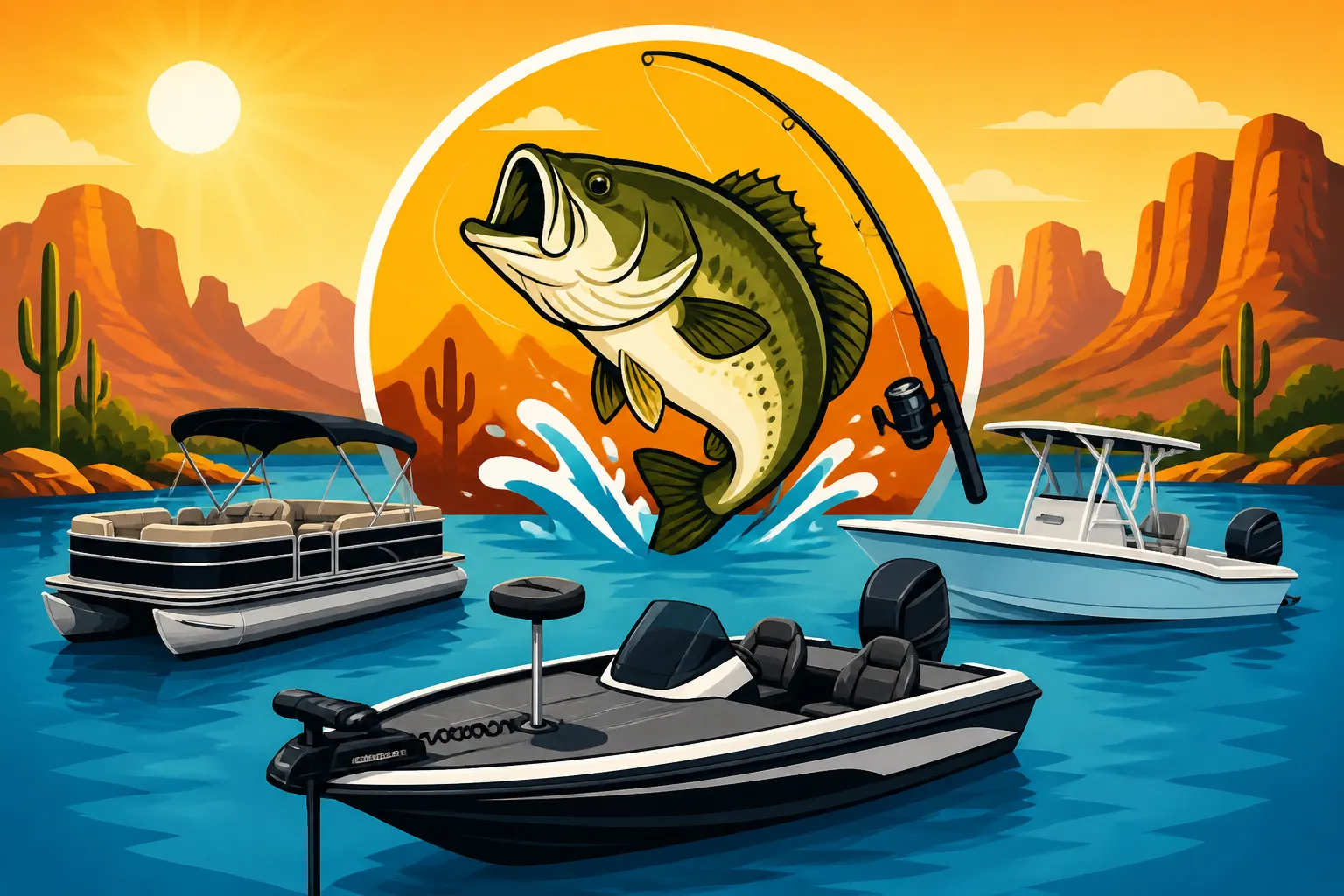
When you hear "fishing boat" in many parts of the country, a sleek, powerful bass boat is often what comes to mind. These vessels are purpose-built for one thing: getting serious anglers to their fish quickly and efficiently, then providing a stable, well-equipped platform to fish from. In Arizona, where many of our lakes are renowned for their bass fishing, these boats are a common sight, and for good reason.
Pros and Cons for Arizona Fishing
Bass boats offer a thrilling combination of speed and specialized functionality. On the "pro" side, their high-performance outboards allow you to cover vast distances on lakes like Roosevelt or Lake Pleasant in a hurry, which is a huge advantage when you're trying to hit multiple spots or chase down active schools. The wide, stable casting decks, both fore and aft, provide ample room for multiple anglers to cast without feeling cramped. They're typically loaded with features like powerful trolling motors, multiple livewells to keep your catch healthy, and extensive storage for all your tackle and rods. This means you have everything at your fingertips, optimized for competitive angling or just a serious day of targeting big bass. The low profile also helps in windy conditions, reducing how much the boat gets pushed around.
However, bass boats also come with some significant considerations, especially for Arizona's unique environment. The first is cost, both upfront and ongoing. They are generally among the most expensive types of fishing boats. Fuel consumption, especially with larger engines, can also add up quickly when traversing our big reservoirs. Draft can be another issue; while many modern bass boats can get into relatively shallow water, their powerful outboards require deeper water for operation, limiting access to extremely shallow coves or narrow river sections. Lastly, their specialized nature means they're not always the most comfortable for casual cruising or family outings. The focus is strictly on fishing, so if you're looking for a multi-purpose family boat, a bass boat might feel a bit too singular in its design.
Ideal Scenarios for Bass Boats in Arizona
If your primary goal is to actively pursue bass on Arizona's major reservoirs, a bass boat is an unparalleled tool. They are perfectly suited for the competitive angler or the dedicated enthusiast who lives for the chase. Imagine fishing a tournament on Lake Pleasant Arizona Fishing Guide, where every minute counts, and covering miles to find the winning fish is part of the strategy. A bass boat gets you there faster and allows you to fish more efficiently once you arrive.
They excel in situations where you need to make long runs across open water, quickly move between structure points, or engage in techniques like power fishing with crankbaits or spinnerbaits. The specialized electronics typically found on bass boats, including advanced fish finders and GPS, are invaluable for navigating and pinpointing productive spots. When you're trying to figure out the Best Bass Fishing Lakes in Arizona and you plan to spend all day on the water, meticulously working every piece of cover, a bass boat provides the stability, space, and functionality you need to execute those strategies effectively. They also perform exceptionally well during those prime bass fishing seasons, allowing you to maximize your time on the water during optimal bite windows.
Key Features to Look for
When shopping for a bass boat suitable for Arizona, there are several key features you'll want to prioritize.
- Engine Size and Performance: Given the vastness of lakes like Lake Powell or Roosevelt, a robust outboard engine is crucial for covering distance efficiently and safely. Consider a motor that offers a good balance of power and fuel economy for those long runs.
- Trolling Motor: A high-thrust, foot-controlled trolling motor with GPS capabilities (like spot-lock) is essential. Brands like Minn Kota and MotorGuide are industry standards, allowing for precise boat positioning when working shorelines, brush piles, or submerged humps. This feature is a game-changer for stealthy approaches to fish-holding structure.
- Livewells: Ensure the boat has adequately sized, aerated livewells to keep your catch healthy, especially critical for catch-and-release practices or tournament scenarios where fish survival is paramount. Look for systems that circulate fresh water and have oxygenation features.
- Storage: Ample, well-organized storage for dozens of rods, tackle boxes, and safety gear is a must. Arizona's desert lakes can get windy, so securing gear is important. Good storage means less clutter on the deck and quicker access to what you need.
- Electronics: A modern bass boat should feature at least two high-quality fish finders/chartplotters, one at the console and one on the bow. Look for models with side-imaging, down-imaging, and 2D sonar capabilities to help you map underwater structure and locate fish. Bass Pro Shops often has a great selection of these electronics, or you can find competitive options on Amazon.
- Comfort Features: While fishing-focused, comfortable seating for long runs, a good windshield for wind protection, and perhaps even some shade options are valuable for Arizona's intense sun.
Investing in a bass boat is a commitment, but for the dedicated bass angler, it's an investment that pays dividends in performance and fishing enjoyment on Arizona's premier bass fisheries.
Aluminum Fishing Boats and Jon Boats: Versatility and Affordability
For many anglers, the thought of dropping a small fortune on a fiberglass bass boat is simply not realistic, or necessary. This is where aluminum fishing boats and their simpler cousins, jon boats, truly shine. They offer an incredible balance of affordability, versatility, and durability, making them an excellent choice for a wide range of Arizona fishing scenarios. These boats are the workhorses of the fishing world, providing reliable access to waters that might intimidate other vessels.
Why Aluminum Shines in Arizona
Aluminum boats possess several characteristics that make them particularly well-suited for the unique environment of Arizona's lakes and rivers. Firstly, their lighter weight is a significant advantage. It means easier towing with a smaller vehicle, simpler launching and retrieving, and often better fuel economy, both on the road and on the water. This is a big plus when you're driving to a remote ramp or simply trying to save on gas prices.
Secondly, aluminum is incredibly durable and forgiving. Our desert lakes often have rocky shorelines and submerged hazards. Fiberglass boats can suffer serious damage from impacts with rocks, leading to costly repairs. Aluminum, on the other hand, can take a bump and often only show a dent, which is far less problematic. This resilience makes them ideal for exploring less-trafficked areas, shallow stretches, or even river fishing where you might encounter unseen obstacles. They're also much easier to clean and maintain, resisting the harsh UV rays and temperature swings that Arizona experiences. This ruggedness means less time worrying about your boat and more time focused on the fishing.
Best Use Cases and Limitations
Aluminum fishing boats are fantastic all-rounders, capable of handling everything from smaller community ponds to larger reservoirs like Lake Pleasant, especially on calmer days. They excel at bank-side launching, making them perfect for lakes with less developed ramps or for those who prefer to avoid crowded marinas. If you're targeting crappie in brushy coves, stalking trout in a stream, or looking for catfish in a river, an aluminum boat or jon boat can get you there. Their open layouts often mean more deck space for coolers, gear, and family members, making them great for general recreational fishing.
However, they do have limitations. While robust, they typically don't offer the same smooth, dry ride as a heavier fiberglass bass boat in rough conditions. On a windy day on a large lake, you might find yourself getting wet and being jostled around significantly more. Speed is also generally lower, which can extend travel times on vast bodies of water. The open layout, while versatile, can also mean less dedicated storage compared to specialized bass boats, and the lack of a fully enclosed hull can make them feel less secure in extreme weather. They might also be louder on the water due to the hull's construction. For a deeper dive into general fishing necessities, consider our Best Fishing Gear Checklist for Desert Lakes when outfitting your aluminum boat.
Customization Options and Considerations
One of the great advantages of aluminum fishing boats and especially jon boats is their incredible potential for customization. Many come as basic hulls, acting as a blank canvas for anglers to outfit exactly how they see fit. This allows you to tailor the boat to your specific fishing style and budget. You can add casting decks, swivel seats, rod holders, storage compartments, and even mount electronics.
For Arizona fishing, a popular upgrade is a bow-mounted electric trolling motor, which provides silent, precise control for working shorelines. Many anglers also install a robust fish finder, which can be easily purchased from Bass Pro Shops or found online at Amazon, especially if they plan on exploring deeper lakes. You might consider adding a small bimini top for shade, given Arizona's intense sun. When thinking about power, consider whether you'll mostly be on electric-only lakes (requiring only a trolling motor and battery) or if you'll need a small outboard for larger waters. Always ensure that any modifications you make are structurally sound and don't compromise the boat's stability or safety. Remember, even with a smaller boat, understanding Boating Safety Gear Requirements in Arizona is crucial.
| Boat Type | Pros | Cons | Ideal Arizona Use Cases |
|---|---|---|---|
| Bass Boat | Speed, large casting decks, specialized features (livewells, electronics), stable fishing platform. | High cost, higher maintenance, can be wet in chop, less versatile for non-fishing activities, deeper draft. | Competitive bass fishing on large reservoirs (Roosevelt, Pleasant), covering vast distances. |
| Aluminum/Jon Boat | Affordable, durable, lightweight, easy to launch/retrieve, highly customizable. | Rougher ride in chop, slower speeds, less integrated storage, can be louder. | Rivers, smaller lakes/ponds, shallow areas, multi-species, budget-friendly. |
| Pontoon Boat | Spacious, stable, comfortable, excellent for families/groups, good for casual fishing. | Slower, less maneuverable in tight spaces, can be expensive, not ideal for rough, open water or high winds. | Family outings, party fishing, casual cruising, larger community lakes. |
| Fishing Kayak/Canoe | Stealthy, portable, access to shallow/remote areas, good exercise, relatively low cost. | Limited space, slower, exposed to elements, requires physical effort, less stable than larger boats. | Small lakes/ponds, narrow rivers, exploring secluded coves, quiet angling. |
| Small Inflatable/Packraft | Ultra-portable, lightweight, easy storage, low cost, rapid deployment. | Less durable, limited carrying capacity, susceptible to wind, minimal features, slower. | Backcountry trips, very small ponds, quick short trips, extreme portability. |
Pontoon Boats: Comfort, Space, and Family Fun
Pontoon boats have exploded in popularity across Arizona's lakes, and it's not hard to see why. These flat-decked, multi-hulled vessels offer a unique blend of comfort, expansive space, and versatility that appeals to a broad spectrum of lake-goers, including a growing number of anglers. If your idea of a perfect day on the water involves bringing the whole family, a group of friends, or simply enjoying plenty of room to move around, a pontoon boat might be your ideal match.
The Appeal of Pontoons for Multi-Purpose Use
The primary draw of a pontoon boat is its sheer space and stability. Unlike a traditional V-hull boat, a pontoon offers a wide, flat deck that feels more like a floating patio. This translates into unparalleled room for passengers, coolers, chairs, and all the gear you could imagine. For families, this means kids have space to play, adults can relax, and everyone can enjoy the water together without feeling cramped. Imagine a leisurely cruise on Saguaro Lake, stopping for a swim, having a picnic, and then dropping a line. A pontoon handles all these activities with ease.
This multi-purpose nature is a huge advantage in Arizona. Our lakes are not just for fishing; they're popular recreation spots for swimming, watersports, and simply enjoying the scenic beauty. A pontoon allows you to seamlessly transition from fishing to leisure. The stability, provided by its twin or triple pontoons, is another key benefit. It makes stepping on and off easier, reduces motion sickness for those prone to it, and provides a very steady platform for casting. Even when multiple people are moving around the boat, you'll notice minimal rocking, which is a big comfort on a long day. For those looking for general lake recreation and a bit of fishing, these boats are often a top contender.
Fishing-Specific Features to Seek Out
While all pontoons offer space, many manufacturers now design models specifically with anglers in mind. If fishing is going to be a significant activity on your pontoon, look for these dedicated features:
- Dedicated Fishing Stations: Some pontoons come equipped with swiveling fishing seats, often located in the corners, providing comfortable casting positions. These can be paired with integrated rod holders, making it easy to manage multiple lines.
- Livewells and Baitwells: Just like bass boats, fishing pontoons can feature built-in, aerated livewells to keep your bait fresh and your catch alive and healthy. Some even offer a dedicated bait station with a cutting board and sink.
- Rod Storage: Look for vertical rod holders around the boat's perimeter or even lockable rod lockers to keep your valuable gear secure when not in use or during transport.
- Trolling Motor Mount: Many fishing pontoons will have a reinforced bow section designed to accept an electric trolling motor. A powerful trolling motor with GPS "spot-lock" functionality is a fantastic addition, allowing you to hold position over a brush pile or along a drop-off, even in windy conditions.
- Fish Finder Integration: Look for a pontoon that has convenient mounting locations and pre-wired power for a fish finder. Having one at the helm and potentially another at a dedicated fishing station can greatly enhance your success.
These features transform a basic leisure pontoon into a very capable and comfortable fishing platform, perfect for targeting crappie, catfish, or even bass in a relaxed setting.
Maneuverability and Lake Access
One common misconception about pontoon boats is that they are difficult to maneuver. While they aren't as nimble as a bass boat, modern pontoons with power steering and adequately sized outboards are surprisingly easy to handle, especially on Arizona's larger lakes. They steer much like a car, and their flat bottom design makes them less susceptible to strong currents than deep V-hulls. Docking can take a little practice due to their wider beam, but many come with bow and stern thrusters or dual outboards that make this process much simpler.
However, their size and shallow draft do present some considerations for lake access. While they can often navigate relatively shallow water, their length can sometimes be an issue at crowded or steeper boat ramps. Some smaller, more remote Arizona lakes might not have ramps suitable for larger pontoons. It's always a good idea to scout out your intended launch site beforehand. Once on the water, the flat deck and open layout make moving around very safe and easy, which is a major plus when you're fishing with children or people who may have mobility challenges. They're also often fantastic for exploring the main body of a lake and its larger coves. If you want to know more about family-friendly options, consider checking out our Lake Pleasant Arizona Fishing Guide which is a popular spot for pontoon boats.
Kayaks and Canoes: Unlocking Secluded Spots
For those who cherish peace, quiet, and the thrill of getting into places bigger boats simply can't reach, kayaks and canoes are indispensable tools for Arizona fishing. These human-powered vessels offer a unique perspective on our waterways, connecting you more intimately with nature and often leading to some surprisingly productive angling.
The Stealth and Accessibility Advantage
The biggest draw of kayaks and canoes for fishing is their stealth. They glide silently through the water, allowing you to approach fish-holding structure without spooking your quarry. This is a massive advantage when targeting wary bass in shallow coves, subtle trout in clear mountain streams, or even cautious catfish in calm backwaters. Imagine paddling quietly along a cattail edge at an urban lake, making pinpoint casts to active fish that would scatter at the sound of an outboard motor.
Beyond stealth, their accessibility is unmatched. Kayaks and canoes can be launched from virtually anywhere there's water access – a sandy bank, a rocky shoreline, or even just a roadside pull-off. You don't need a boat ramp, a trailer, or a powerful tow vehicle. This opens up countless fishing opportunities on smaller ponds, narrow rivers, and remote coves of larger lakes that are otherwise inaccessible. This freedom from ramps and marinas means less hassle and more time fishing. If you're looking for that intimate connection with the water, these are your vessels. Many anglers have found success navigating tight channels on the Salt River or sneaking into hidden pockets on the Apache Lake with these silent vessels.
Different Kayak Types for Arizona Anglers
The world of fishing kayaks has expanded dramatically, offering specialized designs for nearly every type of angler and water.
- Sit-on-Top (SOT) Kayaks: These are arguably the most popular choice for fishing in Arizona. They are stable, easy to re-enter if you fall out (a big plus in warmer water), and offer a wide-open deck for gear. Many are designed with integrated rod holders, storage wells, and even mounting tracks for electronics. The self-bailing scupper holes keep the deck dry. For beginners, they offer a sense of security.
- Sit-Inside (SI) Kayaks: While less common for dedicated fishing, sit-inside kayaks offer more protection from the elements, which can be a consideration on cooler days or windy lakes. They tend to be faster and more efficient for paddling longer distances, but re-entry after a capsize can be more challenging. Some anglers prefer them for specific river applications or when seeking shelter from the sun.
- Pedal-Drive Kayaks: These are a game-changer for kayak fishing. Instead of paddling, you use a foot-pedal system to propel the kayak, freeing up your hands for casting, reeling, and managing your tackle. Brands like Hobie and Old Town are leaders in this category. While more expensive, the ability to maintain speed and direction while actively fishing is a huge advantage, especially when trolling or working against a current.
- Inflatable Kayaks: Offering extreme portability, inflatable kayaks can be deflated and packed into a bag, making them ideal for air travel, small car trunks, or backpacking to remote waters. Modern inflatables are surprisingly rigid and durable, though they might not offer the same performance or stability as hardshell models. These are fantastic if you want to fish some very remote backcountry spots.
Choosing the right kayak depends heavily on your budget, the type of water you plan to fish most often, and your personal comfort level. To explore further, our Best Kayaks for Fishing in Arizona article offers more in-depth advice.
Essential Kayak Fishing Accessories
Once you have your kayak or canoe, a few key accessories can dramatically enhance your fishing experience.
- PFD (Personal Flotation Device): This isn't just an accessory; it's a non-negotiable safety item. Always wear a comfortable, fishing-specific PFD. Many designs include pockets for tackle, pliers, and other small items, integrating seamlessly into your fishing setup. Remember that PFD Requirements for Kids in Arizona are strict, so ensure any young paddlers are properly outfitted.
- Paddle/Pedal Drive: If you have a paddle kayak, invest in a lightweight, high-quality paddle that matches your height and kayak width. For pedal drives, ensure it's well-maintained.
- Anchor System: A small anchor system (grapple anchor, drag chain, or even a stake-out pole for shallow water) is invaluable for holding position in wind or current, allowing you to effectively fish a spot.
- Rod Holders: Beyond any built-in holders, adjustable aftermarket rod holders (like those from RAM Mounts or Scotty) can be added for trolling, holding spare rods, or simply keeping your active rod secure while you manage a fish.
- Electronics (Fish Finder/GPS): Compact, battery-powered fish finders with GPS are popular for kayaks. They help you find structure, depth, and navigate, especially on larger lakes.
- Dry Bags/Watertight Storage: Keep your phone, keys, wallet, and other essentials dry. Even on a calm day, splashes and unexpected capsizes can happen.
- Leashes and Tethers: Secure your paddle, rods, and other valuable gear with leashes. Losing a rod to the bottom of a deep Arizona lake is a heartbreaking experience.
- Cart/Dolly: If you'll be transporting your kayak any distance from your vehicle to the water, a kayak cart can save your back and make launches much easier.
- Cooler/Storage: A small cooler for drinks and snacks, or a designated catch cooler, can be strapped to the deck. Brands like Yeti or RTIC offer compact, durable options you can often find at Bass Pro Shops or online at Amazon.
Outfitting your kayak or canoe correctly makes a world of difference in safety, comfort, and fishing success.
Small Inflatables and Packrafts: Ultra-Portable Options
Sometimes, the best boat is the one you can literally take anywhere. For the ultimate in portability and access to the most remote or challenging waters, small inflatable boats and packrafts are increasingly popular choices for Arizona anglers. They represent the minimalist approach to boating, stripping away unnecessary bulk in favor of lightweight, packable convenience.
When Portability is Paramount
Imagine hiking into a remote mountain lake in the White Mountains, far from any paved road or boat ramp. Or perhaps you want to explore a section of a slow-moving river that's too shallow for a traditional boat, and too cumbersome for even a hardshell kayak to portage. This is where small inflatables and packrafts truly excel. Their ability to deflate, roll up, and be carried in a backpack or small duffel bag is their defining characteristic.
For day trips where you might need to carry your vessel a significant distance, or for anglers with very limited storage space at home, these options are revolutionary. They eliminate the need for a trailer, roof rack, or even a large garage. Just inflate them on site, drop them in the water, and you're ready to fish. This freedom opens up opportunities to fish waters that are otherwise untouched by boat-borne anglers, offering a unique sense of adventure and solitude. While they might not be built for speed or rough water, their core value lies in getting you into those truly wild and inaccessible fishing havens.
Durability and Safety Considerations
Modern inflatable boats and packrafts are surprisingly durable, often constructed from heavy-duty PVC or advanced urethane-coated nylon fabrics. These materials are highly resistant to punctures and abrasions, making them much tougher than the cheap pool inflatables of old. They can handle bumps against rocks, submerged branches, and even rough handling on the bank. Many feature multiple air chambers, which adds a crucial layer of safety; if one chamber is compromised, the others will keep the boat afloat.
However, despite their improvements, they are still more susceptible to damage than hardshell boats. Sharp hooks, knives, or forgotten debris in your backpack can cause a leak. It's always wise to carry a small repair kit with patches and glue. Safety is also paramount. Due to their lightweight nature, they can be easily pushed around by wind, making them challenging on larger, open lakes during breezy conditions. Always check weather forecasts and avoid venturing too far from shore if conditions are questionable. Additionally, their low profile means less visibility to other boaters, so bright colors and perhaps a small flag are good safety measures. Always wear your PFD, regardless of the vessel's size.
Best Applications for These Lightweight Vessels
Small inflatable fishing boats and packrafts are best suited for:
- Remote Mountain Lakes and Ponds: Accessing alpine waters, where carrying a traditional boat is impossible.
- Slow-Moving Rivers and Creeks: Drifting through calm stretches for trout or smallmouth bass, navigating shallow riffles.
- Community Ponds and Urban Lakes: Quick, easy deployment for short fishing trips after work or school, especially if launching from the bank.
- Multi-Day Backcountry Trips: Combining fishing with hiking or camping, where every ounce counts.
- As a Secondary Boat: For anglers who primarily use a larger boat but want a portable option for specific, hard-to-reach spots.
They're typically powered by paddles, oars, or a very small electric trolling motor. For these micro-adventures, minimal tackle and a focus on simplicity are key. Consider a compact tackle box and a multi-tool. Even for these small craft, understanding Boating Safety Gear Requirements in Arizona remains important. Remember, the goal is getting to the fish, not setting speed records or bringing a huge haul home.
Choosing the Right Boat for Your Budget and Lifestyle
Deciding on the "best" boat isn't just about the fish you want to catch; it's deeply tied to your personal budget, how much time you have, where you plan to store it, and frankly, how much effort you're willing to put into maintenance. There's no one-size-fits-all answer in Arizona's diverse boating scene. Making an informed choice now will save you headaches and extra costs down the line.
New vs. Used Boats: What to Consider
The age-old dilemma when buying any significant item applies to boats too: new or used?
New Boats:
- Pros: Come with warranties, the latest technology, customizable options from the factory, and often financing incentives. You get the peace of mind knowing no one else has abused it, and you'll likely have fewer immediate maintenance issues. The excitement of a brand-new vessel is undeniable.
- Cons: Significantly more expensive upfront. Depreciation is steepest in the first few years. You'll also pay more in taxes and potentially higher insurance premiums. If you're new to boating, learning on a brand-new, expensive boat can add extra stress.
- Consideration for Arizona: Given the harsh sun, a new boat's gel coat or paint will be pristine, offering better protection against UV damage from day one.
Used Boats:
- Pros: Much more affordable, allowing you to get a larger or better-equipped boat for your budget. Depreciation has already occurred, so you won't lose as much value quickly. Many used boats are already outfitted with desirable accessories like fish finders, trolling motors, or upgraded seating.
- Cons: "As is" condition means potential hidden issues. You'll need to thoroughly inspect the hull, engine (ideally with a mechanic), electrical systems, and trailer. Warranties are usually expired or very limited. You might inherit someone else's maintenance shortcuts or deferred repairs.
- Consideration for Arizona: Look closely at sun damage to upholstery, gel coat, and plastics. Engines that have seen heavy use in dusty conditions or saltwater (if brought from the coast) can have accelerated wear. Always get an engine compression test and check for any signs of overheating.
A great starting point, especially if you're leaning towards a used vessel, is to browse listings and talk to experienced boaters. You can find many options from dealerships and private sellers. Also, places like Bass Pro Shops often have consignment options or trade-ins to consider.
Trailer, Storage, and Maintenance Costs
The sticker price of a boat is just the beginning. The "hidden" costs of boat ownership can sometimes catch new owners by surprise, and these are particularly relevant in a state like Arizona.
- Trailer: Unless you're buying a small kayak or inflatable, you'll need a robust trailer to transport your boat. Factor in the cost of the trailer itself, registration fees, and ongoing maintenance like tire replacement, bearing packing, and light repairs. Make sure your tow vehicle can safely handle the boat and trailer's combined weight.
- Storage: Where will you keep your boat? If you have a large enough garage or property, great. Otherwise, you'll need to consider marina slip fees (which can be substantial on popular lakes like Lake Pleasant), dry storage facilities, or outdoor covered storage. These costs vary wildly by location and demand.
- Maintenance: Every boat requires regular maintenance. This includes engine service (oil changes, spark plugs, filters), hull cleaning, battery care, and winterization/de-winterization. For Arizona's heat, keeping your engine properly cooled is vital, and prop damage from shallow water can happen easily. Neglecting maintenance leads to costly repairs down the road.
- Insurance: Boat insurance is highly recommended, especially for larger vessels, to protect against damage, theft, and liability.
- Fuel: Arizona's large lakes mean long runs, and larger engines can consume a lot of fuel. Factor this into your running costs.
Understanding these ancillary costs is crucial for a realistic budget and ensuring your boating experience remains enjoyable, not a financial burden.
Understanding Arizona Boat Registration and Safety
Before you even think about launching, you need to be aware of Arizona's specific rules and regulations concerning boat ownership and operation. Ignorance of these laws can lead to fines and a ruined day on the water.
- Boat Registration: All motor-driven boats, including those with electric trolling motors, must be registered with the Arizona Game and Fish Department (AZGFD). This includes most canoes and kayaks if they have any form of mechanical propulsion. You'll receive a registration number that must be displayed on your boat. Non-motorized kayaks and canoes typically do not require registration. Our article, Boat Registration Rules in Arizona, offers a thorough breakdown.
- Safety Gear: Arizona has strict requirements for onboard safety equipment. This typically includes:
- Personal Flotation Devices (PFDs): One U.S. Coast Guard-approved PFD for every person on board. Children under a certain age are required to wear a PFD at all times when the boat is underway.
- Fire Extinguisher: For boats with enclosed compartments where flammable liquids or gases are stored, or on boats with permanently installed fuel tanks.
- Sound-Producing Device: A whistle or horn.
- Visual Distress Signals: Required on coastal waters, but good practice for large Arizona lakes as well.
- Navigation Lights: If operating between sunset and sunrise.
For a complete list, consult Boating Safety Gear Requirements in Arizona.
- Boating Education: While not always mandatory for adults, taking a boating safety course is highly recommended. It equips you with essential knowledge about navigation rules, safety practices, and emergency procedures, making you a more confident and responsible boater. This is especially important on busy lakes where multiple types of watercraft are sharing the water.
Being prepared with the right vessel, understanding the associated costs, and adhering to all safety regulations are the foundations of a rewarding Arizona fishing and boating lifestyle. Don't cut corners on safety; it's not worth the risk.
Essential Boating Accessories for Arizona Lakes
Once you've chosen your boat, outfitting it with the right accessories isn't just about convenience; it's about safety, efficiency, and maximizing your time on the water. Arizona's unique climate and diverse lakes mean certain accessories are particularly important for a successful and comfortable trip.
Safety Gear: Life Jackets, First Aid, and Signaling Devices
Safety should always be your number one priority on the water, especially in Arizona's sometimes remote and often hot environments.
- Life Jackets (PFDs): As mentioned, these are non-negotiable. Invest in comfortable, U.S. Coast Guard-approved PFDs for everyone on board. For active anglers, there are specific fishing vests with extra pockets, and even inflatable PFDs that are less bulky. Ensure children have properly fitting PFDs and wear them as required by law. Always check our guide on PFD Requirements for Kids in Arizona.
- First Aid Kit: A well-stocked first aid kit is crucial for treating minor cuts, scrapes, insect bites, and other common mishaps. Include basics like bandages, antiseptic wipes, pain relievers, and any personal medications. Consider adding items for snake bites or scorpion stings, as these are desert realities.
- Signaling Devices:
- Sound Device: A whistle or horn is legally required and essential for signaling other boats or in an emergency.
- Visual Distress Signals: Flares or an orange distress flag can be vital if you break down in a remote area, especially on vast lakes like Powell or Mead.
- Mirror: A small signaling mirror can be surprisingly effective for attracting attention from a distance.
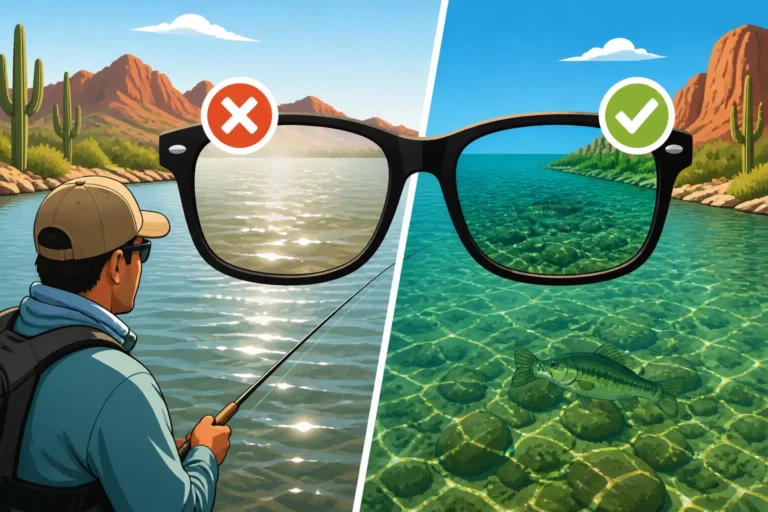
- Sun Protection: Arizona sun is intense. Beyond hats and sunscreen, consider a bimini top or shade umbrella for your boat. Polarized sunglasses are also essential for both eye protection and seeing into the water to spot fish or structure.
- Anchors and Lines: Even if your boat has a built-in anchor system, having an extra anchor and plenty of line can be a lifesaver if your primary fails or if you need to hold position in strong wind.
Being prepared for the unexpected is part of being a responsible boater, and it ensures that a minor inconvenience doesn't turn into a serious problem.
Electronics: Fish Finders and GPS
Modern fishing has been revolutionized by electronics, and for good reason. In Arizona's deep, often clear lakes, these tools are invaluable for locating fish and navigating safely.
- Fish Finder/Sonar: This is arguably the most important piece of fishing electronics. A good fish finder will show you depth, bottom structure (like submerged humps, trees, or ledges), and often the fish themselves. Look for units with Down Imaging and Side Imaging capabilities, which provide incredibly detailed views of the underwater world. Brands like Humminbird, Lowrance, and Garmin offer excellent options across various price points. When targeting specific species like bass or crappie, knowing the depth and type of structure they're holding to is key. Our guide to the Best Fish Finders for Bass Fishing in Arizona offers more detail.
- GPS/Chartplotter: Integrated into most modern fish finders, GPS allows you to mark waypoints for productive fishing spots, navigate safely to boat ramps, and avoid hazards. On large, complex lakes like Powell, a detailed lake map on your chartplotter is essential for safe navigation and efficient fishing. It also helps you stay aware of your speed and track your course.
- Trolling Motor with GPS: For serious anglers, a bow-mounted electric trolling motor with integrated GPS features like "Spot-Lock" (Minn Kota) or "Anchor" (MotorGuide) is a game-changer. These systems use GPS to automatically hold your boat in a precise position, even in wind or current, freeing you up to focus entirely on fishing. This is incredibly useful for working brush piles, fishing ledges, or holding over a school of stripers.
While a basic fishing trip can certainly be enjoyed without these advanced electronics, they significantly increase your efficiency and success rate, especially when fishing challenging or unfamiliar waters.
Comfort and Convenience Items
Beyond safety and advanced tech, a few comfort and convenience items can make your long days on Arizona lakes much more enjoyable.
- Cooler: Arizona heat demands a good cooler. Whether it's for keeping drinks and snacks cold or for preserving your catch, a high-quality cooler with good insulation is essential. Brands like YETI, RTIC, or Igloo Marine are popular choices. Ensure it's secured so it doesn't slide around in rough water. For more specific recommendations, refer to our Best Coolers for Hot-Weather Fishing in Arizona guide.
- Hydration: Always carry more water than you think you'll need. Dehydration is a serious risk in the desert. Consider electrolyte drinks too.
- Rod Holders: Beyond those built into your boat, additional clamp-on or rail-mounted rod holders can be incredibly useful for trolling, holding spare rods, or keeping rods secure while you're baiting hooks or handling fish.
- Tackle Organization: A well-organized tackle box or bag makes a huge difference. You don't want to be fumbling for lures or hooks when the fish are biting. Water-resistant containers are a must.
- Comfortable Seating: If your boat allows for it, extra padded seats or seat cushions can make a long day much more pleasant.
- Net or Lip Gripper: A good landing net is essential for safely landing larger fish, especially bass, crappie, or stripers, and minimizes stress on the fish for catch and release. A lip gripper is also excellent for handling toothy fish like stripers or catfish.
Outfitting your boat thoughtfully, from essential safety gear to helpful electronics and comfort items, ensures that every trip to an Arizona lake is as productive, safe, and enjoyable as possible.
Disclaimer
This article is for general informational purposes only and does not constitute professional advice. Laws, prices and regulations vary by location and change over time. Consult a qualified professional for guidance on your specific situation.