Do Largemouth Bass Get Bigger Than Smallmouth?
It's a question that echoes in bait shops and on the water's edge all across Arizona: do largemouth bass truly grow larger than their smallmouth cousins? Many of us have spent countless hours debating this, pulling in fish after fish, always wondering if that next cast will bring in a new personal best that settles the score. This guide dives deep into the world of Arizona's most popular bass species, breaking down their typical sizes, the factors that influence their growth, and where you're most likely to hook into a real monster, helping you understand the true potential of both the largemouth and smallmouth bass in our desert waters.
Understanding Bass Species in Arizona: A Quick Overview
Before we get into the nitty-gritty of size, it's helpful to remember that both largemouth and smallmouth bass are incredibly popular sport fish here in Arizona, each with its own unique characteristics and preferred haunts. They offer different challenges and rewards for anglers, and understanding their basic profiles is the first step in appreciating their size potential.
Largemouth Bass: The Desert Lake King
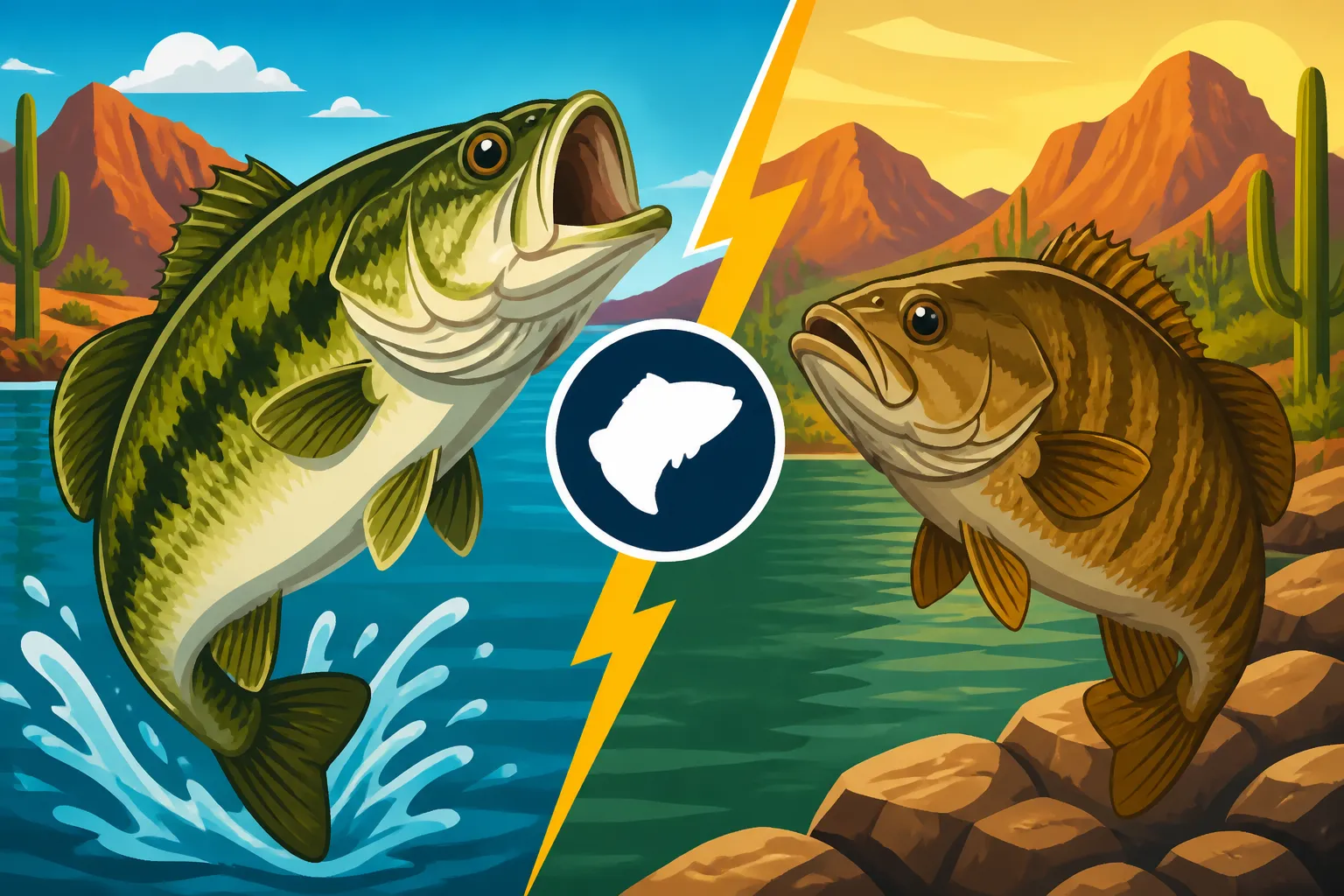
The largemouth bass, with its distinctive dark lateral line and a jaw that extends well beyond its eye, is truly a monarch in Arizona's desert lakes. These fish are opportunistic feeders, often found lurking in submerged vegetation, around brush piles, or beneath rocky ledges, waiting to ambush unsuspecting prey. They thrive in warmer, stiller waters, which is precisely why they've become the dominant bass species in many of our large impoundments like Lake Pleasant, Roosevelt Lake, and Lake Havasu. When you're fishing for largemouth, you're often targeting areas with abundant cover, whether it's submerged timber or thick hydrilla beds, which provide both refuge and prime hunting grounds.
Their diet is varied and robust, contributing significantly to their potential for growth. Largemouth will feast on anything from threadfin shad and gizzard shad, which are plentiful in our larger reservoirs, to crayfish, frogs, and even small birds or rodents that happen to fall into the water. This rich food supply, combined with the long growing seasons we experience in Arizona, allows them to pack on the pounds. Imagine pulling a 5-pound largemouth out from a weed line at Canyon Lake – that fish has been putting away a lot of shad to reach that size! For a more comprehensive look at these popular game fish, check out our Largemouth Bass Fishing Guide for Arizona.
Smallmouth Bass: The River and Reservoir Battler
In contrast to their largemouth relatives, smallmouth bass are often found in cooler, clearer waters with rocky bottoms, strong currents, or deep, clear reservoirs. Their coloration tends to be more bronze or golden, often with vertical bars or stripes, and their jaw typically does not extend past the back of their eye. In Arizona, you'll find healthy populations of smallmouth in places like Lake Powell, sections of the Colorado River, and even some of our higher elevation lakes and streams where the water stays a bit crisper. They are known for their incredible fighting spirit, often making acrobatic leaps out of the water when hooked, earning them the nickname "bronze backs."
Smallmouth bass prefer structure over vegetation. Think rocky points, boulder fields, sheer canyon walls, and current breaks in rivers. They are relentless predators, primarily feeding on crayfish, insect larvae, and smaller baitfish like minnows. This diet, while nutritious, can sometimes be less calorie-dense than the abundant shad populations favored by largemouth in some lakes. Their preference for cooler, often less productive waters can also play a role in their overall growth rate compared to largemouth in prime desert lake conditions. Picture yourself working a jig along a rocky drop-off at Lake Powell, hoping for that tell-tale tap of a feisty smallmouth – it’s a totally different experience than probing the shallow coves for largemouth. You can dive deeper into these tenacious fighters with our Smallmouth Bass Fishing Guide for Arizona.
The Core Question: Do Largemouth Bass Really Get Bigger?
Now, for the question that has sparked countless discussions: when it comes to raw size and weight, who wins the battle in Arizona? Generally speaking, the answer is yes, largemouth bass do have the potential to grow larger than smallmouth bass in Arizona.
Average Size Comparison
On average, a healthy adult largemouth bass in a well-managed Arizona fishery will typically outweigh a smallmouth bass of similar age. Largemouth frequently reach weights of 3-6 pounds, and landing one in the 7-10 pound range is considered a trophy. They have a broader, more robust body shape that allows them to gain significant mass.
Smallmouth bass, while incredibly muscular and powerful for their size, tend to be more streamlined. A good smallmouth in Arizona often falls in the 2-4 pound range, with a 5-pound smallmouth being a truly exceptional catch and anything above that reaching legendary status. While they might fight harder pound-for-pound, they generally don't achieve the sheer bulk of their largemouth counterparts.
Let's put this into a quick comparison table:
| Feature | Largemouth Bass (Arizona) | Smallmouth Bass (Arizona) |
|---|---|---|
| Typical Length | 12-24 inches | 10-20 inches |
| Typical Weight | 2-7 pounds (Trophy: 8+ pounds) | 1-4 pounds (Trophy: 5+ pounds) |
| Body Shape | Deeper body, larger mouth | More slender, smaller mouth |
| Preferred Water | Warmer, often murkier, vegetated lakes | Cooler, clearer, rocky rivers and lakes |
| Primary Forage | Shad, sunfish, frogs, crayfish | Crayfish, insect larvae, minnows |
Record Holders: Chasing the Giants
When we look at the official state records, the difference in size potential becomes even clearer. Arizona's state record largemouth bass is a truly colossal fish, weighing in at over 16 pounds! This leviathan was pulled from Lake Pleasant, a testament to the incredible growth potential of largemouth in our rich desert reservoirs. Imagine the thrill of hooking into something like that – it’s the kind of fish that defines a lifetime of angling. You can read more about this incredible catch in our Arizona Largemouth Bass Record post.
Now, compare that to the Arizona state record smallmouth bass, which typically sits in the 7 to 8-pound range. While this is still an absolutely phenomenal fish and a beast for its species, it doesn't quite reach the gargantuan proportions of the biggest largemouth. These record smallmouth often come from places like Lake Powell or certain stretches of the Colorado River, where conditions allow them to grow exceptionally large for their kind. These are still incredibly impressive fish, often caught by anglers who spend years perfecting their techniques for these hard-fighting bronze beauties. To learn about the top smallmouth, check out our Arizona Smallmouth Bass Record guide.
So, while a trophy smallmouth is certainly an achievement to be proud of, the sheer biological capacity for growth means largemouth bass generally have the upper hand in the "who gets bigger?" debate here in Arizona.
Factors Influencing Bass Growth in Arizona
It's not just about genetics; a multitude of environmental factors play a huge role in how big a bass can actually get. Arizona's unique desert environment presents both challenges and advantages for bass growth, and understanding these elements can help you predict where the biggest fish might be lurking.
Habitat and Forage Availability
The adage "you are what you eat" holds incredibly true for bass. The abundance and type of forage available are arguably the biggest determinants of a fish's growth rate.
- Largemouth Haven: In Arizona's major reservoirs, like Roosevelt Lake or Lake Pleasant, the largemouth bass benefit immensely from prolific populations of threadfin shad. These small, schooling baitfish provide a high-calorie, easily accessible food source that allows largemouth to grow rapidly and achieve impressive sizes. When shad are plentiful, especially during warmer months, bass can gorge themselves and pack on weight quickly. Additionally, the complex submerged brush and standing timber in these lakes provide ideal ambush points for these bigger predators.
- Smallmouth Territory: Smallmouth bass often inhabit more oligotrophic (nutrient-poor) waters, or areas within larger lakes that are clearer and rockier, like the canyon walls of Lake Powell. Their primary diet consists more of crayfish, minnows, and insect larvae. While nutritious, these food sources might not always be as abundant or calorie-dense as a massive school of shad. The cooler, clearer water they prefer also means a slightly slower metabolism, potentially leading to slower overall growth compared to a largemouth constantly feeding in warm, nutrient-rich waters.
The structure of their habitat also plays a role. Largemouth thrive in areas with plenty of cover, which allows them to conserve energy by ambushing prey. Smallmouth, preferring rocky areas, might expend more energy chasing down their meals, which could slightly impact their net energy gain for growth.
Water Temperature and Seasonality
Arizona's extreme temperatures have a profound impact on bass metabolism and activity.
- Warm Water Boost for Largemouth: Our long, hot summers, while challenging for anglers, provide extended periods of optimal feeding and growth for largemouth bass. Their metabolism is high in warm water, meaning they digest food quickly and are almost constantly on the hunt. This extended growing season, often stretching from early spring well into late fall, allows them to add significant size each year. However, extremely high surface temperatures in peak summer can sometimes push them deeper, but they remain active. For more about seasonal patterns, check out our guide on Arizona Fishing Seasons Explained.
- Smallmouth and Cooler Temps: Smallmouth bass generally prefer slightly cooler water temperatures than largemouth. While they still grow in warmer months, their metabolic rate might peak at a slightly lower temperature range. In some Arizona smallmouth fisheries, cooler winter temperatures can significantly slow down their feeding and growth, essentially putting them into a semi-dormant state. This means their active growth window might be slightly shorter or less intense than their largemouth counterparts in warmer lakes. Understanding When to Fish Arizona Lakes by Month can help tailor your approach.
Fishing Pressure and Management
Angling pressure and fishery management also impact the average size of bass.
- Impact of Catch and Release: In heavily fished lakes, even with strong catch-and-release ethics, the biggest fish might be caught more frequently. While releasing them allows them to grow, repeated stress from being caught can have subtle impacts. Many anglers on Amazon look for specialized landing nets and tools to minimize harm to larger fish, recognizing their importance to the ecosystem.
- Stocking and Regulations: Arizona Game and Fish Department (AZGFD) actively manages many of our fisheries. Stocking programs introduce new genetics and forage species, while regulations on Fishing Bag and Possession Limits Explained and size restrictions help protect larger, mature breeding fish, allowing them to continue growing and contributing to the gene pool. For example, lakes with slot limits or stricter harvest rules often produce a higher average size of bass. This careful balance ensures that future generations of anglers have a chance at catching true giants.
Where to Find the Biggest Bass in Arizona
Knowing that largemouth generally grow larger than smallmouth in Arizona, and understanding why, the next logical question is: where do you go to find these giants? While trophy fish are always a challenge to find, certain waters in Arizona consistently produce larger specimens of both species.
Top Lakes for Trophy Largemouth
If a truly gargantuan largemouth bass is what you're after, Arizona's major desert reservoirs are your best bet. These lakes offer the perfect cocktail of warm water, abundant forage, and extensive habitat.
- Lake Pleasant: Located northwest of Phoenix, Lake Pleasant is often cited as the premier trophy largemouth lake in Arizona. Its deep, clear waters are teeming with shad, and its complex underwater structure, including old river channels, humps, and submerged brush, provide excellent cover for large bass. Anglers frequently report catching largemouth in the 5-10 pound range, and it holds the state record, which speaks volumes. Early spring and late fall are prime times, but skilled anglers can find them year-round. Check out our Lake Pleasant Arizona Fishing Guide for detailed insights.
- Roosevelt Lake: East of Phoenix, Roosevelt Lake is another powerhouse for big largemouth. As one of the largest lakes entirely within Arizona, it offers vast expanses of prime habitat. The fluctuating water levels often create new cover, and its massive shad population fuels incredible growth. When the lake is full, the newly flooded vegetation becomes a haven for trophy bass. Spring is famous for its pre-spawn bite, where giants move shallow. Our Roosevelt Lake Arizona Fishing Guide can help you plan your trip.
- Lake Havasu: On the western edge of Arizona, part of the Colorado River system, Lake Havasu is a world-renowned bass fishery. Its clear waters, rocky points, and abundant submerged structure, coupled with a healthy forage base, make it a consistent producer of large largemouth. It’s also a popular tournament destination, a testament to its quality. Lake Havasu Arizona Fishing Guide has more information.
Other notable mentions for largemouth include Canyon Lake and Apache Lake, part of the Salt River chain, which consistently produce quality fish and occasional trophies, especially during the spring spawn. You can learn about these amazing places in our Salt River Chain of Lakes Explained article.
Prime Waters for Robust Smallmouth
While their trophy potential might not reach the same extreme as largemouth, Arizona offers some incredible smallmouth fisheries where you can consistently catch respectable and hard-fighting bronze backs.
- Lake Powell: Spanning both Arizona and Utah, Lake Powell is arguably Arizona's smallmouth bass paradise. Its countless coves, steep canyon walls, and rocky points provide ideal smallmouth habitat. The sheer vastness and diverse structure mean there's always a new spot to explore. Smallmouth here grow strong and feisty, with 3-5 pounders being common and larger fish always a possibility. Early spring and late fall are fantastic, but you can find them year-round in different depths. To master this iconic lake, explore our Lake Powell Arizona Fishing Guide. Many anglers find specialized maps and fishing guides for Lake Powell on Amazon, which can be invaluable for navigating its vastness.
- Colorado River (Specific Sections): Certain stretches of the Colorado River, particularly below impoundments where the water is cooler and has a more consistent flow, can hold excellent smallmouth populations. The rocky banks and current breaks are tailor-made for these fish. Fishing the river requires a slightly different approach than lakes, often focusing on current seams and eddies.
- High Elevation Lakes/Streams: While less common for large numbers, some of Arizona's higher elevation lakes and streams can surprise you with solid smallmouth populations. These spots generally offer cooler, clearer water, which smallmouth prefer, though their growth might be slower due to shorter warm seasons and less abundant forage compared to the larger reservoirs.
Ultimately, whether you're chasing the colossal largemouth or the tenacious smallmouth, Arizona provides incredible opportunities for both. The joy of fishing lies in the pursuit, and understanding the nuances of each species only enhances the experience. Just remember to check the Arizona Fishing Regulations Explained before you go, and always practice responsible angling to keep these fisheries healthy for years to come.
Disclaimer
This article is for general informational purposes only and does not constitute professional advice. Laws, prices and regulations vary by location and change over time. Consult a qualified professional for guidance on your specific situation.