Is the Channel Catfish Native to Arizona?
One common misconception many new anglers have when they first start fishing in Arizona is wondering if every fish they catch is truly "native" to these desert waters. It's easy to assume that species like the Channel Catfish, which are so incredibly widespread and popular here, must have been around forever. However, the truth is a bit more nuanced, and understanding the history of these fish can really deepen your appreciation for Arizona's unique fisheries. This guide will dive deep into the fascinating story of the Channel Catfish in Arizona, clarifying its origins and its place in our aquatic landscape.
The Channel Catfish in Arizona: An Introduced Species
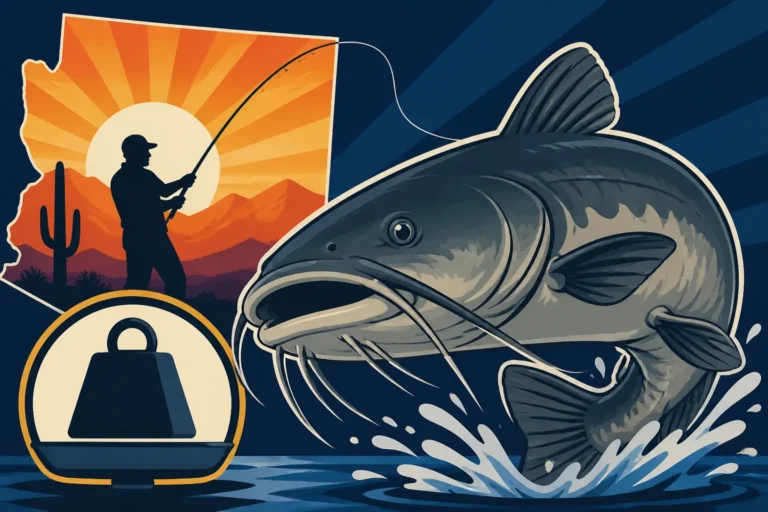
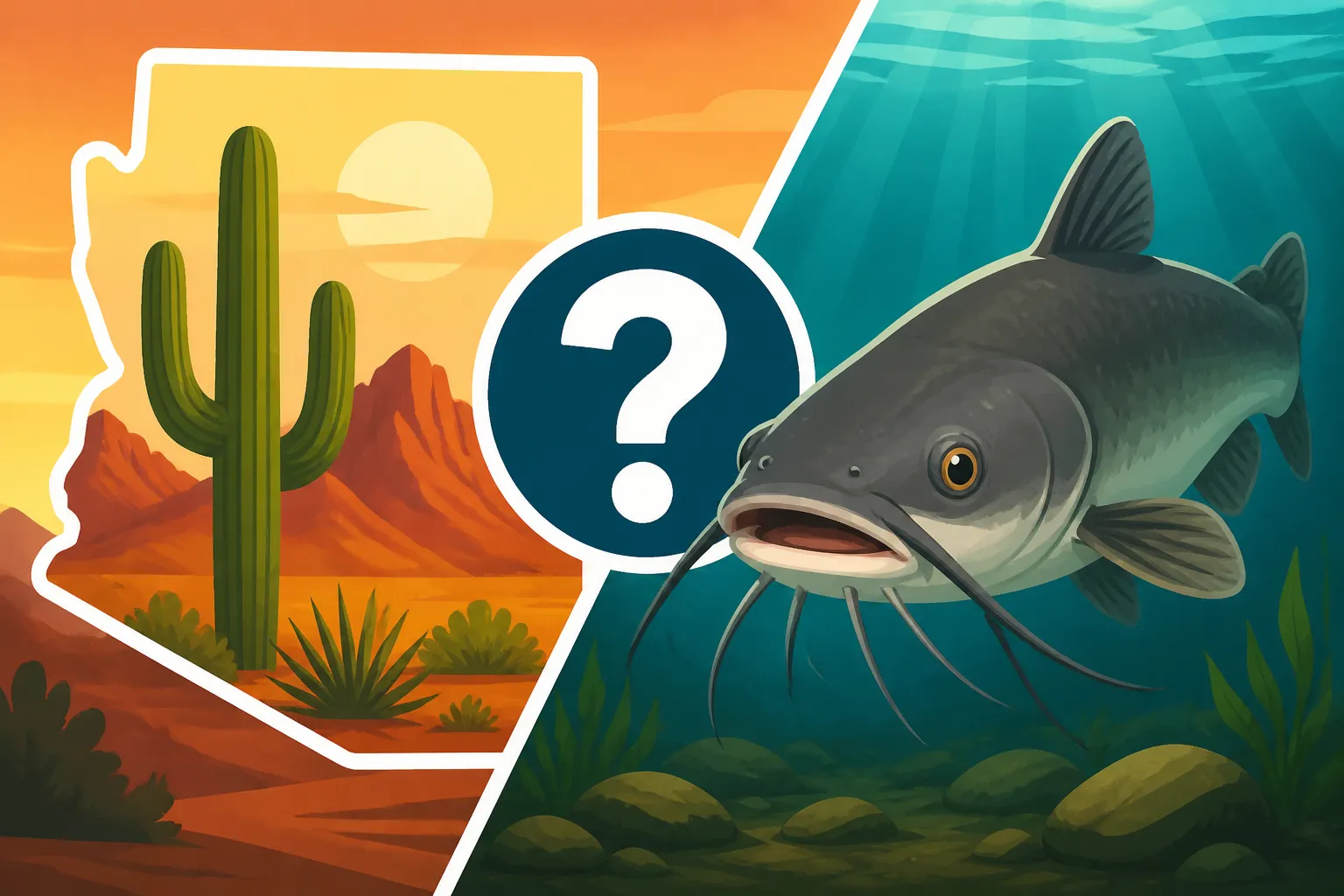
Let's get straight to it: no, the Channel Catfish (Ictalurus punctatus) is not native to Arizona. While it’s certainly a cornerstone of many of our state’s fisheries today, its original range stretched primarily across the central and eastern United States, particularly within the Mississippi River basin. Its introduction to Arizona was a deliberate effort, primarily driven by the desire to establish a robust sport fishery and provide a valuable food source for a growing population. These fish have adapted incredibly well to the warm, often challenging conditions of Arizona's lakes and rivers, making them a prime target for anglers statewide. Their resilience and prolific nature have allowed them to become a naturalized part of the ecosystem, even if they aren't originally from here.
Why Channel Catfish Were Introduced
The reasons behind introducing Channel Catfish to Arizona are quite straightforward and reflect a common management strategy across the country. First and foremost, they are phenomenal sport fish. They grow to impressive sizes, fight hard, and are accessible to anglers using a variety of techniques, from simple bait fishing to more advanced artificial presentations. This made them an attractive option for stocking in new reservoirs and existing waters to enhance recreational opportunities. People wanted to catch fish, and channel cats delivered.
Secondly, Channel Catfish are excellent table fare. Their mild, flaky white meat is highly sought after, making them a popular choice for families looking to bring home a meal. Introducing a species that could thrive and provide both sport and sustenance was a win-win for wildlife managers and the public. Think about the community fishing programs; without a hardy, catchable fish like the Channel Catfish, these programs wouldn't be nearly as successful. Lastly, their hardiness and adaptability played a huge role. Arizona's desert lakes and rivers can present extreme temperatures and fluctuating water levels. Channel Catfish are incredibly tolerant of these conditions, able to withstand warm water temperatures and lower oxygen levels that might stress other species. This made them ideal candidates for widespread stocking and propagation across the state, from urban ponds to large reservoirs.
Where Channel Catfish Thrive in Arizona
You'd be hard-pressed to find a major warm-water lake or even a community pond in Arizona where Channel Catfish aren't present and thriving. They are truly ubiquitous. You’ll find them in the deep, sprawling waters of Lake Pleasant, the vastness of Roosevelt Lake, and even the smaller, more intimate settings of the Phoenix and Tucson urban fishing program lakes. The Arizona Game and Fish Department (AZGFD) regularly stocks Channel Catfish in many of these waters, ensuring a healthy population for anglers.
The larger impoundments, like those along the Salt River Chain (Saguaro, Canyon, Apache Lakes), offer fantastic opportunities for trophy-sized cats due to abundant forage and structure. Rivers like the lower Colorado River are also prime Channel Catfish habitat, providing flowing water and plenty of nooks and crannies for them to hide. Even smaller, more remote waters that might seem challenging for other species can hold impressive numbers of Channel Catfish. Anywhere with some decent depth, cover, and a food source, these adaptable fish are likely to make a home. For specifics on where to find them, check out our guide on Best Catfish Fishing Spots in Arizona.
Impact on Arizona's Aquatic Ecosystems
The introduction of any non-native species always raises questions about its impact on the existing ecosystem. For Channel Catfish in Arizona, the story is largely positive, especially when compared to some other introduced species. They've filled an ecological niche, providing angling opportunities without broadly outcompeting or devastating native fish populations in the way some aggressive predators or invasive species can. Their widespread presence speaks to their successful integration.
Benefits of Channel Catfish for Anglers and Ecosystems
From an angler's perspective, the benefits are clear: a fantastic, accessible, and exciting fish to pursue. Channel Catfish are often the first "big" fish a new angler catches, instilling a lifelong love for the sport. They provide a year-round fishery, particularly good for Catfish Night Fishing Techniques during the hot summer months when other species might be less active. For families, they offer a reliable target in community lakes, which is essential for programs designed to get more people outdoors.
Ecologically, Channel Catfish are primarily scavengers and opportunistic feeders. They help process organic matter and can prey on smaller, sometimes overpopulated, forage fish, contributing to a balanced food web. In many of Arizona's man-made reservoirs, which don't have a long history of native fish diversity to begin with, Channel Catfish seamlessly fit into the established warm-water sport fishery alongside species like Largemouth Bass. They are hardy and can withstand various environmental changes, making them a stable part of the recreational fishery.
Potential Concerns for Native Arizona Fish
While Channel Catfish are generally considered a beneficial or at least benign introduced species in Arizona, it's always important to acknowledge potential concerns when any non-native fish is introduced. Their opportunistic feeding habits mean they can consume a wide range of prey, including insects, crustaceans, and smaller fish. In waters where sensitive native fish species are present, there's always a theoretical risk of competition for food or predation on young native fish. However, in Arizona, most of our native fish species that are vulnerable to predation typically inhabit cooler, flowing waters in higher elevations or very specific river stretches, often with stricter conservation rules.
The large, warm-water reservoirs where Channel Catfish thrive generally have robust populations of other introduced species (like bass and sunfish) that are also not native to Arizona. In these environments, Channel Catfish simply become another component of an already altered system. Habitat alteration is less of a concern with Channel Catfish compared to bottom-dwelling species that stir up sediment excessively. The AZGFD manages stocking programs carefully to minimize negative impacts while maximizing recreational benefits, focusing introductions into appropriate waters. Understanding these dynamics is part of grasping the broader Arizona Fishing Regulations Explained.
Identifying Channel Catfish vs. Other Arizona Catfish
Knowing your fish is crucial, not just for bragging rights but also for adhering to regulations. While Channel Catfish are the most common catfish in Arizona, we have other important species, most notably the Flathead Catfish, and various Bullheads. Distinguishing them is relatively straightforward once you know what to look for.
Key Identification Features of Channel Catfish
The Channel Catfish has some distinct features that make it easy to identify:
- Coloration: Typically olive-brown to slate-gray on the back and sides, fading to white or silvery on the belly. Younger fish often have dark, irregular spots on their sides, which tend to fade as they age.
- Tail: This is often the easiest differentiator. Channel Catfish have a deeply forked tail fin, almost like a swallow's tail.
- Body Shape: They have a relatively slender, streamlined body compared to the more robust Flathead.
- Barbels: They possess eight barbels (whiskers) around their mouth – two on the upper jaw, four on the lower jaw, and two on the snout.
- Dorsal Fin: The dorsal fin (on the back) has a sharp, spine-like ray that can be quite rigid.
When you're reeling one in, pay close attention to that tail! It's the dead giveaway. You can find many guides and detailed pictures if you search for "Channel Catfish identification" on platforms like Amazon, often bundled with fishing gear purchases.
Other Catfish Species in Arizona Waters
Arizona is home to a few other notable catfish species, some of which are quite impressive in their own right:
- Flathead Catfish (Pylodictis olivaris): Also an introduced species and highly sought after by trophy hunters. Flatheads are easily distinguished by their flat, broad head, shovel-like lower jaw, and a slightly notched or squared tail (not deeply forked). They are typically mottled brown or yellow and can grow to enormous sizes in the Colorado River. They are often found in slower-moving, deeper sections of rivers and large lakes. For more details, refer to Channel Catfish vs Flathead Catfish Identification.
- Bullhead Catfish (various species, Ameiurus genus): These are smaller, stout-bodied catfish. They have a rounded or slightly notched tail (again, not deeply forked) and are typically dark brown to black. They are very common in smaller ponds and slower sections of rivers and are often the first catfish caught by young anglers.
- Native Catfish: Arizona does have a few native catfish species, but they are generally smaller, less common, and often restricted to very specific native habitats or protected areas. These aren't typically what anglers are targeting in recreational fisheries and are often protected by Nongame Fish Species Rules in Arizona.
Here's a quick comparison table to help you keep them straight:
| Feature | Channel Catfish | Flathead Catfish | Bullhead Catfish |
|---|---|---|---|
| Origin | Introduced (Mississippi basin) | Introduced (Mississippi basin) | Introduced (Eastern US) |
| Tail Shape | Deeply Forked | Slightly Notched / Squared | Rounded / Slightly Notched |
| Head Shape | Slender, conical | Broad, Flat, Shovel-like | Rounded, moderately large |
| Coloration | Olive-brown/gray, often spotted (young) | Mottled brown/yellow, dark | Dark brown/black |
| Lower Jaw | Even with upper | Protrudes (underbite) | Even with upper |
| Typical Size | Common up to 10-15 lbs | Can exceed 50+ lbs | Rarely over 5 lbs |
| Primary Diet | Omnivore, scavenger | Predatory (live fish) | Omnivore, scavenger |
Fishing for Channel Catfish in Arizona
So, now that we know all about Channel Catfish's background, let's talk about catching them! These fish are a joy to pursue and offer consistent action across many Arizona waters. You don't need highly specialized gear, making them an excellent target for beginners and seasoned anglers alike.
Best Baits and Techniques for Channel Cats
Channel Catfish are not picky eaters, which is one of their most endearing qualities! They respond well to a wide variety of natural and prepared baits. The key is often scent and presentation near the bottom.
- Stink Baits & Prepared Baits: This is classic catfishing. Pre-made "stink baits" or dough baits that come in jars or tubs are incredibly effective. You can often find a wide selection of these, along with specialized hooks for them, on Amazon. Brands like Berkeley PowerBait Catfish Bait or dip baits are very popular.
- Cut Baits: Strips of shad, carp, or other oily fish are irresistible to catfish. The oil and blood trail through the water, drawing them in. Bluegill can also be cut into chunks and used effectively.
- Live Baits: While not as common for Channel Catfish as for Flatheads, a live worm or small sunfish can also entice a bite, particularly from larger channels.
- Chicken Livers: A time-honored classic. The scent and texture are perfect. Just be prepared for them to be messy!
- Hot Dogs/Marshmallows: Believe it or not, these pantry staples can be surprisingly effective, especially in community ponds. Marinating hot dog pieces in garlic powder or Kool-Aid can boost their appeal.
- Techniques: Bottom fishing is king for Channel Catfish. A simple Carolina rig or a slip-sinker rig with a single hook will do the trick. Cast it out, let it sink to the bottom, and wait for the telltale tap-tap-pull of a catfish bite. Pay attention to your line, as catfish bites can sometimes be subtle before they run with the bait. For detailed strategies, our guide on Best Bait for Catfish in Arizona is a must-read.
Popular Spots to Target Channel Catfish
You have an embarrassment of riches when it comes to places to target Channel Catfish in Arizona. As mentioned, they're pretty much everywhere there's warm water.
- Community Fishing Program Lakes: These urban lakes in cities like Phoenix, Tucson, Mesa, and Glendale are regularly stocked with Channel Catfish by AZGFD. They are highly accessible, often have amenities like restrooms and fishing piers, and provide excellent opportunities for families and beginners. Lakes like Tempe Town Lake, Kiwanis Lake, or Kennedy Lake are prime examples. Just be mindful of the Catfish Limit at Arizona Community Fishing Lakes.
- Large Reservoirs: Lakes such as Lake Pleasant, Roosevelt Lake, and Bartlett Lake hold massive populations of Channel Catfish, including many trophy-sized specimens. These waters offer deep channels, submerged structure, and plenty of forage for cats to grow big. Fishing points, coves, and the mouths of creeks can be productive.
- Colorado River: The vast stretches of the Colorado River, especially below major dams and in slower backwater areas, are fantastic for Channel Catfish. Areas around Yuma, Parker, and even up near Lake Havasu can yield impressive catches.
- Smaller Lakes and Ponds: Don't overlook the myriad of smaller, less-pressured lakes and stock tanks scattered across the state. Many of these can hold surprisingly large and healthy Channel Catfish populations, especially if they are managed for warm-water species.
Remember to check the current Arizona Fishing Regulations Explained before heading out, as limits and rules can vary by water body. Grab your favorite rod, some smelly bait (you can often find great deals on basic fishing rods and reels perfect for catfishing on Amazon), and get ready for some fun. Whether they're native or not, Channel Catfish are an absolute blast to catch in Arizona!
Disclaimer
This article is for general informational purposes only and does not constitute professional advice. Laws, prices and regulations vary by location and change over time. Consult a qualified professional for guidance on your specific situation.