Are There Walleye in Any Arizona Lake?
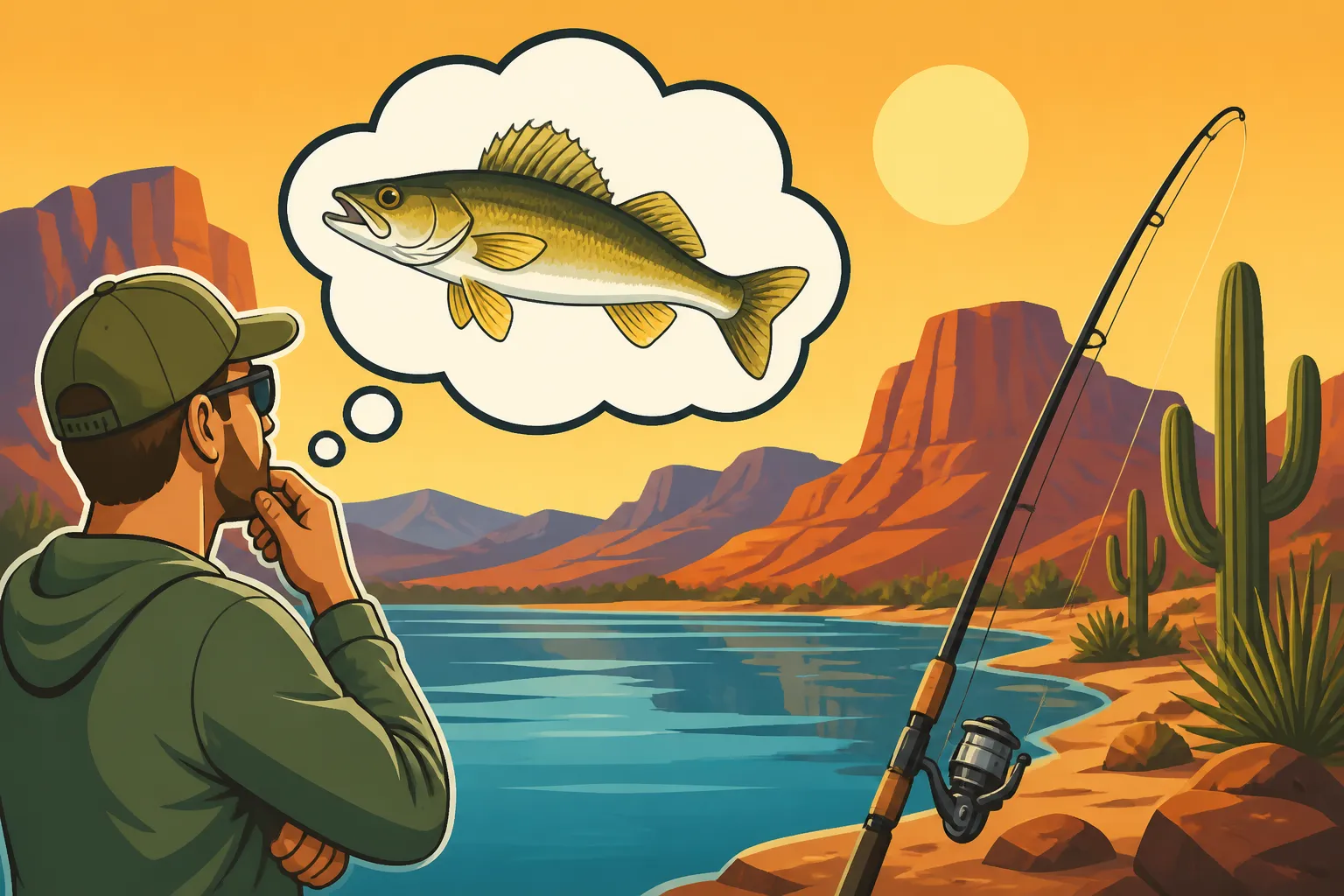
It's a common question for anglers new to Arizona, or even those who've fished other states for years, wondering if the elusive and prized walleye makes an appearance in our beautiful desert lakes. The truth, for many, can be a little disappointing, especially if you're picturing those classic walleye fisheries up north. While Arizona boasts an incredible array of sportfish and diverse fishing experiences, the walleye population isn't what most anglers hope for. This guide will set the record straight on walleye in Arizona and, more importantly, highlight the fantastic fishing opportunities that do thrive here, often offering a similar thrill and table fare.
The Walleye Question in Arizona: Setting the Record Straight
Let's get straight to it: for the vast majority of Arizona's lakes and rivers, walleye are not a target species, nor are they widely present in any significant numbers. Many anglers moving here from states like Minnesota, Wisconsin, or even states further east or north with strong walleye programs, understandably ask about them. They're a fantastic fish, known for their delicious fillets and often challenging bite, but Arizona's unique environment and fisheries management priorities generally haven't favored their widespread introduction or proliferation.
A Brief History of Walleye Introductions (or lack thereof)
Historically, there have been very limited attempts, or perhaps more accurately, isolated incidents, where walleye might have been introduced into Arizona waters. These efforts were often experimental or localized, and for a variety of ecological reasons, the fish never established a self-sustaining, widespread population. Unlike states where walleye stocking programs are a cornerstone of their fisheries management, Arizona has focused its resources on species that are better suited to its warm, arid climate and reservoir ecosystems.
Think about it: walleye typically thrive in cooler, deeper waters with specific forage bases, often preferring large, clear lakes or slow-moving rivers. While Arizona has deep lakes like Lake Powell and some cooler waters in the high country, the general conditions of our major reservoirs — warmer water temperatures for much of the year, specific types of prey fish, and fluctuations in water levels — aren't ideal for walleye to truly take hold and become a dominant species. This isn't to say a rogue walleye has never been caught, but they are incredibly rare and certainly not something an angler would actively target with any expectation of success.
Why Walleye Aren't a Primary Target Species Here
The reasons walleye haven't become a "thing" in Arizona are multi-faceted. First, as mentioned, water temperature plays a huge role. While many Arizona lakes have deep, cool sections, the extensive shallow areas and overall warmer surface temperatures during spring, summer, and fall are less than optimal for walleye reproduction and sustained growth. Our desert lakes are primarily warm-water fisheries for most of the year.
Second, the forage base, or what the fish eat, is critical. Arizona's reservoirs are rich with baitfish like threadfin shad and gizzard shad, which are fantastic for species like largemouth bass, striped bass, and crappie. While walleye can eat shad, the overall ecosystem here is more geared towards warm-water predators. Finally, state fisheries agencies, like the Arizona Game and Fish Department, have strategic priorities. Their focus has been on managing and enhancing populations of highly successful and popular species that are already well-adapted to our environment. Pouring resources into a species that struggles to thrive here simply doesn't make ecological or economic sense when there are so many other fantastic fishing opportunities. Arizona Fishing Regulations Explained provides a great overview of the rules governing species that do thrive here.
Understanding Arizona's Unique Fisheries
So, if you can't chase walleye, what can you pursue with a rod and reel in the Grand Canyon State? The answer is a vibrant, diverse, and often explosive fishery that keeps anglers coming back year after year. Arizona's waters, while challenging, offer some truly exceptional angling experiences.
What Thrives in Arizona's Waters Instead?
Prepare for a paradigm shift! Instead of walleye, Arizona's lakes and rivers are teeming with some of the most sought-after game fish in the country.
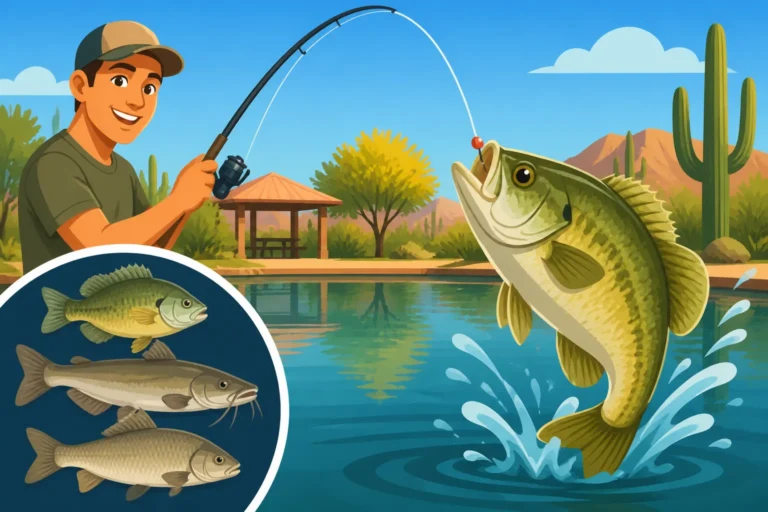
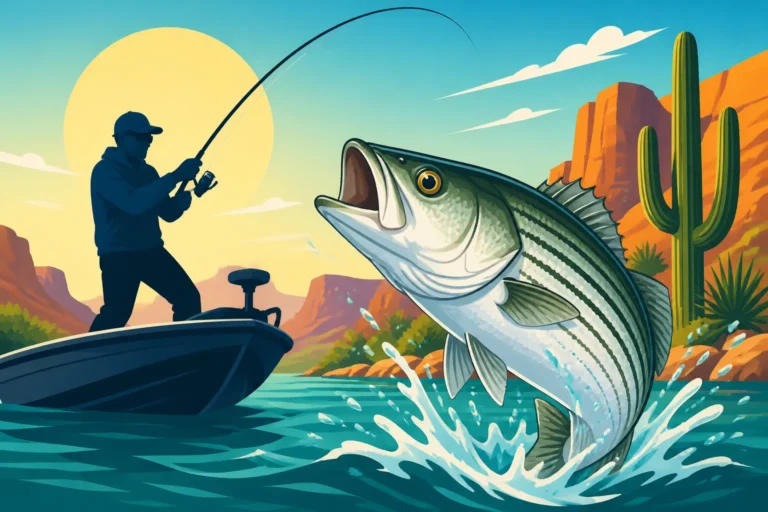
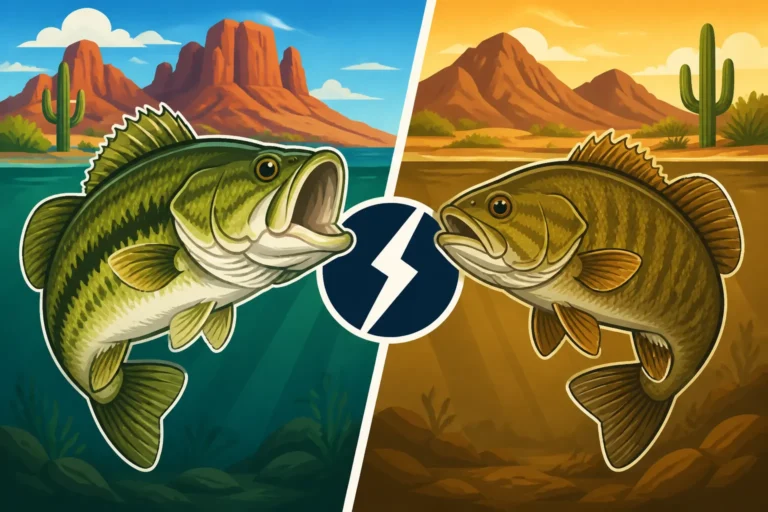
- Bass: This is arguably the king of Arizona's warm-water fisheries. We have incredible populations of Largemouth Bass Fishing Guide for Arizona in almost every major reservoir, from Lake Pleasant to Roosevelt Lake. These fish grow big and fight hard. Then there are Smallmouth Bass Fishing Guide for Arizona, particularly in rocky, clear-water environments like the canyons of Lake Powell, offering a different kind of challenge. And let's not forget the ferocious Striped Bass Fishing Guide for Arizona that roam our biggest reservoirs like Lake Powell and Lake Pleasant, often schooling and boiling on the surface, providing non-stop action.
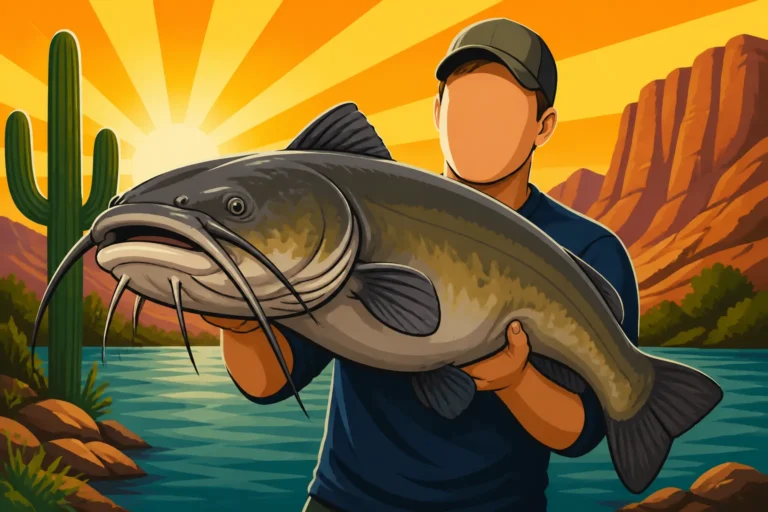
- Catfish: If you're looking for a powerful fight and excellent table fare, Arizona's catfish scene is second to none. Catfish Fishing Guide for Arizona covers the abundance of channel catfish in most lakes and the monstrous flathead catfish that lurk in the Colorado River system. Night fishing for these giants is a popular and productive pastime.
- Crappie: For those who love panfish and the thrill of a good school, Crappie Fishing Guide for Arizona is a must-read. Black and white crappie thrive in our brushy, submerged timber-filled lakes like Roosevelt and Apache, offering fantastic spring and fall fishing.
- Trout: While not a warm-water species, Arizona's high country lakes and rivers, as well as several urban community fishing lakes in the cooler months, are heavily stocked with Rainbow Trout Fishing Guide for Arizona. Lees Ferry on the Colorado River is a world-class trout fishery known for its large, wild rainbows.
- Sunfish: From bluegill to redear sunfish, these panfish are abundant in almost all waters, providing endless fun for families and beginners.
Desert Lake Dynamics: Why It's Different
Fishing in Arizona is a unique experience. Our desert lakes are often massive, deep reservoirs carved out of arid landscapes, with dramatic canyons, submerged timber, and fluctuating water levels that can dramatically change the fishing conditions from year to year, or even month to month. The intense Arizona sun means that fish often move to deeper, cooler waters during the hottest parts of the day and year, or become more active during dawn, dusk, and even at night.
Fisheries management here involves careful balancing acts – managing water levels for human consumption and power generation, while also maintaining healthy fish populations. Stocking programs for bass, trout, and catfish are vital for many lakes, ensuring continued angling opportunities. These lakes are dynamic, constantly changing, and they demand a different approach than traditional northern fisheries. It's a challenge, but one that rewards anglers with incredible catches and unforgettable experiences.
Where Anglers Often Mistake Other Fish for Walleye
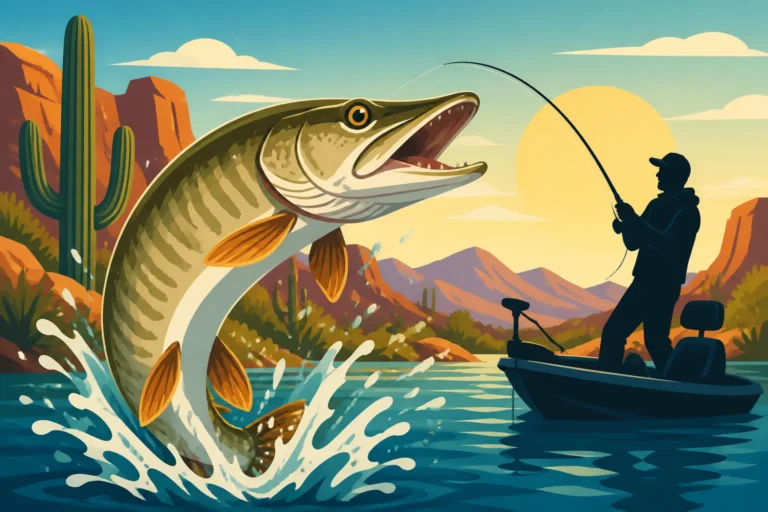
It's actually quite common for anglers, especially those new to Arizona, to sometimes mistake other fish species for walleye. This usually happens because they're looking for certain physical characteristics associated with walleye, or simply because they're hoping to find them!
Misidentification of Other Species
The most common culprits for walleye misidentification in Arizona are typically members of the bass family, specifically Striped Bass vs White Bass Identification or even the less common yellow bass.
- White Bass: These fish are found in some of Arizona's lakes, though not as widespread as stripers. They share a somewhat elongated body shape and often have subtle stripes, which can, at a quick glance or in poor light, lead someone to think of a walleye. However, white bass have a more compressed body, different fin structures, and lack the prominent canine teeth and cloudy eye characteristic of a true walleye.
- Yellow Bass: While not as common as white bass, yellow bass do exist in certain Arizona waters. They are smaller than white bass and have distinct, broken lateral stripes. Again, their overall shape might vaguely remind someone of a walleye, but upon closer inspection, the differences are clear. Yellow Bass Identification Guide can help you discern these feisty little fighters.
- Striped Bass: For anglers looking for a larger, hard-fighting fish that schools, stripers are often the closest thing Arizona has to a "big game" experience in a reservoir. While their body shape and prominent stripes are distinctly different from a walleye, their schooling behavior and willingness to chase lures can fulfill a similar niche for anglers. They don't have the walleye's large, opaque eye, but they are powerful predators.
It's worth taking the time to learn the distinct features of Arizona's prevalent species. A good fishing guide or even a quick search for "Fish Species Guide for Arizona Lakes" can help clear up any confusion and ensure you're correctly identifying your catch.
The Appeal of Walleye and Similar Experiences
The appeal of walleye often boils down to a few key factors: their reputation as superb table fare, their tendency to school, and the specific techniques (like jigging or trolling deep structure) used to catch them. While walleye themselves are absent, Arizona's fisheries offer parallel thrills:
- Exceptional Eating Fish: Crappie are often called "paper mouths" for a reason, and their fillets are considered a delicacy by many. Best-Tasting Fish to Keep From Arizona Lakes would certainly list crappie high. Channel catfish also offer delicious, firm white meat, especially when caught from clean waters.
- Schooling Action: If you love the idea of finding a school of fish and getting into non-stop action, look no further than Arizona's striped bass. When a striper boil erupts on the surface, it's an exhilarating experience with multiple hook-ups possible. White bass, though smaller, also school aggressively.
- Challenging Techniques: While not exactly walleye techniques, Arizona's fishing demands skill. Deep-water jigging for winter bass, slow-trolling for crappie in submerged timber, or finessing a drop shot for smallmouth in clear canyons all require precision and patience, offering a rewarding challenge. You can find a huge variety of specialized fishing gear to tackle these species on platforms like Amazon, from specific crankbaits to advanced fish finders, allowing you to equip yourself for Arizona's unique challenges.
Targeting Arizona's Abundant Game Fish (Instead of Walleye)
Instead of lamenting the absence of walleye, let's celebrate the incredible opportunities that are here. Arizona offers some truly world-class fishing for a variety of species.
Top Alternatives for Sport and Table Fare
If you're seeking a productive and exciting day on the water, here are some top recommendations, along with the species you'll find there:
- For Bass Enthusiasts:
- Roosevelt Lake: A massive reservoir known for huge Largemouth Bass Average Weight in Arizona Lakes. It's a fantastic lake for both quantity and quality.
- Lake Pleasant: Offers excellent largemouth and is perhaps best known for its incredible Best Season for White Bass at Lake Pleasant and striped bass fishing. Boils of schooling stripers are a common and thrilling sight.
- Lake Powell: A truly iconic fishery, Lake Powell Arizona Fishing Guide is renowned for its trophy smallmouth bass, which thrive in its countless canyons and rocky structure. You'll also find a robust population of Striped Bass Fishing Guide for Arizona, often growing to impressive sizes.
- Apache Lake & Canyon Lake: These stunning canyon lakes are excellent for largemouth bass and offer breathtaking scenery.
- For Catfish Lovers:
- Colorado River (especially below dams like Laguna Dam): This river system is legendary for its giant Flathead Catfish Average Weight on the Colorado River and abundant channel catfish. Night fishing is often key.
- Alamo Lake: Famous for its consistently good catfish action, along with excellent bass fishing.
- For Crappie Chasers:
- Roosevelt Lake & San Carlos Lake: These lakes are prime spots for catching slab crappie, especially during the spring spawn. Best Areas for Crappie at Roosevelt Lake are often found around submerged timber and brush piles.
- For Trout Anglers:
- Lees Ferry (Colorado River): A blue-ribbon trout fishery, offering some of the best fly fishing for large rainbow trout in the West.
- High Country Lakes (e.g., Big Lake, Show Low Lake, Lakes Mary): Regularly stocked with rainbow trout and offering cooler weather fishing. Rainbow Trout Fishing Guide for Arizona covers these beautiful destinations.
- Community Fishing Program Lakes: In urban areas, these ponds are regularly stocked with rainbow trout during the cooler months, providing easy access for families and beginners. Community Fishing Program Rules are easy to follow.
Gear and Techniques for Arizona's Star Species
To succeed in Arizona's unique environment, you'll want to tailor your gear and techniques to the specific species and conditions.
- Bass Fishing: For largemouth, think Texas rigs, Senkos, crankbaits, and spinnerbaits, often targeting structure like brush piles, submerged trees, or rocky points. For smallmouth, finesse techniques like drop-shotting, shaky heads, or small jigs are highly effective in clear water. Best Bass Fishing Techniques for Arizona Lakes offers deeper insights.
- Striped Bass: Trolling with swimbaits or spoons is popular in deeper water. When stripers are boiling, cast topwater lures, spoons, or swimbaits into the frenzy. Cut bait is also very effective, especially for larger, deep-water stripers. You'll want a medium-heavy rod and a reel capable of handling strong runs. On Amazon, you'll find a wide selection of durable rods and reels perfectly suited for battling these powerful fish.
- Catfish: For channel catfish, simple bottom rigs with stink baits, chicken livers, or cut bait work wonders. Flatheads prefer large live bait like bluegill or carp. Heavy-duty rods and reels with strong line are a must.
- Crappie: Small jigs (1/16 to 1/8 oz) tipped with a minnow or soft plastic are classic. Look for them around brush, standing timber, or submerged structure. A light to ultra-light rod and reel will maximize the fun.
- Trout: For stocked lakes, power bait, worms, or small spinners are effective. At Lees Ferry, fly fishing with nymphs, streamers, and dries is the name of the game.
Arizona's fishing scene is truly incredible, even without the walleye. By understanding the unique dynamics of our waters and focusing on the species that thrive here, you'll unlock a world of exciting angling adventures.
| Feature | Walleye (Typical) | Largemouth Bass (AZ) | Striped Bass (AZ) | Channel Catfish (AZ) |
|---|---|---|---|---|
| Preferred Habitat | Cool, clear, deep lakes/rivers | Warm, weedy, structured lakes | Large, open reservoirs/rivers | Variety of waters, often muddy |
| Primary Diet | Minnows, shad, invertebrates | Shad, bluegill, crawfish, worms | Shad, other baitfish, small fish | Anything: baitfish, insects, algae |
| Typical Size | 15-25 inches, 2-10 lbs | 12-20 inches, 1-8 lbs | 18-35 inches, 3-20 lbs+ | 15-28 inches, 1-15 lbs+ |
| Fight Style | Hard pull, head shakes | Aggressive jumps, strong runs | Powerful, sustained runs | Heavy, bulldogging pull |
| Table Fare | Excellent, flaky white meat | Good, white meat (can be strong) | Good, firm white meat (can be oily) | Excellent, mild white meat |
| Presence in AZ | Extremely rare, not targeted | Abundant, primary sport fish | Abundant in major reservoirs | Abundant, popular sport/food fish |
Disclaimer
This article is for general informational purposes only and does not constitute professional advice. Laws, prices and regulations vary by location and change over time. Consult a qualified professional for guidance on your specific situation.