Best-Tasting Fish to Keep From Arizona Lakes
There's nothing quite like the satisfaction of a successful fishing trip, but for many of us, the joy doesn't end when the fish is landed. It extends right into the kitchen, where the freshest catch transforms into a delicious meal. However, if you're new to Arizona's diverse waters, or even if you've been casting a line for a while, you might be wondering: which fish truly taste the best from our desert lakes and mountain streams? This guide is here to help you navigate the culinary side of Arizona fishing, ensuring your efforts on the water translate into fantastic flavors on your dinner plate.
The Arizona Culinary Catch: Top Contenders for Your Dinner Plate
When it comes to selecting fish for the frying pan or grill, taste is incredibly subjective, of course. What one angler adores, another might politely pass on. But certain species consistently rank high among Arizona anglers for their palatable flesh and versatility in cooking. Let’s dive into the most sought-after table fare.
Largemouth and Smallmouth Bass: The Fight and The Flavor
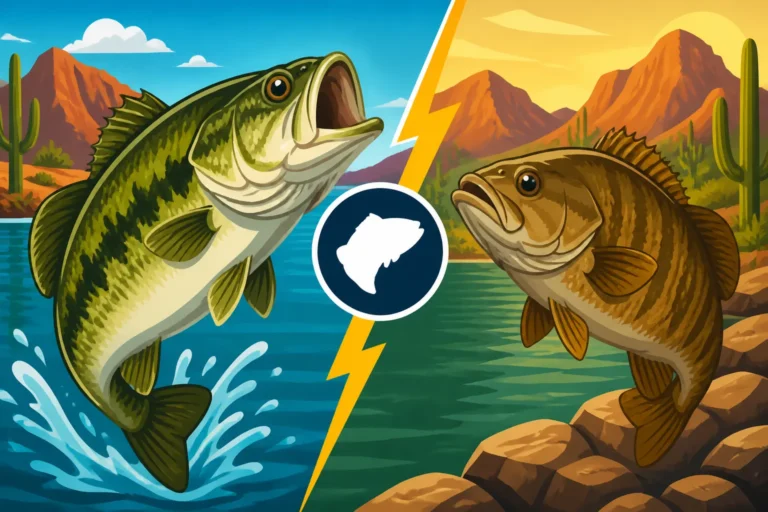
Ah, bass! These incredible sportfish are the bread and butter for so many anglers across Arizona. They put up a spectacular fight, thrilling us with their acrobatics and powerful runs. But beyond the thrill, many people wonder about their eating quality. The truth is, both largemouth and smallmouth bass can be excellent table fare, especially when handled properly.
Largemouth bass, commonly found in warmer desert lakes like Lake Pleasant, Roosevelt Lake, and Lake Havasu, offer a firm, white, flaky meat. Some folks describe it as having a mild, slightly "fishy" flavor, which is precisely why quick and clean processing is key. Their diet, which often includes smaller fish, crayfish, and insects, contributes to their taste. When you catch a largemouth, especially one from cleaner, cooler waters, and get it on ice quickly, you'll be surprised at how delicious it can be. Many anglers prefer to bleed their bass immediately after catching them, which helps to remove any residual blood that can contribute to a stronger flavor. Filleting them and trimming away any red lateral line meat also goes a long way. If you're looking to learn more about targeting these beauties, our Largemouth Bass Fishing Guide for Arizona has you covered.
Smallmouth bass, on the other hand, tend to inhabit rockier, clearer, and often cooler waters, particularly in places like Lake Powell or certain stretches of the Colorado River. Their diet of crayfish and smaller baitfish often lends itself to a cleaner, milder flavor than their largemouth cousins. Many connoisseurs consider smallmouth bass to be superior in taste due to their typically firmer, whiter flesh and less pronounced "fishy" notes. They are often smaller than largemouth, making them perfect for individual servings when filleted. Just like largemouth, get them on ice right away, and consider bleeding them for the best results. For tips on landing these feisty fighters, check out our Smallmouth Bass Fishing Guide for Arizona.
Striped Bass: The Desert Lake Dynamo
Now, if there's one fish that consistently earns high marks for its deliciousness from Arizona's larger reservoirs, it's the striped bass. These hard-fighting behemoths are a favorite for a reason – they don't just pull hard; they taste absolutely fantastic. Lakes like Lake Powell, Lake Pleasant, and Lake Havasu are renowned for their abundant populations of stripers, and anglers often target them specifically for their meat.
Striped bass, or "stripers" as they're affectionately known, have firm, white, flaky meat with a mild, sweet flavor. What makes them so appealing is their pelagic nature and diet of shad and other baitfish, particularly in the vast, clean waters of our large reservoirs. The consistent movement and natural feeding habits contribute to their lean, clean taste. Many anglers consider stripers from cold water to be among the best-tasting freshwater fish available. The key to unlocking their full flavor potential is immediate and proper handling. Bleeding a striper thoroughly right after it's caught is paramount. This simple step can dramatically improve the taste, making the fillets even milder and whiter. After bleeding, get them on a good cooler full of ice as quickly as possible. Once filleted, be sure to remove the dark red lateral line meat, which can impart a stronger, oilier flavor. With a little care, you'll be enjoying some truly gourmet fish. To get started on your striper adventure, take a look at our Striped Bass Fishing Guide for Arizona or learn How to Fish for Striped Bass.
Channel Catfish: The Arizona Classic
For many, a fishing trip just isn't complete without a stringer of channel catfish. These whiskered bottom-dwellers are a staple in Arizona's community lakes, rivers, and larger reservoirs, and they're incredibly popular for their eating quality. They might not be as glamorous as a leaping bass or a schooling striper, but when it comes to flavor, channel cats are a true Arizona classic.
Channel catfish offer a distinct, earthy, and often sweet flavor, with a firm, slightly coarser texture than bass or trout. Their meat is white and can be prepared in countless ways, making them incredibly versatile. Frying catfish fillets is a time-honored tradition, but they also bake, grill, and smoke beautifully. What some people perceive as a "muddy" taste often comes from improper handling or the water quality of where the fish was caught. To combat this, ensure your catfish are from cleaner waters if possible. More importantly, proper cleaning is essential. Skinning a catfish is a must, and removing all the red and darker meat along the lateral line and belly will yield the cleanest, mildest tasting fillets. Soaking the fillets in buttermilk or salt water for an hour or two before cooking is another old trick that helps draw out any stronger flavors. They're usually easy to catch, especially on simple setups, making them a great target for beginners and seasoned anglers alike who want to bring home a tasty meal. For more on catching these fantastic fish, check out our Catfish Fishing Guide for Arizona and explore Best Bait for Catfish in Arizona.
Panfish Perfection: Crappie, Bluegill, and Sunfish
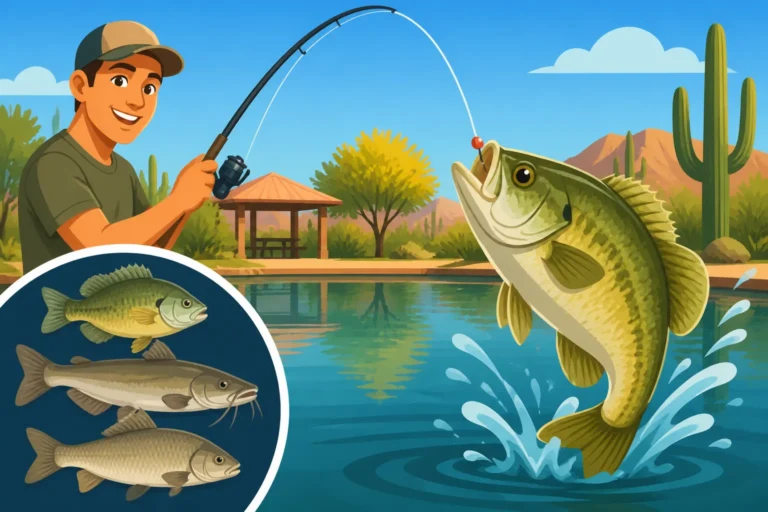
Don't let their smaller size fool you; panfish are often considered some of the best-tasting fish you can catch in Arizona. They might not give you the same arm-wrenching fight as a striper, but they make up for it with sheer numbers and incredibly delicate, sweet flesh. These are often the first fish kids catch, and they remain a favorite for anglers of all ages looking for a delicious meal.
Crappie: The Delicious Delicates
Crappie, both black and white varieties, are highly prized by Arizona anglers who know their table fare. Found in many of our desert lakes and even some urban ponds, crappie are known for their incredibly thin, flaky, white fillets that have a wonderfully mild and sweet flavor. They are often considered a top-tier eating fish, sometimes even surpassing bass or catfish for their delicate texture and taste.
These fish tend to school, especially around structure like submerged timber, brush piles, or docks, making it possible to catch a good number once you find them. The spring spawning season is a particularly popular time to target them, not just for their increased activity, but also because their flesh is at its prime. Simple preparation is often all that's needed for crappie – a light dredge in cornmeal or flour and a quick fry is a classic and delicious way to enjoy them. Because their fillets are so thin, they cook very quickly, so be careful not to overcook them. Just like with larger fish, keeping crappie alive or on ice immediately after catching them will ensure the best possible flavor. If you're curious about targeting these delicious little fish, read our Crappie Fishing Guide for Arizona or get tips on Crappie Spawning Season Tactics.
Bluegill and Other Sunfish: Small but Mighty Flavor
Bluegill and their sunfish cousins (like redear sunfish and green sunfish) might be small, but they pack a surprising punch of flavor. These little dynamos are abundant in nearly every freshwater body in Arizona, from neighborhood community ponds to sprawling desert lakes. They are often targeted by young anglers due to their eagerness to bite, but experienced fishermen know that a stringer full of bluegill means a fantastic meal.
What bluegill lack in size, they make up for in flavor. Their meat is white, firm, and has a very sweet, delicate taste with no "fishy" undertones. While filleting them can be a bit tedious due to their size, the effort is well worth it. Many anglers simply scale and gut them, then fry them whole until crispy. The bones become brittle and edible, and the flavor is simply incredible. For those who prefer fillets, a sharp fillet knife (perhaps one you found after browsing options on Amazon for its ergonomics) and a bit of practice will make quick work of a pile of these panfish. They make an excellent shore lunch, cooked up fresh right after catching them. It's a fantastic way to introduce new anglers to the joy of eating their catch. Learn more about these fun fish in our Panfish and Sunfish Guide for Arizona or discover How to Catch Bluegill at a Community Pond.
Trout: Cold Water Delights
When it comes to fish that are almost universally praised for their flavor, trout often sit at the top of the list. In Arizona, we're lucky to have a variety of trout fishing opportunities, primarily in our cooler mountain streams and stocked urban lakes. The clear, cold water these fish inhabit contributes significantly to their clean, delicate taste.
Rainbow Trout: The Stocked Stream Staple
Rainbow trout are the most common trout species caught in Arizona, thanks to extensive stocking programs by the Arizona Game and Fish Department. You'll find them in the cooler months in urban community lakes, and year-round in the higher elevation lakes and streams of the White Mountains and Mogollon Rim country. They are a fantastic fish for the dinner plate, offering a mild, delicate flavor and a tender, flaky texture that is highly sought after.
Rainbow trout meat is typically pinkish-orange, similar to salmon, and cooks up beautifully. Whether you bake them whole with herbs and lemon, pan-fry fillets, or smoke them, they are consistently delicious. The key to their great taste is the cold, clean water they come from, as well as their diet. When they are stocked in nutrient-rich waters, they tend to grow quickly and develop excellent flavor. As with all fish destined for the dinner table, prompt handling is crucial. Get them on ice as soon as possible after catching them to preserve their delicate flavor and texture. For detailed information on where to find and how to catch these beautiful fish, our Rainbow Trout Fishing Guide for Arizona is an excellent resource, and you can also check out Trout Stocking Season in Arizona to plan your trips.
Brown and Brook Trout: Mountain Stream Gems
While less common than rainbows in terms of overall numbers, brown trout and brook trout are true gems found in Arizona's more pristine, colder mountain streams and some high-elevation lakes. These species are often highly prized by experienced anglers, not just for the challenge of catching them in their wilder habitats, but also for their superior table quality.
Brown trout, often characterized by their golden-brown flanks and distinct spots, are known for having a slightly richer, nuttier flavor than rainbow trout. Their meat is firm and often a deeper orange or red, reflecting their diet of insects and smaller fish in cold, oxygen-rich waters. They are an absolute delicacy when caught from a clean, clear mountain stream.
Brook trout, identifiable by their intricate patterns and white-edged fins, are often found in even colder, smaller streams. Their flesh is usually bright orange and incredibly delicate, with a sweet, refined flavor that many consider the best of all trout species. Catching a brook trout in Arizona is often a special experience, and the reward on the dinner plate is truly exceptional.
Due to their more remote habitats, brown and brook trout require a bit more effort to reach, but the reward in taste and experience is undeniable. Like all trout, immediate chilling is vital. If you're interested in exploring these cooler waters, our Best Trout Fishing Spots in Arizona and Fly Fishing Techniques for Trout can guide you to some incredible opportunities.
Factors Influencing Fish Taste and How to Maximize Flavor
You've heard it said that a fish's taste depends on where it lives and what it eats. This isn't just an old angler's tale; it's absolutely true. Understanding these factors and employing proper handling techniques can elevate any fish from "good" to "gourmet."
Water Quality and Fish Diet
The environment a fish lives in plays a huge role in its flavor. Fish from clean, cold, clear waters with natural food sources tend to taste better. This is because cold water holds more oxygen, which leads to healthier, firmer flesh. A diverse diet of natural forage, such as shad, crayfish, insects, and smaller baitfish, also contributes to a cleaner, milder taste profile.
Conversely, fish caught from warmer, muddier, or stagnant waters, or those that have been feeding heavily on algae or less desirable bottom detritus, can sometimes develop an "off" or "muddy" flavor. This isn't to say all fish from these areas taste bad, but it's a factor to consider. For example, a channel catfish from a cool, flowing river might taste distinctly different from one caught in a warm, shallow, muddy pond. Generally speaking, fish from Arizona's larger, deeper reservoirs like Lake Powell, Lake Pleasant, or Roosevelt Lake tend to have a better, cleaner flavor due to the sheer volume of water and abundant baitfish populations.
Handling and Preparation Matters
This is perhaps the most critical factor an angler can control to ensure the best possible flavor from their catch. Even the finest-tasting species can be ruined by poor handling after it's caught.
- Bleed Your Fish: For larger species like bass, stripers, and even larger catfish, bleeding them immediately after landing is highly recommended. This involves making a cut to sever the main artery (often near the gills or tail) and allowing the blood to drain. This process removes blood from the flesh, which can otherwise contribute to a stronger, more "fishy" taste.
- Ice, Ice Baby: Get your fish on ice as quickly as possible! This is non-negotiable for preserving freshness and flavor. A quality cooler filled with plenty of ice (perhaps one you picked up after checking reviews on Amazon) will drop the fish's core temperature rapidly, slowing down spoilage and firming up the flesh. Don't just toss them in a warm bucket – immediate chilling makes a huge difference.
- Clean Promptly: Ideally, you should clean your fish as soon as you get off the water. Gutting and filleting quickly helps prevent bacteria from growing and off-flavors from developing.
- Remove Dark Meat: When filleting fish like bass or stripers, be sure to trim away the dark red lateral line meat. This strip of meat contains higher concentrations of fat and blood, which can have a stronger, oilier flavor. Removing it will leave you with pure, white, mild-tasting fillets. For catfish, thorough skinning and removal of all dark or reddish meat is essential.
- Rinse and Store: After filleting, give your fillets a quick rinse in cold water and pat them dry. Store them in airtight bags or containers in the coldest part of your refrigerator if you plan to cook them within a day or two, or vacuum-seal and freeze them for longer storage.
Cooking Methods and Seasoning
The way you cook your fish can also bring out its best qualities. Delicate white fish like crappie and bluegill are often best lightly fried or pan-seared to preserve their flakiness. Larger, firmer fillets from bass and stripers stand up well to grilling, baking, or broiling. Catfish is incredibly versatile, from deep-frying to baking with robust seasonings. Trout, with their unique flavor and texture, are fantastic baked whole, pan-fried, or smoked. Don't be afraid to experiment with different seasonings, herbs, and sauces that complement the natural flavors of the fish without overpowering them. Simple preparations often allow the true taste of the fish to shine through.
Arizona's Best-Tasting Fish: A Quick Comparison
To help you decide what to target for your next meal, here's a brief overview of Arizona's top culinary catches:
| Fish Species | Common Locations | Flavor Profile | Texture | Ideal Cooking Method(s) |
|---|---|---|---|---|
| Striped Bass | Lake Powell, Lake Pleasant, Lake Havasu | Mild, sweet, clean | Firm, flaky | Grilled, baked, pan-fried (trim dark meat) |
| Crappie | Roosevelt Lake, Canyon Lake, Urban Ponds | Very mild, delicate, sweet | Thin, very flaky | Lightly fried, pan-seared |
| Rainbow Trout | High Country Lakes/Streams, Urban Ponds | Mild, fresh | Tender, flaky | Baked whole, pan-fried, smoked |
| Smallmouth Bass | Lake Powell, Colorado River | Mild, clean, slightly sweet | Firm, white, flaky | Pan-fried, grilled, baked (trim dark meat) |
| Channel Catfish | Rivers, Reservoirs, Urban Ponds | Earthy, sweet, versatile | Firm, slightly coarse | Fried, baked, grilled (skin and trim dark meat essential) |
| Bluegill/Sunfish | Most Lakes and Ponds | Very sweet, delicate | Firm, small flakes | Fried whole (scaled/gutted), pan-fried fillets |
| Largemouth Bass | Most Arizona Lakes | Mild, slightly "fishy" | Firm, white, flaky | Pan-fried, grilled, baked (immediate cooling/bleeding key) |
| Brown Trout | High Country Streams | Richer, nutty, robust | Firm, flavorful | Baked, pan-fried, smoked |
Remember, the best tasting fish is always the one you enjoyed catching, properly handled, and shared with good company. Experiment, explore, and savor the delicious bounty Arizona's waters have to offer!
Disclaimer
This article is for general informational purposes only and does not constitute professional advice. Laws, prices and regulations vary by location and change over time. Consult a qualified professional for guidance on your specific situation.