Carp Fishing Opportunities in Arizona
For many Arizona anglers, the humble carp often gets a bad rap, sometimes seen as a nuisance fish or not quite as glamorous as a feisty bass or a beautiful trout. But if you've been overlooking these powerful, intelligent fish, you're missing out on some truly incredible angling opportunities right here in our desert state. This guide is here to shed light on why carp fishing can be surprisingly rewarding, where you can find these hard-fighting beauties, and what you'll need to hook into one.
Why Carp Fishing in Arizona is Worth Your Time
Let's be honest, carp aren't always the first species people think of when they imagine Arizona fishing. The perception is often that they're bottom-feeders, not particularly sporting, and maybe even a bit "trashy." But I'm here to tell you that couldn't be further from the truth. Carp are incredibly strong, tenacious fighters that can give you a run for your money, often pulling harder and longer than many other popular sport fish.
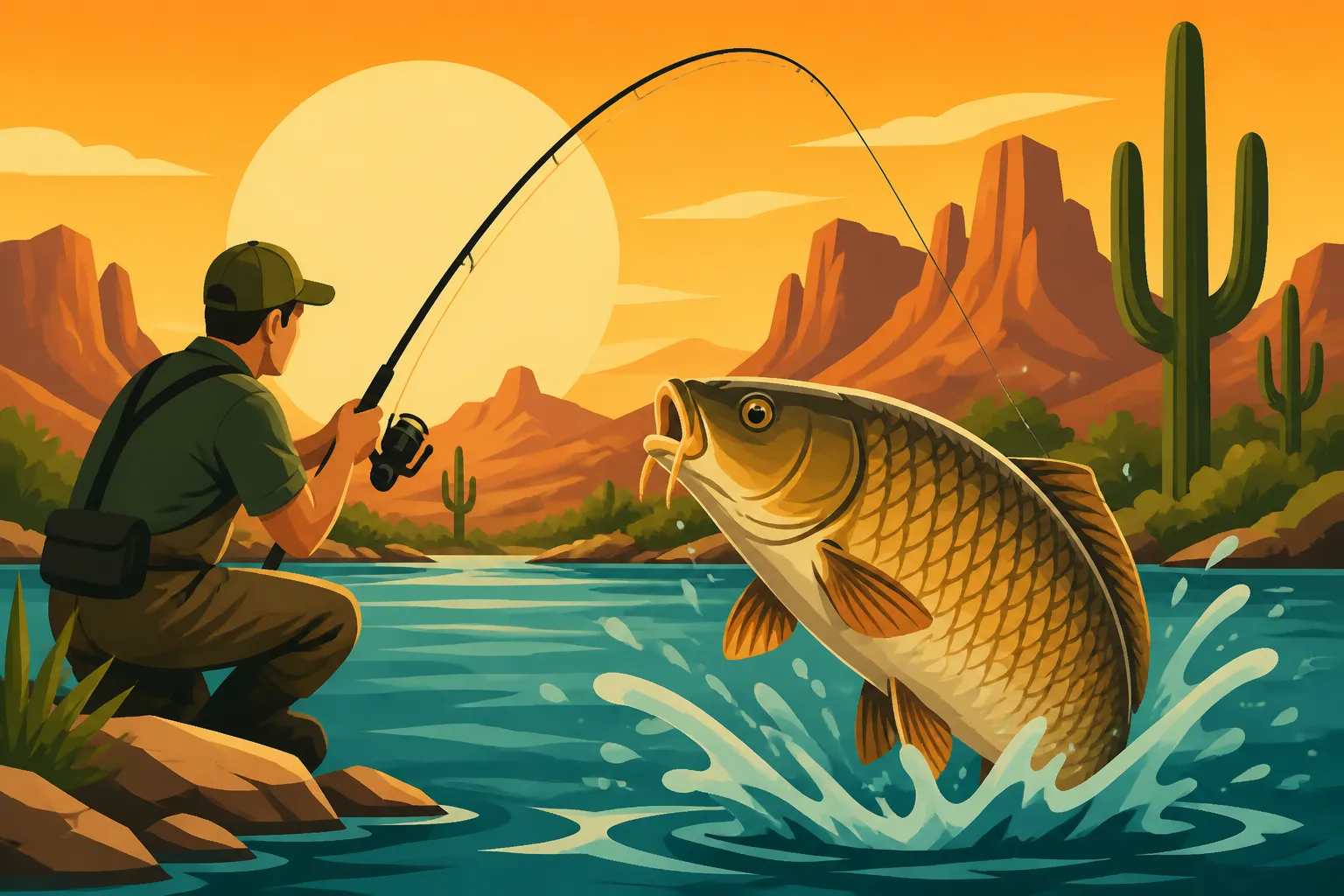
Imagine hooking into a 15-pound common carp in a relatively shallow urban lake – the initial surge alone can strip line from your reel at an alarming rate. It's an adrenaline rush, pure and simple. They're also incredibly accessible. You don't always need a fancy boat or expensive gear to target them; often, a comfortable chair on the bank and some basic bait are all you need. This accessibility makes them a fantastic target for beginners, families, or anyone looking for consistent action without the pressure of chasing elusive game fish. Plus, they thrive in many of Arizona's warmer waters where other species might struggle, offering year-round fishing opportunities when other bites slow down.
Beyond the fight, carp fishing offers a unique challenge. These fish can be surprisingly wary and intelligent, requiring patience, stealth, and a good understanding of their habits. It's not just about tossing out a line and waiting; it's about observation, presentation, and sometimes, a bit of culinary creativity with your bait. Many dedicated carp anglers find immense satisfaction in deciphering the puzzle of these fish, making each successful catch feel like a true accomplishment. You might be surprised at how quickly you become hooked on the challenge!
Where to Find Carp in Arizona's Waters
Carp are incredibly adaptable fish, which is why they thrive in a wide variety of environments across Arizona. You'll find them in everything from vast desert reservoirs to slow-moving rivers, and even the smaller community ponds that are often right in the middle of our urban areas. This widespread distribution means that no matter where you are in Arizona, you're likely not too far from a good carp fishing spot.
Major Lakes and Reservoirs
Our larger impoundments like Lake Pleasant, Roosevelt Lake, and Apache Lake are teeming with healthy populations of common carp. These big bodies of water offer plenty of diverse habitats, from shallow, silty coves to deeper main lake points, all of which can hold carp. Look for areas with slower currents, a soft bottom, and plenty of submerged vegetation or timber. These spots provide both cover and a rich food source. Fishing the back ends of coves or tributaries where sediment settles can be particularly productive. Even the massive Lake Powell, with its deep canyon walls, has areas where carp congregate, especially in the shallower, warmer arms and bays.
When targeting these larger lakes, consider using a boat or kayak to access prime spots, though many excellent shore fishing opportunities exist, especially around popular recreation areas and campgrounds. Best Fishing Lakes in Arizona or Roosevelt Lake Arizona Fishing Guide can give you an overview of some of these large water bodies.
Rivers and Community Fishing Lakes
The slower stretches of rivers like the Gila and Salt River can also be excellent for carp. These fish love areas where the current breaks, creating calm eddies or backwater pools. Look for undercut banks, snags, or any structure that offers them shelter and feeding opportunities. In some cases, stretches of the Colorado River can also hold impressive carp, especially below dams where currents slow.
Perhaps the most accessible carp fishing in Arizona can be found in our extensive network of community fishing program lakes. These urban ponds, scattered throughout cities like Phoenix, Tucson, and Yuma, are often overlooked for carp, but they can hold some surprisingly large specimens. Because these lakes are regularly stocked with other species, carp often benefit from the abundant forage and thrive. Places like Tempe Town Lake, or any of the smaller city parks with ponds, are fantastic places to start. You can often find great carp fishing right from the bank, making it perfect for an impromptu outing. Best Urban Fishing Lakes in Arizona provides more information on these convenient spots.
Effective Techniques and Gear for Arizona Carp
Catching carp isn't usually about fancy lures or aggressive retrieves; it's primarily about patience, presentation, and using the right bait. While they can be caught on artificials occasionally, bait fishing is overwhelmingly the most effective method.
Baits and Rigs That Work
When it comes to carp, think food. They are primarily bottom feeders, so your bait needs to be appealing and presented directly on or near the bottom.
Here are some of the most popular and effective baits:
- Corn: This is arguably the king of carp baits. Canned corn, either plain or flavored with extracts like vanilla or anise, is incredibly effective. It's cheap, easy to use, and carp absolutely love it. You can bait an area by tossing out a few handfuls of corn to draw them in.
- Dough Balls/Boilies: These are homemade or commercially prepared balls of dough, often made from flour, cornmeal, bread, and various flavorings. Boilies are essentially hardened dough balls designed to be hair-rigged (more on that in a moment) and are very popular with serious carp anglers. You can find ingredients and even ready-made boilies on places like Amazon.
- Bread: Simple white bread, either balled up or molded around a hook, can be highly effective. It softens in the water, creating an attractive cloud of scent and particles.
- Worms: Nightcrawlers or other large worms can also tempt carp, especially when they're actively foraging.
- Specialty Baits: Many anglers create secret recipes, using ingredients like oatmeal, grits, or even flavored jello to make their unique carp baits. Experimentation is half the fun!
For rigs, a simple bottom rig is usually all you need. This typically involves a weight (sinker) that holds your bait on the bottom, with your hook a short distance above it.
Consider these common setups:
- Carolina Rig: This rig uses a sliding sinker above a swivel, with a leader (usually 12-24 inches) tied to your hook. This allows the fish to pick up the bait without feeling the weight immediately, making them less likely to drop it.
- Hair Rig: This is a more advanced but incredibly effective carp rig, where the bait (like a boilie or a cluster of corn) is tied to a "hair" or small piece of line extending from the bend of the hook. The hook itself remains exposed, improving hook-ups once the carp sucks in the bait. This technique is fantastic for wary fish.
For more general bait advice, check out Best Baits and Lures for Arizona Fishing.
Rods, Reels, and Terminal Tackle
You don't need highly specialized gear to start carp fishing, but a few considerations will definitely improve your experience.
Rods:
Look for medium to medium-heavy spinning rods, typically 7 to 10 feet in length. Longer rods help with casting heavier baits and sinkers, and provide better leverage when fighting large, powerful carp. A softer tip can help detect subtle bites, while a strong backbone is crucial for controlling a big fish.
Reels:
A spinning reel in the 3000 to 5000 size range, spooled with 10-20 pound monofilament or braided line, is ideal. You'll want a reel with a smooth drag system, as carp are known for making long, powerful runs. A baitrunner or free-spool reel, which allows the line to run freely until you engage the drag, is a huge advantage as it prevents your rod from being pulled into the water when a carp takes off with your bait.
Line:
Monofilament line is a great all-rounder, offering good knot strength and stretch, which can act as a shock absorber during powerful runs. Braided line offers superior sensitivity and strength for its diameter, but its lack of stretch means you'll need to rely more on your rod and reel drag to absorb shocks. Many anglers use a braid main line with a fluorocarbon leader for abrasion resistance and invisibility. Best Line for Catfish Fishing might have some relevant crossover information for heavy-duty setups.
Hooks:
Circle hooks in sizes 2 to 6 are excellent for carp, as they tend to hook the fish in the corner of the mouth, making for easier release and less harm to the fish. Treble hooks are generally discouraged due to their potential for injury.
Other Essentials:
- Rod Holders: Bank sticks or rod pods are essential to keep your rods secure while waiting for a bite.
- Landing Net: A large, soft-mesh landing net is crucial for safely landing and handling large carp. You don't want to try to hoist a 20-pound fish out of the water by the line!
- Unhooking Mat: For catch-and-release, an unhooking mat provides a padded surface for the fish, protecting it from injury while you unhook and photograph it.
- Pliers/Forceps: Essential for safely removing hooks.
- Cooler: While many carp anglers practice catch and release, if you plan on keeping fish, a good cooler is a must, especially in Arizona's heat. You can find quality coolers of various sizes on Amazon.
Remember, a Essential Tackle Box Setup for Arizona Beginners will often include many of the basic components you need, which you can then adapt for carp fishing.
Understanding Carp Regulations and Best Practices
While carp are often considered an invasive or non-native species in many Arizona waters, they are still regulated under general fishing rules. You'll want to be familiar with the specifics, though generally, carp have very generous bag and possession limits compared to native species.
Bag Limits and Consumption
For common carp, the Arizona Game and Fish Department (AZGFD) typically has no bag or possession limit, meaning you can keep as many as you wish. However, it's always smart to check the latest Arizona Fishing Regulations Explained booklet or the AZGFD website before heading out, as rules can change. This unlimited harvest makes carp an excellent target if you're looking to fill your cooler, and they can be quite good to eat when prepared properly, especially from cleaner, cooler waters. Many anglers enjoy them smoked, fried, or even ground into patties.
A quick table on common species regulations can be helpful, though remember to always verify current rules:
| Species | Bag Limit (Typical) | Possession Limit (Typical) | Special Notes |
|---|---|---|---|
| Common Carp | No Limit | No Limit | Generally considered invasive, encouraged harvest |
| Largemouth Bass | Varies by Water | Varies by Water | Strict limits, often 6 total, size restrictions |
| Rainbow Trout | Varies by Water | Varies by Water | Strict limits, often 4-6 total |
| Catfish | Varies by Water | Varies by Water | Generous limits, but often not "no limit" |
Note: These are typical examples. Always consult the official AZGFD regulations for specific water bodies and current rules.
Catch and Release Best Practices
Even though carp often have no bag limit, many dedicated carp anglers practice catch and release to preserve the populations of these fantastic fighters. If you choose to release your carp, handle them with care:
- Minimize time out of water: Get photos and release the fish quickly.
- Use a wet net and unhooking mat: This protects their slime coat and skin.
- Support their body: When lifting a large carp, support its belly to avoid internal organ damage.
- Revive if necessary: Hold the fish gently in the water, facing into the current, until it swims away under its own power.
Understanding Catch and Release Rules for Arizona Anglers can help you practice ethical fishing. Regardless of whether you plan to keep or release, carp fishing in Arizona offers a unique and often overlooked angling adventure.
Disclaimer
This article is for general informational purposes only and does not constitute professional advice. Laws, prices and regulations vary by location and change over time. Consult a qualified professional for guidance on your specific situation.