Channel Catfish Average Weight in Arizona
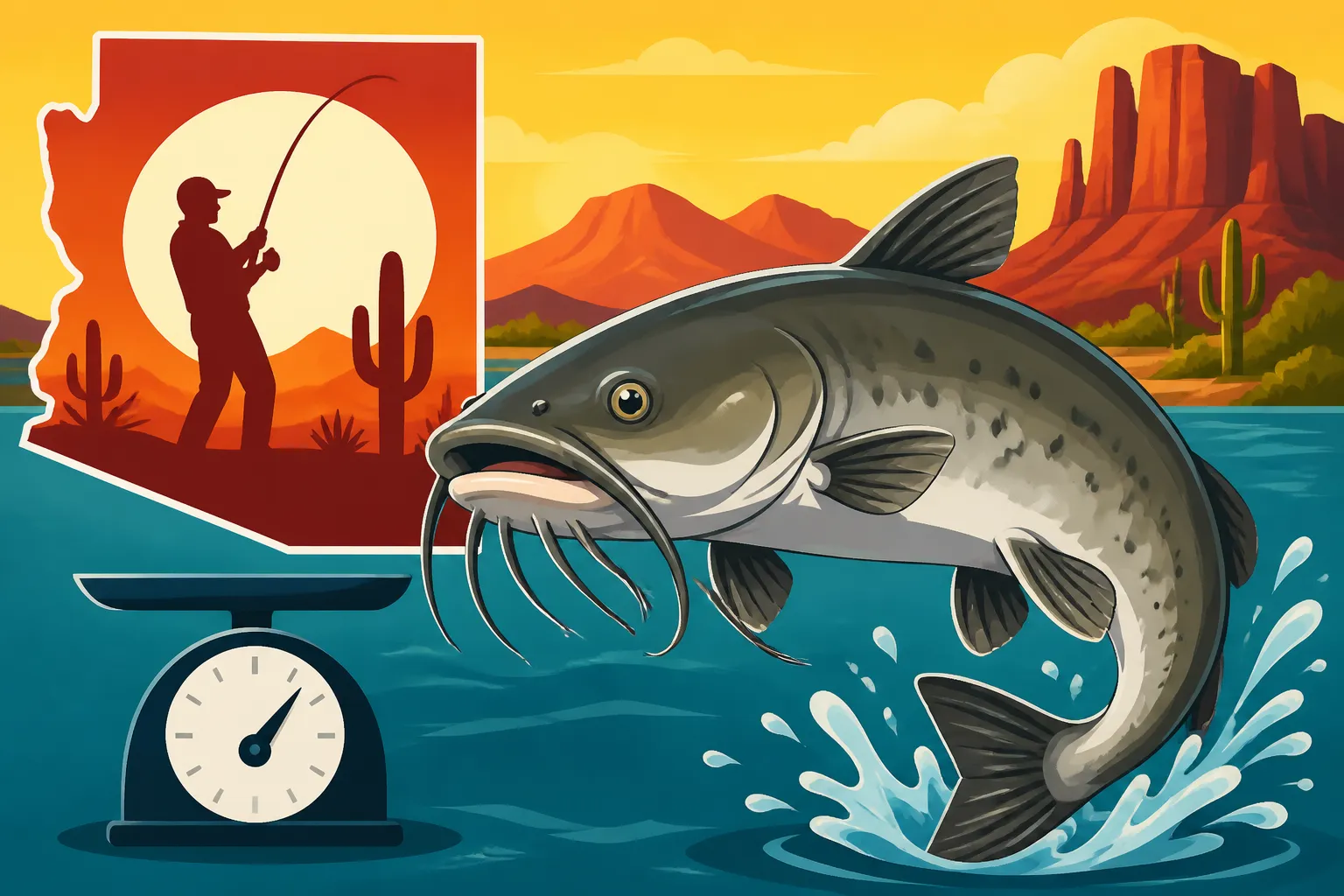
Anyone who has spent time on Arizona's lakes and rivers knows the thrill of a bending rod when a feisty catfish takes the bait. But let's be honest, we all wonder, "How big do these things actually get?" It's easy to get caught up in stories of monster flatheads, but what about the reliable, abundant channel catfish? This guide is here to ground those expectations, giving you a realistic picture of the average weight of channel catfish you can expect to encounter across the Grand Canyon State's incredibly diverse fishing landscapes.
The Reality of Channel Catfish Size in Arizona
When we talk about "average," it's not a single, fixed number, and that's especially true for fish in a state as varied as Arizona. A channel catfish caught in a small urban pond is likely to be a very different size than one pulled from the depths of Lake Roosevelt. It's about understanding the nuances of these different environments and what kind of growth they support. Setting realistic expectations can make your fishing trips even more enjoyable, as every catch, regardless of its exact weight, becomes a testament to the fish you can expect.
What "Average" Truly Means for Arizona's Channel Cats
For most anglers in Arizona, an "average" channel catfish is typically going to fall into the 1 to 5-pound range. This is the bread-and-butter size you'll encounter most frequently, whether you're fishing a bustling community lake or a quiet cove on a larger reservoir. These fish are fantastic fighters, perfect for a meal, and offer consistent action. While the Arizona state record for a channel catfish is significantly larger, those are truly exceptional catches, often requiring specific conditions, tactics, and a whole lot of luck. Don't go out expecting to break a record every time you wet a line; instead, appreciate the joy of landing a healthy, average-sized fish.
Consider the common experience: you head to a local pond, toss out some bait, and within minutes, you're reeling in a feisty 2-pound channel cat. That's a perfect example of an average catch in many accessible locations. It's a great size for kids to handle, offers a good fight on light to medium tackle, and makes for a delicious dinner. In contrast, heading to a massive lake like Lake Pleasant might yield a similar average, but with a higher chance of encountering those 7-10 pounders that start to push the definition of "average" into "above average" territory for the species.
Key Factors Influencing Their Weight
Several crucial elements play a role in how large a channel catfish grows in Arizona. It's a complex interplay of environmental conditions, food sources, and even the density of the fish population itself. Understanding these factors can help you predict what kind of sizes you might encounter in different fishing spots and even inform your strategy if you're specifically targeting larger specimens.
Firstly, food availability is paramount. Channel catfish are opportunistic feeders, and if there's an abundant supply of forage like shad, crayfish, insects, or even smaller fish, they will grow larger and faster. Lakes with thriving baitfish populations, for instance, often produce bigger, fatter catfish. Conversely, in waters where the food chain is less robust, or where there's intense competition, growth rates can be slower, resulting in smaller average sizes.
Secondly, the size and ecosystem of the water body itself are significant. Larger lakes and expansive river systems generally offer more diverse habitats and greater food resources, allowing channel cats to reach impressive sizes. They have more room to roam, find food, and avoid predation. Smaller, more confined ponds, especially those with high stocking rates, might see their channel catfish populations "stunt" or grow at a slower rate due to limited food and space. Water temperature also impacts metabolism and growth; warmer waters generally mean faster growth, but excessively hot, oxygen-depleted water can stress fish. Finally, fishing pressure can impact the average size. Heavily fished areas tend to see larger fish removed more frequently, meaning the average size of remaining fish might trend smaller, as younger, smaller fish are more prevalent.
Average Weights Across Different Arizona Waters
Arizona boasts an incredible array of fishing environments, from urban oasis ponds to vast desert reservoirs and winding river systems. Each of these unique habitats contributes to the varying average weights of the channel catfish residing within them. Knowing what to expect from a particular type of water body can help you plan your trip and appreciate the catches you make.
Community Fishing Program Lakes and Ponds
Arizona's Community Fishing Program is a fantastic initiative, bringing easily accessible fishing opportunities to urban areas across the state. These lakes and ponds, often found in city parks in places like Phoenix, Tucson, and Yuma, are regularly stocked with a variety of fish, including channel catfish. For these highly managed waters, the "average" channel catfish you'll encounter typically ranges from 1 to 3 pounds. These are often the size they are stocked at, or shortly after, and they provide incredible action, especially for beginners and families.
While you might occasionally pull out a 4 or 5-pound lunker in these community waters, it's less common than in larger, wilder lakes. The stocking efforts are designed to provide consistent, catchable fish, which means a good number of smaller, pan-sized cats. They are perfect for teaching kids how to cast a line and feel the tug of a fish. You can find excellent opportunities at spots like Tempe Town Lake, which is part of the Community Fishing Program, or various neighborhood ponds across the metropolitan areas. Community Park Lakes in Phoenix and Community Park Lakes in Tucson are great places to start if you're looking for consistent action on these average-sized cats.
Large Reservoirs: Roosevelt, Pleasant, Bartlett, Saguaro, Canyon
Step out of the city and into Arizona's vast desert reservoirs, and you'll immediately notice a difference in the potential size of channel catfish. Lakes such as Roosevelt, Pleasant, Bartlett, Saguaro, and Canyon Lake offer expansive, nutrient-rich environments that support much larger fish populations and, consequently, bigger individual fish. Here, the average channel catfish you'll encounter will more often fall into the 3 to 7-pound range, with legitimate chances of hooking into fish exceeding 10 pounds.
These larger averages are a direct result of several factors. These lakes have massive forage bases, including abundant threadfin shad and gizzard shad, which are a primary food source for growing catfish. The sheer size of these reservoirs also means there's less fishing pressure per square mile compared to community ponds, allowing some fish to grow older and larger. For example, Roosevelt Lake Arizona Fishing Guide will tell you that it's a prime spot for robust channel cats, as is Lake Pleasant Arizona Fishing Guide, both known for their healthy catfish populations. Anglers frequently report pulling out several channel cats in the 5-pound class during a single outing at these locations, making them excellent choices for those hoping to land something a bit more substantial.
Rivers and Moving Water: The Colorado and Gila Rivers
Fishing rivers for channel catfish presents a different dynamic altogether. While not as universally abundant in every river stretch as in the reservoirs, certain sections of the Colorado River, and even parts of the Gila River, can hold impressive channel catfish. The average size here can vary significantly but often mirrors that of the larger reservoirs, falling generally between 3 and 6 pounds, with some areas producing even bigger specimens consistently. The constant flow of water in rivers provides a continuous supply of food, from insects and smaller fish to whatever washes downstream.
The main stem of the Colorado River, especially below dams and in deeper, slower sections, can be particularly productive. Here, channel catfish have access to a rich diet and stable environments. They often hold in deeper holes, around submerged structures, or along current breaks. Colorado River Fishing Guide in Arizona highlights various spots along this iconic waterway where anglers can find good populations of channel cats. While perhaps not as densely populated as the best lake spots, river cats are often lean, powerful fighters, accustomed to battling currents, making them a thrilling catch.
Here's a quick reference table to summarize the general average weights you might expect for channel catfish across Arizona's diverse waters:
| Water Body Type | Typical Average Weight Range | Common Size for Meals/Action | Potential for Trophy Fish (for type) |
|---|---|---|---|
| Community Lakes & Ponds | 1-3 pounds | 1-2 pounds | Up to 5 pounds |
| Large Reservoirs (Roosevelt, Pleasant) | 3-7 pounds | 3-5 pounds | 10+ pounds |
| Rivers (Colorado, Gila) | 3-6 pounds | 3-4 pounds | 8+ pounds |
Beyond Average: Targeting Bigger Channel Catfish
While the average channel catfish provides plenty of fun, there's always that itch to hook into something truly special. Arizona's waters definitely hold those bigger channel cats, but finding them often requires a shift in strategy, patience, and sometimes, a little bit of specialized knowledge.
Identifying Trophy-Sized Channel Cats
What constitutes a "trophy" channel catfish in Arizona? For many anglers, anything over 8 pounds starts to enter that category, and a double-digit fish (10 pounds or more) is definitely a trophy worth bragging about. These fish are usually older, wiser, and have successfully evaded anglers for years. They've grown to their impressive size by finding prime feeding grounds and safe havens. It's important to differentiate these from flathead catfish, which are an entirely different species and grow considerably larger, with records far exceeding channel cats. If you're seeing reports of 40-pound catfish in Arizona, they're almost certainly flatheads. For a clear understanding of the visual differences, check out Channel Catfish vs Flathead Catfish Identification. While flatheads are truly impressive, chasing a 15-pound channel cat is a significant accomplishment in its own right. Knowing the state records for various species, like the Arizona State Record Flathead Catfish Weight and Location, can provide some interesting context, but remember that channel cats have their own distinct, albeit smaller, upper limits.
Strategies and Locations for Larger Catches
Targeting these larger channel catfish means thinking like them. They're often in deeper water during the day, seeking cooler temperatures and cover. As evening approaches, they might move into shallower feeding flats or along points. Night fishing is a universally acclaimed method for bigger catfish of all species, including channel cats. Under the cover of darkness, they feel safer to roam and feed aggressively. Consider casting out your lines after sunset and staying a few hours into the night; you might be surprised by what bites. For excellent guidance on nocturnal angling, dive into Catfish Night Fishing Techniques.
When it comes to location, look for areas with structure: submerged timber, rock piles, drop-offs, and deep humps. These spots offer ambush points and shelter for larger fish. The larger reservoirs like Roosevelt and Lake Pleasant are your best bet for consistently hooking into those 8 to 15-pound channel cats. Pay attention to fish finders for schools of baitfish, as big cats are usually not far behind. Experiment with different depths and distances from shore. Sometimes, the biggest fish are just beyond the reach of the average cast.
Gear and Techniques to Hook Arizona Channel Cats
Having the right equipment and knowing how to use it makes all the difference, whether you're chasing average-sized panfish or aiming for a trophy channel cat. For channel catfish in Arizona, you don't necessarily need super specialized gear, but robust, reliable tackle will certainly improve your success and enjoyment.
Recommended Rods, Reels, and Line
For general channel catfish fishing in Arizona, a medium-heavy action spinning or baitcasting rod, about 6.5 to 7.5 feet long, is a fantastic all-around choice. This rod power gives you enough backbone to fight a decent-sized fish while still being sensitive enough to detect subtle bites. Pair this with a durable spinning reel (size 3000-4000) or a medium-heavy baitcasting reel. Look for reels with a smooth drag system, as even a 5-pound channel cat can pull some serious line! For some great options, you can often find reliable combos on Amazon that fit the bill perfectly without breaking the bank. Best Rod for Catfish will give you more specific recommendations.
When it comes to fishing line, a good quality monofilament or fluorocarbon line in the 12 to 20-pound test range is usually ideal. Monofilament offers a bit of stretch, which can be forgiving with hard-fighting fish, while fluorocarbon is nearly invisible underwater and has less stretch for better sensitivity. Many anglers also opt for braided line in the 30 to 50-pound test range for its incredible strength, small diameter, and lack of stretch, especially when targeting larger cats or fishing in snaggy areas. For an in-depth look, check out Best Line for Catfish Fishing. Remember, having a strong, reliable setup means you won't lose that personal best when it finally bites!
Top Baits and Rigging for Success
Channel catfish are not picky eaters, which is one of their most endearing qualities! This means you have a wide variety of effective baits to choose from. The classics never go out of style: cut bait (like shad, carp, or even hot dogs), prepared stink baits (available in tubs or dip worms), and good old-fashioned nightcrawlers. Chicken liver is another time-tested favorite, though it can be messy to handle. For a comprehensive list of what to bring, consider reading Best Bait for Catfish in Arizona. Having a selection of these baits on hand, perhaps ordered from Amazon for convenience, ensures you're ready for any situation.
When it comes to rigging, simplicity often reigns supreme. A classic bottom rig with a slip sinker is incredibly effective. This allows the fish to pick up the bait and run without feeling the resistance of the weight. You'll typically use a 1/0 to 5/0 circle hook or an octopus hook, depending on the size of your bait and the fish you're targeting. Circle hooks are particularly popular for catfish as they often hook the fish in the corner of the mouth, making for easier release and less harm to the fish. For detailed rigging instructions, Bottom Fishing Techniques for Catfish and Best Hooks for Live Bait Fishing are excellent resources.
Optimal Times and Conditions
Channel catfish are most active during low-light conditions and when water temperatures are favorable. This means dawn, dusk, and especially night fishing are prime times to target them. As the scorching Arizona sun sets, the water cools slightly, and catfish become much more willing to move and feed aggressively. During the day, they'll often retreat to deeper, cooler water.
Seasonally, channel catfish are a fantastic year-round target in Arizona. However, spring and fall often offer some of the most consistent action as water temperatures are in their ideal range, prompting higher activity levels. During the summer, focus on those early morning, late evening, and nighttime bites. Pay attention to reports from local bait shops or online forums, which often give clues about recent bite patterns. Even subtle environmental factors like the moon phase can influence their activity, making articles like How Moon Phase Affects Night Catfishing surprisingly helpful for planning your night fishing excursions.
Responsible Angling and Conservation
As anglers, we have a responsibility to not only enjoy the incredible fishing opportunities Arizona provides but also to protect them for future generations. This means practicing responsible angling habits, especially when it comes to handling the fish we catch.
Catch and Release Best Practices
If you're not planning to keep a channel catfish, or if you catch one that exceeds your bag limit or is just too small or large for your preferences, practicing proper catch and release is vital. Handle the fish gently, minimizing its time out of water. Use wet hands or a wet net to avoid removing the protective slime coat from the fish's body. Remove the hook quickly and carefully. If the fish has swallowed the hook deeply, it's often better to cut the line as close to the hook as possible rather than trying to rip it out, which can cause internal damage. A pair of long-nosed pliers, which you can easily grab from Amazon, can be invaluable for hook removal.
When releasing, support the fish in the water, allowing it to regain its strength and swim off on its own. Don't just toss it back; hold it upright until it kicks away strongly. These small acts make a huge difference in the survival rate of released fish.
The Role of Channel Cats in Arizona's Ecosystem
Channel catfish play an important role in Arizona's aquatic ecosystems. As opportunistic scavengers and predators, they help keep populations of smaller baitfish and invertebrates in check, contributing to the overall health and balance of the water body. They are a resilient species that adapts well to various environments, which is why they thrive in so many of Arizona's lakes and rivers.
The Arizona Game and Fish Department (AZGFD) actively manages channel catfish populations through stocking programs, particularly in the Community Fishing Program lakes, to ensure sustainable fishing opportunities. By respecting bag and possession limits, and by practicing responsible catch-and-release, anglers contribute directly to these conservation efforts. This ensures that the joy of catching an average-sized (or even trophy-sized!) channel catfish remains a cherished Arizona fishing experience for years to come.
Disclaimer
This article is for general informational purposes only and does not constitute professional advice. Laws, prices and regulations vary by location and change over time. Consult a qualified professional for guidance on your specific situation.