Catfish Fishing Guide for Arizona
It can be incredibly frustrating to know that Arizona's waters are teeming with formidable catfish, yet feel completely lost on how to actually hook one of those whiskered beauties. You've heard the legends of massive flatheads and countless channel cats, but translating those stories into your own successful fishing trip often feels like a puzzle with missing pieces. This comprehensive guide is designed to demystify catfish angling in our unique desert environment, providing you with all the knowledge, tips, and tricks you need to consistently land these powerful fish, whether you're chasing dinner or a true trophy.
Understanding Arizona's Catfish Species
Arizona is a fantastic place to fish for catfish, but not all whiskered wonders are created equal. We primarily deal with a few distinct species, each with its own quirks, preferred habitats, and fishing strategies. Knowing your target will dramatically increase your chances of success and help you tailor your approach, from bait selection to rod choice.
Channel Catfish: The Arizona Staple
Channel catfish are hands-down the most common and widely distributed catfish species in Arizona. You'll find them in almost every lake, river, and community pond across the state, from the cool waters of the Mogollon Rim to the scorching low desert impoundments. They’re recognizable by their deeply forked tails, scattered spots (though these can fade in older, larger fish), and smooth, scale-less skin. What makes channel cats so popular isn't just their abundance, but their willingness to bite a wide variety of baits and their excellent table fare.
These opportunistic eaters are scavengers at heart, which is why "stink baits" and cut baits are so effective. They rely heavily on their keen sense of smell and touch, thanks to those prominent barbels, to locate food in murky water or low light conditions. You'll often find them lurking in deeper holes, near submerged structures like trees or brush piles, or along channel edges where current brings food to them. While not typically as large as flatheads, trophy channel cats in Arizona can easily exceed 20 pounds, offering a formidable fight on appropriate tackle. They're a fantastic target for anglers of all skill levels, providing consistent action and a rewarding experience.
Flathead Catfish: The River Monsters
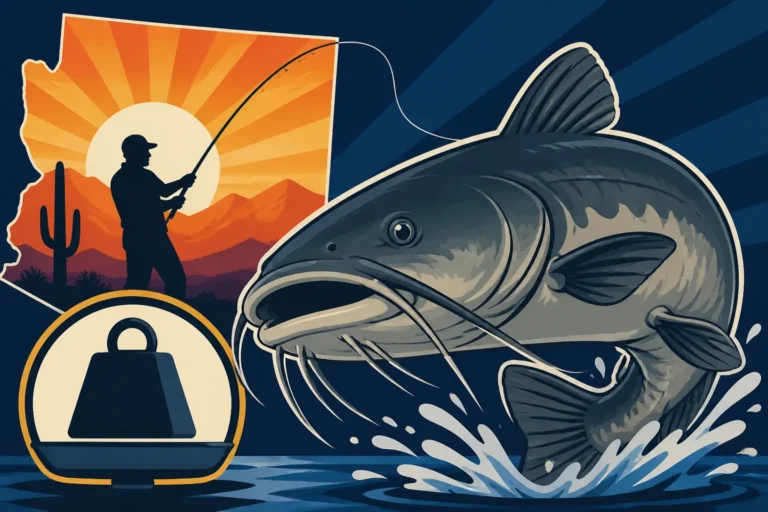
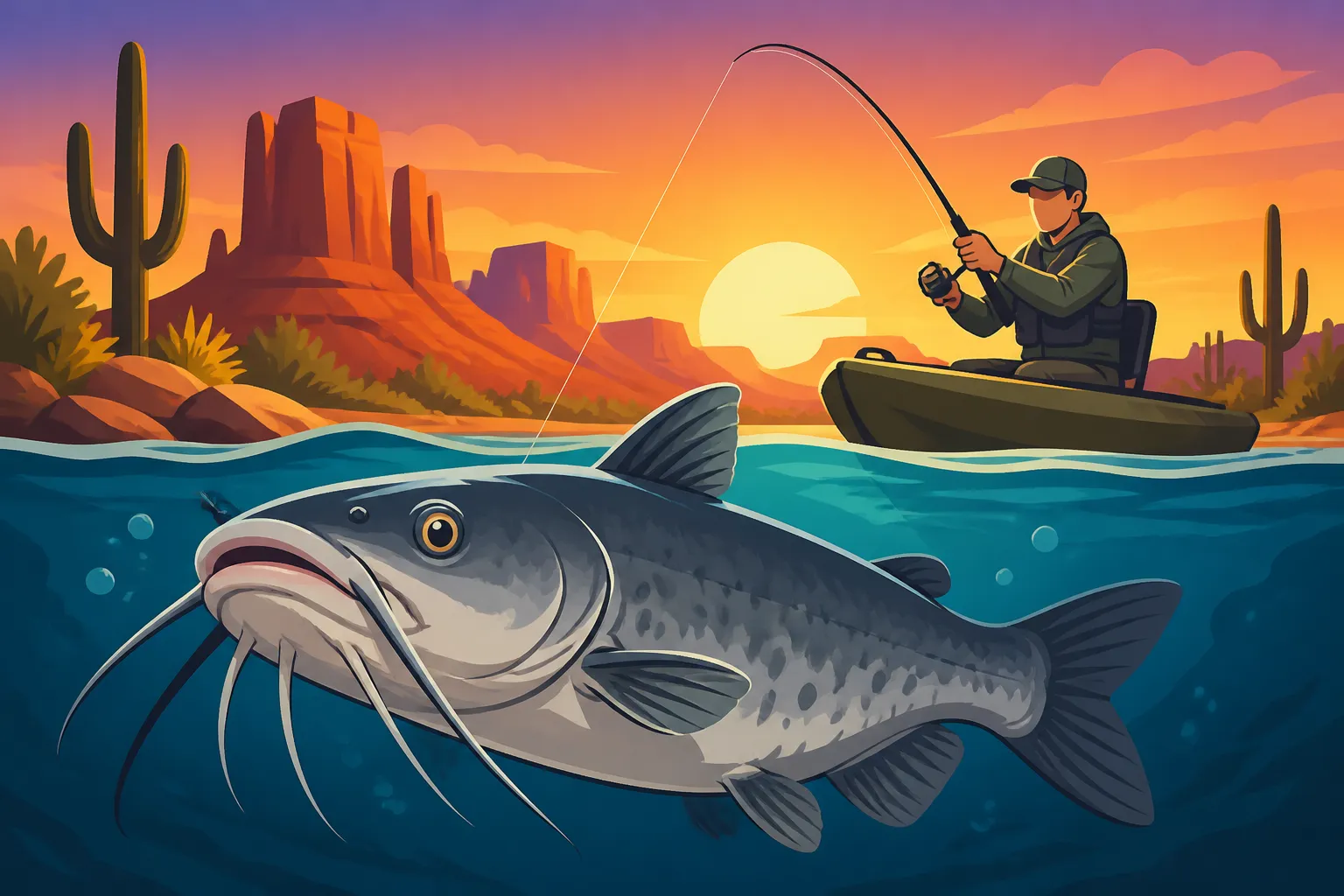
Now, if you're looking for a true heavyweight brawl, the flathead catfish is your fish. These are the giants of Arizona's catfish world, capable of reaching immense sizes—think 50, 60, or even 70+ pounds in our larger rivers and lakes. Flatheads are easily distinguished from channel cats by their distinctively flattened heads, protruding lower jaw, and rounded tail, which lacks the deep fork of a channel cat. Their coloring is typically mottled brown and yellow, offering excellent camouflage against rocky or woody bottom structures. Unlike the omnivorous channel cats, flatheads are almost exclusively predatory, preferring live bait.
You'll primarily find flatheads in the warmer waters of larger rivers like the Colorado River and the lower Salt River, as well as big impoundments like Lake Pleasant, Bartlett Lake, and Roosevelt Lake. They are ambush predators, preferring to hide in deep holes, beneath log jams, or within dense submerged timber, waiting for unsuspecting prey to swim by. Catching a flathead is often a game of patience and brute strength, requiring heavy-duty tackle and a strategic approach. They offer one of the most powerful freshwater fights you can experience in Arizona, making them a highly sought-after trophy fish. If you’re serious about a giant, this is your target. How to Fight a Big Flathead Catfish is a great resource if you're looking for that kind of action.
Bullhead Catfish: Smaller, But Still Fun
Bullhead catfish, specifically black and yellow bullheads, are the smaller cousins in the Arizona catfish family. They rarely exceed a few pounds, but what they lack in size, they make up for in sheer abundance and willingness to bite. They're identifiable by their square or slightly rounded tails, often darker, mottled bodies, and the absence of a deeply forked tail. Bullheads are incredibly hardy and can thrive in a wider range of water conditions, including smaller ponds and less-oxygenated environments where other fish might struggle.
While sometimes overlooked by anglers chasing bigger game, bullheads are an absolute blast for beginners, kids, or anyone just looking for consistent action. They'll readily take just about any natural bait, from worms and corn to small pieces of hot dog. You'll often find them schooling in shallow, weedy areas, especially around dawn and dusk, or after dark. Fishing for bullheads is often a low-stress affair, requiring minimal tackle and providing plenty of bites, making them perfect for a relaxing afternoon outing with the family. They also make for some surprisingly delicious table fare, often having a milder flavor than larger channel cats.
Where to Find Catfish in Arizona: Top Spots
Arizona offers an incredible diversity of fishing environments, from vast desert lakes to meandering rivers and urban ponds. Catfish are resilient and adaptable, making them present in many of these spots, but knowing where to concentrate your efforts for different species will make a huge difference in your success.
Major Reservoirs and Lakes
Our major reservoirs are true catfish powerhouses. Lakes like Roosevelt Lake, Lake Pleasant, Apache Lake, Canyon Lake, and Saguaro Lake are prime real estate for both channel and flathead catfish. These vast bodies of water offer extensive habitat, abundant forage, and deep channels where catfish love to lurk. For channel catfish, focus on the shallower coves and creek arms in spring when they're spawning, moving to deeper ledges and main lake points as the water heats up. Look for areas with submerged brush, rocky structure, or even old roadbeds—anything that provides cover and ambush points. Night fishing at these lakes, particularly during the hot summer months, can be incredibly productive for channel cats, as they become more active feeders under the cover of darkness.
Flatheads, the true monsters of the deep, often favor the upper ends of these reservoirs, especially where river channels enter, bringing in fresh water and current. They'll gravitate towards areas with large log jams, standing timber, or steep rock ledges that drop into deep water. Targeting these areas requires patience and often a boat to access the prime spots, but the reward of a truly massive flathead is well worth the effort. Consider exploring spots where the Salt River, Verde River, or Agua Fria River feed into these lakes. Best Catfish Fishing Spots in Arizona provides an even more detailed breakdown of these prime locations.
Rivers and Community Ponds
Arizona's rivers, particularly the lower stretches of the Salt River and the mighty Colorado River, are renowned for their incredible flathead catfish populations. These river systems provide the perfect combination of current, deep holes, undercut banks, and abundant natural forage that flatheads thrive on. Anglers often target brush piles, rock formations, and particularly deep pools created by current eddies. The key to river fishing for flatheads is to present your live bait in a way that allows it to drift naturally into these prime ambush zones. Bank access can be challenging in some river sections, but many spots along the Colorado River, especially near major dams or parks, offer excellent opportunities.
Don't overlook our numerous community fishing ponds and urban lakes, especially for channel and bullhead catfish. Locations like Tempe Town Lake, Kiwanis Park Lake in Tempe, and countless smaller ponds throughout Phoenix and Tucson are regularly stocked and provide fantastic, accessible fishing. These spots are perfect for families, beginners, or anyone looking for a quick fishing fix. Catfish in community ponds often congregate around aeration bubblers, shaded areas, or deeper sections near benches and docks. While you might not find a record-breaking flathead here, these ponds offer consistent action and are excellent places to hone your skills and introduce new anglers to the sport. Remember to check local regulations for specific community fishing program rules.
Targeting Specific Catfish Habitats
To truly excel at catfish fishing, you need to understand the nuances of their preferred habitats. For channel catfish, think about where food might concentrate. In lakes, this means points, humps, and submerged cover like brush or rock piles. If you're using a fish finder, look for baitfish schools—catfish are often lurking beneath them. In rivers, current breaks, eddies behind obstacles, and deeper scour holes are key. They're often found on the edges of main channels, waiting for food to drift by. During the spawn, usually late spring to early summer when water temperatures are in the 70s, they’ll move into shallower, protected coves and sometimes even hollow logs or undercut banks to lay their eggs.
Flatheads are a bit different. They are solitary creatures, very territorial, and almost always tied to heavy cover. They want a hideout: a log jam, a massive boulder, a deep crevice, or a cave-like undercut bank. They prefer deeper, slower-moving water adjacent to faster current, allowing them to conserve energy while waiting for prey. When targeting flatheads, you're not looking for schooling fish; you're looking for their home. Presenting a live bait directly into or on the edge of these structures is paramount. It takes persistence and often losing a few rigs to the snags, but finding that perfect flathead lair is the secret to landing a true monster. For bullheads, focus on shallow, muddy, or weedy bottoms, especially in stagnant or slow-moving water. They love to burrow in soft substrates and are less particular about deep cover.
Essential Gear for Arizona Catfishing
Having the right gear makes all the difference when you're targeting Arizona's catfish. The equipment you choose needs to be robust enough to handle powerful fights, yet sensitive enough to detect subtle bites. This isn't just about expensive equipment; it's about having reliable tools that match the challenge.
Rods, Reels, and Line Choices
For channel catfish, a medium-heavy to heavy action spinning or baitcasting rod, typically 7 to 9 feet long, is a great all-around choice. This length offers good casting distance from shore and enough backbone to handle a strong fish, but still has enough flex to absorb powerful runs. Pair this with a sturdy spinning reel in the 4000-6000 size range or a baitcasting reel capable of holding a good amount of line. For line, 15 to 25-pound monofilament or fluorocarbon is generally sufficient, offering a good balance of strength and castability. Braid in the 30-50 pound range is also popular, especially if you're fishing around heavier cover, as it provides superior strength and abrasion resistance. Remember that braided line has no stretch, so ensure your rod has enough give to compensate.
If you're specifically hunting flathead catfish, you'll need to step up your game significantly. Think heavy to extra-heavy action rods, 7.5 to 10 feet long, designed for brute force. These rods need serious backbone to muscle a giant fish out of heavy cover. Match this with a robust baitcasting reel—often a conventional style reel—that has a strong drag system and can hold a massive amount of line, usually in the 40-80 pound test range. Braided line is almost a necessity for flatheads due to its incredible strength and abrasion resistance against rocks and logs. Consider 60-100 pound test braid, often with a heavy monofilament or fluorocarbon leader (50-80 pound test) for added stealth and abrasion resistance near the bait. Best Rod for Catfish and Best Line for Catfish Fishing offer more in-depth advice on these critical gear choices.
Hooks, Sinkers, and Terminal Tackle
The right terminal tackle is non-negotiable for successful catfishing. For channel catfish and bullheads, a 2/0 to 5/0 circle hook or a J-hook in similar sizes will generally suffice. Circle hooks are fantastic because they almost always hook the fish in the corner of the mouth, leading to fewer gut hooks and easier, healthier releases, which is especially important if you're practicing catch and release. For flatheads, you'll need much larger and sturdier hooks, typically 7/0 to 10/0 circle hooks, sometimes even larger depending on your bait size. Look for hooks made from heavy-gauge wire that won't straighten out under the immense pressure of a large flathead. Best Hook Size for Catfish Bait can help you select the right size for your specific bait.
Sinkers are equally crucial. Pyramid sinkers, egg sinkers, or flat no-roll sinkers are all excellent choices. The weight will depend on the current and depth you're fishing. In still water or light current, 1/2 to 1 ounce might be plenty. In strong river currents or deep lakes, you might need 3, 4, or even 8 ounces to keep your bait on the bottom. Swivels are also important to prevent line twist, especially if you're using live bait or casting repeatedly. Choose heavy-duty barrel or ball-bearing swivels that match your line strength. Leaders made from strong monofilament or fluorocarbon, typically 20-50 pound test for channel cats and 50-80 pound test for flatheads, are essential to prevent fish from breaking off on abrasive structures and to provide a bit of shock absorption.
Must-Have Accessories for Comfort and Success
Fishing in Arizona often means dealing with intense sun and heat, so certain accessories aren't just luxuries—they're necessities. A good wide-brimmed hat, polarized sunglasses (to cut glare and help you see structure), and plenty of high-SPF sunscreen are paramount for daytime fishing. Hydration is critical, so always bring more water than you think you’ll need, especially during the summer. A sturdy cooler filled with ice is essential, not just for your drinks, but also for keeping your bait fresh and, if you plan to keep some fish, ensuring your catch stays in prime eating condition.
Beyond personal comfort, other items will significantly improve your catfishing experience. A heavy-duty fishing knife is always useful for cutting bait or line. Pliers or forceps are indispensable for safely removing hooks, especially from toothy or deeply hooked fish. A large, rubberized landing net or a sturdy lip gripper (like a BogaGrip or similar tool) is vital for safely landing larger catfish, particularly flatheads, without injuring yourself or the fish. Don't forget a headlamp or flashlight for night fishing, a comfortable chair for bank fishing, and a tackle box or bag to keep all your terminal tackle organized. Checking a retailer like Amazon before your trip is a great way to stock up on these essentials, often finding competitive prices and a wide selection of brands.
Best Baits and Rigs for Arizona Catfish
Catfish are not particularly finicky eaters, but certain baits and rigging techniques will undeniably outperform others depending on the species you're targeting and the conditions you're fishing. This is where you can really tailor your approach for maximum effectiveness.
The Allure of Stink Baits and Cut Baits
When it comes to channel catfish and bullheads, few things are more effective than a good "stink bait" or cut bait. These baits capitalize on the catfish's incredible sense of smell, drawing them in from a distance, especially in murky water. Stink baits come in various forms: dough balls, dip baits, and punch baits. Brands like Catfish Charlie or Sonny's Super Sticky are popular options that emit powerful odors designed to attract channel cats. To use dip baits, you typically "dip" a special spongy worm or a treble hook into the thick, foul-smelling concoction. Punch baits are similar, but you "punch" a treble hook into the bait, and the fibers hold it on.
Cut baits are another powerhouse for channel cats, and often for smaller flatheads as well. Shad, carp, bluegill, or even hot dogs sliced into chunks release natural oils and blood that catfish can't resist. The key here is freshness; fresher cut bait usually works better. For example, a piece of fresh bluegill, cut into a strip or a small chunk, can be deadly. Hook it once through the tough skin, ensuring the hook point is exposed. Another highly effective and inexpensive bait for channel cats is chicken livers. They are messy, but their strong scent trail is irresistible. Rig them by threading several pieces onto your hook or using a bait holder hook to keep them secure. Best Bait for Catfish in Arizona offers a more detailed look at bait selection.
Live Baits for Flathead Success
If a trophy flathead is your goal, live bait is almost always the answer. Flatheads are apex predators, and they prefer to ambush live, struggling prey. Small sunfish (bluegill, redear sunfish), carp, or shad are excellent choices. The size of your bait should match the size of the flathead you're hoping to catch – for monster flatheads, don't be afraid to use a 6- to 8-inch live baitfish. Make sure that any live bait you use is legal to possess and use in the waters you are fishing, and check any size restrictions. It's often permitted to catch your own baitfish using a cast net or hook and line in the same waters you intend to fish for catfish, but always verify regulations beforehand.
When rigging live bait, the goal is to keep the bait alive and active for as long as possible, while ensuring the hook is well-positioned for a solid hookset. The most common method is to hook the baitfish lightly through the back, just behind the dorsal fin, being careful not to hit the spine. This allows the fish to swim naturally and present a tempting target. Another option is to hook it through the lips. Use a stout circle hook that matches the size of your bait; for larger baits, a 7/0 to 10/0 circle hook is not uncommon. A sturdy leader is essential, as flatheads have powerful jaws. Give the flathead time to swallow the bait after it takes it – don't set the hook too quickly with circle hooks; just reel until the line is tight and the fish sets the hook itself.
Popular Rigging Techniques
Matching your bait with the right rig is crucial for presentation and hooking success. The most common and versatile rig for catfishing is the Carolina Rig (or Santee Cooper Rig, which adds a float). This rig involves threading an egg sinker onto your main line, followed by a bead (to protect the knot), and then tying on a swivel. To the other end of the swivel, you tie a leader (typically 12-24 inches) and then your hook. This setup allows the bait to move somewhat freely from the sinker, giving it a more natural presentation on the bottom. It's excellent for both cut bait and live bait and is suitable for both lake and river fishing.
For situations with heavy current or when you want your bait to stay firmly in one spot, a Three-Way Swivel Rig can be very effective. With this rig, your main line ties to one eye of a three-way swivel. A short leader with a sinker (typically 6-12 inches) ties to a second eye, allowing the sinker to sit on the bottom. A longer leader with your hook and bait (18-36 inches) ties to the third eye, letting your bait float or drift slightly above the bottom, away from the sinker. This minimizes snags on the main bait line while keeping the bait visible to hungry catfish. Another simple but effective rig for still water or light current is a simple Slip Sinker Rig: thread an egg sinker onto your main line, tie a swivel to the end, and then add a leader and hook. The sinker slides freely on the main line, so fish can pick up the bait and run without feeling the weight of the sinker, giving you a better chance for a solid hookset. This works great in ponds and calmer lake coves.
| Catfish Species | Preferred Habitat | Best Baits (Primary) | Common Rig Type | Average Size (lbs) |
|---|---|---|---|---|
| Channel Catfish | Lakes, rivers, ponds, channels, structure | Stink baits, cut bait, chicken liver | Carolina Rig, Slip Sinker | 2-15 (can exceed 20) |
| Flathead Catfish | Large rivers, reservoirs, heavy cover, deep holes | Live bait (sunfish, carp, shad) | Carolina Rig (heavy), Three-Way Swivel | 10-40 (can exceed 70) |
| Bullhead Catfish | Ponds, shallow weedy areas, slow rivers | Worms, corn, hot dogs, small cut bait | Simple bottom rig, bobber rig | 0.5-2 (rarely over 5) |
Catfish Fishing Techniques for Arizona Waters
Successfully targeting catfish in Arizona often boils down to understanding how to present your bait effectively in various scenarios. Whether you're casting from shore or navigating a boat, there are specific techniques that will increase your chances of hooking up.
Bank Fishing Strategies
Bank fishing is a popular and accessible way to target catfish, especially for channel cats and bullheads in community ponds and larger lakes. When bank fishing, location is key. Look for areas with quick access to deeper water, points that extend into the lake, or any submerged structure that you can reach with a cast. Think about where catfish might funnel in to feed—creek mouths, docks (if permitted), or areas where current eddies form. If possible, scout the area during the day to identify potential cover like fallen trees or rock piles that catfish might hide around.
For channel cats from the bank, casting a Carolina rig or a simple slip sinker rig with cut bait or stink bait out to deeper water and letting it sit on the bottom is a classic approach. Many anglers will set up multiple rods, spreading their baits out to cover more area and varying depths. Pay attention to your rod tips for bites; sometimes it's a subtle tap, other times a violent pull. If you're fishing a river from the bank, look for slower-moving water adjacent to the main current or deep holes near bends. Cast your bait upstream and allow the current to carry it naturally into these zones. Using rod holders to keep your rods secure is crucial, as a big catfish strike can easily pull an unattended rod into the water. Night fishing from the bank during summer months can be particularly productive as catfish move into shallower feeding grounds.
Boat Fishing for Deeper Catfish
Having a boat opens up a whole new world of catfishing opportunities, allowing you to access prime spots that are unreachable from shore. With a boat, you can target deeper structure, offshore humps, ledges, and extensive log jams where large flatheads and channel cats often reside. A fish finder becomes an invaluable tool here, allowing you to locate submerged channels, brush piles, and even schools of baitfish that indicate where predators might be lurking. Look for drop-offs and transitions in bottom composition, as these are often highways for feeding catfish.
When boat fishing, anchoring precisely over or slightly upstream from promising structure is often the best strategy. Position your boat so you can cast your baits to the edges of the cover or directly into deep holes. For flatheads, this often means getting right on top of a heavy log jam or a deep rock ledge. Use heavy tackle and be prepared for a strong fight that might involve trying to pull a fish out of heavy cover. Drifting is another effective technique, especially in larger reservoirs or rivers with a steady current. By allowing your boat to drift slowly, you can cover more ground and present your bait to a wider range of potential catfish hideouts. This works well for both channel cats and flatheads, particularly if you're using live bait under a slip bobber or a Carolina rig. Consider Do You Need a Boat to Fish Lake Powell Effectively? if you are planning to hit the big waters.
Night Fishing for Arizona Catfish
Night fishing for catfish in Arizona isn't just a preference; it's often the most productive time, especially during the brutally hot summer months. Catfish are naturally nocturnal feeders, and the cooler night temperatures and reduced boat traffic make them much more active. The cover of darkness provides them with a sense of security, encouraging them to move out of their deep-water sanctuaries and into shallower feeding areas. This is true for all species, but particularly for channel catfish, which will often cruise flats and coves under the moonlight.
When fishing at night, safety should be your top priority. Always go with a buddy if possible, let someone know where you're going and when you expect to return, and bring reliable lighting. A good headlamp is essential for tying knots, rebaiting hooks, and handling fish. Light sticks attached to your rod tips are incredibly useful for detecting bites, as you'll often see the light dip or twitch before you feel the strike. Sound also plays a bigger role at night; listen for splashes or "boils" that could indicate feeding activity. Using baits with strong scent trails, like stink baits or cut baits, becomes even more effective at night since catfish rely heavily on their olfactory senses. Just remember, a peaceful night by the water can turn into an adrenaline rush when a big cat takes your bait! Catfish Night Fishing Techniques can provide even more specialized insights for your nocturnal adventures.
Seasonal Considerations for Arizona Catfish
While you can technically catch catfish year-round in Arizona, understanding their seasonal patterns will significantly boost your success. Catfish behavior changes dramatically with water temperature and spawning cycles, making certain times of the year more productive for specific strategies.
Spring Spawning and Feeding Frenzy
Spring, typically from late March through May, is one of the most exciting times to fish for catfish in Arizona. As water temperatures rise into the 60s and 70s, channel catfish begin their pre-spawn feeding frenzy, bulking up before the rigors of reproduction. They become very active, chasing baitfish and aggressively hitting various offerings. This is a fantastic time to target them in shallower coves, creek arms, and flats, especially those with some submerged cover like brush or rocks. Look for them moving into these areas as the water warms.
The actual spawning period usually occurs when water temperatures are consistently in the low to mid-70s. During this time, channel catfish will seek out dark, secluded spots like hollow logs, undercut banks, rock crevices, or even old tires to lay their eggs. While they can be a bit more finicky right during the peak of the spawn, the pre-spawn and post-spawn periods are phenomenal. After spawning, hungry males, who guard the nests, and females, who are recovering, will resume feeding heavily to regain their energy. Flatheads will also become more active as water temperatures rise, though their spawn happens a bit later, typically in early summer. They’ll be on the prowl for live bait as they shake off winter sluggishness.
Summer Heat and Night Bite
Summer in Arizona means intense heat, and while it might deter some anglers, it's prime time for catfish, especially after dark. During the day, catfish in our desert lakes will often retreat to deeper, cooler waters, becoming less active. They might still be caught by targeting deep structure or fishing early in the morning, but the real action begins when the sun goes down. As mentioned earlier, night fishing becomes the dominant strategy from June through September. The cooler evening air and water temperatures trigger increased feeding activity, and catfish move into shallower areas to hunt for food.
Focus your summer efforts on main lake points, humps, and coves that have access to deeper water nearby. The edges of weed lines or submerged brush can also be very productive. Use strong-smelling baits like chicken livers, cut bait, or stink baits for channel cats, or large live baits for flatheads. Setting up camp for a night of fishing is a classic Arizona summer tradition, offering not just great fishing but also a chance to escape the daytime furnace and enjoy the stars. Just be extra vigilant about hydration and sun protection if you do venture out during daylight hours.
Fall and Winter Catfish Opportunities
As temperatures begin to drop in the fall (late September through November), catfish activity can pick up again. Similar to spring, they enter a period of increased feeding, trying to pack on weight before the colder months. This can be an excellent time to target them, as they are often still found in relatively shallow to mid-depth areas, actively searching for food. The cooler weather also makes for a more comfortable fishing experience during the day. Look for them around schooling baitfish, as they'll be opportunistically feeding on anything they can find.
Winter (December through February) can be the toughest time for catfishing, but it's certainly not impossible. Catfish become much more lethargic in cold water, moving slower and feeding less frequently. They'll typically congregate in the deepest parts of lakes and rivers, often near thermal refuge areas or areas with slightly warmer water. Your strategy needs to shift to a slower, more patient approach. Use smaller, less active baits, and present them directly on the bottom in these deep-water haunts. You might not get as many bites as in spring or summer, but the fish you do catch can often be large, as the bigger, older fish are often the most resilient. Don't be afraid to experiment with different depths and slow retrieves.
Arizona Catfish Regulations and Conservation
Fishing responsibly means understanding and adhering to Arizona's fishing regulations. These rules are in place to ensure healthy fish populations for future generations and to maintain the integrity of our waterways. Ignoring them can lead to fines and penalties, so it's always best to be informed.
Licenses, Bag Limits, and Size Restrictions
Before you even wet a line, you absolutely need a valid Arizona fishing license. There are different types of licenses—resident, non-resident, short-term, annual, and even combination hunting and fishing licenses. Make sure you have the appropriate one for your situation. You can purchase them online through the Arizona Game and Fish Department (AZGFD) website, or at authorized dealers like sporting goods stores and bait shops. Arizona Fishing License Guide is a great place to start to understand the basics, and Arizona Fishing License Costs details the various fees.
Beyond the license, it’s crucial to be aware of species-specific regulations, especially for catfish. While channel catfish often have generous bag limits (the number of fish you can keep), and sometimes no size restrictions in many waters, flathead catfish often have stricter rules, including slot limits or reduced bag limits to protect larger breeding individuals. For example, some waters might allow you to keep only a certain number of flatheads over a specific size, or only certain slot sizes. Bullhead catfish generally have very liberal or no bag and possession limits due to their abundance. Always consult the current Arizona Game and Fish Department fishing regulations booklet before each trip, as rules can change seasonally or by specific body of water. This booklet is your ultimate guide and is usually available online or where licenses are sold.
Protecting Our Fisheries and Handling Practices
Conservation is a core responsibility for every angler. Practicing catch-and-release, especially for large, trophy-sized flatheads or channel cats, helps ensure these powerful breeders remain in the population to produce more fish. When you do catch a fish you intend to release, handle it with care. Minimize its time out of water, use wet hands when handling to protect its slime coat, and revive it gently by holding it in the water until it swims away under its own power. Using circle hooks, as discussed earlier, dramatically reduces the chances of gut-hooking, which greatly increases the survival rate of released fish.
Beyond individual fish handling, be mindful of your impact on the environment. Pack out all your trash, including fishing line and bait containers. Don't leave any litter behind. Also, be aware of invasive species. Never transport live fish from one body of water to another, as this can introduce harmful non-native species or diseases that can devastate local ecosystems. Always drain and clean your boat and tackle thoroughly to prevent the spread of aquatic invasive species. By being a responsible angler, you contribute to the health and longevity of Arizona's incredible fishing resources.
Tribal Lands and Special Permits
Arizona is home to numerous Native American tribal lands, many of which contain excellent fishing opportunities. However, fishing on tribal lands almost always requires a separate, specific tribal fishing permit in addition to your state license. A state license alone is generally not sufficient. For example, the San Carlos Apache Nation has renowned fishing at San Carlos Lake, but you must purchase a San Carlos Apache fishing permit to fish there. Similarly, other tribes like the Navajo Nation or the Fort Apache Reservation manage their own fisheries and require their own permits.
These tribal permits often come with their own set of unique regulations regarding bag limits, fishing methods, and even boat requirements. It is absolutely critical to research and understand the specific rules for any tribal land you plan to fish on before you go. Websites for the individual tribal game and fish departments are usually the best source of information. Respecting these tribal regulations is not just a legal requirement but a show of respect for the sovereignty and conservation efforts of Native American communities. Failing to obtain the correct permit or follow their rules can result in severe penalties. Tribal Land Fishing Permits in Arizona will give you a good start in understanding this important aspect of Arizona fishing.
Common Catfishing Challenges and Solutions
Fishing in Arizona, particularly for catfish, comes with its own unique set of challenges. From dealing with the desert heat to navigating tricky underwater structures, being prepared for these hurdles will make your trip much more enjoyable and successful.
Dealing with Snags and Obstructions
Catfish, especially flatheads, love to hang out in places where snags are abundant—log jams, submerged timber, rocky bottom, and thick brush. While these are prime spots to find fish, they are also prime spots to lose tackle. It's an inevitable part of catfishing, but there are ways to minimize frustration and tackle loss. First, always bring extra terminal tackle: plenty of hooks, sinkers, and leaders. It's a small investment that will save you a lot of grief.
One key solution is to modify your rig slightly. When fishing in snag-heavy areas, consider using a weaker line for your sinker leader than your main leader. For instance, if your main leader is 50-pound test, use 20-pound test for the sinker. If your sinker gets snagged, a firm pull will break just the sinker line, allowing you to retrieve your main line, leader, and hopefully, your fish. Another trick for bank anglers is to tie your main line to a small, biodegradable piece of line that is then attached to the sinker. This way, if you snag, the main line can break free from the sinker. Positioning is also crucial; try to cast to the edges of heavy cover rather than directly into it. If you're using a boat, approach snags from different angles to try and free a hung-up line or even retrieve a lost rig with a pole retriever. Finally, embrace the fact that you will lose some tackle—it's the cost of fishing where the big cats live.
Handling Hot Weather and Sun Protection
Arizona's summer heat is no joke, and it can quickly turn a fun fishing trip into a dangerous situation if you're not prepared. Heatstroke and severe sunburn are real risks. As discussed earlier, hydration is paramount. Bring plenty of water, electrolyte drinks, and even frozen water bottles that can act as temporary coolers for your other drinks. Plan your trips for early morning, late evening, or, ideally, nighttime during the hottest months.
Sun protection extends beyond just sunscreen. Wear lightweight, long-sleeved shirts and pants made of breathable, moisture-wicking fabrics. A wide-brimmed hat that shades your face, neck, and ears is essential. Polarized sunglasses protect your eyes from harmful UV rays and help you spot structure. Consider bringing a cooling towel that you can wet and wear around your neck. If you're fishing from a boat, a bimini top or umbrella can provide much-needed shade. Always be aware of your body's signals for overheating: excessive sweating, dizziness, headache, or nausea mean it's time to find shade, rehydrate, and cool down immediately. A small, portable fan can also be a game changer for bank anglers on still, hot days.
Keeping Your Catch Fresh
If you plan to keep some catfish for dinner (and they are delicious!), proper handling and storage are crucial to ensure the meat stays fresh and flavorful in Arizona's heat. The moment a fish comes out of the water and into the sun, it begins to spoil. The best practice is to immediately place your catch on ice in a cooler. Don't just toss it in a dry cooler; it needs to be directly on ice, ideally submerged in an ice-water slurry to cool it down quickly. This rapid chilling stops bacterial growth and preserves the quality of the meat.
When you're ready to clean your fish, do so as soon as possible after your trip, or even at a fish cleaning station if available at the lake. Catfish can be a bit tricky to clean due to their tough, scaleless skin, but a good pair of pliers or a fillet knife with a sharp, thin blade can help. Many anglers choose to "skin" catfish rather than scale them. Once filleted, rinse the meat thoroughly, pat it dry, and store it in airtight bags or containers in the refrigerator (for immediate use) or freezer (for longer storage). Proper care from the moment the fish is caught ensures that your hard-earned meal will be as delicious as possible.
Disclaimer
This article is for general informational purposes only and does not constitute professional advice. Laws, prices and regulations vary by location and change over time. Consult a qualified professional for guidance on your specific situation.