How to Fish a Carolina Rig for Largemouth Bass
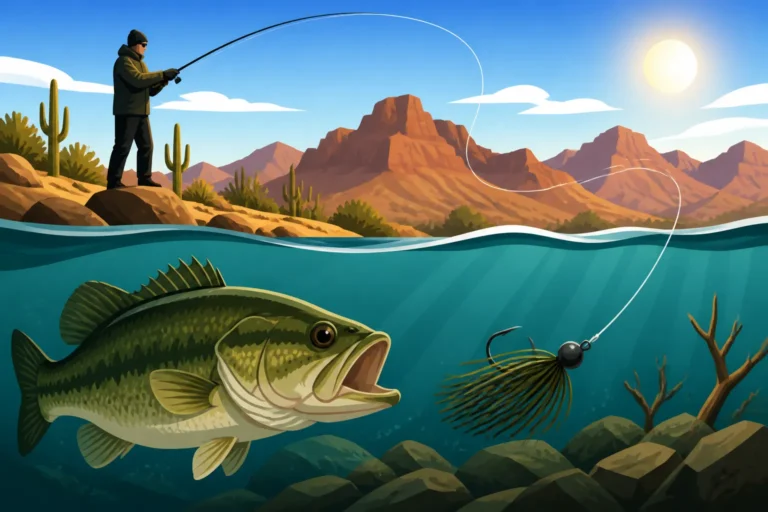
We've all been there: staring at a tangle of line, wondering if that complex-looking Carolina rig is really worth the effort when you're just trying to coax a stubborn largemouth bass out of the Arizona heat. It looks intimidating, with all those beads, weights, and swivels, but let me tell you, once you understand the magic behind it, the Carolina rig becomes an indispensable tool in your Arizona fishing arsenal. This guide will cut through the confusion and show you exactly how to set up, cast, and effectively fish a Carolina rig to entice those elusive largemouth bass in our unique desert lakes.
Understanding the Carolina Rig: Why It Works for Arizona Bass
The Carolina rig might seem like a lot of moving parts, but each component plays a crucial role in making it one of the most effective presentations for largemouth bass, especially in the clear, structured waters we often find here in Arizona. It's essentially a finesse rig that still allows you to cover water and present your bait naturally.
The Anatomy of a Carolina Rig
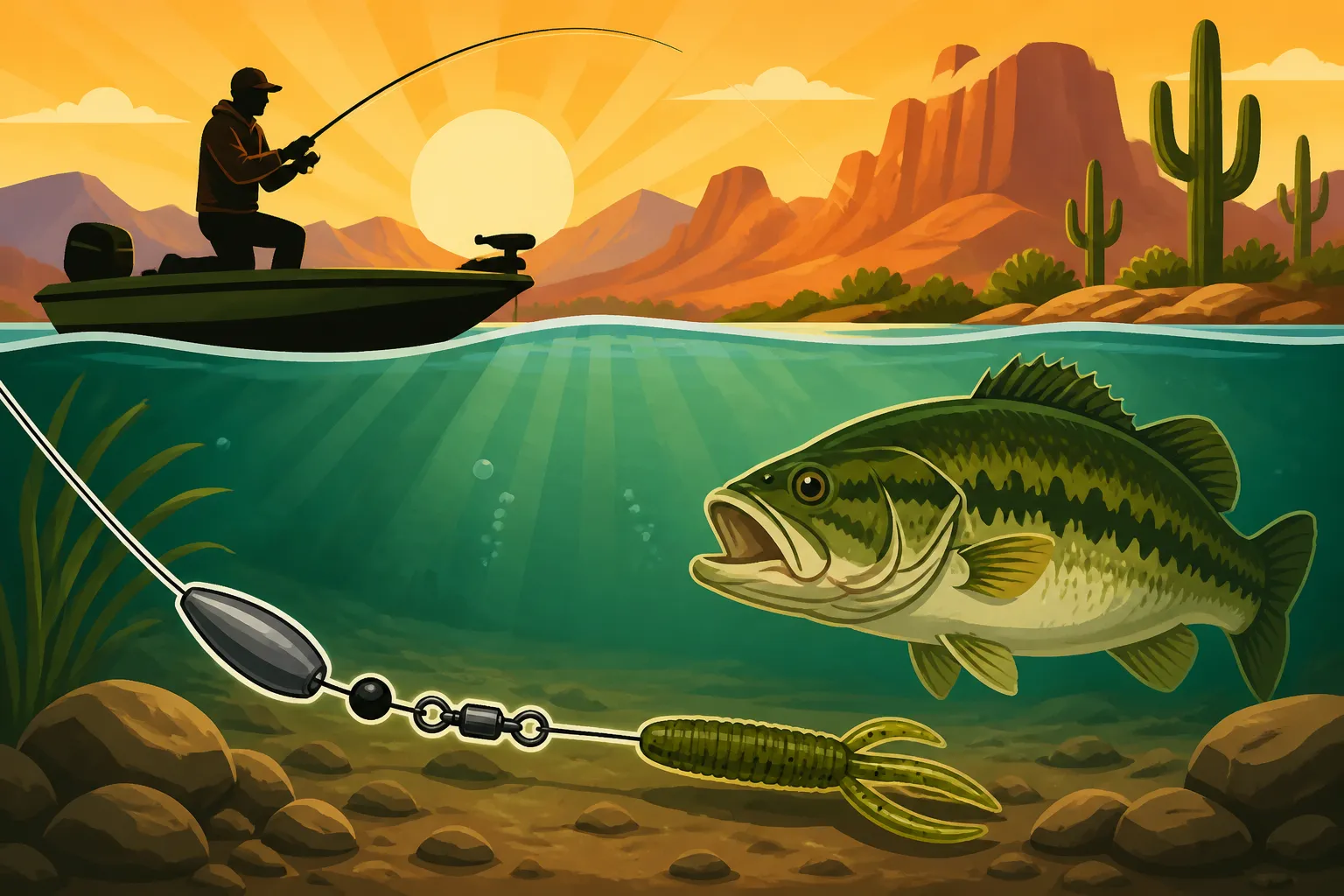
Think of a Carolina rig as having a "leader" that separates your bait from your main line and weight, allowing for a freedom of movement that many other rigs don't offer. Here's a breakdown of the key elements:
- Main Line: This is the line coming from your reel. Most anglers opt for a heavier monofilament or fluorocarbon, or even braided line for sensitivity, especially when fishing around submerged timber or rocky structure. You're looking for something with good abrasion resistance here.
- Sinker/Weight: This is typically an egg sinker, bullet weight, or even a specialized Carolina rig weight. It slides freely on your main line. The weight acts as an anchor, getting your bait down to the desired depth and allowing you to feel the bottom contours. The weight you choose will depend on depth, wind, and how much current you're dealing with – heavier for deeper water or windy conditions, lighter for shallower or calmer spots.
- Bead(s): Positioned between the weight and the swivel, these aren't just for decoration! Hard plastic or glass beads serve two primary functions. First, they protect the knot on your swivel from being repeatedly hammered by the heavy weight during casting and retrieving. Second, and arguably more importantly, they create an attractive clicking sound when the weight slides against them, mimicking the sound of crawfish or other prey scurrying along the bottom, which can absolutely trigger strikes from curious bass. Many anglers will use one or two beads depending on the noise level they want to create.
- Swivel: This small but mighty piece of hardware connects your main line (after the bead and weight) to your leader. Its job is to prevent line twist, which can be a real headache when using soft plastic baits that might spin in the water. A good quality, heavy-duty swivel is key here, as it will take a lot of abuse.
- Leader: This is a separate piece of line tied to one end of the swivel, with your hook and bait tied to the other end. The leader is usually made of fluorocarbon, known for its invisibility underwater and its abrasion resistance. Its length is critical and can vary greatly, typically from 18 inches to as much as 6 feet. A longer leader gives your bait more freedom to float and drift tantalizingly behind the weight, making it look more natural. A shorter leader offers more control and keeps the bait closer to the bottom.
- Hook: A wide gap or extra wide gap (EWG) hook is commonly used, especially with larger soft plastics. This style of hook allows the bait to be rigged weedless, which is absolutely essential when dragging a rig through brush, rocks, or submerged vegetation in many Arizona lakes.
- Soft Plastic Bait: This is the "meal ticket" for the bass. The Carolina rig shines with a variety of soft plastics, from lizards and worms to creature baits and flukes, which we'll dive into later. The weightless presentation on the leader makes these baits move incredibly naturally.
When and Where to Deploy a Carolina Rig in Arizona
The Carolina rig truly excels in specific situations that are common across Arizona's diverse fisheries. It’s not a one-size-fits-all solution, but when conditions are right, it can outproduce almost anything else.
Deep Water and Structure
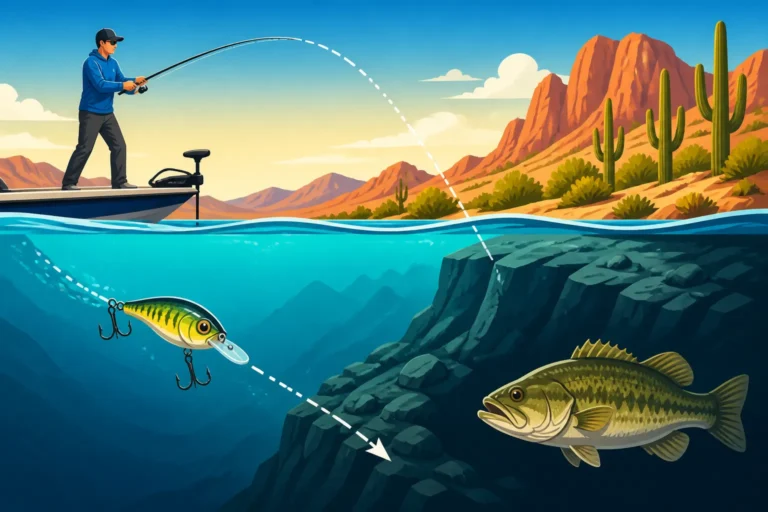
Arizona is known for its deep, clear reservoirs like Lake Pleasant, Roosevelt Lake, and Lake Powell. In these environments, bass often relate to offshore structure such as submerged humps, points, ledges, and creek channels, especially during warmer months or when fish are pressured. A Carolina rig is a fantastic tool for systematically dragging these areas. The heavy weight keeps contact with the bottom, allowing you to "read" the terrain and feel every rock, stump, or change in depth. The bait trailing behind the weight often looks like a foraging creature, picking its way along the bottom, which is incredibly appealing to bass that might be hesitant to chase faster-moving lures. This is particularly effective when you're trying to locate fish that have moved off the banks into deeper holding patterns.
Sprawling Flats and Open Water
While structure is key, sometimes bass are simply spread out on large, relatively flat areas of the lake bottom. The Carolina rig allows you to cover these expanses efficiently. You can make long casts, drag the rig, and systematically search for isolated rocks, shell beds, or even subtle depressions that might be holding fish. This technique is often used in areas where fish are schooling but not actively busting the surface, or when they are staging for a spawn in slightly deeper water. The ability to make long casts also helps you stay further away from skittish fish in clear water conditions, preventing them from being spooked by your boat or shadow.
Wind and Current
Arizona can get windy, and fishing can be tough when your boat is blowing around. The heavier weight of a Carolina rig helps you maintain bottom contact and control your presentation, even in choppy water. Similarly, in sections of the Colorado River or other flowing waters, the weight helps keep your bait in the strike zone, while the free-moving leader allows the bait to flutter and undulate naturally in the current, mimicking an injured baitfish or crawfish being swept along. For more insights on how these conditions impact your strategy, check out our guide on How Wind Affects Bass Fishing on Open Lakes.
Post-Frontal Conditions and Pressured Fish
When a cold front rolls through, or after a lot of fishing pressure, bass can become lethargic and finicky. They might not be willing to chase a fast-moving crankbait or aggressively strike a topwater lure. This is where the subtle, natural presentation of a Carolina rig shines. The slow, methodical drag-and-pause retrieve allows you to put the bait right in front of a hesitant bass, giving it plenty of time to inspect and eventually commit. The bait's separate action from the weight makes it look less threatening and more like an easy meal. This technique can often coax bites when nothing else seems to work, especially on popular lakes near Phoenix or Tucson that see a lot of angler activity.
Setting Up Your Carolina Rig for Arizona Largemouth
Getting your Carolina rig assembled correctly is paramount. A poorly tied knot or mismatched components can lead to lost fish, frustrating tangles, and a wasted day on the water. Don't worry, it's simpler than it looks once you get the hang of it.
Choosing the Right Gear
The right tools make all the difference. Here’s what you’ll need for a solid Carolina rig setup specifically tailored for our Arizona bass.
Rod, Reel, and Line
- Rod: A medium-heavy to heavy power casting rod, usually 7 to 7.5 feet in length, is ideal. You need a rod with enough backbone to cast the heavier weights of a Carolina rig and drive a stout hook through a bass's jaw, but also a relatively moderate tip to detect subtle bites and absorb the shock of a strike without tearing the hook out. A fast action tip is common, but some anglers prefer a moderate-fast for better casting distance with the swinging weight.
- Reel: A baitcasting reel with a gear ratio in the 6.1:1 to 7.1:1 range is perfect. This allows for efficient retrieval of line between drags and enough torque for fighting bigger fish. Smooth drag is also important for those hard-fighting Arizona largemouth.
- Main Line: For the main line, many anglers opt for 15-20 lb fluorocarbon or monofilament for its abrasion resistance and relative invisibility. However, I personally prefer 30-50 lb braided line for its superior sensitivity, especially when fishing deep. The lack of stretch in braid transmits every bump and tap directly to your hands, which is a huge advantage when feeling those subtle Carolina rig bites. If you go with braid, you'll definitely want a fluorocarbon leader for stealth.
- Leader Material: Always use fluorocarbon for your leader! Its low visibility in water is unmatched, making it virtually invisible to wary bass in our clear Arizona lakes. Choose a line weight of 12-17 lb test for your leader. The length, as mentioned, can vary, but a good starting point is 2 to 3 feet. This allows for natural bait movement without being overly prone to tangles on the cast.
Weights, Beads, Swivels, and Hooks
- Weights: Tungsten weights are generally preferred over lead because they are much denser. This means a smaller profile for the same weight, which is less intrusive and creates more sensitivity. Tungsten also transmits bottom composition much better than lead. Common sizes range from 1/2 oz to 1 oz, depending on depth and wind. For shallow water (under 10 feet) or calm days, a 1/2 oz or 3/4 oz might suffice. For deeper water (20+ feet) or windy conditions, you'll want 3/4 oz to 1 oz. Check out Amazon for a great selection of tungsten weights.
- Beads: One or two hard plastic or glass beads, about 6mm or 8mm in size. Glass beads tend to create a sharper, louder click, while plastic beads offer a softer, more subtle sound. Experiment to see what the bass prefer!
- Swivels: A good quality, barrel swivel or ball-bearing swivel in a size #5 or #7 is usually sufficient. Make sure it's strong enough to handle the stress of casting and fighting fish.
- Hooks: Wide gap (WG) or extra wide gap (EWG) hooks in sizes 3/0 to 5/0 are standard. These allow you to rig larger soft plastics weedless, minimizing snags. The specific size will depend on the bait you're using.
Step-by-Step Rigging Guide
Putting it all together might seem daunting, but just take it one step at a time. Practice a few times at home before you hit the water.
- Slide on the Weight: Take your main line and thread it through the narrow end of your chosen weight (bullet or egg sinker). The weight should slide freely.
- Add the Bead(s): Next, slide one or two beads onto the main line, right after the weight. These will sit between the weight and the swivel.
- Tie the Swivel: Tie your main line to one eye of the swivel. A strong, reliable knot like a Palomar knot or an improved Clinch knot is essential here. Make sure to moisten your line before tightening the knot to prevent friction and weakening.
- Cut and Tie the Leader: Cut a piece of fluorocarbon leader material to your desired length (2-3 feet is a good starting point). Tie one end of this leader to the other eye of the swivel using the same strong knot.
- Tie the Hook: Tie your chosen wide gap or EWG hook to the free end of your fluorocarbon leader. Again, a Palomar or improved Clinch knot is recommended for strength.
- Rig the Bait: Now, rig your soft plastic bait weedless onto the hook. Insert the hook point into the nose of the plastic, thread it about a quarter to half an inch, then bring it out and turn the hook. Lay the hook alongside the bait to see where the point will exit, then re-insert the hook point so it lies flush with the bait's body. This makes it snag-resistant and allows for a natural presentation.
You've done it! Your Carolina rig is now ready for action. Learning how to properly tie your knots is a skill that will serve you well across all fishing applications. For more detail, you might want to look into Fishing License Age Requirements in Arizona if you're bringing a junior angler along, or perhaps Arizona Fishing Regulations Explained for general rules.
Mastering the Presentation and Retrieve
Once your Carolina rig is tied, the real art begins: learning how to fish it effectively. It's not just about casting and reeling; it's about feeling, subtle movements, and knowing when to react.
The Drag-and-Pause Technique
This is the quintessential retrieve for a Carolina rig, and it's all about methodically working your bait across the bottom.
- The Cast: Make a long cast. The heavy weight of the Carolina rig allows for excellent casting distance, which is crucial for covering water and reaching offshore structure. Aim for areas where you suspect bass might be holding – the edges of a point, a drop-off, or a submerged humpy.
- Let It Sink: Allow the rig to sink all the way to the bottom on a slack line. You'll feel a distinctive "thunk" when the weight makes contact. If you're using braided line, this contact will be even more apparent due to its sensitivity.
- The Drag: Once it's on the bottom, retrieve any slack in your line until you feel the weight. Then, instead of reeling, use your fishing rod to slowly and smoothly drag the weight along the bottom. You do this by sweeping your rod tip from about the 9 o'clock position (pointing towards the water) to the 1 o'clock or 2 o'clock position. Don't lift the weight off the bottom too much; the goal is to keep it dragging. This motion causes the weight to bump and grind along the bottom, kicking up puffs of sediment and creating those attractive clicking sounds with the beads. The bait, being on a leader, will dart and glide behind the weight, mimicking a fleeing or foraging creature.
- The Pause: After each long drag, pause. Slowly reel in the slack created by your rod sweep until your line is taut again, feeling the weight on the bottom. This pause is absolutely critical. Often, bass will strike during this moment, as the bait settles and looks vulnerable. It's also during this pause that you feel what kind of bottom structure you're on. Is it rocky? Muddy? Sandy? Are there stumps or brush piles? Knowing your bottom composition helps you understand where the bass might be lurking.
- Repeat: Continue this drag-and-pause motion, systematically working the entire area you cast into. Think of it as painting a grid across the bottom, ensuring you cover every potential hiding spot. Vary the length of your drags and pauses until you find what the fish prefer on a given day. Sometimes a longer pause is needed, other times a quicker, more aggressive drag.
Detecting Bites and Setting the Hook
This is where many anglers struggle with the Carolina rig, especially beginners. Bites can be incredibly subtle, ranging from a slight "tick" to simply feeling a sudden heaviness or sponginess on your line.
- Feel the "Tick": The most common bite is a distinct "tick" or "thump" as the bass grabs the bait. Because the weight is separated from the bait, you might not feel the weight move, but rather a direct impact on the bait. This is where a sensitive rod and braided main line truly shine. Every little change, every rock, every branch, every fish will transmit through the line.
- The "Mouthful of Mud": Sometimes, especially with less aggressive fish, you won't feel a sharp strike. Instead, your line will just feel heavy, or like you're dragging through a patch of mud or weeds, even when you know the bottom is clean. This "mushy" feeling often means a bass has picked up the bait and is just slowly swimming off with it.
- Line Movement: Keep a close eye on your line where it enters the water. Any sudden twitch, jump, or unnatural movement to the side can indicate a bite. Even if you don't feel anything on the rod, if your line moves, set the hook!
- The Hookset: When you detect a bite, it's crucial to set the hook quickly and with authority. Since you're often fishing with a long leader and possibly a bit of slack, a powerful, sweeping hookset is needed. Don't just jerk upwards. Instead, reel down quickly to take up any slack until you feel the weight of the fish, then sweep your rod to the side (usually from about 9 o'clock to 2 o'clock) while reeling aggressively. This ensures the hook penetrates the tough jaw of a largemouth bass. You don't want to hesitate, as bass can quickly spit a bait they don't like.
Remember, practice makes perfect. The more you fish a Carolina rig, the more attuned you'll become to the subtle signals that indicate a bite. Don't get discouraged if you miss a few at first. It's all part of the learning curve! Knowing How to Fish Deep Structure in Summer Heat can be particularly useful for Carolina rig presentations.
Essential Carolina Rig Baits for Arizona Bass
The beauty of the Carolina rig is its versatility in presenting a wide array of soft plastics. The weightless, free-moving action of the bait on the leader is incredibly appealing to bass, and choosing the right lure can make all the difference.
Soft Plastics That Shine
When it comes to soft plastic baits for a Carolina rig in Arizona, you want something that has good action and a profile that mimics common bass forage.
- Lizards (e.g., Zoom Lizard): These are classic Carolina rig baits for a reason. Their flapping legs and curly tail provide excellent action as they are dragged and paused, mimicking a crawfish or another small creature scurrying across the bottom. They are particularly effective during the pre-spawn and spawn periods, as bass often perceive lizards as egg-eating predators and will strike them defensively.
- Straight-Tail Worms (e.g., Zoom Trick Worm, Senko-style worms): While not exclusively Carolina rig baits, straight-tail worms can be deadly. Rigged weedless, they slither and undulate with very little movement, offering a subtle presentation. When paused, they slowly spiral or wave, creating an irresistible temptation for lethargic bass. Lengths of 6-8 inches are common.
- Creature Baits (e.g., Berkley PowerBait MaxScent Creature Hawg, Strike King Rage Craw): These multi-appendaged baits, often resembling crawfish or other aquatic invertebrates, are fantastic for imitating bottom-dwelling forage. Their various flappers, claws, and tentacles create a lot of subtle movement, even on the pause. They're excellent when bass are targeting crawfish, which are prevalent in many Arizona lakes like Lake Pleasant or Roosevelt Lake.
- Flukes (e.g., Zoom Super Fluke): Flukes are soft plastic jerkbaits that, when rigged on a Carolina rig, offer a different action. They glide and dart erratically, mimicking an injured baitfish. This can be especially effective when bass are keying in on shad or other small baitfish. The larger profile can also attract bigger bass.
- Brush Hogs/Speed Craws: These bulkier creature baits offer a larger profile and more water displacement, which can be useful when fishing in stained water or trying to present a bigger meal to trophy-sized bass. Their robust design also makes them durable for dragging through cover.
Remember, the key is the natural, weightless presentation of the bait. The longer leader allows it to float, drift, and generally move with much less restriction than if it were directly tied to the weight. You can find many of these popular soft plastic baits on Amazon or at your local tackle shop.
Color Selection for Arizona Waters
Choosing the right color is often dictated by water clarity, light conditions, and the forage base in a specific lake. Here’s a general guide for Arizona:
- Clear Water Lakes (e.g., Lake Powell, Saguaro Lake): In clear lakes, natural and subtle colors often perform best. Green pumpkin, watermelon, watermelon red, and browns are excellent choices as they mimic crawfish, bluegill, or other natural prey. Junebug can also be surprisingly effective.
- Stained or Murky Water (e.g., after heavy rain, or some community lakes): When the water is stained or muddy, brighter or darker, more opaque colors are needed to create a better silhouette and visibility for the bass. Black and blue, junebug, plum, and even red can be very effective. The contrast helps the bass locate the bait in reduced visibility.
- Sunny Days vs. Cloudy Days: On bright, sunny days, stick to more natural and translucent colors. On cloudy days or in low light conditions (dawn/dusk), you can often get away with slightly bolder or darker colors.
- Seasonal Considerations: In the spring, when bass are feeding heavily on crawfish, colors like green pumpkin, brown, and red hues are excellent. During the summer, when bass might be targeting shad, lighter colors like ghost shad, white, or pearl can be effective, especially with fluke-style baits.
| Bait Type | Common Colors for Arizona (Clear Water) | Common Colors for Arizona (Stained Water) | Primary Action/Mimics | Best Use Cases |
|---|---|---|---|---|
| Lizards | Green Pumpkin, Watermelon, Brown | Junebug, Black/Blue | Crawling, swimming | Pre-spawn, defensive strikes, rocky bottoms |
| Straight Worms | Green Pumpkin, Watermelon Candy | Junebug, Plum | Subtle wiggle, spiral | Finesse, pressured fish, soft bottom |
| Creature Baits | Green Pumpkin, Brown, Watermelon Seed | Black/Blue, Red Bug | Crawling, scuttling | Crawfish imitation, heavy cover, deeper structure |
| Flukes | Pearl, Ghost Shad, Watermelon | White, Chartreuse Shad | Gliding, darting | Baitfish imitation, suspended fish, open water flats |
Don't be afraid to experiment! What works one day might not work the next. Always pay attention to what the fish are telling you and be willing to switch up your bait or color if you're not getting bites. Sometimes the subtlest change makes all the difference. Learning about Best Baits and Lures for Arizona Fishing can broaden your overall bait selection. For those chasing trophy bass, understanding Arizona Largemouth Bass Record can inspire your efforts.
Conclusion
The Carolina rig might look like a lot when you first start, but I promise you, mastering this technique will open up a whole new world of bass fishing opportunities in Arizona. From the deep, clear waters of Lake Powell to the structured humps of Lake Pleasant, this rig offers a natural, subtle, and incredibly effective presentation for tempting even the most finicky largemouth bass. It's about taking the time to understand each component, practicing your knots, learning to feel the bottom, and paying close attention to those subtle bites. So, next time you're heading out, rig up a Carolina rig, embrace the drag-and-pause, and get ready to hook into some truly impressive Arizona largemouth. Your tackle box, and your fishing success, will thank you for it!
Disclaimer
This article is for general informational purposes only and does not constitute professional advice. Laws, prices and regulations vary by location and change over time. Consult a qualified professional for guidance on your specific situation.