Is Lees Ferry Good for Fly Fishing Beginners?
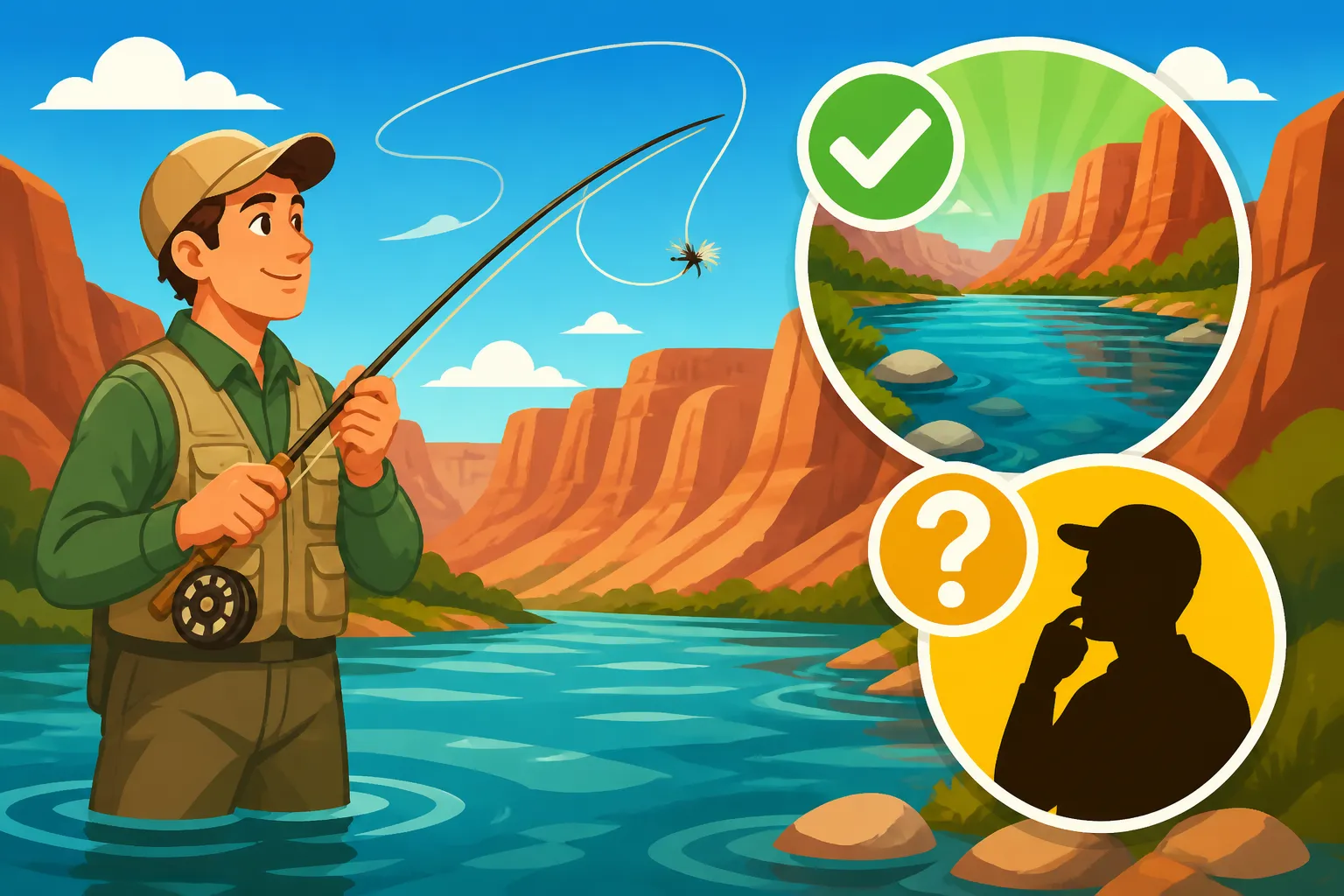
You've heard the whispers, seen the stunning photos, and maybe even dreamt of casting a line into the legendary waters of Lees Ferry. It’s a bucket-list destination for fly anglers, but if you’re just starting out, the thought of tackling such an iconic, and often technically demanding, fishery can feel incredibly daunting. This guide is here to untangle the truth, offering a realistic look at whether Lees Ferry is indeed a welcoming spot for fly fishing beginners and what you can do to make your first experience a success.
Lees Ferry: A Fly Fishing Paradise with a Catch for Beginners
Lees Ferry, nestled below Glen Canyon Dam and marking the official start of the Grand Canyon, holds an almost mythical status in the fly fishing world. Its reputation is well-earned, but like many legendary places, it comes with its own unique set of challenges, especially for those new to the sport. It's a place that can reward patience and skill with magnificent trout, but it can also humble even seasoned anglers.
Why Lees Ferry Draws Anglers
When you look at Lees Ferry on paper, it's easy to see why it's a magnet for fly fishermen from all over. The sheer beauty of the place, with towering red rock cliffs reflecting in the clear, cold waters of the Colorado River, is enough to take your breath away. But beyond the aesthetics, it's the fishing itself that truly sets it apart.
For starters, Lees Ferry is home to a world-class trout fishery, primarily rainbow trout. These fish thrive in the consistent, cold water released from the bottom of Glen Canyon Dam, creating a year-round optimal habitat. This constant flow means reliable conditions, which isn't always the case with freestone rivers that can fluctuate wildly with seasons and weather. Anglers consistently pull out trout in the 16-20 inch range, with much larger specimens possible. Imagine landing a gorgeous, hefty rainbow on a fly rod – that's the dream Lees Ferry sells. The lack of major tributaries for a significant stretch also means remarkably clear water, which, while beautiful, adds to the technicality of the fishing because the trout can see everything. Many experienced anglers consider it one of the premier destinations for Rainbow Trout Fishing Guide for Arizona, and it frequently appears on lists of top fishing spots in the state.
The Realities of Lees Ferry for a Novice
Now, let's be realistic. Lees Ferry is absolutely breathtaking and full of fish, but it’s not your average stocked pond where a worm and a bobber will guarantee success. For a beginner, Lees Ferry can be an incredibly tough nut to crack. The main challenges stem from several factors:
Firstly, the technical nature of the fishing is significant. Lees Ferry trout are not uneducated. They see countless flies float by them every day, and they become incredibly selective. This means you often need to present a tiny fly (sometimes size 20 or smaller) on a delicate leader, drift it naturally, and detect the subtlest of takes. This isn't just about casting; it's about understanding entomology, current seams, water depths, and how trout feed. Many traditional casting techniques might need refinement here to achieve the long, accurate, and drag-free drifts required.
Secondly, the current and water depth can be intimidating. The Colorado River here is a powerful body of water. While the flows are regulated, they can still be strong, making wading challenging and often requiring a boat to access the best spots. Learning to navigate a boat, anchor effectively, and present flies in moving water adds another layer of complexity. If you're new to fly fishing, you might already be struggling with line management, and adding a strong current to the mix can lead to tangles, poor drifts, and constant frustration. This powerful river can also make even finding Fishing Access at Lees Ferry from shore more difficult than many other locations.
Finally, the specialized gear requirements can be a barrier. While you can technically fish with any fly rod, Lees Ferry often demands specific setups: lighter rods (typically 5 or 6 weight), sensitive lines, long fluorocarbon leaders, and a vast array of tiny midge, scud, and worm patterns. Investing in all this specialized equipment can be a significant upfront cost for someone who isn't sure if fly fishing is truly their passion. The sheer volume of flies alone can be overwhelming, and knowing which one to tie on at any given moment is a skill honed over many trips. It's not uncommon for experienced anglers to carry multiple fly boxes, each filled with dozens of variations of a single pattern.
Essential Considerations for a Beginner's First Trip to Lees Ferry
So, if you're still determined to experience Lees Ferry, despite its challenges, that's fantastic! It shows a true passion for the sport. But to maximize your chances of success and minimize frustration, there are some critical considerations to keep in mind. Think of it less as a casual outing and more as a deliberate learning expedition.
Gear and Techniques: More Than Just a Rod and Reel
For a beginner, the sheer volume of gear and specialized techniques needed for Lees Ferry can be overwhelming. Let’s break down what you’re likely to encounter and what you should consider:
- Rod and Reel: While a standard 5-weight fly rod is a good all-around choice for trout, many Lees Ferry regulars prefer a 5- or 6-weight rod with a fast to medium-fast action for better casting control in wind and handling larger trout in current. A good quality, smooth-drag reel is essential, as these trout can run. A common mistake beginners make is underestimating the power of the fish in this river. Your setup needs to be balanced. When considering what kind of rod and reel to bring, you might want to review resources like Best Rod and Reel Combo for Bass or Best Rod for Trout Fishing to get a general idea, though specific Lees Ferry advice might differ slightly.
- Line, Leaders, and Tippet: This is where Lees Ferry gets tricky. You'll generally use a weight-forward floating line. The critical components are your leader and tippet. Lees Ferry trout are notoriously line-shy due to the clear water. This means long leaders (9-12 feet) tapering down to fine tippet (5X or 6X, sometimes even 7X) are the norm. Fluorocarbon tippet is often preferred because it's nearly invisible in water and sinks faster than monofilament. Mastering leader construction and knot tying is vital. You can't just use a pre-tied leader straight out of the package and expect consistent success; often, you'll be adding tippet multiple times throughout the day.
- Flies: Forget the big, flashy attractor patterns you might use in other trout streams. Lees Ferry is all about matching the hatch, or more accurately, matching the sub-surface hatch. Midges, scuds, and annelids (like San Juan Worms) are the bread and butter. You'll need a variety of sizes and colors, often tiny ones (size 18 to 22). Nymphing rigs, sometimes with multiple flies and split shot, are the most effective presentation. Learning about different midge patterns – zebra midges, disco midges, larva patterns – and their various colors (red, black, green, brown) is a steep learning curve. The trout here feed constantly, but they are incredibly discerning.
- Casting and Presentation: Long, accurate casts are important, but even more so is the ability to achieve a "drag-free drift." This means your fly moves at the exact same speed as the current, without your line pulling on it unnaturally. This often involves mending your line (making adjustments upstream with your rod tip) and casting techniques like stack mends or parachute casts. For a beginner, simply getting the fly out there is a challenge; achieving a perfect drag-free drift consistently is an art form that takes years to master. You'll also need to understand how to effectively set the hook, as takes can be incredibly subtle, feeling like nothing more than a slight tick or pause in your line.
Understanding the Water: Current, Depth, and Reading the River
Lees Ferry isn't just a river; it's a tailwater fishery, meaning its flows are controlled by the Glen Canyon Dam. This unique characteristic profoundly impacts the fishing:
- Consistent Cold Water: The water released from the dam's depths is consistently cold, usually around 47-50°F (8-10°C) year-round. This stable, cold environment is ideal for trout but also means they behave differently than trout in warmer, free-flowing streams. They are often less active in terms of chasing flies and tend to hold in specific feeding lanes.
- Regulated Flows: While stable, the flows can change daily or even hourly depending on dam operations for power generation. These changes in flow can dramatically alter current speed, water depth, and where fish hold. Understanding the projected flow schedule (often available online from the Bureau of Reclamation) can be crucial for planning your day. Rising water might push fish to the banks, while falling water might make them retreat to deeper channels.
- Reading the River: This is arguably the hardest skill for any angler, and especially a beginner, to develop. In Lees Ferry, you need to identify subtle current seams, eddies, deeper runs, and drop-offs where trout are likely to hold and feed. The clear water helps, but the sheer size and power of the river can make these features less obvious. Trout will position themselves to expend minimal energy while having food delivered to them. Learning to spot these "feeding lanes" is paramount. A guide can point them out, but developing your own eye for it takes time on the water.
Making Lees Ferry Accessible for Beginners: Strategies and Support
It’s clear that Lees Ferry is not a walk in the park for a fly fishing novice. But that doesn’t mean it’s impossible. With the right approach and support, a beginner can absolutely have a rewarding experience and even catch some beautiful fish. It's all about setting realistic expectations and leveraging available resources.
The Invaluable Role of a Local Guide
If there's one piece of advice that echoes louder than any other for a beginner at Lees Ferry, it's this: hire a guide. This isn't just a suggestion; it's almost a necessity for your first trip, especially if you're new to fly fishing entirely or new to this particular kind of technical tailwater fishing. A good guide isn't just someone who knows the river; they are an educator, a coach, and your best chance at success.
Here's why a guide is invaluable:
- Expert Local Knowledge: Lees Ferry guides spend hundreds of days a year on these waters. They know the subtle nuances of every bend, every rock, and every current seam. They know what flies are working that day, what depths the fish are holding at, and how the dam flows are affecting fish behavior. This hyper-local, real-time intelligence is something you simply cannot replicate with online research or guidebooks. They'll also know the best Fly Fishing Access at Lees Ferry spots for the current conditions.
- Instruction and Coaching: A guide will teach you the specific casting techniques, nymphing setups, and presentation methods that are most effective at Lees Ferry. They'll correct your casting, help you manage your line, and teach you how to detect those incredibly subtle takes. This personalized, hands-on instruction is far more effective than trying to learn from videos or books alone. They can explain complex concepts like micro-currents and drag in an understandable way, tailoring their advice to your specific skill level.
- Equipment and Flies: Most guides provide all the necessary high-quality gear – rods, reels, leaders, and an extensive collection of flies specific to Lees Ferry. This saves you the significant upfront cost and guesswork of buying everything yourself. They’ll have the exact size 22 midge in the right color that the fish are eating, which can literally make or break your day.
- Boat Access: Many of the best fishing spots on Lees Ferry are only accessible by boat. Guides operate specialized drift boats or McKenzie-style boats that are perfect for navigating the river safely and efficiently. This allows you to cover more water and fish areas that are otherwise unreachable from shore.
- Safety: The Colorado River is powerful. A guide ensures your safety, navigating currents and hazards, especially important for those unfamiliar with the river. They'll also make sure you're properly equipped with safety gear, including personal flotation devices (PFDs). Check out tips on Best Life Jackets for Anglers for your own future reference.
Websites like FishingBooker are excellent resources for finding experienced and reputable Lees Ferry guides. You can browse profiles, read reviews, and often book directly, ensuring you connect with someone who specializes in fly fishing for trout in this specific area. When booking, be sure to communicate that you are a beginner so they can tailor the trip accordingly.
Best Times and Sections for a Beginner
Even with a guide, choosing the right time of year and specific sections of the river can make a difference for a beginner:
- Seasons: While Lees Ferry is a year-round fishery, some seasons might be more forgiving. Spring (March-May) and Fall (September-November) often offer more stable weather and consistent fishing, with slightly more active fish than in the dead of winter. Summer can be productive early in the morning and late in the evening but the intense Arizona heat can be a challenge. Winter can be fantastic for big fish but requires even more technical prowess with tiny flies and slow presentations. Learning about Arizona Fishing Seasons Explained can help inform your decision.
- River Sections: The 15-mile section of Lees Ferry below the dam can be broken down into various areas. Some spots are known for heavier current, while others have more accessible wading opportunities. A guide will know exactly where to go based on current conditions and your skill level. Generally, the upper sections closer to the dam might involve more boat-based fishing, while some lower sections offer more wadeable banks, though still with strong currents.
Alternative Beginner-Friendly Fly Fishing Spots in Arizona
Look, it's okay to admit that Lees Ferry might be a bit too much for your very first fly fishing experience. There's no shame in starting somewhere a little more forgiving! Arizona has a surprising diversity of fishing opportunities, and many are much better suited for learning the ropes without the pressure and technical demands of a world-class tailwater. You can still learn Best Trout Fishing Techniques for Arizona Waters in these spots.
Other Arizona Waters for Learning the Ropes
If you want to get a solid foundation in fly fishing before tackling the challenge of Lees Ferry, consider these alternatives:
- Community Fishing Program Lakes: These urban lakes, found in cities like Phoenix, Tucson, and Prescott, are regularly stocked with rainbow trout during the cooler months (typically October through May). They are easily accessible, often have paved banks, and offer a much higher chance of success for a beginner. While they don't offer the remote beauty of Lees Ferry, they are excellent for practicing casting, learning how to rig a fly, and getting a feel for fighting a fish on a fly rod. You can usually find information on their stocking schedules from the Arizona Game and Fish Department (AZGFD). Remember to check Trout Stamp Requirements in Arizona if you plan to fish for trout in these (or any other) stocked waters.
- Lower Salt River (near Phon D Sutton Recreation Area): Located east of Mesa, this section of the Salt River is another popular trout stocking location during the cooler months. While it has current, it's generally less intimidating than Lees Ferry. It's a great spot for wade fishing and practicing nymphing or even streamer fishing for stocked rainbows. The access is good, and you'll often find other anglers, making it a friendly environment for beginners. It's also fairly close to the Phoenix metro area, making it an easy day trip.
- White Mountains Lakes and Streams: If you're looking for a more natural, scenic experience that's still beginner-friendly, head to Arizona's White Mountains. Lakes like Big Lake, Show Low Lake, and Fool Hollow Lake are stocked with trout and offer good bank access. Many smaller streams in the area, such as the Little Colorado River's East Fork or Silver Creek (with specific regulations), can be fantastic for learning basic fly casting and presentation in a serene environment. These spots generally have smaller, wilder trout, which are still a blast to catch on lighter fly gear. These high-country locations are often featured in guides like Best Fishing Spots Near Flagstaff (though Lees Ferry is also in Northern Arizona, it's a completely different environment).
Remember, the goal of these beginner-friendly spots is to build confidence and hone your skills without the intense pressure of Lees Ferry. You can experiment with different fly patterns, practice your cast, and learn to "feel" the bite without worrying about the river's powerful currents or overly selective trout.
Here's a quick comparison of Lees Ferry versus more beginner-friendly spots:
| Feature | Lees Ferry | Community Lakes (e.g., Phoenix) | Lower Salt River (Stocked) | White Mountains Streams/Lakes |
|---|---|---|---|---|
| Difficulty | High (Technical, Strong Current) | Low (Easy Access, Plentiful Stocked Fish) | Moderate (Gentler Current, Good Access) | Moderate (Variable Access, Smaller Trout) |
| Guide Necessity | Highly Recommended/Almost Essential | Not Necessary | Optional, but helpful for technique | Optional, but helpful for location |
| Typical Fish | Large, Wild Rainbow Trout (16-20+ inches) | Stocked Rainbow Trout, Catfish, Bass | Stocked Rainbow Trout, Some Bass/Panfish | Smaller Rainbow, Brown, Brook Trout |
| Environment | Remote, Canyon, Cold Tailwater | Urban Parks, Paved Banks | Desert River, Riparian Zone | High-Country Forest, Alpine Lakes |
| Learning Focus | Advanced Nymphing, Reading Complex Current | Basic Casting, Fighting Fish, Rigging | Nymphing in Current, Reading Runs | Dry Fly/Nymphing in Smaller Water |
| Gear Required | Specialized, Delicate, Precise | Basic Spin/Fly Gear, Simple Rigs | Standard Fly Gear, Flexible | Lighter Fly Gear (3-5wt), Stealth |
Ultimately, Lees Ferry can be a good experience for a fly fishing beginner, but it's largely dependent on how you approach it. Going with a knowledgeable guide, like one you might find through FishingBooker, will transform a potentially frustrating struggle into an incredible learning opportunity. You’ll gain invaluable insights and techniques that will serve you well for the rest of your fly fishing journey, wherever it takes you in Arizona and beyond.
Disclaimer
Please be aware that fishing regulations, conditions, and fish stocking schedules can change. Always consult the latest Arizona Game and Fish Department regulations before heading out on any fishing trip. Safety is paramount, especially when fishing in or near strong currents.