How to Fish a Spinnerbait in Spring
Springtime fishing in Arizona can be a real head-scratcher. One day the bass are biting like crazy, and the next, a cold front rolls in, making them finicky and hard to find. It's frustrating when you're eager to get on the water, but the fish seem to have other plans. This guide is all about cutting through that uncertainty, showing you exactly how to leverage one of the most versatile and effective lures in your arsenal for these ever-changing conditions: the spinnerbait.
Why Spring in Arizona Demands a Spinnerbait in Your Tackle Box
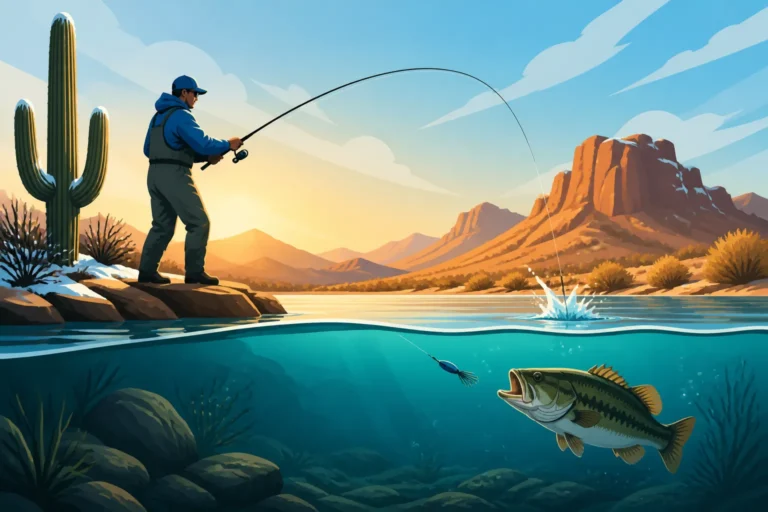
When the desert lakes of Arizona start warming up after winter, and fish transition from deep hibernation to active feeding and spawning, things can be unpredictable. Spinnerbaits are a phenomenal tool to navigate these shifting conditions because they offer a blend of flash, vibration, and profile that can entice bass whether they're aggressive or a bit sluggish.
Mimicking Forage and Triggering Reaction Strikes
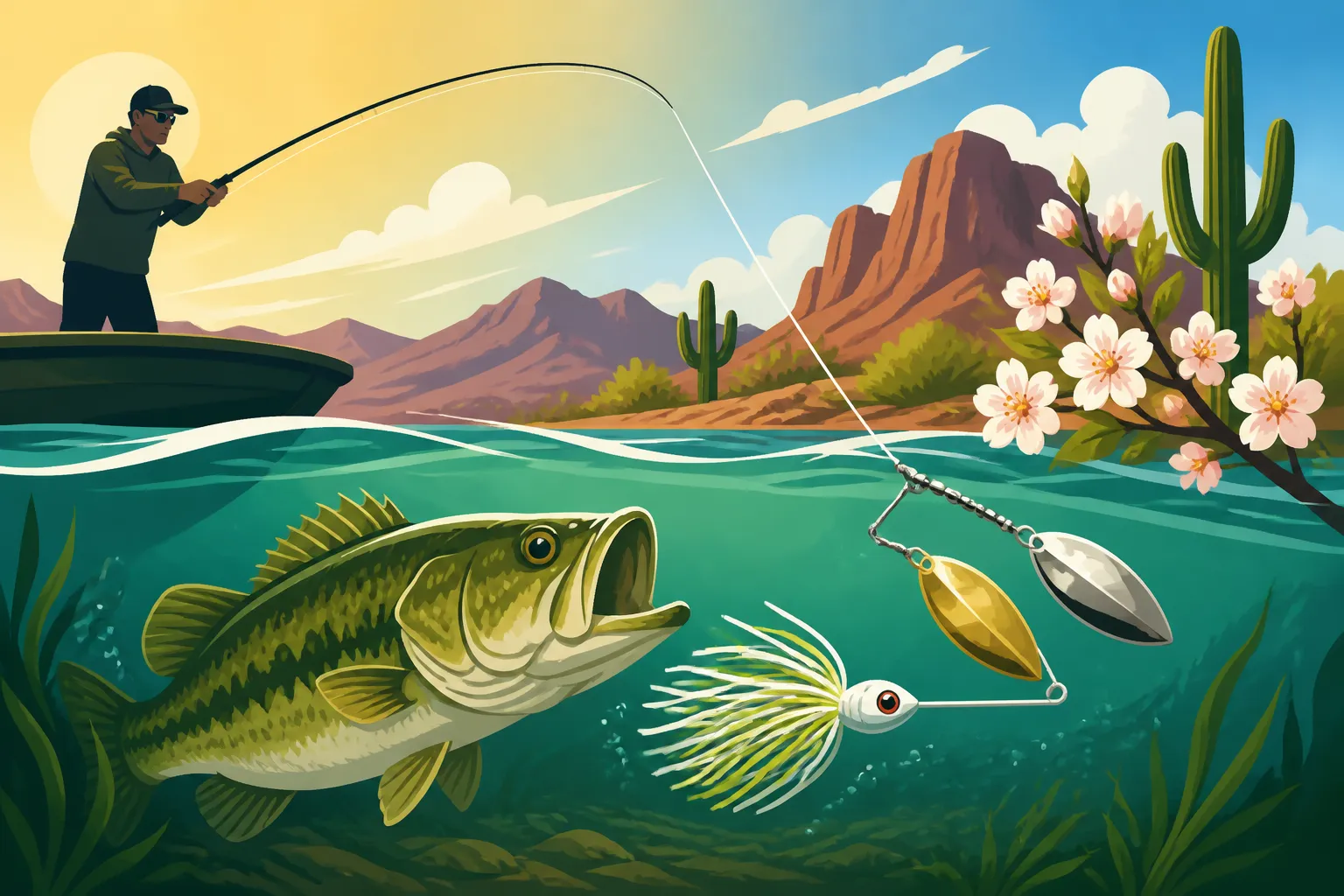
Spring is a time of renewal, and baitfish are becoming more active, moving into shallower waters to spawn. A spinnerbait, with its flashing blades and undulating skirt, perfectly mimics a vulnerable baitfish darting through the water. This imitation is key in Arizona's clear and often vast reservoirs, where bass rely heavily on sight and lateral line senses to hunt.
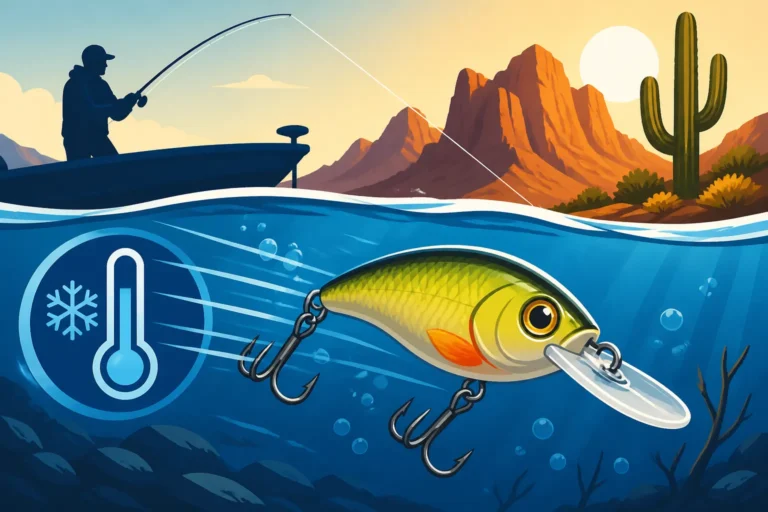
Imagine you're out on Roosevelt Lake in early March. The water temperature is still on the cooler side, perhaps in the low 50s, and a cold front just passed through, making the bass a bit lethargic. You could try slow-moving jigs, but a spinnerbait offers a different appeal. Its subtle thump and flash can catch the eye of a wary bass hiding near a submerged brush pile. Even if the bass isn't actively feeding, that sudden flash and vibration can trigger an instinctual reaction strike – they just can't help but hit it. It’s a game-changer when fish are in a funk, providing just enough disturbance to provoke a bite they might otherwise ignore.
Versatility in Diverse Spring Conditions
Arizona's spring weather is famously fickle. You can go from bright sunshine to a sudden dust storm or even rain within hours. These changes directly impact water clarity and fish behavior. This is where the spinnerbait truly shines, adapting to various conditions that would sideline other lures.
Let’s say you’re fishing at Lake Pleasant after a good rain shower, and the coves are stained or muddy. The thumping vibration of a double Colorado blade spinnerbait becomes incredibly effective. Bass in murky water rely more on sound and feel than sight, and those big, round blades push a lot of water, making it easier for them to locate your lure. Conversely, if you're out on a bright, calm day with crystal clear water, perhaps at Canyon Lake, a tandem willow leaf spinnerbait with its maximum flash can be irresistible. The slender blades cut through the water cleanly, creating a shimmering effect that mimics schools of shad. You can adjust your retrieve depth from just under the surface to deep along ledges, making it suitable for pre-spawn bass cruising shallow flats or post-spawn fish recovering in deeper cover. This adaptability means you spend less time re-tying and more time fishing effectively, no matter what Mother Nature throws your way.
Selecting the Perfect Spinnerbait for Arizona's Diverse Spring Waters
Choosing the right spinnerbait isn’t just about grabbing the first one you see. It’s about understanding the subtle nuances of blade types, colors, and weights that will give you an edge in Arizona's unique aquatic environments. This attention to detail can be the difference between a frustrating day and a memorable one. If you’re looking to stock up on a wide variety, many anglers turn to online retailers like Amazon, which offers an extensive selection of spinnerbait brands and configurations.
Blade Combinations and Colors
The blades are the heart of a spinnerbait, dictating its flash, vibration, and how it moves through the water. Each type has its ideal scenario.
- Colorado Blades: These are round and create the most thump and vibration. They’re fantastic for low-light conditions, deep water, or stained/muddy water because the strong vibration helps bass locate the lure without relying heavily on sight. A double Colorado setup is particularly effective for slow-rolling in cold water, producing a powerful throb that really gets noticed.
- Willow Leaf Blades: Long and slender, willow blades produce maximum flash and minimal vibration. They cut through the water with less resistance, making them ideal for faster retrieves in clear water or when bass are actively chasing bait. A tandem willow setup, with two willow blades, offers an irresistible shimmering effect that perfectly mimics a school of fleeing shad.
- Indiana Blades: A hybrid between Colorado and willow, Indiana blades offer a good balance of flash and vibration. They're a versatile choice when you're unsure what the fish prefer or when conditions are mixed.
When it comes to color, match the hatch is often the rule. In clear water, natural colors like shad (silver, grey, white) or bluegill patterns (greens, browns, yellows) are excellent. For stained or muddy water, brighter, more contrasting colors like chartreuse, white, or a combination of the two, often called "fire tiger" or "chartreuse and white," provide the visibility needed to get bites. Consider how water clarity affects your choice; in a lake like Bartlett, which can be quite clear in early spring, a more subtle color might be best, while a muddier inflow on the Salt River might demand something brighter.
Weight and Skirt Selection
The weight of your spinnerbait dictates how deep it runs and how easily you can cast it. Skirt design and color add to the visual appeal and profile.
For fishing shallow flats (2-6 feet), a 3/8 ounce spinnerbait is often perfect. If you’re targeting deeper points or submerged brush in 10-20 feet of water, a 1/2 ounce or even 3/4 ounce will help you get down faster and stay in the strike zone longer. The key is to select a weight that allows you to maintain contact with the bottom or structure you are trying to fish.
The skirt, typically made of silicone or living rubber, provides the bulk and lifelike action. Again, matching local forage colors is usually a safe bet. A white or chartreuse skirt often imitates shad, a primary food source in many Arizona lakes, while green pumpkin or brown patterns can mimic crawfish, especially when bass are looking for bottom-dwelling prey. Many anglers also add a soft plastic trailer, such as a grub or a small swimbait, to the hook. This not only adds bulk and action but also provides a more enticing target. A small trailer hook, positioned just behind the main hook, can significantly increase your hook-up ratio, especially with short-striking bass that just nip at the tail. This can be particularly useful during a slow bite when bass aren't committing fully.
Gear Setup for Optimal Spinnerbait Presentation
Having the right rod, reel, and line can dramatically improve your spinnerbait fishing experience and success. The correct setup allows for optimal casting, accurate presentation, and the power to land a hard-fighting Arizona bass.
- Rod: A 6'6" to 7' medium-heavy casting rod with a fast action tip is ideal. The medium-heavy power provides enough backbone to cast the spinnerbait accurately, drive the hook home, and wrestle fish out of cover. The fast action tip, on the other hand, gives you the sensitivity to detect subtle bites and feel your lure working through the water. This combination is crucial for getting a good feel for your lure when you're fishing submerged timber spots at Roosevelt Lake. Many popular brands offer rods perfectly suited for this technique; you can find a wide range of options on platforms like Amazon.
- Reel: A baitcasting reel with a gear ratio between 6.3:1 and 7.1:1 is excellent. This range offers a good balance, allowing you to both slow-roll the spinnerbait when necessary and quickly burn it back for reaction strikes. The higher gear ratio is especially useful for quickly taking up slack line after a long cast or when a bass suddenly charges the boat.
- Line: Your line choice depends on the cover you’re fishing. If you’re in open water or around sparse cover, 12-17 pound fluorocarbon line is a great choice. It has low stretch, good sensitivity, and is nearly invisible underwater, which can be advantageous in clear Arizona waters. If you’re fishing heavy cover, like dense submerged brush or standing timber, 15-20 pound monofilament or even braided line (30-50 pound test with a fluorocarbon leader) might be a better option. Monofilament has more stretch, which can be forgiving when a bass surges, while braid offers incredible strength and abrasion resistance. Choosing the right line can make a huge difference in your hook-up and landing ratios, especially when fighting a big fish. Learn more about the nuances of choosing the right fishing line in our detailed guide on the topic: "Best Line for Bass Fishing".
Mastering Spinnerbait Retrieve Techniques for Arizona Spring Success
The beauty of a spinnerbait lies not just in its construction, but in the myriad ways you can work it through the water. How you retrieve your lure is often more important than the lure itself, especially when trying to coax a bite from finicky spring bass in Arizona.
The Slow Roll and Bumping Structure
One of the most consistently effective techniques for spring bass, especially when water temperatures are still cool or after a cold front, is the "slow roll." This involves casting your spinnerbait out and retrieving it just fast enough to keep the blades turning, often letting it sink close to the bottom.
To execute a perfect slow roll, cast your spinnerbait near potential bass hangouts like rock piles, subtle points, or channel swings. Let it sink for a few seconds, then begin a slow, steady retrieve, keeping your rod tip slightly up. You want to feel the blades thumping and the spinnerbait moving through the water, but not so fast that it rises too high. The goal is to keep it hugging the contours of the bottom or bumping into submerged cover like brush piles or standing timber. When you feel it hit something, give your rod a slight twitch or pause for a split second, allowing the spinnerbait to deflect or flutter before continuing your retrieve. This erratic movement often triggers a strike from lethargic bass. This is particularly deadly in areas like the Tonto Creek Arm at Roosevelt Lake, where bass often relate to deep structure during cooler periods. This technique is also fantastic for pre-spawn bass that are still a bit sluggish and aren't keen on chasing fast-moving prey. For more insights on seasonal bass movements, check out our guide on "Seasonal Movement Patterns of Bass at Roosevelt Lake".
Burning and Waking for Reaction Bites
While slow rolling is great for passive fish, sometimes you need to provoke an aggressive reaction. This is where "burning" and "waking" a spinnerbait come into play, especially when bass are more active or during warmer parts of the day.
"Burning" involves a fast, steady retrieve, keeping the spinnerbait just beneath the surface. This technique creates a lot of flash and vibration, mimicking a frantic baitfish fleeing a predator. It’s excellent for covering large areas quickly and finding aggressive bass. Cast parallel to shorelines, over submerged grass, or across main lake points, and reel it in rapidly. Strikes often come as explosive, violent grabs.
"Waking" takes this a step further. Use a lighter spinnerbait (3/8 ounce or less, often with a large Colorado blade) and retrieve it just fast enough so the blade barely breaks the surface, creating a V-wake behind it. This technique is irresistible to bass that are looking up for prey, mimicking an injured or struggling baitfish on the surface. It's particularly effective during low-light conditions like dawn or dusk, or on overcast days when bass are more comfortable feeding closer to the surface. Both burning and waking are prime tactics when you suspect bass are in an aggressive post-spawn feeding frenzy or during the warmest hours of a spring day. For general fishing strategies during the warmer months, consider our "Summer Fishing Strategy for Desert Lakes".
Stop-and-Go and Yo-Yo Techniques
Sometimes a consistent retrieve isn't enough; you need to add some irregularity to mimic truly struggling or disoriented baitfish. The stop-and-go and yo-yo retrieves offer just that, adding pauses and changes in depth that can drive bass crazy.
The "stop-and-go" retrieve is exactly what it sounds like: cast your spinnerbait, reel it for a few seconds, then pause, allowing the lure to fall or flutter. Then resume reeling. This stop-and-go action makes the spinnerbait appear injured or unsure of its escape, a very enticing target for opportunistic bass. The duration of your pause can vary – sometimes a quick twitch, other times a longer fall – let the fish tell you what they prefer. This works well for suspended bass or when fishing around patchy cover, giving the bass time to react to the falling bait.
The "yo-yo" technique is particularly effective when targeting bass holding on deep structure or drop-offs. Cast your spinnerbait and let it sink to the desired depth, often near the bottom. Then, with a sweep of your rod tip, lift the spinnerbait sharply, then allow it to fall back on a semi-slack line. This up-and-down motion can be incredibly effective at mimicking a wounded baitfish or even a crawfish darting and hiding. It’s a great technique for fishing the canyon ledges at Lake Powell for smallmouth bass or probing deep submerged humps at Lake Pleasant. These intermittent retrieves are often crucial when bass are somewhat inactive but can be tempted by a bait that appears easy to catch. Check out our comprehensive guide on "Best Bass Fishing Techniques for Arizona Lakes" for more detailed strategies.
Prime Arizona Waters for Spring Spinnerbait Success
Arizona boasts an incredible array of fisheries, each with its own characteristics that make certain spinnerbait techniques shine. Knowing where and when to deploy your spinnerbaits can significantly increase your chances of success. Our "Arizona Fishing Seasons Explained" article offers a broader view of the fishing calendar.
Central Arizona Hotspots
The central Arizona lakes are often the first to warm up and offer some of the best spring bass fishing in the state.
- Lake Pleasant: Located near Phoenix, Lake Pleasant is a prime spring destination. Its vast open waters and numerous coves and points make it ideal for covering water with spinnerbaits. In early spring, focus on slow-rolling tandem willow leaf spinnerbaits along main lake points and rocky secondary points, especially those with some submerged brush. As the water warms, look for bass moving into shallower spawning flats in the northern arms or coves near the Agua Fria River inflow. Burning or waking a white or chartreuse spinnerbait over these areas can provoke aggressive strikes. The clarity here can vary, so having both natural and bright color options is a must.
- Roosevelt Lake: As Arizona's largest lake, Roosevelt is a bass fishing mecca. The spring bite here can be phenomenal. Look for pre-spawn bass congregating on humps and points leading into spawning coves. A 1/2 ounce double Colorado spinnerbait slow-rolled through these areas can be deadly. As spring progresses, bass will move shallower to spawn, and you can burn or stop-and-go retrieve lighter spinnerbaits around submerged timber and flooded bushes along the shoreline. After a rain, the stained water in the Salt River Arm or Tonto Creek Arm screams for a chartreuse and white spinnerbait. For a deeper dive into fishing this expansive lake, consult our "Roosevelt Lake Arizona Fishing Guide".
- Canyon Lake: Part of the Salt River Chain, Canyon Lake offers stunning scenery and excellent bass fishing, especially for smallmouth and largemouth. Its steep canyon walls and clear water make willow leaf blades particularly effective. Target rocky points, submerged ledges, and transition areas from rock to sand. Burning a natural colored spinnerbait along these contours can be very productive. In the back of the coves where shallower flats exist, slow rolling near brush or grass beds will often entice bites. For more information on this scenic fishing destination, see our "Canyon Lake Arizona Fishing Guide".
Northern and Western Arizona Opportunities
Don't overlook the incredible spring fishing found further north and west, each presenting unique opportunities for spinnerbait success.
- Lake Havasu: On the Colorado River, Lake Havasu is famous for its smallmouth and largemouth bass. Its diverse habitat, including rocky shorelines, submerged rock piles, and abundant aquatic vegetation, provides ample spinnerbait opportunities. Spring smallmouth bass often hug rocky points and ledges. A 3/8 ounce tandem willow leaf spinnerbait in natural shad patterns retrieved with a stop-and-go motion can be incredibly effective here. For largemouth, target the edges of weed beds and flooded tules with a white or chartreuse spinnerbait. Havasu can offer surprisingly clear water, so line choice and bait presentation are critical.
- Alamo Lake: Often called "Arizona's Bass Factory," Alamo Lake is a must-fish in the spring. This remote lake is known for its incredible largemouth bass population. In spring, focus on the abundant standing timber and brush-lined shorelines. A double Colorado blade spinnerbait, especially in chartreuse/white, slow-rolled through these dense covers is a top producer. As the water warms, you can burn white spinnerbaits across flats and points near creek channels. Due to the amount of cover, a stout rod and strong line are essential here to prevent break-offs. If you're planning a trip, our "Alamo Lake Arizona Fishing Guide" can provide more in-depth information. For those looking to optimize their tackle box for these specific environments, you'll find a wide selection of spinnerbaits and accessories perfect for Arizona lakes on Amazon.
Remember, spring conditions can change rapidly, so being prepared with a variety of spinnerbait types and being willing to experiment with different retrieves will be your biggest asset.
| Spinnerbait Blade Combination | Ideal Spring Conditions in Arizona | Recommended Retrieve Style | Notes for Arizona Anglers |
|---|---|---|---|
| Double Colorado | Cool/Cold Water, Stained/Murky | Slow Roll, Yo-Yo | Great vibration for low visibility or lethargic bass. |
| Tandem Willow Leaf | Clear Water, Active Bass, Sunny | Burn, Fast Retrieve, Stop-and-Go | Max flash, cuts water easily, mimics shad. |
| Colorado/Willow Combo | Mixed Conditions, Moderate Clarity | Steady Retrieve, Stop-and-Go | Versatile for general spring fishing, good balance. |
| Single Colorado | Shallow Water, Waking, Light Cover | Waking, Slow Roll | Creates strong wake on surface, less snagging. |
| Single Willow Leaf | Finesse, Very Clear Water | Subtler presentations | Minimal vibration, good for pressured fish. |
Disclaimer
Fishing conditions and regulations in Arizona can change. Always check the latest Arizona Game and Fish Department regulations before heading out on the water. This guide is for informational purposes only and does not guarantee fishing success.