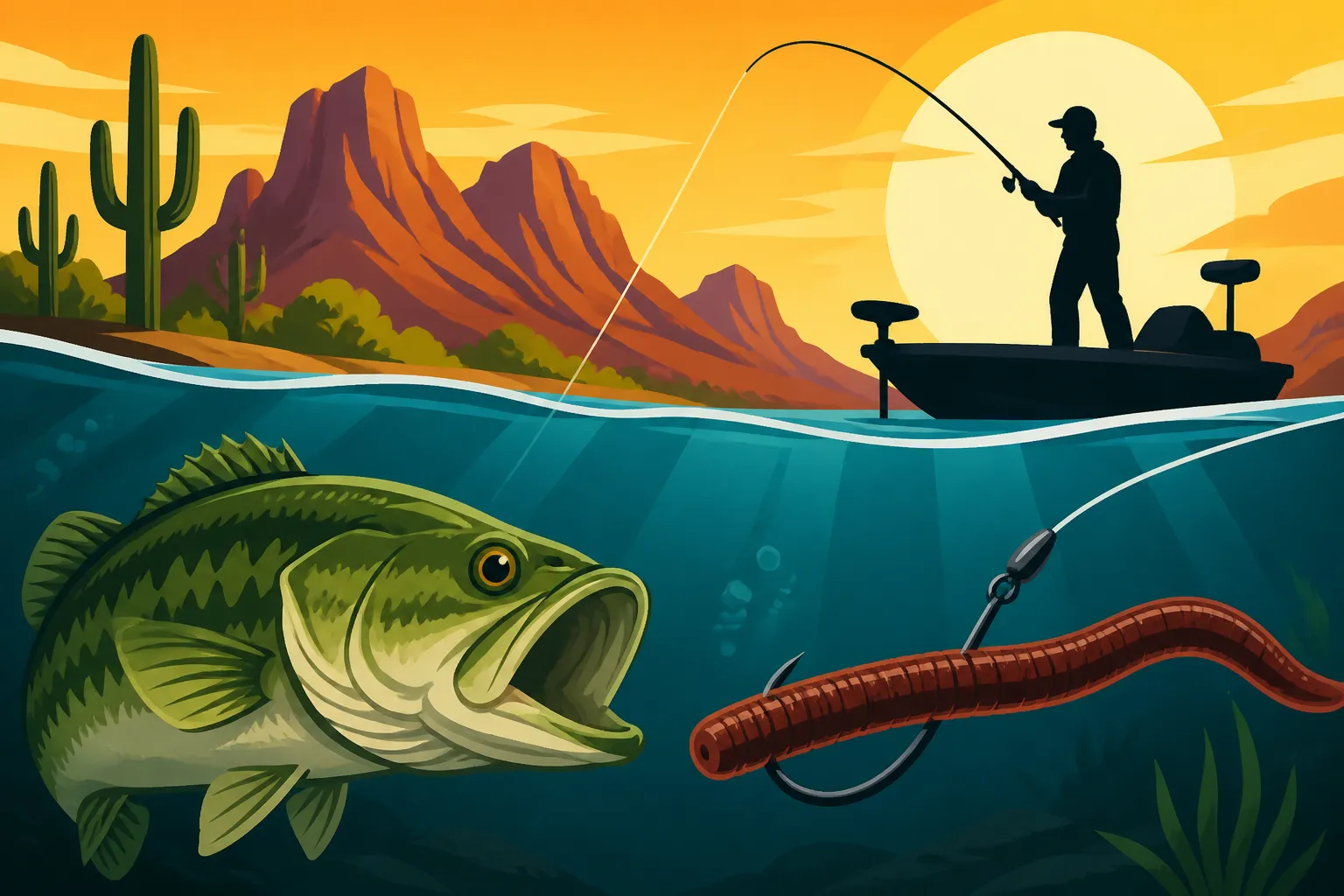
How to Fish a Plastic Worm for Bass
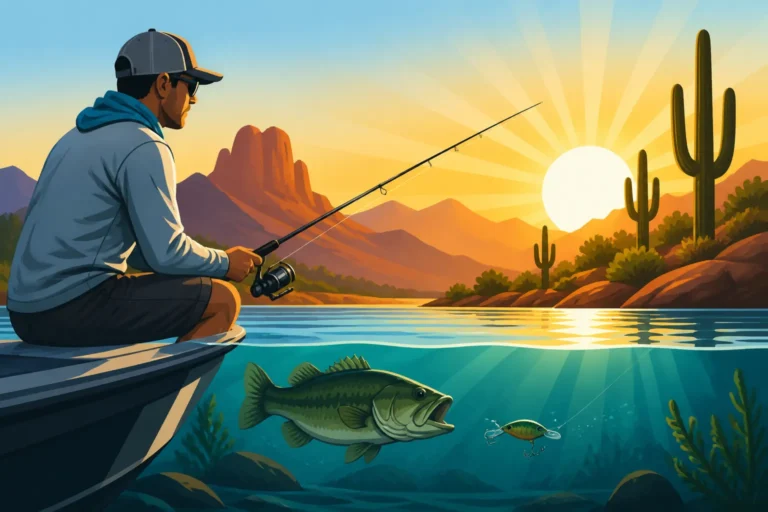
Let's be honest, there are days on the water when bass seem to have lockjaw. You throw everything but the kitchen sink at them – crankbaits, spinnerbaits, topwater lures – and still, nothing. It's incredibly frustrating when you know the fish are there, but they just won't bite. That's exactly where the humble plastic worm shines, often turning a slow day into a successful one. This guide will walk you through everything you need to know about fishing plastic worms for bass in Arizona, from the essential gear to advanced techniques, helping you unlock more bites even when conditions are tough.
Why Plastic Worms Are a Bass Angler's Secret Weapon in Arizona
When all else fails, a plastic worm often saves the day. Bass in Arizona's desert lakes and rivers can be incredibly finicky, especially in clear water or during high-pressure fishing periods. That's where the subtle, natural presentation of a plastic worm truly excels, making it an indispensable tool in any serious angler's tackle box.
The Unmatched Versatility of Plastic Worms
One of the biggest reasons plastic worms are so effective is their incredible versatility. They come in an astonishing array of shapes, sizes, and colors, allowing you to imitate virtually any forage bass might be feeding on. Think about it: a straight-tail worm might mimic a juvenile snake or a leeches, while a curly-tail worm could pass for a swimming baitfish or an aquatic insect. Senko-style worms, with their simple, cylindrical design, have a unique shimmy on the fall that drives bass wild, making them perfect for covering water or probing specific targets. Creature baits, on the other hand, are designed to imitate crawfish, lizards, or other bottom-dwelling critters that bass love to ambush.
This adaptability means you can effectively fish plastic worms in almost any condition or situation you encounter on Arizona's diverse waters. Whether you're targeting bass hiding deep in the brush piles of Roosevelt Lake, working rocky points at Lake Pleasant, or finessing finicky fish in the clear waters of Canyon Lake, there's a plastic worm and a rigging technique that will get the job done. This versatility is precisely why they are a cornerstone of effective "Best Bass Fishing Techniques for Arizona Lakes".
Mimicking Natural Prey and Triggering Strikes
What makes a plastic worm so irresistible to bass? It's all about how they mimic natural prey. Their soft, pliable texture feels incredibly lifelike in a bass's mouth, encouraging them to hold on longer, giving you more time to set the hook. Unlike hard baits, plastic worms don't present a threat, but rather an easy meal. The subtle wiggles, quivers, and slow-falling action of a properly rigged plastic worm perfectly imitate a struggling or wounded creature, which are prime targets for opportunistic bass.
Consider the role of color in Arizona's varied waters. In the crystal-clear reservoirs like Lake Havasu or Alamo Lake, natural hues like green pumpkin, watermelon, or shades of brown can be deadly because they blend in and appear more realistic. When you're fishing murkier sections of the Salt River or after a rain shower, darker colors like black, blue, or junebug provide a stronger silhouette, making them easier for bass to spot. The subtle action combined with the right color selection makes plastic worms a top choice for triggering strikes, especially when bass are pressured or feeding cautiously.
Essential Gear for Fishing Plastic Worms in Arizona
Having the right tools for the job can make all the difference, and fishing plastic worms effectively is no exception. While you don't need a boatload of specialized equipment, understanding the nuances of rod, reel, line, hooks, and weights will significantly improve your success rate on Arizona's bass lakes.
Rod, Reel, and Line Selection
Choosing the right rod, reel, and line setup is crucial for feeling those subtle bites and having the power to pull bass out of cover.
-
Rods: For most plastic worm applications, particularly Texas rigging, a medium-heavy to heavy action rod is your best friend. Look for a rod in the 7-foot to 7-foot 6-inch range with a fast tip. The fast tip provides the sensitivity needed to detect light bites and feel the bottom, while the medium-heavy or heavy backbone gives you the leverage to drive a hook through a plastic worm and into a bass's jaw, then wrestle it out of weeds or brush. You can find excellent options from brands like Ugly Stik or St. Croix on platforms like Amazon, offering a good balance of durability and sensitivity. When considering your "Best Fishing Rods for Bass in Arizona", a good worm rod is always near the top of the list.
-
Reels: A baitcasting reel is generally preferred for fishing plastic worms due to its superior casting accuracy, power, and line capacity. A gear ratio around 6.4:1 to 7.1:1 offers a good balance for slow, controlled retrieves and quick line pickup when you need to set the hook or move your bait. For beginners, or when fishing lighter wacky rigs, a spinning reel in the 2500-3000 size can work well, providing easier casting and manageability. Check out our guide on "Best Fishing Reels for Beginner Anglers in Arizona" for more detailed recommendations.
-
Line: When it comes to line, you're usually choosing between fluorocarbon or braided line with a fluorocarbon leader.
- Fluorocarbon: This line is nearly invisible underwater, offers excellent sensitivity due to its low stretch, and sinks, which helps your worm get down to the strike zone faster. It's a fantastic choice for fishing plastic worms in clear Arizona waters where stealth is key. Opt for 12-20 lb test, depending on the cover you're fishing.
- Braided Line with Fluorocarbon Leader: Braided line offers superior strength, incredible sensitivity (no stretch!), and excellent casting distance. However, it's highly visible. Pairing it with a 15-25 foot fluorocarbon leader (15-20 lb test) gives you the best of both worlds: the strength and sensitivity of braid, with the invisibility of fluoro at the business end. This setup is particularly effective when fishing around heavy cover, allowing you to detect subtle bites and have the power to extract big bass.
Hooks, Weights, and Terminal Tackle
The small but mighty components of your terminal tackle play a huge role in how your plastic worm behaves and how well you hook and land fish.
-
Hooks:
- EWG (Extra Wide Gap) Hooks: These are the workhorses for Texas rigging plastic worms. Their design allows for a large gap between the eye and the point, ensuring that even bulky plastic worms collapse properly to expose the hook point when a bass bites. Sizes from 3/0 to 5/0 are common, with larger hooks for larger worms.
- Straight Shank Hooks: While less common for worms than EWG, some anglers prefer straight shank hooks for their solid hook-setting capabilities, especially with slimmer worms or when fishing jigs.
- Wacky Rig Hooks: These are typically small, lightweight octopus-style hooks, often with a weedguard. Sizes range from #1 to 1/0. They're designed to be inserted directly through the middle of the worm, allowing both ends to wiggle freely.
-
Weights: The weight you choose dictates how fast your worm falls, how it behaves underwater, and how well it penetrates cover.
- Bullet Weights: These are essential for Texas rigging. Their streamlined shape allows them to slide easily through grass, brush, and other cover. Tungsten weights are increasingly popular over lead because they are denser (smaller profile for the same weight), more sensitive, and environmentally friendly. Weights from 1/16 oz to 1 oz or more are used, depending on depth, wind, and desired fall rate. For lighter presentations in shallow water, a 1/8 oz or 3/16 oz tungsten bullet weight is a great starting point.
- Nail Weights: Small, cylindrical weights inserted directly into a plastic worm, often used for finesse techniques like Neko rigging (a variation of wacky rigging). They provide a subtle weight that changes the worm's fall.
- No Weight: Sometimes, the most effective "weight" is no weight at all! A weightless Texas rig or wacky rig allows the worm to fall very slowly, maximizing its natural action and often drawing strikes from wary bass.
-
Swivels and Beads: While not always necessary for all plastic worm rigs, they are critical for some.
- Beads: Typically used with a Texas rig, a small glass or plastic bead placed between the bullet weight and the hook can create an appealing "clacking" sound as the weight slides against it. This sound can attract curious bass in murkier water or dense cover.
- Swivels: Essential for the Carolina rig, a swivel prevents line twist and connects your main line to your leader.
Here's a quick look at common plastic worm rigs and their best uses in Arizona:
| Rig Type | Ideal Use Case | Pros | Cons |
|---|---|---|---|
| Texas Rig | Heavy cover (brush, weeds, timber), pitching | Weedless, versatile, good hook-up ratio | Can be snagged in dense rock |
| Wacky Rig | Clear water, sparse cover, finicky bass | Extremely subtle, incredible action | Not weedless, casts shorter |
| Carolina Rig | Covering open water, deep humps, points | Excellent for deep water, presents bait well | Requires more gear, can be cumbersome |
| Weightless Rig | Shallow water, top of grass, super finicky | Hyper-natural fall, great for pressured fish | Difficult to cast, very slow to sink |
Mastering Popular Plastic Worm Rigs for Arizona Bass
Knowing the gear is one thing, but understanding how to put it all together and present it effectively is where the magic happens. These three rigs are staples for plastic worm fishing and will serve you well on any Arizona lake.
The Texas Rig: Your Go-To for Heavy Cover
The Texas rig is arguably the most fundamental and widely used plastic worm rig, and for good reason: it's incredibly weedless, making it perfect for fishing the snag-filled waters that Arizona bass love. Think about the submerged timber and brush piles that line the shores of Roosevelt Lake or the thick cattails you might find at Alamo Lake – this rig can get in there where other baits fear to tread.
How to Rig It (Step-by-Step):
- Thread the Weight: Start by sliding your bullet weight (tungsten is preferred for sensitivity and smaller profile) onto your main line or leader, pointy side first.
- Add a Bead (Optional): If you want to add an audible attractant, slide a small glass or plastic bead after the weight.
- Tie the Hook: Tie your EWG (Extra Wide Gap) hook to your line using a strong knot like a Palomar knot or an improved clinch knot.
- Insert the Hook Point: Take your plastic worm and insert the hook point into the very tip (about 1/4 to 1/2 inch) of the head.
- Thread Through: Push the hook through the worm until the hook eye and knot are snug against the head of the worm.
- Rotate and Skin-Hook: Rotate the hook 180 degrees so the point is now facing the body of the worm. Lay the hook alongside the worm to determine where the point should re-enter. Gently push the hook point into the body of the worm, but not all the way through. The hook point should be barely covered by the plastic, making it weedless.
When and Where to Use It in Arizona:
The Texas rig is your best friend when bass are hiding in heavy cover. Pitch it into dense submerged brush, flip it under overhanging trees, or drag it through deep weed lines. It’s perfect for probing those hard-to-reach spots where big bass often ambush prey. At lakes like Apache Lake and Saguaro Lake, bass often relate to rock piles and submerged timber, and a Texas-rigged worm can be worked slowly and methodically through these areas without constant snagging.
Presentation Techniques:
- Pitching and Flipping: For targeting specific pieces of cover up close, short, accurate pitches or flips are ideal. Let the worm fall on a semi-slack line, watching for any twitch or jump in the line – that's often a bite.
- Dragging: For covering larger areas of bottom or through sparse grass, cast out and slowly drag the worm along. Incorporate pauses, and occasionally give your rod tip a subtle twitch to make the worm "dance." Remember, most bites happen on the fall or during a pause.
The Wacky Rig: Subtle and Effective for Finicky Bass
When bass are pressured, the water is super clear, or they're just not aggressive, the wacky rig is a finesse presentation that can tempt even the most reluctant fish. Its unique action is incredibly natural and often irresistible.
How to Rig It (Step-by-Step):
- Find the Middle: Take your soft plastic worm (often a Senko-style worm works best) and find its exact middle.
- Hook It Directly: Insert a small, light wacky rig hook (often with a weedguard) directly through the middle of the worm.
- Use an O-Ring (Optional, but Recommended): To save worms and make them last longer, slide a rubber O-ring onto the middle of the worm first, then thread your hook through the O-ring instead of the plastic. You can buy these O-rings and applicators (often from companies like Yamamoto or VMC) on Amazon, which can be a real game changer for durability.
- Add a Nail Weight (Optional): For a slightly faster sink rate or to change the fall dynamics, you can insert a small nail weight into one end of the worm.
Best Scenarios for Wacky Rigging in Arizona:
This rig excels in clear water conditions often found in the desert lakes. It's fantastic for targeting bass in relatively sparse cover, around docks, boat slips, or along rocky shorelines where bass are holding tight and not willing to chase. If you're fishing a community lake like Tempe Town Lake, which can see a lot of fishing pressure, a wacky rig is a subtle presentation that can often fool wary bass.
Retrieval Methods:
The key to a wacky rig is its fall. Cast it out and let it sink slowly on a completely slack line. Both ends of the worm will quiver and shimmy as it descends, creating an incredibly alluring action.
- Dead Sticking: Let it fall, let it sit. The subtle currents will make it move. Most bites happen on the initial fall or after a long pause.
- Short Twitches: After it settles, give your rod tip a very slight twitch, just enough to make the worm "dance" a bit before letting it fall again. Reeling in slack slowly between twitches.
The Carolina Rig: Covering Water and Reaching Deeper Bass
When bass are scattered over deeper flats, humps, or points, the Carolina rig is a phenomenal search tool. It allows you to cover a lot of water efficiently while presenting your plastic worm (often a lizard, creature bait, or straight-tail worm) enticingly off the bottom.
How to Rig It (Step-by-Step):
- Main Line First: Slide a heavy bullet weight (often 1/2 oz to 1 oz, tungsten again is great) onto your main line.
- Add a Bead: Slide a glass or plastic bead after the weight. This protects your knot and adds a clacking sound.
- Tie on a Swivel: Tie a strong barrel or SPRO Power Swivel to the end of your main line.
- Leader Line: To the other end of the swivel, tie a fluorocarbon leader (usually 2 to 4 feet long). The length of the leader determines how far above the bottom your worm will float or be presented.
- Tie the Hook: Tie your chosen EWG hook to the end of the leader.
- Rig the Worm: Rig your plastic worm weedless on the EWG hook, just like a Texas rig.
When to Deploy the Carolina Rig in Arizona:
This rig is fantastic for fishing deeper structure in larger lakes like Lake Powell, Lake Pleasant, or Roosevelt Lake. When bass pull off the banks and relate to offshore humps, ledges, or underwater points, the Carolina rig allows you to effectively present a bait right in their face. It's also great for covering large flats quickly, feeling for changes in bottom composition or submerged cover. It's a key technique for learning "How to Fish Deep Structure in Summer Heat" when bass go deep.
Retrieval Style:
The most common retrieve for a Carolina rig is a long, slow drag. Cast it out, let it sink to the bottom, then use your rod to slowly sweep the rig along the bottom. Keep your rod tip low and sweep it from 9 o'clock to 12 o'clock, then reel up the slack. This dragging motion pulls the weight, causing the bead to clack, and the worm to follow behind, darting and floating enticingly.
Pro Tips for Maximizing Your Plastic Worm Success in Arizona
Beyond the basic rigging, a few key considerations can truly elevate your plastic worm game and help you land more bass in the diverse waters of Arizona.
Color, Size, and Scent Selection
These seem like small details, but they can be game-changers, especially when fishing gets tough.
- Color: As mentioned earlier, color choice is vital. For clear waters, stick to natural patterns like green pumpkin, watermelon, brown, or combinations with small flakes of red or green. These mimic local forage like crawfish or small baitfish. When the water is stained or murky, or during low-light conditions, opt for darker, more opaque colors such as black and blue, junebug, or even purple. These create a stronger silhouette that bass can detect more easily. Having a selection of "Best Lures for Largemouth Bass in Arizona Lakes" means carrying various plastic worm colors.
- Size: Matching the size of your worm to the prevalent forage and the mood of the fish is crucial. If bass are feeding on small baitfish or crawfish, a 4-inch or 5-inch worm might be perfect. When bass are aggressive or you're targeting bigger fish, stepping up to a 7-inch or even 10-inch worm can pay off. Conversely, if the bite is tough and fish are finicky, downsizing to a smaller worm (e.g., a 4-inch finesse worm) can often trigger bites when larger baits are ignored.
- Scent: Bass rely heavily on their sense of smell. Many plastic worms come pre-impregnated with scents, often garlic, crawfish, or anise. However, you can further enhance your bait's appeal by applying liquid or gel attractants. Brands like Berkley PowerBait or Pro-Cure offer effective scents that can make a bass hold onto your worm longer, giving you a better chance to set the hook. This is particularly useful in murky water where visual cues are limited.
Reading the Water and Adjusting Your Presentation
The ability to "read" the water and adapt your technique is a hallmark of successful bass anglers. Arizona's lakes change with seasons, weather, and water levels, so flexibility is key.
- Understanding Bass Behavior and Seasonal Movements: Bass are creatures of habit but those habits change. In spring, they'll be shallow, preparing to spawn, and a slow-failing weightless worm or a Texas rig worked slowly around beds can be deadly. In summer, they often retreat to deeper, cooler water and relate to offshore structure, making Carolina rigs or deep-dragged Texas rigs effective. Fall sees them moving back shallower to feed aggressively, while winter often finds them deep and lethargic, requiring a slow, finesse presentation. Understanding "Arizona Fishing Seasons Explained" will inform your worm selection.
- Identifying Cover and Structure: Bass are ambush predators and will almost always relate to some form of cover or structure. This could be rock piles, submerged trees, brush piles, weed lines, docks, points, humps, or even subtle changes in bottom composition. Use your electronics to locate these features, or observe visible signs of cover. A good fish finder can help you locate those deeper "Deep Water Structure at Roosevelt Lake" where bass hide in the summer. Once you find the cover, a Texas-rigged worm is often the best way to extract a fish.
- Experimenting with Retrieve Speeds and Pauses: Don't be afraid to experiment! Start with a slow, methodical retrieve, but if that's not working, try speeding it up slightly, or adding longer pauses. Sometimes a quick twitch followed by a long pause is what it takes to provoke a strike. Pay attention to how the bass react. If they're just "thumping" the worm but not committing, try a longer pause or a more subtle movement.
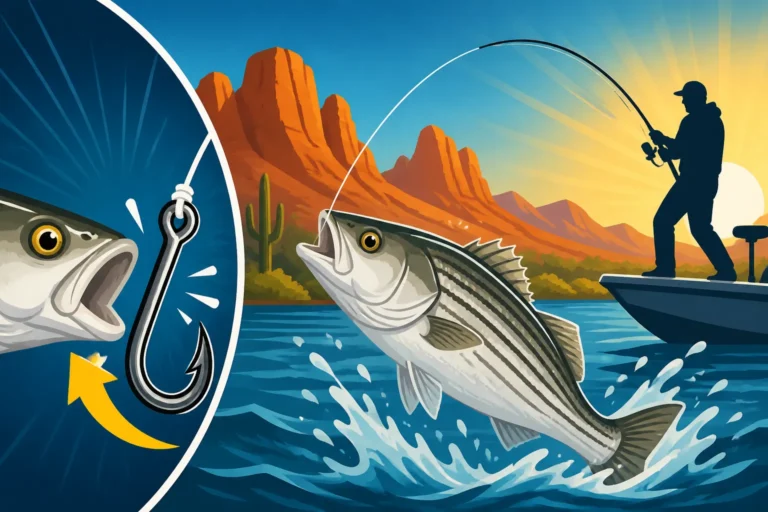
- The Importance of "Feel": Fishing plastic worms is a feel-based technique. You need to develop a sense for what your worm is doing and what the bottom feels like. This sensitivity comes from your rod, line, and experience. Most bass bites on a plastic worm will feel like a subtle "thump," a slight increase in pressure, or simply a spongy feeling as if your line got hung up on something soft. It won't always be a violent strike. When you feel anything out of the ordinary, drop your rod tip, reel down to take up slack, and set the hook with a strong, upward sweep.
By understanding the versatility of plastic worms, selecting the right gear, mastering various rigging techniques, and staying attuned to the nuances of bass behavior and water conditions in Arizona, you'll be well on your way to consistent success with this legendary bait.
Disclaimer
Fishing conditions and regulations in Arizona can change. Always consult the latest Arizona Game and Fish Department regulations before heading out on the water. Be aware of local conditions, especially regarding weather and water levels, for your safety and a successful fishing trip.