How to Catch Bluegill at a Community Pond
Let's be real, sometimes you just want to get out there, wet a line, and feel that satisfying tug on the end of your rod without all the fuss and complexity of chasing trophy bass in a vast reservoir. For many, that joy comes from targeting bluegill in one of Arizona's wonderfully accessible community ponds. It can be frustrating when you know these little fighters are in there, but you just can't seem to get them to bite. This comprehensive guide is here to demystify the art of catching bluegill, offering simple, effective strategies to ensure a fun and successful outing at your local Arizona community pond.
Understanding Bluegill in Arizona Community Ponds
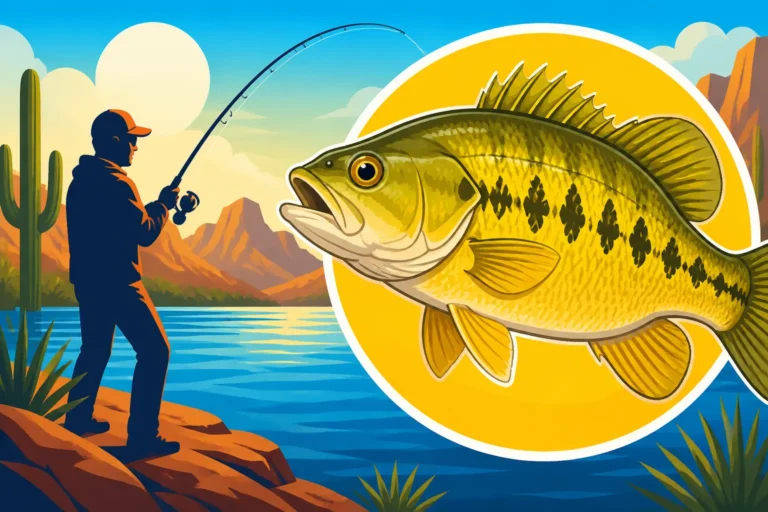
Bluegill, often affectionately called "bream" or "sunfish," are a staple in Arizona's urban fisheries, providing endless entertainment for anglers of all ages and skill levels. They're not just plentiful; they're also feisty, making them an absolute blast to catch on light tackle. Before we dive into the nitty-gritty of gear and techniques, let's get a handle on what makes these little fish tick in our desert oases.
Why Community Ponds are Bluegill Havens
Arizona's community fishing ponds and lakes are specifically managed to create excellent, easily accessible fishing opportunities, especially for species like bluegill. The Arizona Game and Fish Department (AZGFD) works tirelessly to maintain these urban fisheries, often stocking them with various species, including bluegill, to ensure consistent angling success. These ponds are typically smaller, shallower, and often feature structures like docks, rock edges, and submerged vegetation that bluegill absolutely adore. They're literally designed to be productive and family-friendly, which is why bluegill thrive in these environments.
Unlike the vast, deep reservoirs where fish can be harder to locate, community ponds concentrate bluegill in more predictable areas. This makes them an ideal starting point for beginners or a reliable spot for seasoned anglers looking for a quick fix. You won't typically find yourself needing expensive boats or specialized electronics here; a simple walk around the bank can often reveal prime bluegill territory. The consistent stocking and smaller, more manageable size of these waters mean a higher chance of a successful day, fostering a love for fishing in anyone who gives it a try. These spots are often part of the larger Community Fishing Program Stocking Season in Arizona, which keeps the populations healthy and active.
Bluegill Behavior and Habitat Preferences
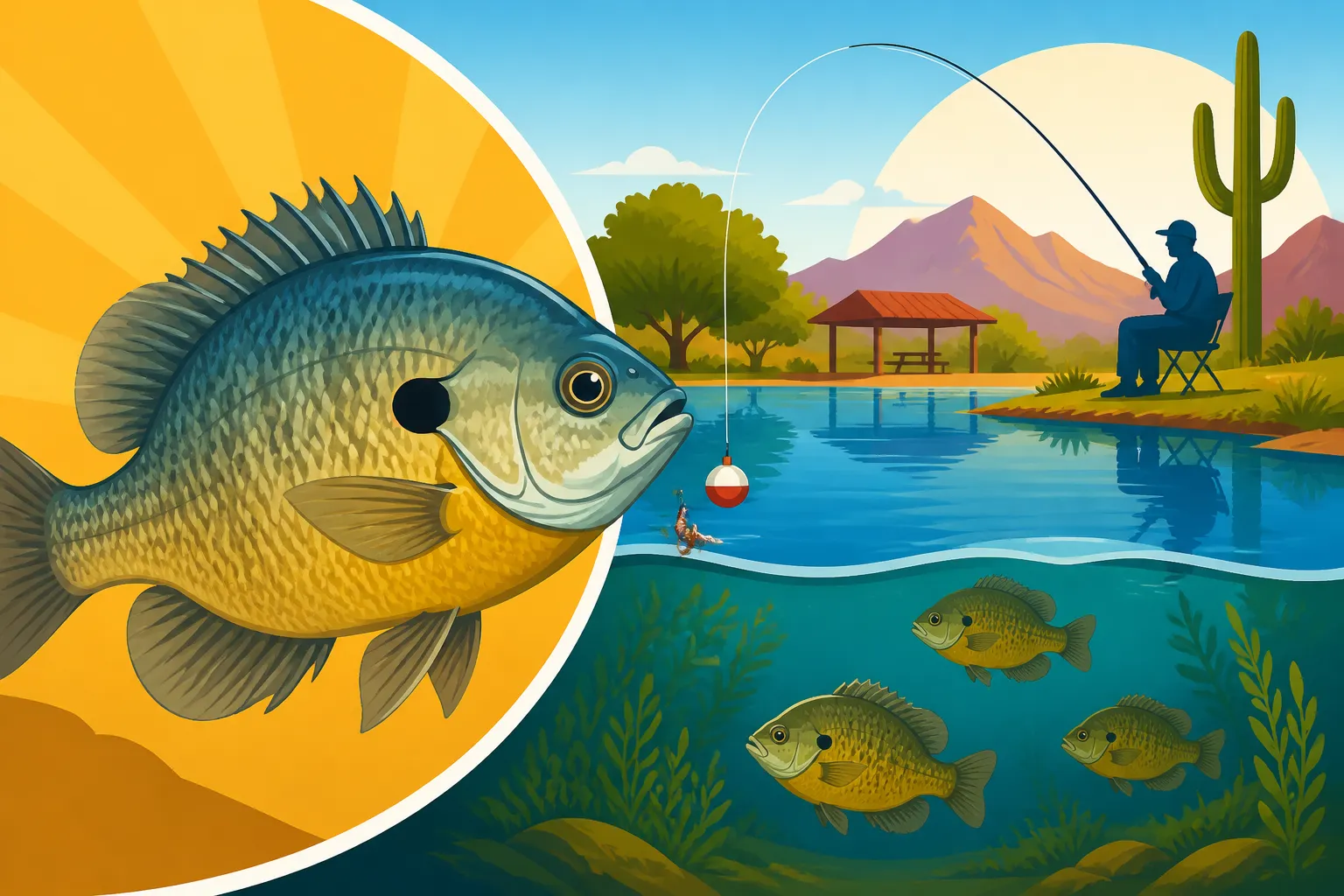
Bluegill are quite particular about where they like to hang out, and understanding their preferences is key to finding them. Generally, they are social creatures and tend to school together, especially when feeding or seeking cover. Their diet is varied, consisting mostly of small insects, larvae, tiny crustaceans, and even plant matter. This means they are often found cruising the shallower waters where these food sources are abundant.
When you're at a community pond, look for bluegill near any kind of structure or cover. This could be a submerged tree branch, a patch of weeds, a shaded area created by an overhanging tree, or even the pilings of a dock. These spots offer them protection from predators and also serve as ambush points for their own meals. They love the transition zones where shallow water meets slightly deeper water, especially if there's cover nearby. In warmer months, they might seek deeper, cooler water during the hottest parts of the day but will often move back to the shallows in the early morning or late afternoon to feed. During their spawning season, which typically occurs from late spring into summer when water temperatures reach the mid-60s to low-70s, you'll find them congregated in very shallow, sandy or gravelly areas, often creating small, circular "nests" which are visible from the bank.
Essential Gear for Community Pond Bluegill
One of the best things about bluegill fishing is that you don't need to break the bank to get started. In fact, simple, inexpensive gear is often the most effective. This makes it a fantastic entry point for anyone looking to try fishing without a huge upfront investment.
Simple Rod and Reel Setups
For bluegill, less is definitely more when it comes to rod and reel setups. A lightweight, ultra-light action spinning rod, typically between 5 to 6 feet in length, paired with a small spinning reel (like a 1000 or 2000 series size), is absolutely perfect. This type of setup allows you to feel even the slightest nibble from a bluegill and makes fighting these spirited fish a genuinely thrilling experience. It's also easy for kids to handle, which is a huge plus. You can often find a decent Best Rod and Reel Combo for Bass that works perfectly for panfish like bluegill on sites like Amazon.
As for line, opt for something very light. Two to four-pound test monofilament or fluorocarbon line is ideal. This thin line is less visible to the fish and allows your bait to present more naturally in the water. Monofilament is a great, affordable choice for beginners as it's easy to tie knots with and has a good amount of stretch, which can prevent bluegill's soft mouths from tearing. A lighter line also allows for longer, more accurate casts with small baits, which is often crucial when targeting these wary little guys.
Best Baits and Lures for Bluegill
Bluegill are not usually picky eaters, which is fantastic news for anglers. Their diverse diet means a wide variety of baits and small lures can be incredibly effective. When you're trying to figure out what bluegill eat in spring, or any other season for that matter, just think small and natural.
For live bait, you really can't go wrong with earthworms or mealworms. A small piece of a nightcrawler or a single mealworm threaded onto a hook is almost irresistible to bluegill. Other common live baits include crickets and grasshoppers, which are particularly effective in warmer months. If live bait isn't your preference, or you want something easier to store, try small pieces of corn, bread balls, or even tiny chunks of hot dog. These household items are surprisingly effective and can save you a trip to the bait shop. These are often considered the Easiest Fish to Catch at a Community Pond precisely because they bite on such common baits.
When it comes to artificial lures, remember to think tiny. Micro jigs, often no larger than 1/32 or 1/64 ounce, tipped with a small plastic grub or tube bait, can be deadly. Colors like chartreuse, white, and black are often very productive. Another excellent artificial option is a small spinner, like a Rooster Tail or Mepps Aglia, in sizes #0 or #1. These mimic small insects or baitfish and the flash and vibration can trigger aggressive strikes. These small lures are often available in multi-packs on Amazon, offering a variety of options to experiment with.
Essential Terminal Tackle for Small Fish
Beyond your rod, reel, and bait, a few key pieces of terminal tackle will complete your bluegill setup. These are the small components that connect your line to your bait.
First up, hooks. You'll want small, sharp hooks. Size 8, 10, or even 12 Aberdeen or Baitholder style hooks are perfect. The smaller the hook, the easier it is for a bluegill to get it into its mouth, and the less likely it is to be spooked. Aberdeen hooks are particularly good because their thin wire often bends out before breaking, which can help you retrieve your hook if it gets snagged.
Next, bobbers. A small bobber is essential for bluegill fishing, especially when using live bait. Slip bobbers are fantastic as they allow you to easily adjust your bait's depth, but traditional clip-on bobbers work just fine too. The key is to use the smallest bobber possible that will still keep your bait suspended. This minimizes resistance when a bluegill bites, making it less likely for them to drop the bait. You can find a good selection of Best Bobbers for Panfish at any local tackle shop or online.
Finally, a few split shot weights. These small lead or non-lead weights are crimped onto your line a few inches above your hook to help your bait sink to the desired depth. Start with one or two small split shot and add more if you need to get your bait down faster or battle a slight current. Remember, bluegill often feed slowly, so you don't want your bait to sink too quickly past them. A small pair of needle-nose pliers or hemostats is also incredibly useful for removing hooks and crimping split shots.
Step-by-Step Bluegill Fishing Techniques
Now that you've got your gear ready, let's talk about how to actually use it to put some bluegill in the net. Success often comes down to presentation and understanding where the fish are holding.
Rigging Your Line for Success
Setting up your line correctly is crucial for effective bluegill fishing. The most common and highly effective rig is the simple bobber setup. Start by sliding your bobber onto your main line. If it's a slip bobber, thread your line through the bobber stop, then the bobber itself. If it's a clip-on bobber, simply clip it to your line at your desired depth.
Next, tie on your hook. A simple Improved Clinch Knot or Palomar Knot works perfectly for small hooks and light line. After your hook is tied, add one or two small split shot weights about 4-6 inches above the hook. This keeps your bait down in the strike zone. The amount of line between your bobber and your hook (the "depth") is critical. Start by setting your bait to fish about 1-3 feet deep. If you're not getting bites, adjust the depth up or down by a foot or two until you find where the fish are. Remember, bluegill often cruise relatively shallow, so don't always assume they're at the very bottom.
Casting and Presentation
Bluegill fishing typically doesn't require long, powerful casts. Instead, focus on accuracy and a gentle presentation. With a light rod and reel, a simple flick of the wrist is usually all you need to cast your bait out 10-20 feet. Try to cast near those areas of cover or structure we discussed earlier – weed lines, shaded banks, or dock pilings.
Once your bait hits the water, let it settle. Watch your bobber carefully. Bluegill bites can be subtle, sometimes just a slight twitch or a slow drift. Other times, the bobber will go straight down with no hesitation. When you see a bite, don't yank too hard; a gentle lift of the rod is usually enough to set the small hook in a bluegill's mouth. If you're using a micro jig or spinner, a slow, steady retrieve is often best, sometimes with a few small twitches to impart extra action. Experiment with retrieve speed until you find what the fish prefer on that particular day.
Reading the Water and Finding Bluegill
Finding bluegill is half the battle, and a lot of that comes from keenly observing the water and your surroundings. Look for any signs of fish activity: subtle ripples on the surface, small splashes, or even seeing fish darting around in clearer areas. Pay close attention to changes in the bottom contour, like drop-offs, or any visible structure.
Bluegill are often found near aquatic vegetation such as cattails, lily pads, or submerged grasses. These areas provide food, shelter, and oxygen. During sunny days, they'll often hold in shaded areas, so casting under overhanging trees or near docks can be very productive. In the early morning or late evening, they might move into very shallow water to feed, while during the bright midday sun, they might retreat to slightly deeper water or denser cover. Don't be afraid to move around the pond. If a spot isn't producing after 15-20 minutes, try another promising looking area. Understanding How to Fish a Community Lake for Beginners involves a lot of trial and error and moving to find active fish.
Tips for a Successful and Enjoyable Bluegill Trip
Bluegill fishing is about more than just catching fish; it's often an experience meant to be shared, to relax, and to enjoy the outdoors. Here are some extra tips to make your trip truly memorable.
Engaging Kids and Beginners
Bluegill are hands-down one of the best species to introduce children and new anglers to the sport. Their eagerness to bite and spirited fight on light tackle can quickly hook a beginner for life. Make the experience fun and low-pressure. Focus on the joy of being outdoors, the excitement of seeing a bobber twitch, and the satisfaction of landing a fish, no matter its size.
Keep the gear simple and manageable for small hands. A push-button (spincast) reel is often easiest for kids to learn with. Bring plenty of bait, snacks, and drinks, and don't forget sun protection – Arizona sun is no joke! Be patient, offer encouragement, and celebrate every catch. This is also a great opportunity to teach them about Arizona fishing licenses and rules. For instance, children under a certain age often don't need a license, but it's important to confirm the Minimum Age to Fish Without a License in Arizona before you head out, and to check on any Arizona Fishing License Exemptions and Discounts that might apply.
Responsible Angling and Catch Limits
As much fun as it is to catch bluegill, it's vital to practice responsible angling. Always respect the fish and their habitat. The Arizona Game and Fish Department sets specific Bluegill Size Limit at Community Ponds in Arizona and bag limits for these waters, which are designed to maintain healthy fish populations. Always check the current regulations before you go, either online or by picking up a fishing regulations booklet.
Catch and release is a great practice, especially if you're just fishing for sport or if you've already caught enough for a meal. If you do plan to keep some bluegill, only take what you'll reasonably eat, and handle fish minimally and with wet hands if you intend to release them. This helps protect their slime coat, which is vital for their health. Having a small cooler with ice for your kept fish will ensure they stay fresh.
Handling Your Catch and Releasing Safely
Handling bluegill is generally straightforward, but a few pointers can make it easier and safer for both you and the fish. Bluegill have a small patch of sharp spines on their dorsal fin (the fin on their back) and sometimes on their gill plates. To avoid getting pricked, grasp the fish firmly but gently, with your thumb and forefinger just behind the head, pressing their dorsal fin down.
If you're keeping your fish, a stringer or a livewell is ideal to keep them alive and fresh until you're ready to clean them. If you're releasing them, unhook them quickly and gently while they are still in the water if possible. If you must remove them from the water, do so as briefly as possible. Use a pair of small pliers or hemostats to remove the hook, especially if the fish has swallowed it. Always release the fish by holding it upright in the water and allowing it to swim away on its own power, rather than just tossing it back.
| Bait Type | Pros | Cons | Best Use Cases |
|---|---|---|---|
| Live Worms | Highly effective, natural scent and movement | Can be messy, requires proper storage, some cost | All seasons, especially effective when bluegill are actively feeding |
| Mealworms | Clean, easy to handle, long shelf life | Less natural movement than worms, may attract smaller fish | All seasons, good for kids, easy to keep |
| Corn Kernels | Inexpensive, clean, appealing to many panfish | Less scent, can be easily pulled off hook, less movement | Good for stocked ponds, multi-species fishing, readily available |
| Bread Balls | Very cheap, easy to make, good for surface bites | Falls apart easily, attracts smaller nuisance fish | Impromptu trips, surface fishing, very calm waters |
| Micro Jigs | Reusable, variety of colors, mimics insects | Requires active retrieve, may not appeal to hesitant fish | More experienced anglers, when bluegill are actively chasing bait |
| Small Spinners | Flash and vibration attracts aggressive strikes | Can be expensive to lose, may twist line without a swivel | Covering water, targeting aggressive fish, good for slightly deeper areas |
Ultimately, catching bluegill at an Arizona community pond is about enjoying the simplicity of fishing. With the right basic gear, an understanding of where these little fighters hang out, and a bit of patience, you'll be well on your way to a fun, memorable, and successful outing. So grab your rod, pack some bait, and head out to your nearest community pond – those bluegill are waiting!
Disclaimer
The information provided in this guide is for general informational purposes only and does not constitute professional advice. Fishing regulations, license requirements, and local conditions can change frequently. Always consult the official Arizona Game and Fish Department (AZGFD) regulations and local authorities for the most current and accurate information before engaging in any fishing activities. Adherence to all laws and regulations is the responsibility of the individual angler.