Beginner Fishing Techniques for Arizona Desert Lakes
Staring at the seemingly endless expanse of a desert lake can feel a little intimidating, especially when you're just starting your fishing journey in Arizona. It's easy to feel lost, wondering what gear to use, where to cast, or even what fish you're trying to catch. Don't worry, every seasoned angler started right where you are. This guide is designed to cut through the confusion, offering a comprehensive walkthrough of beginner fishing techniques specifically tailored for Arizona's unique desert lake environments, helping you build confidence and start reeling in fish.
Understanding Arizona's Unique Desert Lakes for Anglers
Fishing in Arizona isn't like fishing in, say, Minnesota or the Pacific Northwest. Our desert lakes present their own set of challenges and opportunities that you need to understand to have a successful outing. The landscape, the climate, and even the fish behavior are all influenced by this arid environment.
The Impact of Extreme Temperatures
Arizona's temperatures, particularly during the long summer months, play a massive role in how fish behave and how you should approach your fishing strategy. Unlike cooler climates, the water in our desert lakes can get incredibly warm, sometimes pushing into the 90s in surface temperatures. This extreme heat forces fish into deeper, cooler water, often near thermoclines or areas with significant shade.
Imagine stepping outside in Phoenix in July – you'd seek shade and air conditioning, right? Fish do the same thing! They'll move away from the scorching surface, especially during midday, to find more comfortable temperatures where oxygen levels are often better. This means you generally won't find them shallow and active in the middle of a blazing summer day. Conversely, during the milder spring and fall, and even on warmer winter days, fish will be much more active in shallower waters, making for some fantastic opportunities. Understanding these thermal shifts is crucial for knowing when and where to cast your line.
Water Levels and Lake Features
Another defining characteristic of Arizona's desert lakes is the fluctuating water levels, which can change dramatically with seasons, snowpack, and monsoon rains. A lake that was teeming with visible structure one year might be a barren bathtub the next, or vice-versa. These changes constantly reshape the underwater landscape, influencing where fish hide and hunt.
What does this mean for you, the beginner? It means staying observant. Look for signs of submerged timber, rock piles, or old roadbeds that might have been exposed during lower water. These features are magnets for fish, offering cover and ambush points. Lakes like Lake Pleasant or Roosevelt Lake, with their vast shorelines and numerous coves, offer a wealth of such structure. Don't just focus on the open water; pay attention to points, inlets, and any visible changes in the shoreline that suggest underwater topography.
Essential Gear for Your First Desert Lake Adventure
Stepping into a tackle shop or browsing online can be overwhelming with the sheer volume of fishing gear available. For a beginner in Arizona, simplicity and versatility are key. You don't need the most expensive equipment to catch fish; you just need the right foundational pieces.
Choosing Your First Rod and Reel Combo
For beginners, a medium-light to medium power spinning rod and reel combo is the absolute best starting point. These setups are forgiving, easy to learn, and versatile enough to handle most common fish species in Arizona's desert lakes, from feisty bass to hungry catfish and panfish.
A 6 to 7-foot rod with a fast action (meaning the tip bends easily but the rest of the rod is stiff) is ideal. This length gives you good casting distance without being too cumbersome, and the fast action helps you feel subtle bites and set the hook effectively. Pair it with a 2500 or 3000 series spinning reel, which offers a good balance of line capacity and smooth operation. Many reputable brands offer excellent beginner combos that won't break the bank. You can often find great value options on platforms like Amazon that include everything you need to get started. When considering your setup, remember that a good, balanced combo will make your casting smoother and less tiring throughout the day.
Basic Tackle Box Essentials
Your tackle box doesn't need to be huge, but it does need to hold the essentials. Think of items that are versatile and proven fish-catchers in our waters. You'll want a selection of hooks, weights, bobbers, and a few basic lures.
For hooks, an assortment of sizes from #6 up to 2/0 will cover most situations. Small hooks are great for panfish or smaller baits, while larger ones are for bigger fish and chunkier baits. Sinkers (weights) like split shots or bullet weights in various sizes are crucial for getting your bait down to where the fish are. Add a few simple slip bobbers or clip-on bobbers for suspended bait presentations, especially when targeting trout or panfish. For those interested in buying their first full kit, look for starter tackle box sets on Amazon, which typically include a decent assortment of these items. Having a well-stocked, yet simple, tackle box makes a huge difference in staying organized and ready for different fishing scenarios. This initial investment in Essential Tackle Box Setup for Arizona Beginners will serve you well.
Mastering Simple Casting Techniques
Feeling confident in your cast is one of the most important skills for any beginner angler. It allows you to reach promising spots, present your bait effectively, and ultimately, catch more fish. Don't worry about fancy tricks; mastering a few basic casts will get you far.
The Overhead Cast
The overhead cast is the bread and butter of fishing, and it’s the first one every beginner should learn. It's straightforward, provides good distance, and is generally accurate.
To execute an overhead cast, start by reeling your lure or bait so it's hanging about six to twelve inches from the rod tip. Grip the rod comfortably with your dominant hand, keeping your elbow slightly bent. Point the rod tip towards your target. Then, in one smooth motion, bring the rod back over your shoulder to about the 10 o'clock position (imagine the face of a clock). As you bring the rod forward, smoothly accelerate, aiming the rod tip at your target. As the rod passes the 12 o'clock position and begins its forward arc, release your thumb from the spool (for baitcasters) or your index finger from the line (for spinning reels). Practice this motion without any weight first, just a small practice plug, to get the feel of the rod loading and unloading. The key is a fluid, continuous motion, not a jerky one.
The Flip Cast or Pitch
Sometimes, you need to make a more delicate, shorter-distance cast, especially when fishing around docks, submerged brush, or tight cover. This is where the flip cast, also known as pitching, comes in handy. It’s less about power and more about control and stealth.
For a flip cast, let out a bit more line, so your lure or bait is hanging about two to three feet from the rod tip. Hold the rod horizontal or slightly downward, and use your non-dominant hand to grab the lure and pull it back gently, creating tension on the line and bending the rod tip slightly. With your dominant hand, release the line (spinning reel) or press the thumb bar (baitcaster) and then gently swing the rod forward, releasing the lure with a smooth, underhand motion, letting it "pitch" or "flip" to your target. The goal is a soft, splash-free entry that doesn't spook any nearby fish. This technique is particularly effective in areas where fish might be easily spooked, such as in Best Urban Fishing Lakes in Arizona.
Reading the Water for Prime Fishing Spots
You can have the best gear and perfect casting technique, but if you're not casting where the fish are, you won't catch anything. Learning to "read the water" is a critical skill that comes with practice, but knowing what to look for will give you a significant head start on Arizona's desert lakes.
Identifying Fish-Holding Structure
Fish, especially bass and crappie, are masters of camouflage and ambush. They love to hide around structure – anything that breaks up the uniform bottom or water column. This could be submerged trees, rock piles, ledges, drop-offs, or even old foundations from when the lake was smaller.
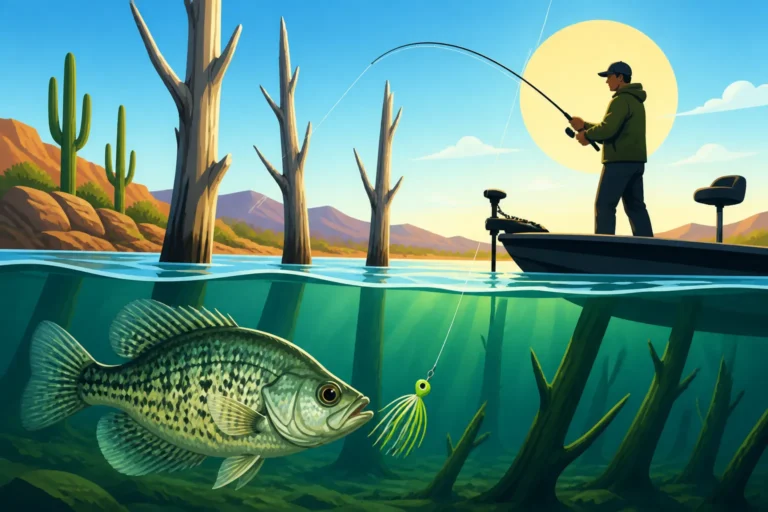
When you're out on the lake, keep your eyes peeled for anything that looks different. Visible points that jut out into the water, coves with standing timber, or even subtle changes in water color can indicate underwater structure. Sometimes, observing other anglers can give you clues; if several boats are clustered in one area, there's likely a good reason. For instance, the famous coves and standing timber in lakes like Apache Lake or Canyon Lake are well-known fish magnets. Fish use these structures for shade, protection from predators, and as ambush points to catch prey. Learning to spot these areas is a key part of your journey, helping you to narrow down where to cast.
Understanding Depth and Cover
Different fish species prefer different depths and types of cover, and this can change drastically with the time of day and year. In Arizona's hot summers, fish will often move to deeper, cooler water. In spring, during spawning season, they'll be shallower.
Look for areas where shallow water transitions quickly into deeper water – these "drop-offs" are often highways for fish. Shade is also critical. Overhanging trees, cliffs, or even the shadow cast by a boat can provide fish with a cooler, darker spot to hang out. For example, during the scorching summer afternoons on Lake Pleasant, you might find striped bass schooling in deep, open water, while largemouth bass might be tucked under submerged brush in 20-30 feet of water. Paying attention to how the sun hits the water and where shadows fall can significantly increase your chances. Don't forget that a general Arizona Fishing Regulations Explained booklet can also sometimes offer clues about preferred habitats for different species.
Basic Baits and Lures for Success
When you're just starting out, keep your bait and lure selection simple. The goal is to use tried-and-true options that consistently catch fish in Arizona's desert lakes, without getting bogged down in endless choices.
Live Bait Options
For many beginners, live bait is an excellent way to guarantee some action. Fish are naturally attracted to live bait, as it looks, smells, and moves like their natural food source.
Worms, specifically nightcrawlers or red worms, are arguably the most versatile and effective live bait for beginners. They catch almost anything that swims, including bass, catfish, crappie, and various panfish. You can rig them on a simple hook under a bobber, or on a bottom rig with a weight to get them deeper. Another fantastic option is live minnows, especially for targeting crappie or larger bass. You'll need a minnow bucket with an aerator to keep them alive. Always check Arizona Fishing Regulations Explained regarding the legality of using live bait and any restrictions on certain species, as rules can vary by water body. The key with live bait is to ensure it's presented naturally; letting it drift or subtly twitch can often trigger a strike.
Effective Artificial Lures
While live bait is great, artificial lures offer the excitement of actively working a bait to entice a strike. For beginners, stick to a few simple, versatile lure types that are proven producers in Arizona.
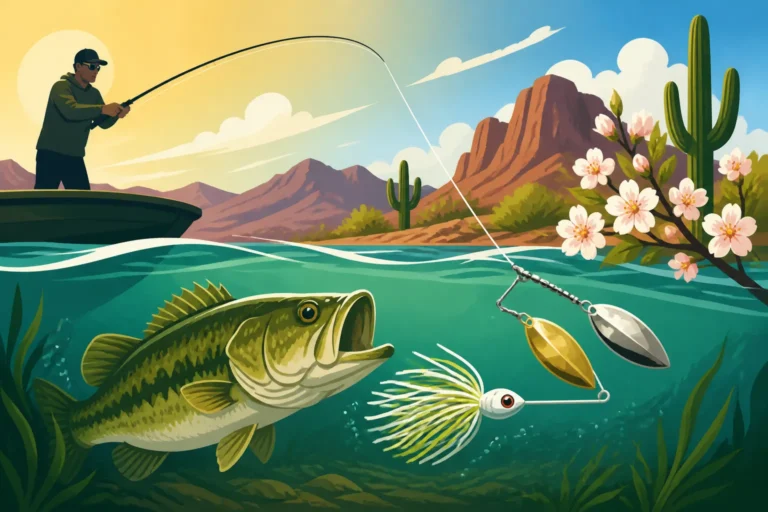
Soft plastic worms, like a Texas-rigged Senko or a creature bait, are phenomenal for bass. They are weedless (less snagging!) and can be fished slowly around structure. Spinnerbaits are another excellent choice, especially in slightly stained water or during overcast conditions, as the spinning blades create flash and vibration that attract fish. For panfish and smaller trout in stocked lakes, small inline spinners (like Mepps or Rooster Tails) or tiny jigs tipped with a grub are often irresistible. Learning how to fish these lures involves experimenting with different retrieve speeds and motions. For more specific lure recommendations, dive into Best Baits and Lures for Arizona Fishing. Starting with a few of these basic lures will build your confidence and teach you how different presentations work.
Navigating Arizona's Fishing Seasons
Arizona's fishing seasons aren't marked by frozen lakes or spawning salmon runs in the same way some other states are. Instead, our seasons are defined primarily by temperature and fish behavior responding to those changes. Understanding these patterns is crucial for planning successful trips.
Spring: The Time of Action
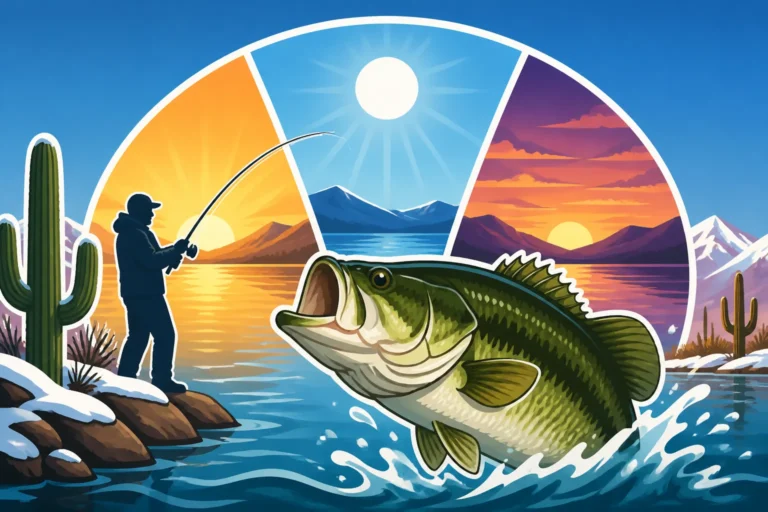
Spring is arguably the most exciting time to fish in Arizona's desert lakes. As water temperatures begin to rise from their winter lows, fish become incredibly active, feeding aggressively after the slower winter months and preparing for the spawn.
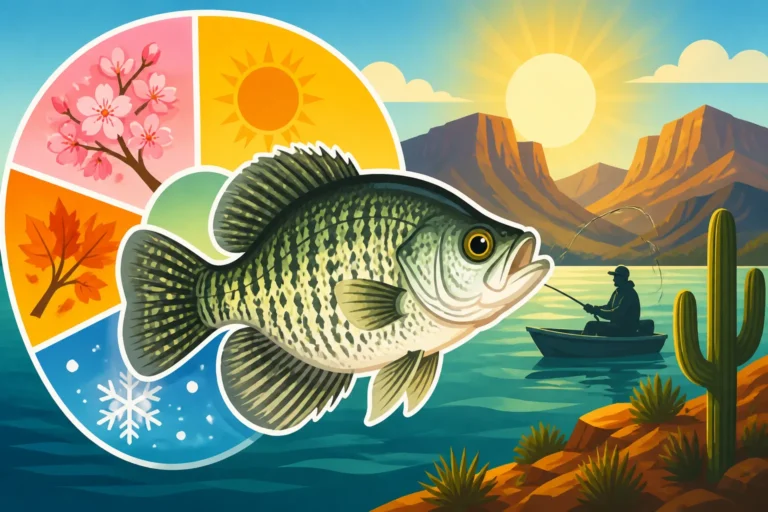
Largemouth and smallmouth bass move into shallower waters, often in coves and on points, to build nests and reproduce. This makes them more accessible to shore anglers and easier to spot. Crappie also move shallow, schooling up in brush piles and submerged timber to spawn, offering some of the best crappie fishing of the year. Trout, still feeling comfortable in the warming waters, will actively feed near shorelines where they were stocked. For beginners, this means focusing on areas with cover in shallower depths (5-15 feet), using both live bait and active lures like spinnerbaits or soft plastics. It's a fantastic time to practice your casting and retrieve, as the fish are generally more cooperative.
Summer: Adapting to the Heat
Summer in Arizona means intense heat, and this profoundly affects fishing. As mentioned earlier, surface water temperatures can soar, forcing most fish species into deeper, cooler, and more oxygenated water during the day.
However, summer can still be productive if you adjust your strategy. Early mornings and late evenings, or even night fishing, become prime times as water temperatures temporarily cool. During these cooler periods, fish will often move shallower to feed. During the heat of the day, you'll need to target deeper structure, drop-offs, and shaded areas. This might mean using heavier weights to get your bait or lure down quickly. Striper boils can also be a common sight in larger lakes like Lake Powell or Lake Pleasant during summer mornings and evenings, offering explosive action. For detailed advice on staying safe and effective, refer to Heat Safety Tips for Summer Fishing in Arizona.
Fall and Winter: Transition and Opportunity
As fall approaches, water temperatures begin to drop, and fish once again become very active, feeding heavily to prepare for winter. This "fall bite" can be just as exciting as spring.
Fish will often be scattered throughout different depths, with many moving back into shallower waters during the day as the surface cools. Topwater action for bass can be fantastic in the mornings. Winter fishing in Arizona is often a pleasant surprise for those accustomed to frozen lakes elsewhere. While fish activity slows down, they don't stop feeding. They typically move to deeper, more stable temperatures, but can be caught throughout the day, especially on sunny afternoons when they might move up slightly to feed. Trout stocking in urban community lakes also kicks into high gear during the cooler months, providing excellent opportunities for beginners. Exploring how Trout Stocking Season in Arizona impacts local fishing can be very helpful.
Common Fish Species to Target and How
Arizona's desert lakes are home to a diverse array of fish, and as a beginner, it's helpful to know which species are most common and relatively easy to catch. Focusing on these will build your confidence and make your initial trips more rewarding.
Largemouth Bass: The Popular Gamefish
The largemouth bass is arguably the most popular gamefish in Arizona's desert lakes. They are aggressive, put up a fantastic fight, and are found in almost every major reservoir.
For beginners, targeting largemouth bass often means focusing on cover. They love to hide in submerged brush, around rock piles, under docks, and along weed lines, waiting to ambush prey. You can catch them using a variety of methods. Live worms or minnows are always effective. For lures, try a Texas-rigged soft plastic worm, a spinnerbait, or even a simple crankbait that imitates baitfish. Cast these lures close to cover and retrieve them with a varying speed, pausing occasionally. You’ll often feel a distinct “thump” when a bass hits. Learning to fish for these aggressive predators can be incredibly rewarding, and many of Arizona's lakes, like Lake Pleasant, are renowned for their bass fishing. For a deeper dive, check out Largemouth Bass Fishing Guide for Arizona.
Catfish: Great for Beginners and Night Fishing
Catfish are another fantastic target for beginners in Arizona. They are plentiful, can grow quite large, and are relatively easy to catch, often preferring bait over lures. Plus, they offer excellent table fare.
Channel catfish are the most common species in our desert lakes, with flathead catfish also present in larger river systems like the Colorado River. Catfish are primarily bottom feeders, so a simple bottom rig is your best friend. Use a weight to get your bait to the bottom, and then a hook baited with something smelly. Common baits include stink baits, chicken livers, hot dogs, or even cut bait (pieces of smaller fish). Catfish are especially active from late spring through fall, and they often feed heavily at night, making Catfish Night Fishing Techniques a popular choice during the warmer months. Look for them in deeper holes, along channels, or near submerged structures.
Panfish and Trout: Family-Friendly Options
For a high chance of success and a great experience for kids, panfish (like bluegill and sunfish) and stocked trout are excellent choices. They are abundant and typically eager to bite.
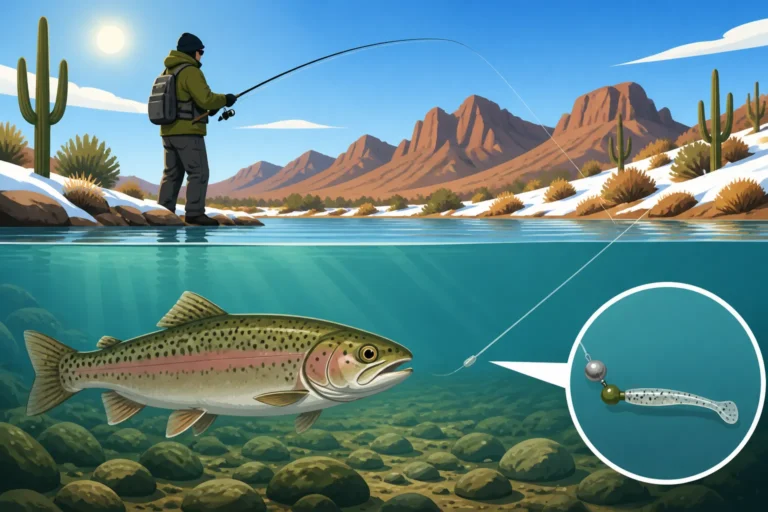
Panfish are found in almost all of Arizona’s lakes, especially in shallower, vegetated areas. They're perfect for light tackle and simple setups. A small hook (size #8 or #10) baited with a tiny piece of worm under a bobber is usually all you need. Cast near docks, lily pads, or any visible brush. Trout are regularly stocked in many of Arizona's urban lakes and mountain reservoirs, particularly during the cooler months, as part of the Arizona Game and Fish Department's Community Fishing Program. PowerBait, corn, or small spinners are very effective for trout. These species are perfect for a beginner to get immediate gratification and practice the basics of casting, feeling bites, and reeling in a fish. You can learn more about Common Fish Species at Community Lakes in Arizona to plan your family outing.
Safety and Etiquette on Arizona's Waters
Fishing in Arizona's beautiful desert environment is a privilege, and it comes with responsibilities. Beyond the fishing techniques, understanding basic safety precautions and good etiquette ensures a pleasant and respectful experience for everyone.
Staying Safe in the Desert Environment
Arizona's desert climate presents unique safety challenges, especially during the warmer months. Dehydration and sun exposure are real risks that can quickly turn a fun day into a dangerous situation.
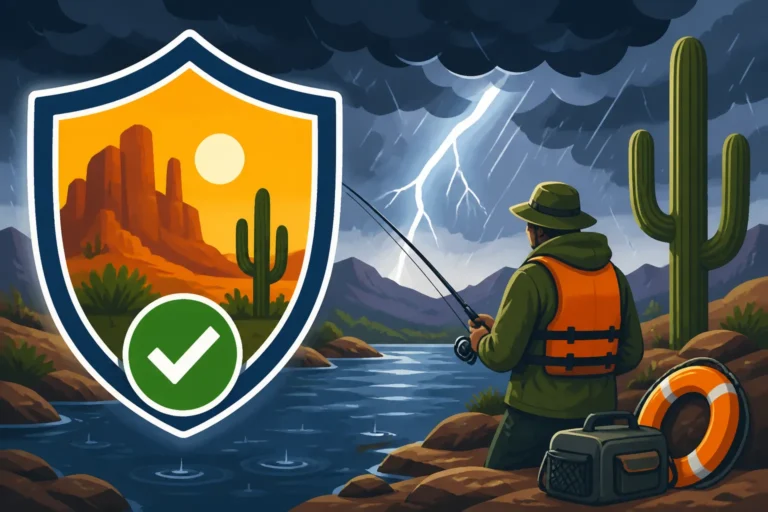
Always bring plenty of water – more than you think you’ll need. Electrolyte drinks can also be beneficial. Wear light-colored, long-sleeved clothing, a wide-brimmed hat, and polarized sunglasses to protect yourself from the intense sun. Generously apply broad-spectrum sunscreen, reapplying frequently. If you're fishing from a boat, always wear a life jacket, especially if you're not a strong swimmer or if conditions are windy. Even if you're just on the shore, let someone know where you're going and when you expect to return. Be aware of your surroundings, including wildlife like snakes or scorpions, and always check the weather forecast before heading out. Safety should always be your number one priority, especially when exploring new fishing grounds. For a comprehensive list of what to pack, refer to the Fishing Gear Checklist for Desert Lakes.
Practicing Responsible Angling and Lake Etiquette
Being a responsible angler means more than just following the rules; it's about respecting the environment, the fish, and your fellow outdoors enthusiasts.
Always carry out everything you carry in – and then some. Leave no trace of your visit, including fishing line, bait containers, or food wrappers. If you see litter, pick it up if it's safe to do so. Observe bag and possession limits, and understand Arizona Fishing Regulations Explained for the specific body of water you're fishing. If you're practicing catch and release, handle fish gently with wet hands, minimize their time out of water, and release them quickly. Be courteous to other anglers; give them space, avoid casting over their lines, and keep noise levels down. Whether you're at a popular community lake or a remote reservoir, showing respect for the environment and others ensures that Arizona's fishing opportunities remain enjoyable for all. If you are considering buying a fishing license, knowing How to Buy an Arizona Fishing License Online can streamline your preparation.
Disclaimer
Fishing involves inherent risks, including but not limited to drowning, injury from hooks or sharp objects, and exposure to the elements. Always prioritize safety, adhere to all local, state, and federal regulations, and be aware of your surroundings. This guide is for informational purposes only and does not replace professional advice or official regulations.